ReMarkable Paper Pure Leak Signals Strategic Shift Towards Mass Market Accessibility

A recent leak has brought to light an upcoming reMarkable tablet, reportedly named the "Paper Pure," signaling a potential strategic pivot for the Norwegian e-paper company towards a broader consumer base. The details, initially sparse and confined to a single image and a brief description, suggest reMarkable aims to democratize its highly acclaimed digital note-taking experience. The device is anticipated to launch in the second quarter of the current year, positioning it as a significant contender in the evolving e-ink market. This potential move could redefine reMarkable’s niche standing, moving beyond its dedicated professional and creative user base to appeal to a more mainstream audience.
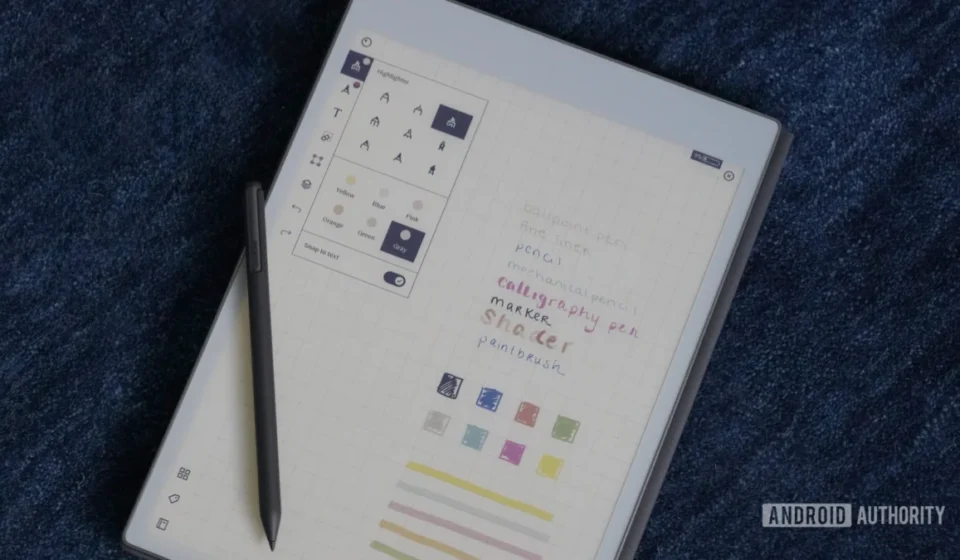
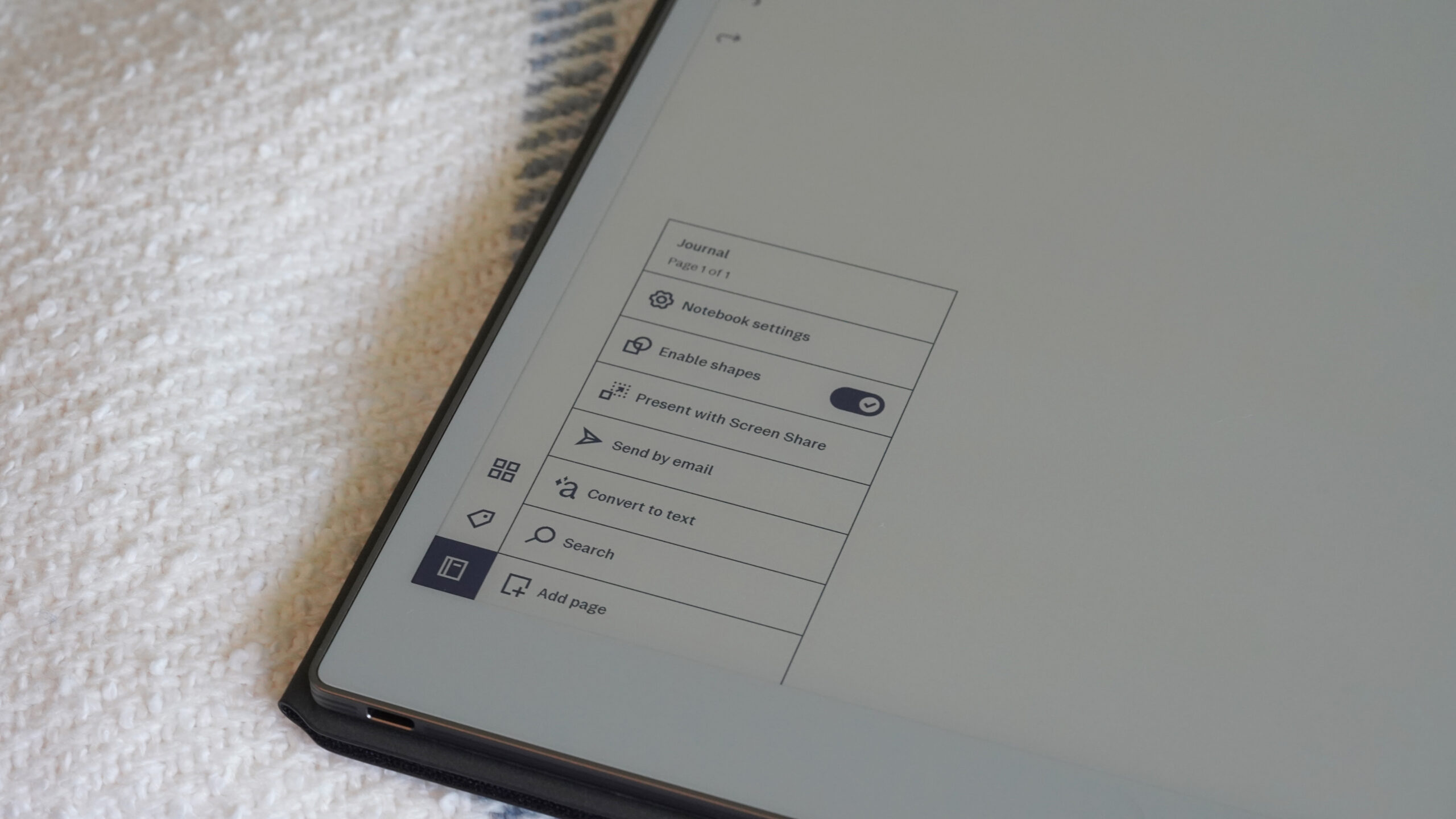
The emergence of information regarding the "Paper Pure" began earlier this week with a prominent leak from Evan Blass, known widely by his handle @evleaks. Blass, a reputable source for unreleased product information, posted an image accompanied by a pair of sentences describing the device. The image itself, upon closer inspection by online communities, particularly on platforms like Reddit, appeared to be an existing reMarkable model, specifically from a previously published photo gallery of the reMarkable Paper Pro. This observation has led to speculation that the image might serve as a placeholder rather than a definitive visual representation of the "Paper Pure," implying that while the device is real, its final aesthetic might differ or that "Pure" signifies an internal refinement rather than an external redesign. The core message of the leak, however, remained clear: reMarkable is exploring a "mass-market" device, indicating a shift in pricing and accessibility.
ReMarkable’s Current Market Positioning and Product Philosophy
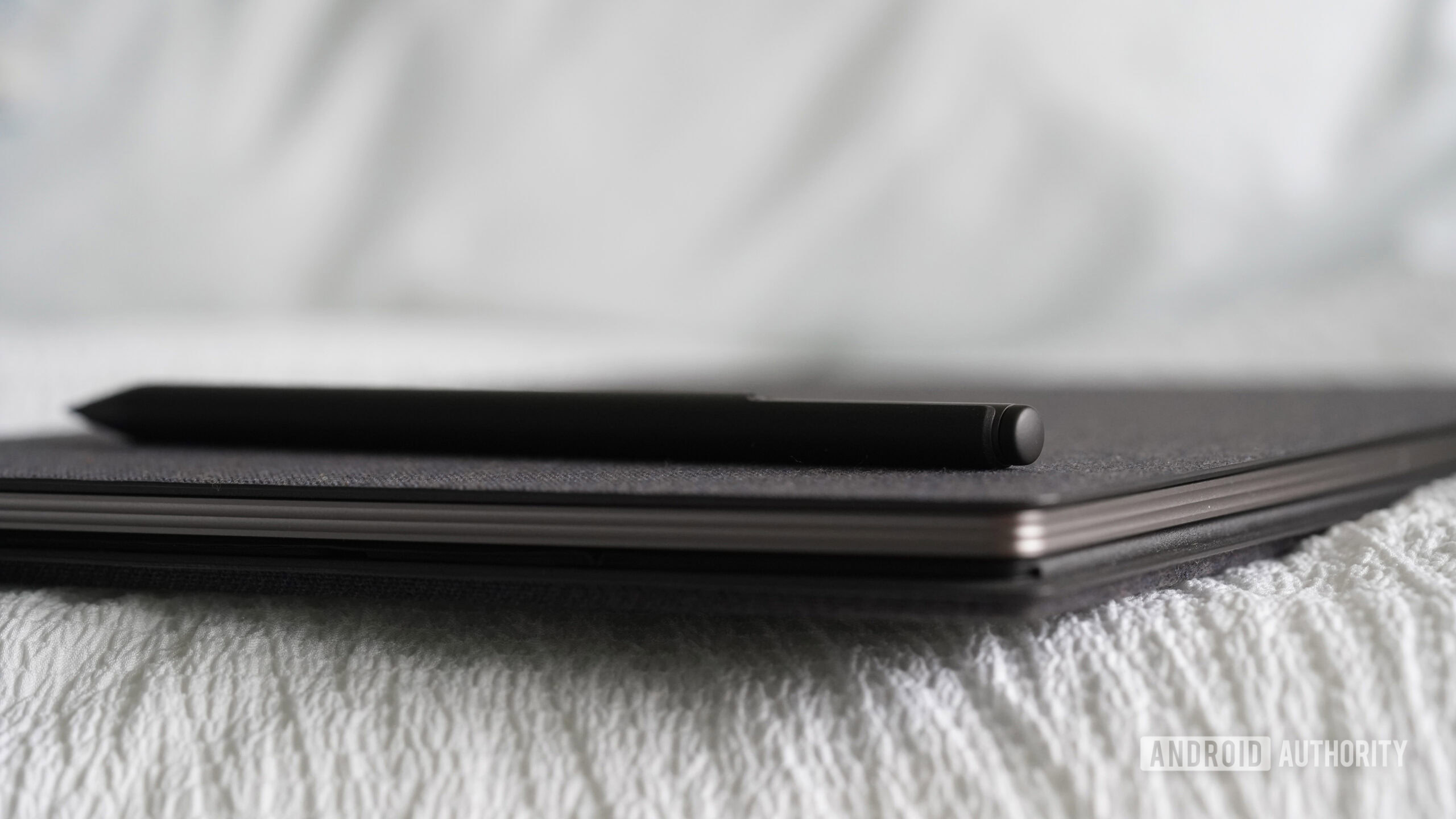
To understand the significance of a "mass-market" reMarkable device, it is crucial to examine the company’s existing portfolio and its established market position. ReMarkable has carved out a unique segment within the e-ink tablet landscape, distinguishing itself with a minimalist design philosophy and a strong emphasis on a distraction-free, paper-like writing and reading experience. Its flagship product, the reMarkable 2, launched in 2020, garnered critical acclaim for its remarkably thin profile, premium build quality, and superior writing latency, closely mimicking the feel of pen on paper. However, this premium experience comes at a price. The reMarkable 2 starts at approximately $399, and once essential accessories like the Marker Plus stylus (which includes an eraser function) and a protective folio are added, the total cost realistically pushes towards $500 or more. The recently introduced Paper Pro, building on this foundation, commands an even higher price point, ranging from $600 to $700 depending on configuration, further solidifying reMarkable’s position in the high-end, niche market for digital paper devices.
ReMarkable’s target demographic has historically consisted of professionals, academics, and creatives who prioritize focused work, note-taking, and document annotation over the multimedia capabilities of conventional tablets. The monochrome e-ink display, while excellent for text and handwriting, intentionally foregoes color and backlighting to maintain its "paper-like" illusion and reduce digital distractions. This unique value proposition has cultivated a loyal user base, but it has also limited its appeal to those fully "bought into the concept," as the original article implies. The competitive landscape includes devices like the Kindle Scribe and Kobo Elipsa 2E (which offer more integrated ecosystems and frontlights at varying price points), as well as more feature-rich e-note devices from brands like Onyx Boox and Supernote, which often incorporate Android operating systems for greater app flexibility.
Strategic Imperatives for a Mass-Market Device
The notion of a "Paper Pure" as a mass-market device suggests reMarkable recognizes the need to expand its reach and address several perceived barriers to entry. This strategic shift would necessitate a re-evaluation of its current product attributes and business model, aligning them with the expectations of a broader, more price-sensitive consumer segment.
Rethinking the Price Point for Accessibility
For any product aiming for "mass appeal," pricing is paramount. The current reMarkable 2 and Paper Pro are positioned as premium tools, making them aspirational rather than accessible for many potential users. To truly tap into a wider audience, the "Paper Pure" would need a significantly more attractive price tag. Market analysis suggests that for an e-note device to be considered mass-market, an "all-in" price—including the device and a functional stylus—ideally needs to fall below $300, and potentially closer to the $200-$250 range to compete effectively with popular e-readers that now offer basic note-taking (e.g., Kindle Scribe starts at $339, but often has bundles).
Achieving such a price point would likely involve cost optimizations in manufacturing, potentially through economies of scale if reMarkable anticipates higher sales volumes, or by simplifying certain hardware components. The inclusion of a stylus directly with the device, rather than as a separate premium add-on, would also contribute significantly to an "all-in-one" perception of value, removing a psychological barrier for new users. This pricing strategy would aim to convert users who are interested in the reMarkable concept but deterred by the initial investment, expanding its addressable market to students, casual note-takers, and budget-conscious professionals.
Enhancing Performance for a Seamless User Experience
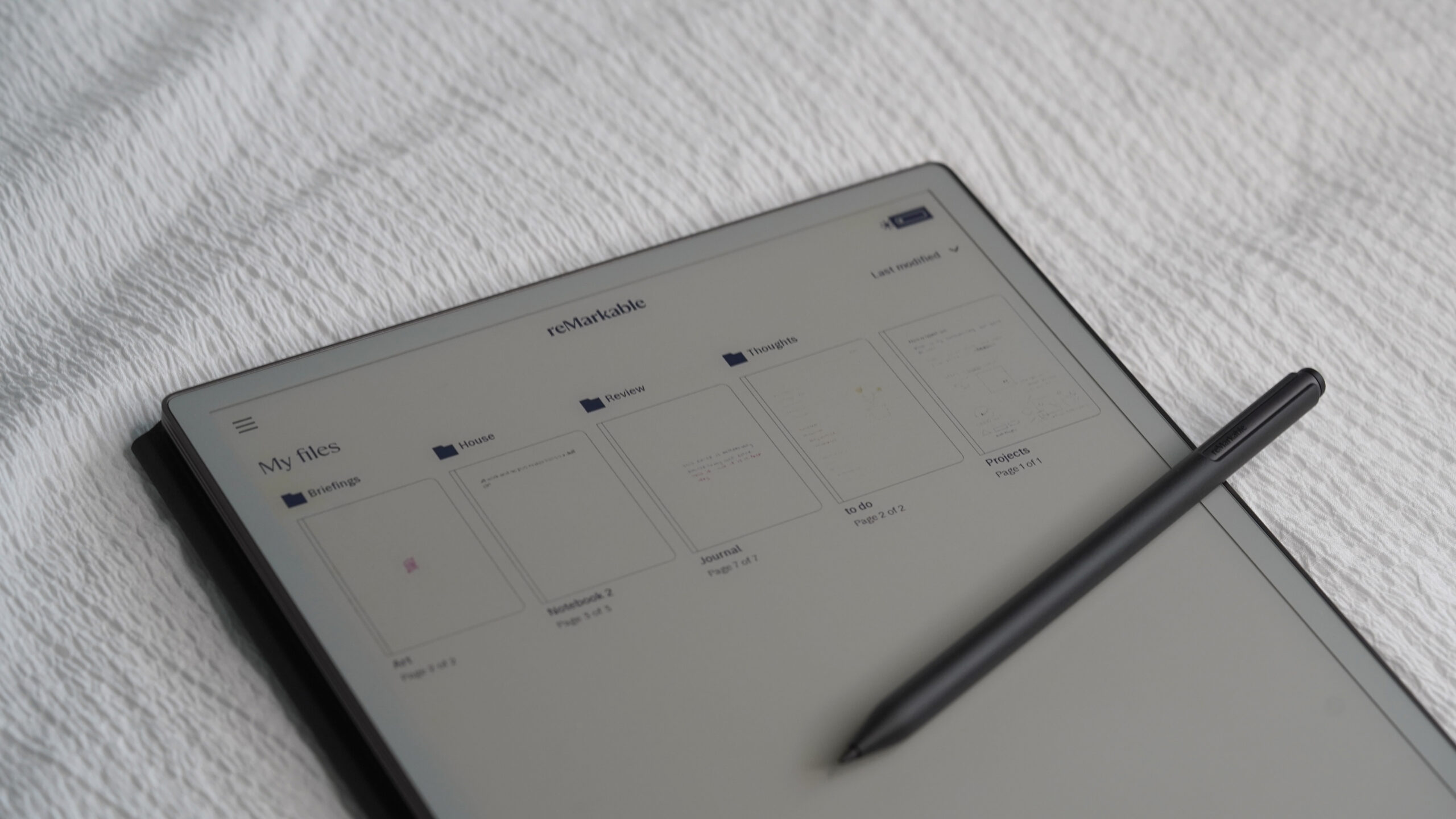
While reMarkable devices are lauded for their tactile writing experience, the underlying performance, particularly in navigating the user interface and handling larger documents, has sometimes been a point of contention. Users report occasional lags when flipping through extensive notebooks or interacting with complex PDFs. If the "Paper Pure" indeed utilizes a similar form factor to existing models (as suggested by the placeholder image), internal upgrades become even more critical to justify its existence as a new offering and to meet broader user expectations.
A mass-market device demands a faster, more responsive experience. This would necessitate an upgraded processor, more optimized software, and potentially increased RAM to handle tasks more smoothly. Improved responsiveness would not only enhance the core writing experience but also make general navigation, file management, and quick access to tools feel more fluid and intuitive. In a market where consumers are accustomed to the instantaneity of smartphones and conventional tablets, reducing any perceived latency or sluggishness is vital for widespread adoption.
Maintaining Grayscale: A Strategic Display Choice
The e-ink market is witnessing a growing trend towards color displays, with technologies like E Ink Kaleido 3 and Gallery 3 promising richer visual experiences. However, these color e-ink panels still come with trade-offs, primarily in terms of contrast, clarity, and often, a higher manufacturing cost compared to their monochrome counterparts. For a device primarily focused on writing, reading, and document annotation, these compromises might be counterproductive.
ReMarkable’s "Pure" philosophy aligns well with maintaining a sharp, high-contrast grayscale display. For text and handwriting, monochrome offers superior readability and a closer approximation to physical paper. By eschewing color, reMarkable can potentially keep manufacturing costs down, which is crucial for a mass-market device, and deliver a best-in-class monochrome experience. The focus should remain on maximizing resolution, contrast, and response time, rather than introducing a feature that might dilute the core experience and inflate the price without significant benefit for the intended use cases. This decision would also reinforce reMarkable’s commitment to its unique identity, distinguishing it from general-purpose color e-readers that often sacrifice contrast for hue.
Rounding Out the Software Ecosystem
Even loyal reMarkable users frequently point to areas where the software could be improved. While the core note-taking functionality is robust, features essential for comprehensive productivity and seamless integration into modern workflows often feel underdeveloped or are entirely absent. A "mass-market" reMarkable must address these gaps to cater to a diverse user base.
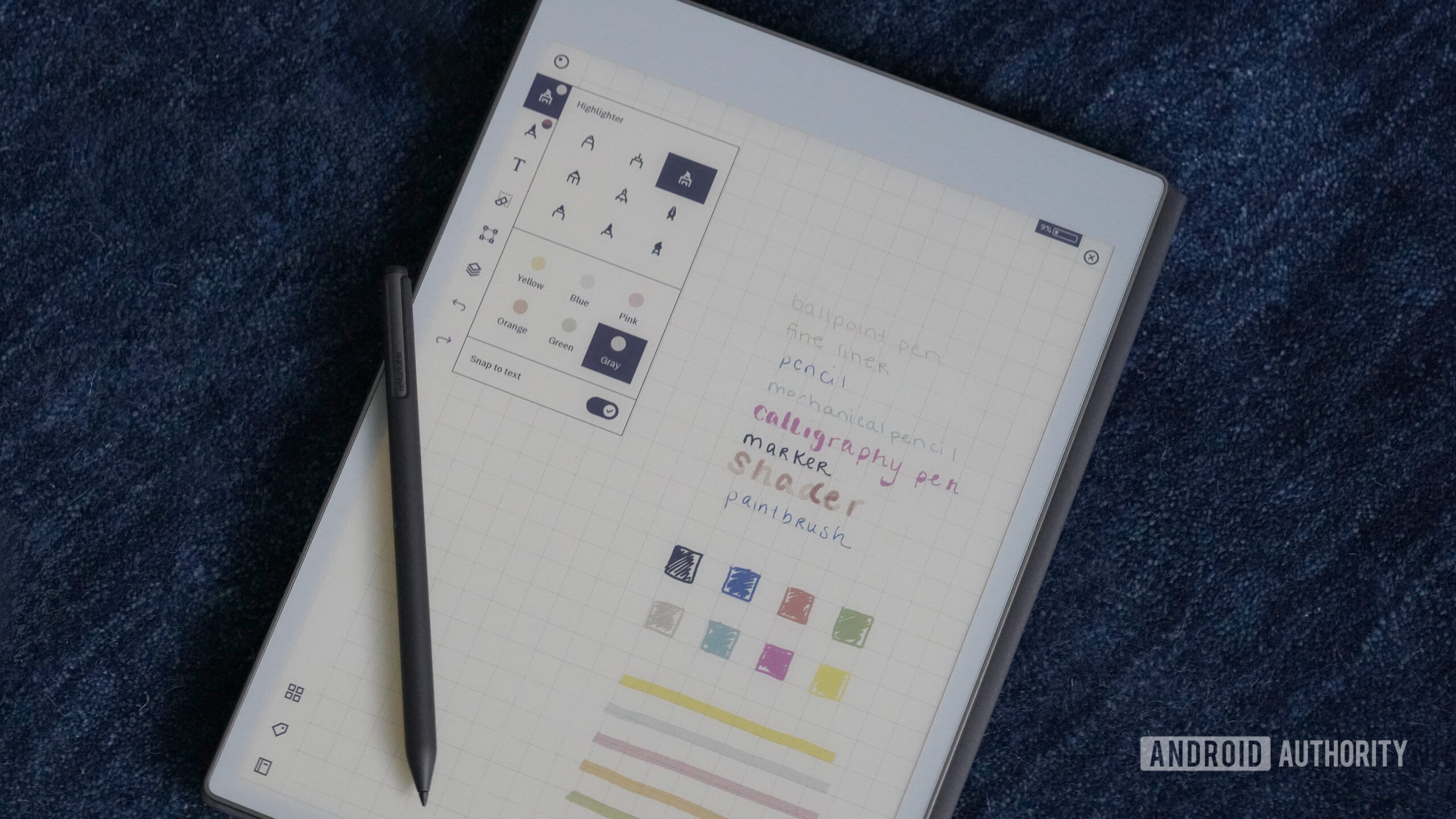
Key software enhancements would include more flexible note tools (e.g., advanced shape recognition, layers, more versatile pen types), smarter organization features (e.g., improved tagging, nested folders, robust search capabilities), and better document handling (e.g., enhanced PDF annotation, reflowable text for ePubs, direct integration with popular cloud storage services like Google Drive, Dropbox, and OneDrive beyond the existing limited options). Crucially, the syncing mechanism needs to be effortless and reliable, ensuring user content is consistently backed up and accessible across devices without additional user intervention or complex setup. The current "Connect" subscription, which gates some of these features, is also a consideration for a mass-market play.
Reconsidering the Subscription Model
ReMarkable’s current business model includes a subscription service, "Connect," which unlocks features such as unlimited cloud storage, handwriting conversion to text, and integration with certain cloud services. While the core writing experience remains free, charging for what many consider standard cloud functionalities, especially after paying a premium price for the hardware, has been a point of contention for some users.
For a device targeting a "broader audience," a subscription model can be a significant deterrent. Consumers are increasingly wary of ongoing costs for essential digital services. To maximize appeal, reMarkable could consider an "all-inclusive" pricing model where critical cloud features are bundled with the hardware purchase, perhaps with a smaller, optional premium tier for advanced enterprise-level functionalities. Alternatively, offering a generous free tier for cloud storage and basic syncing, similar to many other tech companies, would remove a barrier for new users and align better with a mass-market strategy. This would reflect an understanding that the value proposition needs to be clear and upfront for casual users.
The Case for a Frontlight: Balancing Philosophy with Practicality
Perhaps the most debated feature absence on reMarkable devices is a frontlight. ReMarkable has consistently argued that omitting a frontlight is crucial for maintaining its "real-paper feel," as illuminated screens depart from the natural experience of reading physical paper. However, in practical terms, the lack of a frontlight severely limits the device’s usability in low-light conditions, making it dependent on external light sources.
For a device intended for mainstream adoption, a frontlight is almost a standard expectation, especially when competing with e-readers like Kindle and Kobo, which universally offer them. While reMarkable’s purist philosophy is admirable, the modern consumer often values versatility. A subtle, adjustable warm frontlight, carefully engineered to minimize glare and maintain eye comfort, could significantly enhance usability in diverse environments—from dimly lit cafes to nighttime reading—without entirely sacrificing the paper-like aesthetic. This feature would represent a pragmatic compromise, broadening the device’s utility without necessarily betraying its core principles. It could be implemented in a way that allows users to turn it off completely for a "purest" experience when ambient light is sufficient.
Broader Market Implications and Conclusion
The rumored reMarkable "Paper Pure" represents a potentially transformative moment for the company and the broader e-ink tablet market. If reMarkable successfully introduces a more accessible, feature-complete, and competitively priced device, it could significantly expand the adoption of e-ink technology beyond its current niche. This move would intensify competition, potentially driving innovation and price reductions across the sector.
The challenge for reMarkable will be to navigate the delicate balance between maintaining its unique brand identity—built on minimalist design and a distraction-free experience—and adapting to the demands of a wider, more diverse consumer base. Sacrificing too much of its core philosophy in pursuit of mass appeal could alienate its loyal following, while failing to evolve could leave it vulnerable to more agile competitors.
As the second quarter of the year approaches, industry observers and consumers alike will be keenly watching to see if reMarkable is indeed ready to make its lineup more mainstream. The "Paper Pure" could be the key to unlocking a new chapter for digital paper, making the focused, paper-like computing experience available to a significantly larger audience. The success of this rumored device will not only hinge on its specifications but also on how effectively reMarkable can communicate its value proposition to a market that is increasingly seeking both simplicity and versatility in its technology. While reMarkable has not officially commented on the leaks, the anticipation surrounding the "Paper Pure" underscores the market’s readiness for a compelling, accessible e-note solution.