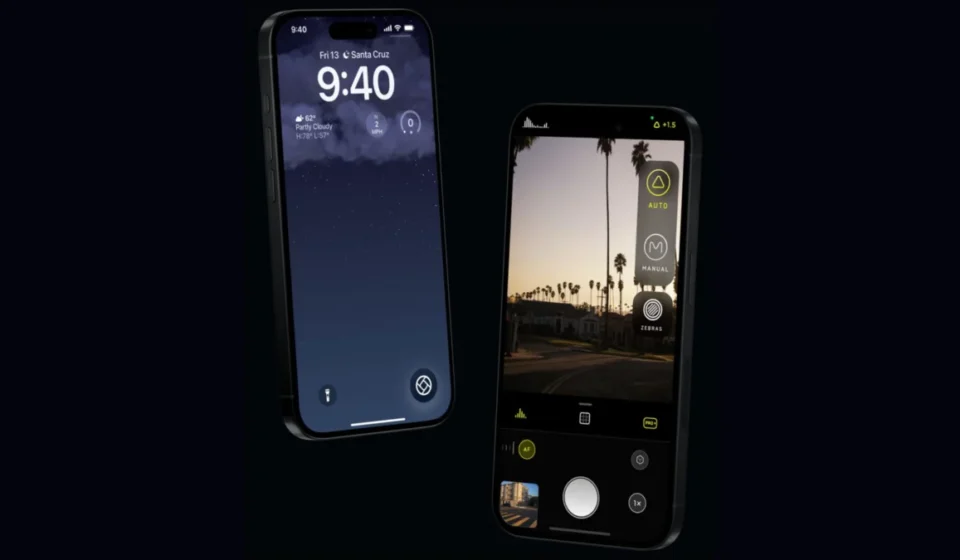
Apple Explores Acquisition of Halide Amidst iPhone 18 Pro Camera Ambitions, Leading to Bitter Legal Dispute

Apple’s ambitious plans to significantly upgrade the iPhone 18 Pro’s native Camera application reportedly led the tech giant to explore the acquisition of Lux Optics, the company behind the highly regarded third-party iPhone camera apps Halide, Kino, and Spectre. However, these acquisition talks, which took place in the summer of 2025, ultimately failed to materialize. The fallout from these collapsed negotiations has been severe, culminating in a contentious legal battle between the co-founders of Lux Optics, as detailed in a recent report by The Information. The dispute centers on allegations of financial misconduct and the improper transfer of intellectual property, casting a shadow over a potentially groundbreaking integration of advanced camera technology into Apple’s flagship device.
The Genesis of a Potential Partnership
Sources indicate that in the summer of 2025, Apple initiated discussions with Lux Optics, recognizing the startup’s expertise in mobile photography. The iPhone 18 Pro, slated for release in late 2026, is rumored to feature substantial enhancements to its built-in Camera app, aiming to rival professional-grade photography tools. Apple’s interest in acquiring Lux Optics stemmed from a strategic desire to leverage the company’s innovative software and deep understanding of computational photography to accelerate this development. The acquisition would have provided Apple with immediate access to a talented team and proven technology, potentially fast-tracking the integration of sophisticated camera features into iOS.
However, the discussions did not proceed to a definitive agreement. It is understood that Lux Optics’ co-founders, Ben Sandofsky and Sebastian de With, believed that the company’s value would increase following further development and updates to their popular applications. This assessment, coupled with differing expectations regarding valuation, likely contributed to the talks stalling. Despite the unsuccessful acquisition bid, Apple’s interest in Lux Optics’ intellectual property remained evident.
A Swift Recruitment and Escalating Tensions
Remarkably, just two months after the acquisition talks concluded without a deal, Apple actively began recruiting Lux Optics’ co-founder and designer, Sebastian de With. This move, seemingly independent of the acquisition, signaled Apple’s continued interest in de With’s talent and expertise. De With officially joined Apple’s design team in January, a move he publicly announced, highlighting his new role within the tech behemoth.
The departure of de With, however, was not amicable. Ben Sandofsky, the CEO and co-founder of Lux Optics, reportedly terminated de With’s employment in December 2025. The stated reason for the termination was financial misconduct. This internal conflict quickly spilled into the public domain, leading to formal legal action.
The Legal Battle Unfolds: Allegations and Counterclaims
The dispute reached a critical juncture when Sandofsky filed a lawsuit against de With in the California Superior Court of Santa Cruz. The lawsuit, which details serious allegations, accuses de With of improperly utilizing over $150,000 of Lux Optics’ company funds for personal expenses dating back to 2022. Furthermore, Sandofsky alleges that de With provided confidential company materials and source code from Lux Optics to Apple.
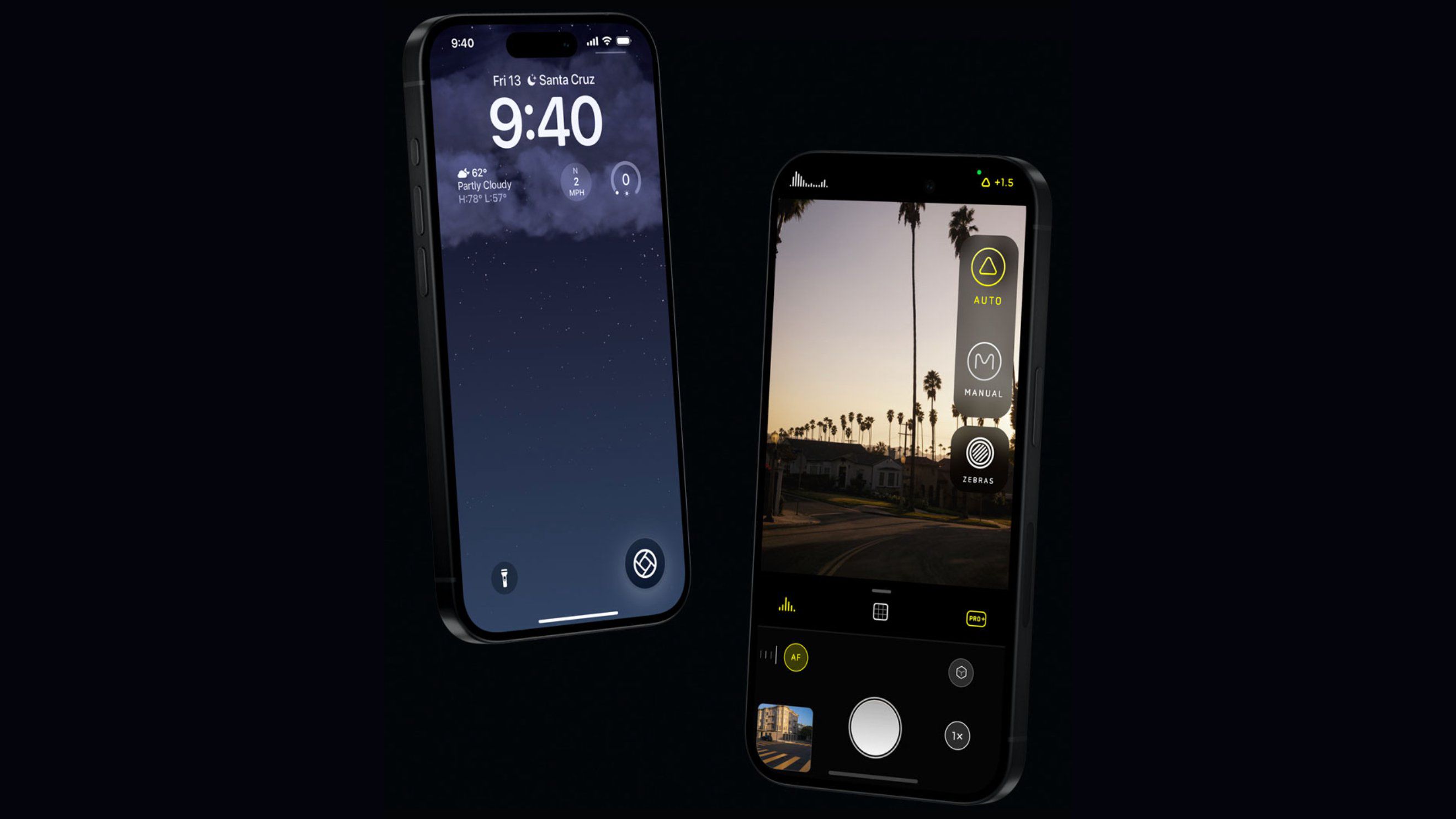
During the initial acquisition discussions, Apple representatives had reportedly emphasized the critical importance of Lux Optics’ intellectual property in their evaluation of the company. The desire to bolster the built-in Camera app was described as a "top priority for the company right now." The ambition for the iPhone 18 Pro to "match professional-grade cameras in terms of certain advanced features" underscored the need for a significant upgrade to Apple’s native photography software.
De With’s Defense and the Implied Motive
Representatives for Sebastian de With have vehemently denied the accusations, characterizing the lawsuit as "meritless." They assert that de With did not "use, transfer, or disclose any Lux intellectual property" in his new capacity at Apple. The legal team for de With has suggested that the lawsuit is a retaliatory measure. They claim that Sandofsky initiated legal proceedings only after de With raised concerns about alleged financial irregularities within Lux Optics and requested access to the company’s financial records and payment histories. This defense implies that the lawsuit is an attempt to silence de With and avoid scrutiny of Sandofsky’s alleged financial management.
It is important to note that Apple is not named as a defendant in this legal case and has not been accused of any wrongdoing. The current legal proceedings focus solely on the internal dispute between the co-founders of Lux Optics.
Broader Implications for Apple and the Mobile Photography Landscape
The failed acquisition and subsequent legal fallout have several potential implications. For Apple, the inability to acquire Lux Optics means they will likely need to continue developing their camera software internally or explore other avenues for technological enhancement. This could slow down their progress in achieving their ambitious goals for the iPhone 18 Pro’s camera capabilities. The reliance on internal development carries the risk of falling behind competitors who may be integrating more advanced third-party solutions.
The legal dispute also highlights the intense competition and high stakes within the mobile application development sector, particularly for companies specializing in areas like advanced camera technology. The value placed on intellectual property and proprietary algorithms is immense, as evidenced by Apple’s interest and the subsequent legal accusations. Startups operating in niche, high-demand fields often face scrutiny and intense pressure from larger corporations, both as potential acquirers and as competitors.
Furthermore, the allegations of financial impropriety and the transfer of confidential information raise important questions about due diligence and the ethical considerations involved in both corporate acquisitions and employee transitions. While Apple is not implicated, the circumstances surrounding de With’s departure and his subsequent employment with Apple will undoubtedly be a point of interest.
The future of Lux Optics, Kino, and Spectre remains uncertain as the legal battle unfolds. The outcome of the lawsuit could significantly impact the company’s operations, its reputation, and the future employment prospects of its co-founders. For consumers, the primary takeaway is the continuous drive by major technology firms to innovate and enhance core features like the smartphone camera. The competition to deliver professional-grade photography experiences directly from a handheld device is a key battleground in the ongoing smartphone wars, and the events surrounding Lux Optics underscore the complex and often contentious path to achieving such advancements. The iPhone 18 Pro, in particular, is positioned as a device where camera performance will be a central selling point, making Apple’s strategy in this area closely watched. The current situation suggests that Apple’s pursuit of cutting-edge camera technology is relentless, even if the path to integration involves unexpected detours and legal entanglements. The underlying technologies developed by companies like Lux Optics represent significant advancements in computational photography, a field that continues to redefine what is possible with mobile imaging. The potential for these innovations to be integrated into devices used by billions worldwide highlights their immense value and the intense interest they generate from industry giants.