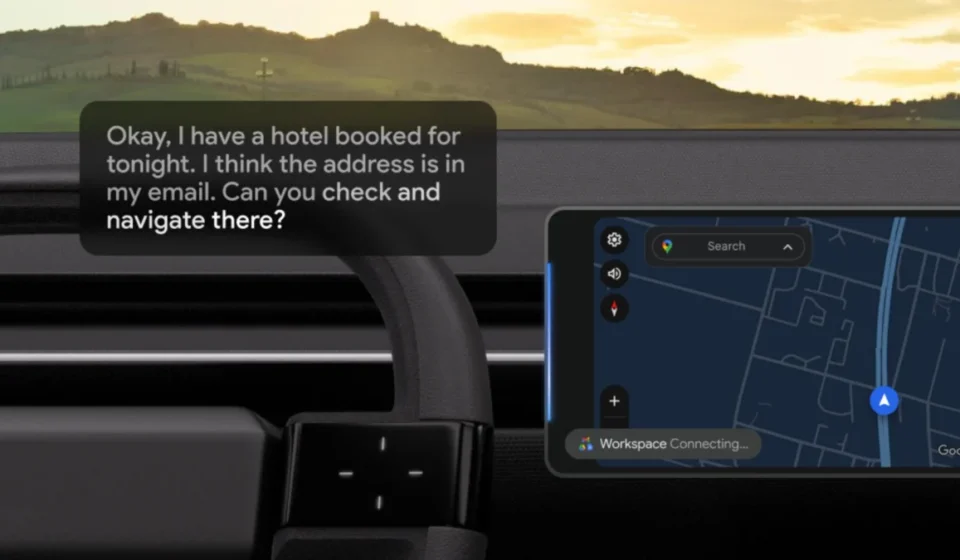
The Stalled Global Rollout of Gemini in Android Auto Raises User Frustration and Questions Over Implementation Pace

In November, Google announced the highly anticipated global rollout of Gemini, its advanced artificial intelligence model, to Android Auto, promising a significant enhancement to in-car infotainment systems. The tech giant had indicated that this groundbreaking feature would gradually expand its availability over the subsequent months, signaling a new era of intelligent voice assistance for drivers worldwide. However, as the promised window for widespread adoption has now effectively passed, the rollout appears to have been far less smooth or swift than initially projected, leaving a considerable segment of its user base still awaiting the upgrade.
The Promise of Gemini in Android Auto: A Leap Forward in In-Car AI
For years, Google Assistant has been an integral part of Android Auto, providing voice-activated control for navigation, music, messaging, and calls. Its functionality, while robust, was largely reactive and command-based. The introduction of Gemini, Google’s most capable and multimodal AI model, was heralded as a paradigm shift. Gemini, designed to understand and operate across various modalities—text, code, audio, image, and video—promised a more conversational, intuitive, and context-aware experience. In the context of Android Auto, this meant the potential for more natural dialogue, complex query processing, and seamless integration with a driver’s daily tasks, all while minimizing distraction and enhancing safety.
Google’s vision for Gemini in Android Auto extended beyond simple commands. It aimed to offer predictive assistance, proactive suggestions, and the ability to handle multi-step requests with greater sophistication. Imagine asking Gemini to find a specific playlist, navigate to a new restaurant while simultaneously checking its opening hours, and then sending an estimated arrival time to a contact, all through natural language. This level of integrated intelligence was expected to redefine the in-car experience, making every journey smoother, safer, and more productive. The initial announcements highlighted features such as improved contextual understanding for navigation, smarter message handling (e.g., summarizing long text threads or drafting nuanced replies), and enhanced control over media playback, all powered by Gemini’s superior language processing capabilities.
The Initial Announcement and High Expectations
The global rollout of Gemini in Android Auto was first officially announced by Google in November. The communication at the time was clear: Gemini was beginning its phased deployment across the globe, with an ambitious target of supporting 45 languages. This broad linguistic support underscored Google’s commitment to making its advanced AI accessible to a diverse international user base, reflecting the truly global nature of Android Auto’s adoption. The timeline provided — "over the following months" — naturally led users to anticipate that by early the subsequent year, a significant portion of eligible Android Auto users would have access to the new AI.
Enthusiasm was palpable within the Android community and among automotive tech enthusiasts. The prospect of moving beyond the sometimes-rigid structure of Google Assistant to a more fluid, intelligent conversational agent while driving was met with widespread excitement. Developers and tech journalists alike speculated on the transformative impact Gemini could have on road safety by reducing the need for manual interaction with infotainment systems, allowing drivers to keep their hands on the wheel and eyes on the road. This optimistic outlook was further fueled by Google’s ongoing efforts to integrate Gemini into various other products and services, positioning it as the future of AI interaction across its ecosystem.
A Rollout Mired in Delays: Widespread User Reports
Despite the initial fanfare and the passing of the anticipated rollout period, a stark reality has emerged: the widespread adoption of Gemini in Android Auto has not materialized. Across various online platforms, including numerous Reddit threads dedicated to Android Auto and the comment sections of Google’s official Gemini for Android Auto demo videos on YouTube, users from around the world are consistently reporting the absence of the feature.
These reports paint a clear picture of frustration and confusion. Users from diverse geographical locations, including the United States, various European countries, Australia, and other international markets, have voiced their disappointment. What makes these complaints particularly noteworthy is that many of these users explicitly state they have meticulously met all the presumed requirements for Gemini on Android Auto. This includes ensuring their smartphones are updated to the latest operating system versions, having the most current Android Auto application installed, and crucially, having already switched from Google Assistant to Gemini on their phone’s primary AI settings. Yet, despite these diligent efforts, their in-car experience remains anchored to the older Google Assistant, with no sign of the promised Gemini integration.
The sheer volume and consistency of these reports suggest that the issue is not isolated but rather indicative of a broader, systemic delay in the rollout process. The discrepancy between Google’s initial promise of a "global rollout" across "45 languages" and the current on-the-ground user experience highlights a significant gap in expectation versus reality.
Technical Hurdles and Server-Side Updates: Unraveling the Complexity
The reasons behind such protracted delays in a major feature rollout are often multifaceted, typically involving a complex interplay of technical challenges, infrastructure scaling, and strategic deployment decisions. One primary suspect in such scenarios is the nature of server-side updates. Unlike client-side app updates that users download directly, server-side changes are controlled entirely by the service provider, in this case, Google. This method allows for granular control, enabling companies to roll out features incrementally, test performance in real-world conditions, and quickly halt deployment if critical bugs are discovered.
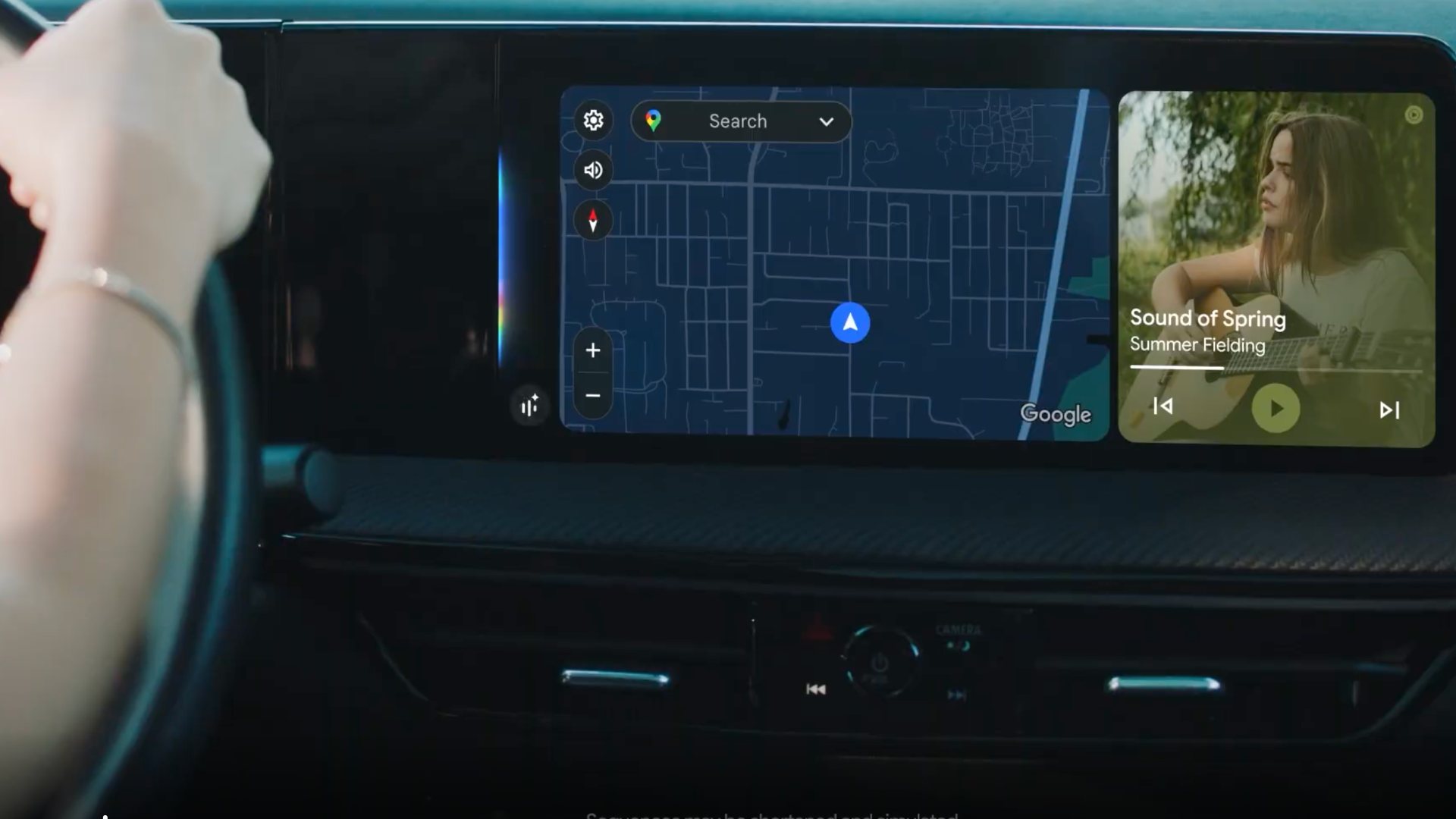
While server-side updates offer flexibility and risk mitigation, they also introduce unpredictability for the end-user. Features can appear or disappear without a clear update log, and availability can vary significantly even among users with identical hardware and software configurations. This approach is often employed for large-scale, complex integrations like Gemini, which demands robust backend infrastructure, sophisticated data processing capabilities, and real-time responsiveness, especially in a safety-critical environment like a vehicle.
Potential technical hurdles could include:
- Performance Optimization: Ensuring Gemini runs smoothly and responsively within the diverse array of Android Auto compatible vehicles, each with varying hardware capabilities and connectivity. Any latency or unreliability could be a major detriment to the user experience and, more importantly, safety.
- Integration Complexities: Tightly weaving Gemini’s advanced capabilities into Android Auto’s existing framework, which interfaces with vehicle systems, navigation, communication, and media, is a monumental task. Ensuring seamless transitions and avoiding conflicts with existing functionalities requires extensive testing.
- Localization and Language Models: While 45 languages were promised, the nuances of conversational AI for each language, particularly in different regional dialects and accents, require extensive training data and continuous refinement to avoid misinterpretations.
- Privacy and Security: Handling sensitive user data within a vehicle environment, especially with an advanced AI, necessitates stringent privacy protocols and robust security measures to prevent breaches.
- Infrastructure Scaling: Rolling out a demanding AI model globally requires immense cloud computing resources and network infrastructure to handle the simultaneous queries from millions of users, a challenge that can often lead to staged deployments.
Google’s Silence and Speculation
Compounding the frustration among users is the conspicuous lack of updated communication from Google regarding the status of the Gemini in Android Auto rollout. Since the initial announcement in November, there has been no further official statement or clarification from the company addressing the observed delays or providing a revised timeline. This silence has inevitably led to widespread speculation within the user community and among industry observers.
Without transparent updates, users are left to wonder about the reasons for the stagnation. Is Google encountering unforeseen technical difficulties? Is the rollout being conducted in extremely small, staggered batches for A/B testing purposes? Are there regional regulatory hurdles that are slowing down deployment in certain markets? Or has the company simply re-prioritized its deployment schedule without informing its user base?
The absence of an official explanation fosters a sense of uncertainty and can erode user trust. When a major feature is announced with a clear timeline, and that timeline passes without the feature materializing or without a public explanation, it can lead to a perception of a lack of transparency or even miscommunication. For a company like Google, which relies heavily on user engagement and satisfaction across its ecosystem, maintaining open lines of communication about product rollouts is crucial.
The Broader Implications for Google and In-Car AI
The delayed rollout of Gemini in Android Auto carries several significant implications, both for Google’s reputation and for the broader landscape of in-car artificial intelligence.
- Impact on User Trust and Brand Perception: For users eagerly awaiting enhanced in-car AI, the protracted delay can lead to frustration and disappointment. This can, in turn, affect their trust in Google’s promises regarding future feature rollouts and potentially dampen enthusiasm for other Gemini integrations. Consistency between announcement and delivery is vital for maintaining a strong brand image.
- Competitive Landscape: In the rapidly evolving automotive tech space, competition is fierce. Apple CarPlay continues to evolve, and many car manufacturers are investing heavily in their proprietary infotainment systems and AI integrations. Delays in bringing cutting-edge features like Gemini to Android Auto could give competitors an opportunity to gain ground, especially if they can deliver more reliable and timely AI enhancements.
- AI Leadership Narrative: Google has positioned Gemini as a cornerstone of its AI strategy and a testament to its leadership in artificial intelligence. A faltering or delayed rollout of a flagship Gemini integration in a prominent product like Android Auto could subtly undermine this narrative, creating questions about the company’s ability to translate its AI prowess into seamless, real-world product experiences at scale.
- Future of In-Car Experience: The vision of a truly intelligent, voice-controlled vehicle interior is predicated on reliable and advanced AI. If the foundational AI experiences like Gemini struggle with deployment, it could slow down the broader adoption and development of more sophisticated in-car AI features across the industry. Safety, convenience, and seamless integration are paramount for drivers, and any perceived friction in these areas can hinder progress.
- Developer Ecosystem: While not directly mentioned, a stalled rollout might also impact third-party developers who could be looking to integrate their services with Gemini’s advanced capabilities within Android Auto. Predictability in platform evolution is key for fostering a vibrant developer ecosystem.
Looking Ahead: The Path to Full Integration
For now, the situation remains in a holding pattern. While it is conceivable that Google is still enabling Gemini on Android Auto through an ongoing series of small, server-side updates and patches, the lack of any official updated communication leaves users and industry observers without a clear timeframe. The "next couple of months" window has unequivocally closed, yet widespread adoption is still a distant reality.
The path to full, global integration of Gemini into Android Auto likely involves continued backend optimizations, performance tuning across a wider array of devices and vehicles, and potentially addressing unforeseen bugs or user experience issues identified during initial, limited deployments. Google’s typical strategy for major feature rollouts often involves a slow, controlled release to a small percentage of users, gradually expanding as stability and performance are confirmed. It is possible that the complexities of Gemini’s advanced AI, coupled with the critical safety requirements of an in-car environment, necessitate an even more cautious approach.
Conclusion
As users worldwide continue to report their inability to access Gemini in Android Auto, the initial excitement surrounding its November announcement has been tempered by a growing sense of anticipation and, for some, frustration. The promise of a smarter, more intuitive driving experience powered by Google’s cutting-edge AI remains largely unfulfilled for many. Without clear communication from Google, the community is left to speculate on the reasons behind the delay and when, precisely, this transformative feature will finally see its true global rollout. For those still waiting for Gemini in Android Auto, the message is clear: you are not alone in this wait, and the exact timing for a change in this status quo remains elusive. The success of Gemini in the automotive sphere will ultimately hinge not just on its technological capabilities, but also on Google’s ability to execute a seamless and transparent deployment to its eager global user base.