Microsoft Surface PC Prices Surge Amidst Component Shortages and Shifting Market Dynamics

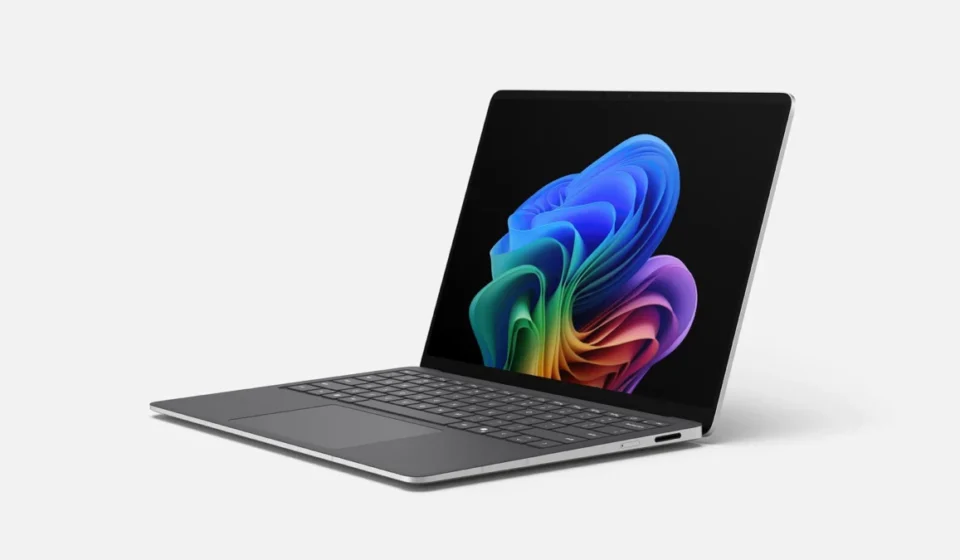
Microsoft has implemented a significant price increase across its entire Surface PC lineup, with most models now commanding hundreds of dollars more than at their initial launch. This adjustment, which has seen mid-range Surface devices surpass the $1,000 threshold and flagship configurations starting at $1,500, reflects a broader industry trend driven by escalating component costs and a recalibration of market positioning. The price hikes, first highlighted by Windows Central, represent a notable shift for Microsoft’s premium hardware division, impacting both its popular Surface Pro tablets and its versatile Surface Laptop series.
The Escalating Cost of Premium Computing
The price adjustments are substantial, affecting a wide spectrum of Surface devices. The 12-inch Surface Pro, previously the most accessible modern Surface PC at $799, now begins at $1,049. This marks a $250 increase for the entry-level configuration. More significantly, the flagship 512GB 13-inch Surface Pro has seen its price climb from $1,199 at its 2024 launch to $1,499. This represents a $300 jump for a device that has already experienced a price adjustment in 2025, underscoring the sustained upward pressure on costs. Notably, Microsoft has also discontinued the $999 256GB configuration for this model, further pushing consumers towards higher price points.
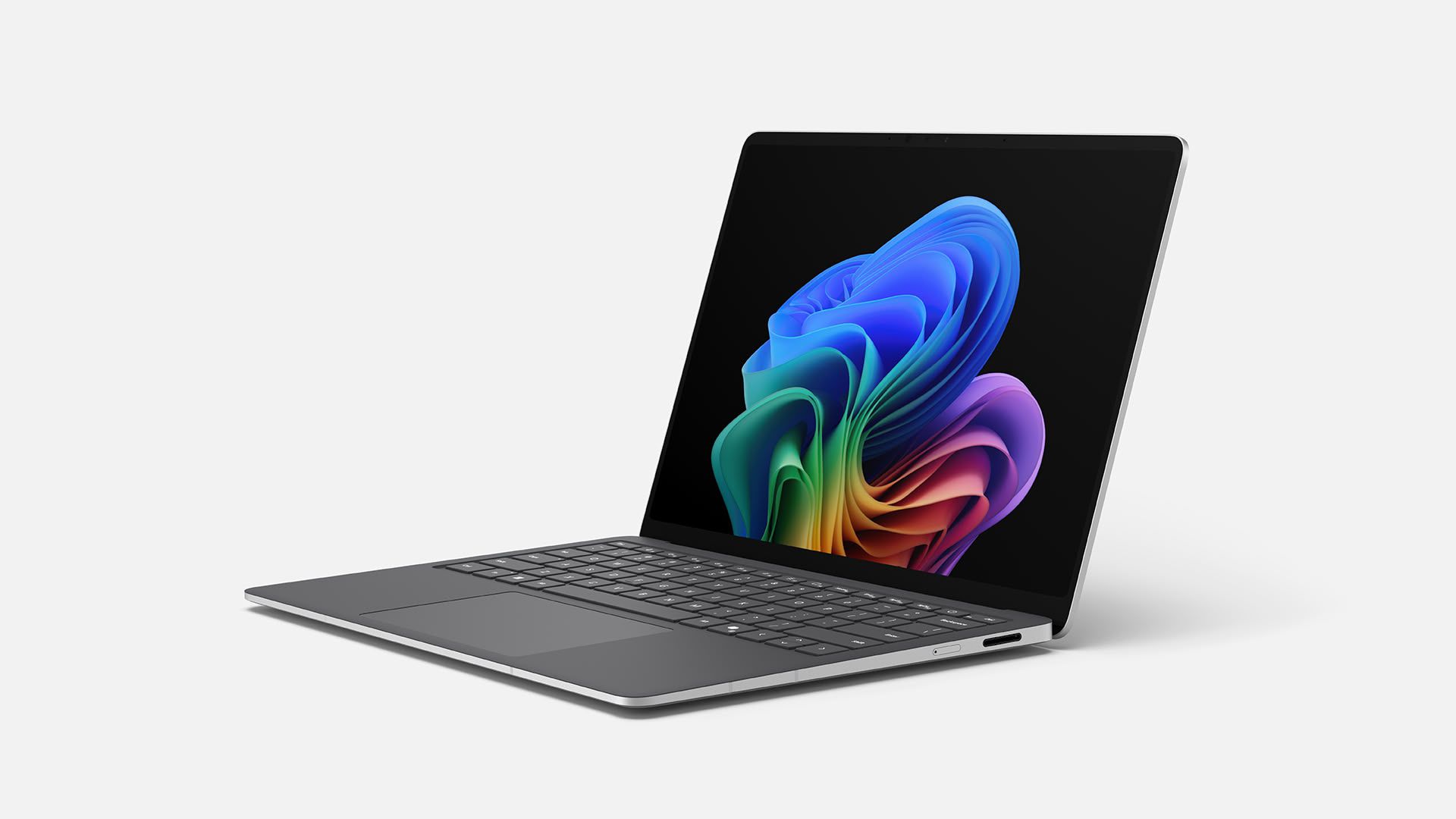
The Surface Laptop range has not been spared. The 13-inch model, which initially launched at $899, now starts at $1,149, a $250 increase. The larger 13.8-inch variant has seen an even more dramatic surge, escalating from a $999 starting price to $1,499, a $500 increase. The premium 15-inch Surface Laptop has also been subject to a significant uplift, moving from $1,299 to $1,599, a $300 jump. These figures paint a clear picture of a strategic repricing initiative by Microsoft, impacting nearly every segment of its premium portable computing offerings.
A Pattern of Price Adjustments and Market Realignment
The recent price increases are not entirely unprecedented for some of these models. The 13-inch Surface Laptop and the 13.8-inch and 15-inch Surface Laptop models, which originally debuted in 2024, had already seen price hikes in 2025. This current wave of increases marks a second adjustment for these devices. Meanwhile, the 13-inch Surface Pro models and the 13-inch Surface Laptop, which experienced a $300 price hike in this latest round, were introduced to the market in 2025. This suggests a compounding effect of rising costs and potentially a reassessment of their market value.
A particularly striking comparison emerges when examining the Microsoft Surface Laptop 7, a 13.8-inch model equipped with 16GB of RAM and 256GB of storage. Previously, this device was positioned as more affordable than its direct competitor, the MacBook Air, specifically the 256GB M4 model, by a margin of $100. However, following the recent price adjustments, this same Surface Laptop 7 configuration is now $400 more expensive than the 512GB M5-powered MacBook Air.
This comparison is made more complex by Apple’s own pricing strategy. Apple increased the starting price of the MacBook Air from $999 to $1,099 with the introduction of the M5 chip, a move that also coincided with an increase in base SSD storage. Despite this, Microsoft’s flagship laptop, which the company has marketed as "faster than a MacBook Air M4," now carries a significantly higher price tag, even when comparing against a higher-specced Apple offering.
The Widening Price Gap with Apple’s Mac Lineup
The implications of Microsoft’s pricing strategy extend to its competitive positioning against Apple. Across the board, from entry-level to high-end configurations, Surface Pro and Surface Laptop models have become more expensive than their direct Mac equivalents. This development is undoubtedly a favorable outcome for Apple, which has historically leveraged its premium pricing to signify superior build quality and ecosystem integration.
For instance, the high-end Microsoft Surface Laptop 7, configured with 64GB of RAM and a 1TB SSD, now retails for $3,649. This price point surpasses that of Apple’s 16-inch MacBook Pro, equipped with an M5 Pro chip, 64GB of RAM, and a 1TB SSD, which is priced at $3,300. Furthermore, performance benchmarks indicate that Apple’s M5 Pro chip significantly outperforms the Snapdragon X Elite processor found in Microsoft’s latest Surface Laptop 7, making the higher price for the Microsoft device even more pronounced in terms of perceived value.
Official Explanation: Acknowledging Component Cost Pressures
Microsoft has attributed the widespread price increases to "recent increases in memory and component costs." This statement from a Microsoft spokesperson aligns with a broader industry narrative of supply chain challenges impacting the production of consumer electronics. The global shortage of essential components, particularly high-bandwidth memory (HBM) and other advanced semiconductors, has created a bottleneck for manufacturers worldwide.
The Global Memory Shortage: A Driving Force
The current global memory shortage is a complex issue with far-reaching consequences for the technology sector. A primary driver of this scarcity is the surging demand for advanced memory chips from the artificial intelligence (AI) data center sector. Leading chip manufacturers are prioritizing production capacity for these high-demand, high-margin components, which are critical for powering the massive computational power required for AI model training and deployment.
This prioritization leaves limited manufacturing capacity available for consumer devices, including laptops, tablets, and smartphones. The result is a reduced supply of essential memory modules and other semiconductors, leading to increased procurement costs for device manufacturers like Microsoft and Samsung. Consequently, these increased input costs are being passed on to consumers through higher retail prices.
Broader Industry Trends and Future Outlook
Microsoft’s decision to increase its Surface PC prices occurs in parallel with similar moves by other major technology players. Samsung, for example, has also recently implemented price hikes for some of its smartphone models and its entire range of U.S. tablet offerings. This synchronized action by industry giants underscores the pervasive nature of the current component cost pressures.
Anticipating Future Product Launches
The upward trend in pricing is expected to continue. Reports from Windows Central suggest that Microsoft has new Surface PCs slated for release later this year. These upcoming devices are also anticipated to launch with the same elevated price points, indicating that the current cost environment is not a temporary anomaly but rather a new baseline for premium hardware.
Analysis of Implications: A Shifting Competitive Landscape
The sustained increase in Surface PC prices has several significant implications for both Microsoft and the broader consumer electronics market.
Impact on Market Share and Consumer Choice
By raising prices, Microsoft risks alienating some price-sensitive consumers who might have previously considered Surface devices as a premium yet accessible alternative to Apple’s offerings. This could potentially lead to a shift in market share, with consumers opting for more budget-friendly alternatives or delaying their purchase decisions. However, for those who value the integrated hardware and software experience that Microsoft aims to provide with its Surface line, the increased cost may be seen as a necessary investment.
Competitive Dynamics with Apple
The widening price gap between high-end Surface devices and comparable MacBooks could strengthen Apple’s competitive position. Apple has long commanded premium pricing, and this move by Microsoft may reinforce the perception of Apple products as occupying a distinct, higher-tier market segment. It also presents an opportunity for Apple to further emphasize its value proposition, particularly if its performance and build quality continue to be perceived as superior.
The Role of AI in Consumer Electronics Pricing
The prioritization of AI data center components over consumer electronics is a powerful illustration of how emerging technologies can directly influence the cost and availability of everyday devices. This trend highlights the intricate supply chain dynamics at play and the potential for significant disruptions as different sectors of the technology industry compete for limited manufacturing resources.
Microsoft’s Strategic Balancing Act
Microsoft is likely engaged in a careful balancing act. On one hand, it needs to recoup increasing component costs to maintain profitability and invest in future product development. On the other hand, it must remain competitive in a crowded market and ensure its Surface brand continues to resonate with its target audience. The company’s ability to justify these higher prices through continued innovation, performance enhancements, and compelling feature sets will be crucial for its success in the coming months and years. The success of future Surface iterations, particularly those leveraging new AI-integrated features, will be closely watched as indicators of how the company navigates this evolving market landscape.