Google’s Android 17 Beta 4 Unveils "Pixel Glow," Hinting at Revolutionary Rear Lighting Hardware for the Pixel 11 Series

The latest release of Android 17 Beta 4 has brought the mobile operating system closer to its stable public launch, and while user-facing alterations are minimal at this late stage of development, a significant under-the-hood discovery points towards a major hardware innovation for Google’s forthcoming Pixel 11 series. This revelation, dubbed "Pixel Glow," suggests that future Pixel devices could feature dedicated, subtle lighting elements on their rear panels, fundamentally altering how users receive notifications and interact with Google’s AI assistant, Gemini. This potential shift signals a renewed emphasis on ambient computing and unique hardware-software integration, setting the Pixel line apart in a highly competitive smartphone market.
The Evolution of Pixel Glow: From "Light Animations" to a Hardware Revelation
The journey to uncovering Pixel Glow began several weeks prior, with the release of Android 17 Beta 2. During that phase, initial development efforts were identified referencing a feature tentatively named "Light animations." At the time, details were sparse, and the functionality remained largely a mystery, with the only notable clue being a potential codename, "Orbit." This early mention piqued the interest of developers and tech enthusiasts alike, suggesting Google was experimenting with novel forms of user interaction or notification alerts beyond the conventional screen or single-LED indicators.
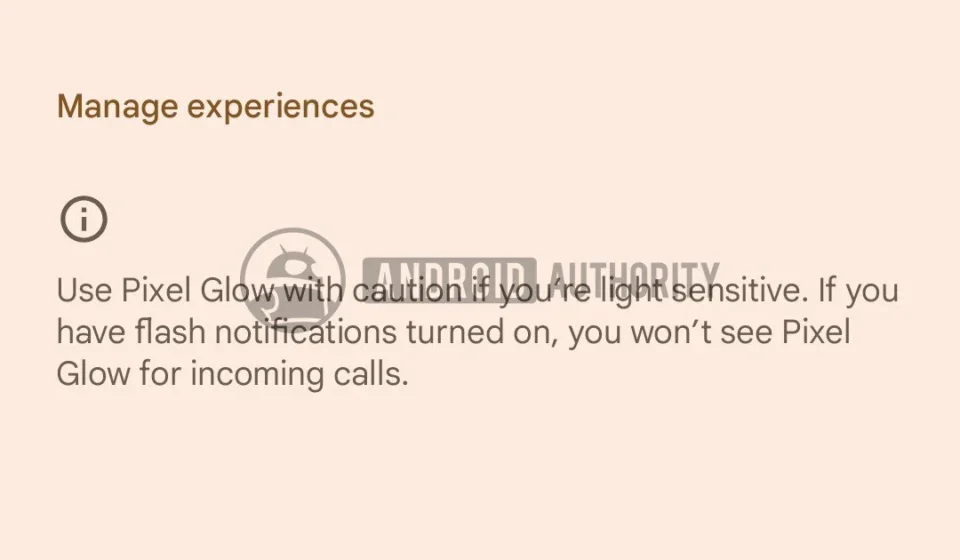
The picture became considerably clearer with the recent rollout of Android 17 Beta 4. Google has not only provided a definitive name for this intriguing feature – "Pixel Glow" – but has also embedded strings of text within the beta build that illuminate its purpose and capabilities. These internal code strings reveal that Pixel Glow is designed to utilize "subtle lights and color" on the back of the device, particularly when the phone is placed face down. This orientation is crucial, as it implies a system designed to provide discreet, non-intrusive information without requiring the user to flip their device or constantly check their screen.
One of the primary functionalities outlined for Pixel Glow is its role in notification management. Specifically, it is slated to offer visual alerts for incoming calls from "favorite contacts." This means that users could receive a distinct, subtle light pattern or color emanating from the rear of their Pixel device, signaling an important call without the disruptive nature of a full-screen notification or a loud ringtone. The emphasis on "subtle" is a recurring theme within the discovered code, suggesting Google’s intention to create an elegant and unobtrusive notification experience rather than a flashy, attention-grabbing display.
Beyond calls, Pixel Glow is also deeply integrated with Google’s artificial intelligence assistant, Gemini. The code strings explicitly mention "Hands-free interactions using visual feedback" and "Whether subtle lights should be shown when interacting with Gemini (when the Pixel Glow feature is enabled)." This suggests that Pixel Glow will offer visual cues during conversations or commands given to Gemini, potentially indicating when the assistant is listening, processing a request, or delivering a response. This integration aligns perfectly with Google’s broader strategy of embedding Gemini across its ecosystem, making AI interactions more intuitive and visually engaging. The rainbow glow often associated with Gemini’s branding could potentially be translated into dynamic lighting patterns on the device’s rear, providing a consistent visual language for AI interaction.
Unpacking the "Hardware Lights" Mandate: A Glimpse into Pixel 11 Design
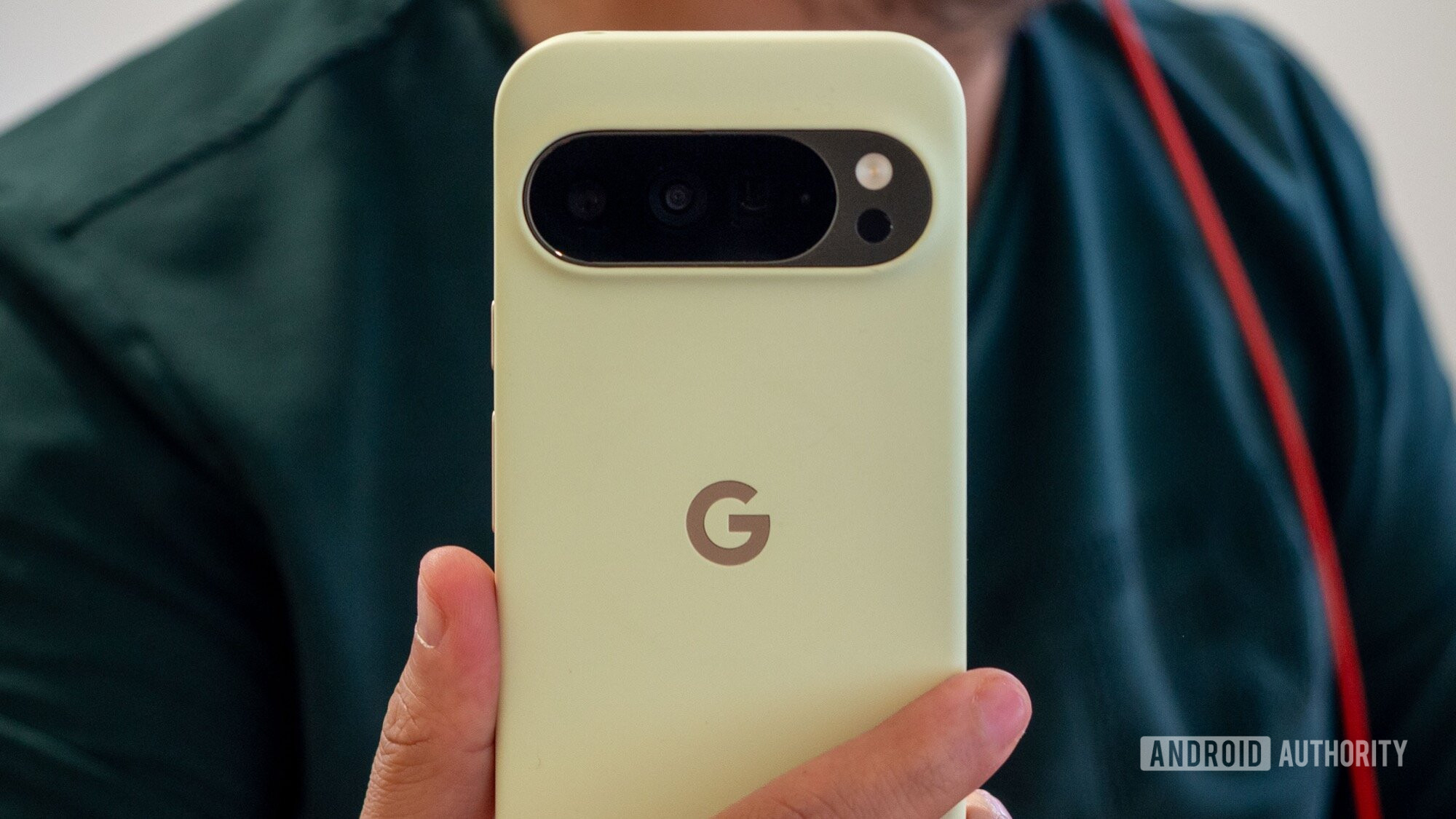
Perhaps the most significant and intriguing piece of information unearthed in Android 17 Beta 4 is a simple yet profound code string: "The device must have hardware lights." This statement is a direct confirmation that Pixel Glow is not merely a software trick utilizing existing components like the camera flash or screen edge lighting. Instead, it mandates the presence of dedicated, new lighting hardware on the device itself. This is a monumental implication, suggesting a fundamental design change for the upcoming Pixel 11 series.
Current CAD-based renders of the Pixel 11, which often surface months before official announcements, have not yet revealed any obvious new lighting components on the rear panel. However, it is entirely plausible that these early renders, typically based on dimensions and major component placements, would not necessarily expose a subtly integrated new hardware element. The "subtle" nature of Pixel Glow could mean that these lights are seamlessly integrated into the device’s aesthetic, perhaps as micro-LEDs embedded within the glass back, flexible light strips concealed within the camera bar, or even discreet patterns that only illuminate when active.
The camera bar, a distinctive design element of recent Pixel phones, presents a logical location for such an integration. Its horizontal expanse across the upper rear of the device could house an array of lights without drastically altering the phone’s established visual identity. Alternatively, the lights could be diffused beneath the entire rear panel, creating a more ambient glow. This would represent a departure from Google’s previous approach to notifications, such as the "Flash Notifications" introduced in Android 14, which simply repurposed the screen or the camera’s LED flash for alerts. Pixel Glow, with its dedicated hardware, promises a far more sophisticated and intentional lighting system.
The engineering challenge and design implications of incorporating dedicated hardware lights are considerable. It involves careful consideration of power consumption, heat dissipation, durability, and aesthetic integration. Google’s choice to invest in this hardware suggests a strong belief in the user experience benefits that Pixel Glow can deliver, distinguishing the Pixel brand from competitors who largely rely on screen-based notifications. The "hardware lights" mandate elevates Pixel Glow from a mere software feature to a core architectural component of the next-generation Pixel smartphone.
Beyond the Horizon: Pixel Glow in the Context of Smartphone Innovation
The introduction of dedicated rear lighting on a mainstream smartphone like the Google Pixel immediately draws comparisons to existing innovations in the mobile industry, particularly the Glyph Interface found on Nothing Phone devices. Nothing, a relatively new entrant to the smartphone market, has made its transparent design and customizable rear LED lighting a signature feature. The Glyph Interface on Nothing Phones allows users to program unique light patterns for notifications, charging status, timers, and even third-party app interactions, offering a visually distinct way to engage with their device.
While both Pixel Glow and the Glyph Interface utilize rear lighting for ambient information, Google’s repeated emphasis on "subtle" lights suggests a potentially different philosophy. Nothing’s approach tends to be more pronounced and visually expressive, often making the lighting a central aesthetic feature. Google, conversely, might be aiming for a more understated, functional enhancement that blends seamlessly into the user experience without drawing excessive attention. This aligns with the Pixel brand’s often minimalist design language and focus on intuitive, intelligent features.
Another point of comparison, albeit a contrasting one, comes from the realm of gaming phones. Devices from brands like RedMagic often feature prominent RGB lighting on their rear panels, designed for bold visual flair and to enhance the gaming aesthetic. These lights are typically bright, customizable, and meant to stand out. Pixel Glow, by all indications, is moving in the opposite direction, prioritizing utility and ambient awareness over flashy aesthetics. The goal appears to be providing information at a glance, respectfully, rather than creating a spectacle.
Historically, notification LEDs were a common feature on smartphones, offering a simple blinking light for missed calls or new messages. However, as screens grew larger and always-on displays became prevalent, these dedicated LEDs largely faded from prominence. Pixel Glow represents a modern reinterpretation of ambient notification, moving the visual cue to the rear of the device and leveraging advanced lighting technology for a richer, more customizable experience. It signifies Google’s attempt to innovate in areas where traditional notification methods have become somewhat static. This move could be seen as part of Google’s broader "ambient computing" vision, where technology recedes into the background, providing information and assistance unobtrusively, often without requiring direct screen interaction.
Pixel Glow’s Core Functionalities: Smart Notifications and Gemini Integration
The disclosed functionalities of Pixel Glow highlight its potential as a sophisticated tool for managing digital interactions. The ability to provide "subtle lights when your favorite contacts call you" addresses a common pain point for users: staying connected to important individuals without being constantly bombarded by notifications. In a world where phone addiction and digital fatigue are growing concerns, a discreet visual cue for priority calls allows users to keep their phone face down, reducing distractions while still remaining accessible to those who matter most. This feature could be particularly valuable in professional settings, during family time, or simply for individuals seeking to cultivate a more balanced relationship with their device.
The integration with Gemini is another compelling aspect. As Google increasingly positions Gemini as a central hub for AI interactions across its hardware and software, providing intuitive visual feedback becomes crucial. Imagine a scenario where a user issues a voice command to Gemini while their phone is on a table, face down. Instead of having to pick up the phone to confirm that Gemini heard the command or is processing it, Pixel Glow could emit a specific light pattern or color, confirming the interaction without interruption. This hands-free visual feedback enhances the seamlessness of AI assistance, making interactions more fluid and less reliant on auditory or explicit screen-based cues. This directly supports Google’s push for AI to be a more natural, conversational, and integrated part of daily life.
While not explicitly detailed in the current beta strings, the mention of "subtle lights and color" strongly implies a degree of user customization. It is highly probable that users will be able to assign different colors or light patterns to various notification types, specific contacts, or even different Gemini states (e.g., listening, thinking, responding). This level of personalization would empower users to tailor Pixel Glow to their individual preferences and needs, further enhancing its utility and making it a truly personal feature. Such customization is a hallmark of modern smartphone interfaces and would be a natural extension of Pixel Glow’s capabilities.
From a technical standpoint, the implementation of "subtle" lights suggests a focus on energy efficiency. While any new hardware component will draw power, Google’s engineering prowess, combined with the power-efficient nature of modern LEDs, should ensure that Pixel Glow’s impact on battery life is minimal. The system would likely be intelligently managed by the Tensor chip, activating only when necessary and utilizing low-power states to preserve battery longevity.
Strategic Implications and the Road Ahead for Pixel
The potential introduction of Pixel Glow represents a strategic move by Google to differentiate its Pixel series in an increasingly crowded and commoditized smartphone market. As hardware specifications across flagship devices converge, unique software-hardware integrations become critical battlegrounds for innovation. Pixel Glow offers a distinctive user experience that competitors currently lack, providing a compelling reason for consumers to choose a Pixel device. It positions the Pixel as a leader in ambient computing, offering thoughtful, unobtrusive interactions that enhance daily life.
This feature underscores Google’s commitment to deep hardware-software synergy. The effective functioning of Pixel Glow will rely heavily on the seamless integration of dedicated lighting hardware with the Android operating system and Google’s AI capabilities. This holistic approach, often cited as an advantage for companies that control both hardware and software (like Apple), allows Google to create unique experiences that might be challenging for Android OEMs relying solely on the open-source platform. The Tensor chip, specifically designed to accelerate AI and machine learning tasks, would undoubtedly play a pivotal role in managing the intelligence behind Pixel Glow’s animations and responses.
Looking ahead, the concept of dedicated rear lighting could potentially extend beyond basic notifications. One could envision future iterations where Pixel Glow integrates with media playback, gaming, or even health and wellness applications, offering visual feedback in novel ways. The possibilities for creative and functional applications are vast, potentially laying the groundwork for a new paradigm in smartphone interaction.
As Android 17 moves towards its stable release, and the anticipated launch of the Pixel 11 series draws closer, the tech community will undoubtedly be scrutinizing every detail for further clues about Pixel Glow. The official unveiling will reveal the final design, precise functionalities, and how Google intends to market this intriguing new feature. Until then, the discovery in Android 17 Beta 4 serves as a tantalizing glimpse into what could be a genuinely innovative step for the Google Pixel ecosystem.
An APK teardown helps predict features that may arrive on a service in the future based on work-in-progress code. However, it is possible that such predicted features may not make it to a public release.