Google Expands Android Canary 2604 Availability to Older Pixel Devices, Unveiling Early Android 17 Features

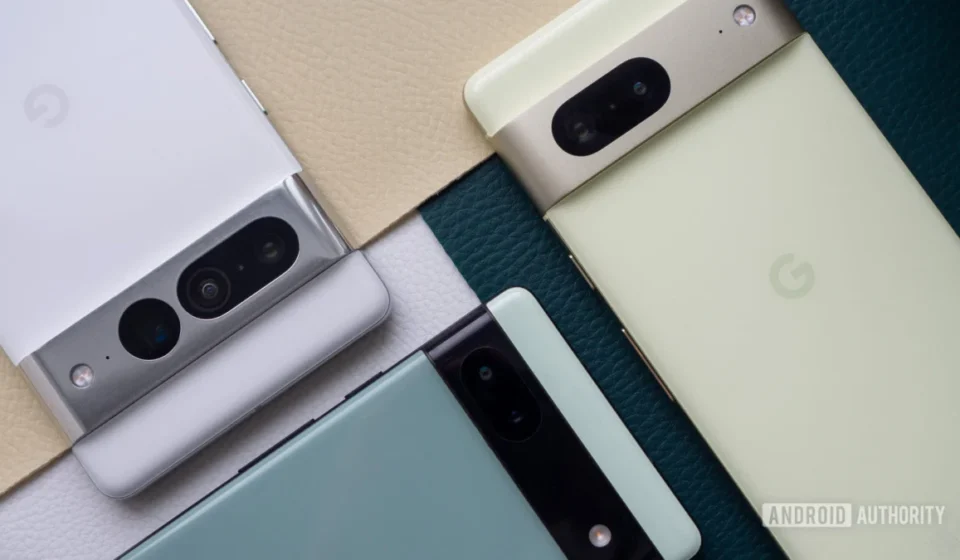
Google has officially broadened the availability of its highly experimental Android Canary build, version 2604 (ZP11.260320.007), to encompass a wider range of Pixel devices, including the Pixel 6 series, Pixel 7 series, Pixel Fold, and Pixel Tablet. This expanded rollout, confirmed on Friday, April 17, marks a significant development for developers and dedicated Android enthusiasts eager to test cutting-edge features and behavioral changes slated for future Android iterations, likely Android 17. Initially, the Canary build was restricted to the more recent Google Pixel 8 series and subsequent models, with Google indicating that support for older eligible devices would follow. This update delivers on that promise, allowing a larger segment of the Pixel user base to engage with the earliest stages of Android development, albeit with substantial caveats regarding stability and data integrity.
Understanding Android Canary: The Vanguard of Android Development
To fully appreciate the significance of the Android Canary 2604 rollout, it is essential to understand the intricate hierarchy of Google’s Android pre-release programs. Android development follows a multi-stage process designed to refine the operating system before its stable public release. This typically begins with Developer Previews, which offer initial insights into new APIs and platform changes, primarily for app developers. These are followed by Beta builds, which are more stable and include a broader set of features, inviting wider public testing.
The Android Canary channel, however, represents the absolute bleeding edge of this development cycle. It is the most experimental tier, offering access to pre-release Android APIs and fundamental behavior changes that are still very much "in development." Unlike Developer Previews or Betas, Canary builds are characterized by their inherent instability, potential for bugs, and incomplete feature sets. They are, by design, not intended for daily drivers or primary devices. Their primary purpose is to allow Google’s internal teams and a select group of highly technical external developers to test foundational changes and new functionalities at the earliest possible stage, providing critical feedback that shapes the final product.
Historically, Google has utilized various channels for early access. The evolution from early SDK releases to more structured Developer Preview and Beta programs reflects a commitment to a more transparent and collaborative development process. The introduction and continued operation of the Canary channel underscore Google’s strategy to iterate rapidly and gather feedback on nascent features before they become part of more polished beta releases. The features observed in Canary builds are often raw, subject to significant alteration, or even complete removal before reaching a stable Android version. This fluid nature is precisely why Google issues strong warnings against installing Canary builds on devices crucial for daily use.
The Initial Limited Rollout and Subsequent Expansion
The journey of Android Canary 2604 began earlier this week when Google first made the experimental build available. However, this initial release was notably constrained, limited exclusively to Google’s latest flagship devices: the Pixel 8 and Pixel 8 Pro. This phased approach is not uncommon in software development, allowing developers to monitor initial feedback and address critical issues on a smaller, more controlled hardware set before broader distribution. At the time of the initial release, Google acknowledged the exclusion of older yet still supported Pixel devices, explicitly stating that OTA images for the Pixel 6 series, Pixel 7 series, Pixel Fold, and Pixel Tablet would be made available at a later date.
This past Friday, April 17, marked the fulfillment of that commitment. The expanded rollout was officially confirmed by Mishaal Rahman, a highly respected independent developer and authority on Android system insights, via a post on X (formerly Twitter). Rahman’s announcement quickly disseminated the information throughout the Android developer community and among power users. This confirmation was swiftly followed by updates to Google’s official channels, including the Android Flash Tool and the Android Canary subreddit, making the relevant OTA images and factory images accessible for the broader range of eligible devices.
The decision to expand availability to a wider array of devices, particularly those from the Pixel 6 and Pixel 7 generations, is significant. These devices represent a substantial portion of the active Pixel user base. By including them in the Canary program, Google significantly increases the diversity of hardware configurations on which these experimental features can be tested. This broader testing environment helps identify potential compatibility issues, performance bottlenecks, and unexpected behaviors across different generations of Google’s Tensor processors and display technologies, providing invaluable data for the operating system’s refinement.
Noteworthy Features and User Experience Adjustments in Canary 2604
Android Canary 2604 introduces several intriguing, albeit minor, user interface (UI) and user experience (UX) adjustments that offer a glimpse into Google’s ongoing design philosophy for future Android iterations. While highly experimental and subject to change, these alterations provide concrete examples of the kind of foundational shifts being explored.
One of the most immediate changes observed in Canary 2604 is a refinement in notification management. The traditional "No notifications" message, which appears when a user has cleared all pending alerts, has been replaced with a more positive and visually engaging "You’re all caught up" greeting. This new message is further enhanced by a trophy icon, aiming to create a sense of accomplishment and clarity for the user. This seemingly minor tweak reflects a broader trend in UI design towards more encouraging and less ambiguous user feedback, potentially reducing user frustration and improving overall sentiment when interacting with the notification system. The psychological impact of such small design choices can be substantial, contributing to a more pleasant and intuitive user experience.
Another significant area of modification concerns the app menus that appear when an app icon is long-pressed on the home screen. In Canary 2604, these menus have undergone a significant condensation. The initial menu is now presented in a more compact form, featuring a "Shortcuts" button. Tapping this button expands the menu, revealing additional options and functionalities associated with the app. Furthermore, this expanded menu introduces an "Actions" button, which, when pressed, unveils even more granular features and contextual actions.
This tiered approach to app menus represents a strategic effort to declutter the user interface and improve discoverability of features without overwhelming the user upfront. In an era where apps offer an increasingly vast array of functions, presenting all possible options immediately can lead to cognitive overload. By introducing a hierarchical structure with "Shortcuts" and "Actions" buttons, Google is experimenting with a design that prioritizes frequently used options while still providing access to less common but equally important functionalities. This could lead to a cleaner home screen experience and a more efficient workflow for users who leverage app shortcuts extensively. It also suggests a focus on intelligent contextual menus that adapt to user behavior and preferences, a common goal in modern mobile OS design.
Risks and Recommendations for Installation
Given its highly experimental nature, Android Canary 2604 comes with stringent warnings regarding its installation and use. Google, through its official announcement channels and support forums, consistently reinforces that this build is not suitable for devices that users rely on for daily communication, work, or critical tasks. The primary risks associated with installing a Canary build include:
- Instability and Bugs: Canary builds are pre-release software, meaning they are inherently unstable. Users can expect frequent crashes, unexpected app behavior, battery drain issues, and potential hardware malfunctions.
- Data Loss: Manually installing the Android Canary 2604 build, particularly when switching from a stable channel, often necessitates a complete data wipe. Furthermore, reverting from a Canary build to a stable Android version will always require a full data wipe. This means all personal data, apps, and settings will be erased, underscoring the importance of comprehensive backups if one chooses to proceed.
- Locked Release Channel: Once a device is flashed with a Canary build, it becomes locked into the Canary release channel for future over-the-air (OTA) updates. This means the device will continue to receive experimental Canary builds, not stable Android releases, until a manual flash back to a stable build is performed.
- Security Vulnerabilities: As development software, Canary builds may not have the same level of security patching and hardening as stable releases, potentially exposing the device to unforeseen vulnerabilities.
For those who understand and accept these significant risks, and who possess a spare Pixel device (preferably a Pixel 6 series or newer) not critical for daily use, the installation process typically involves the Android Flash Tool. This web-based tool simplifies the flashing process, allowing users to select the desired build and install it onto their connected Pixel device. After a successful initial flash, subsequent Canary updates are expected to arrive via OTA, streamlining the update process within the experimental channel. Google’s official Android Canary 2604 announcement post on Reddit explicitly advises caution, highlighting that many features are actively under development and likely to contain issues affecting usability.
Broader Implications for the Android Ecosystem
The expanded availability of Android Canary 2604 carries several broader implications for the Android ecosystem, particularly for developers and the trajectory of future Android versions.
Firstly, providing early access to a wider range of hardware is a boon for application developers. As new Android APIs and behavior changes are introduced, developers need to test their applications against these evolving standards. The Pixel 6 and 7 series, with their distinct Tensor G1 and G2 chipsets, offer different performance profiles and hardware capabilities compared to the Tensor G3 in the Pixel 8 series. Testing on this diverse set of devices allows developers to identify and address compatibility issues much earlier in the development cycle, ensuring their apps function smoothly across various Pixel hardware generations when the stable Android version eventually rolls out. This proactive approach helps mitigate fragmentation challenges and improves the overall quality of third-party applications.
Secondly, the insights gleaned from Canary builds directly influence the direction of Android’s development. User feedback, bug reports, and performance data collected from this experimental channel are invaluable to Google’s engineering teams. These early insights can lead to significant refinements, feature re-prioritization, or even the scrapping of certain experimental concepts before they consume substantial resources in later development stages. This agile feedback loop is crucial for building a robust and user-centric operating system.
Furthermore, the features observed in Canary builds, such as the revised notification message and the condensed app menus, offer a window into Google’s long-term vision for Android’s user interface and interaction paradigms. While these specific implementations might change, they signal a continued commitment to enhancing user clarity, reducing visual clutter, and optimizing navigation. Such early glimpses allow accessory manufacturers, custom ROM developers, and other ecosystem partners to anticipate future design trends and begin planning their own integrations or adaptations.
Looking Ahead: The Road to Stable Android 17
Android Canary 2604 is merely an initial waypoint on the long and iterative path toward the next stable Android release, which, based on Google’s typical release cadence, is widely anticipated to be Android 17. The current timeline for Android development usually sees Developer Previews begin in early spring, followed by several Beta releases throughout the summer, culminating in a stable release in late summer or early autumn. Canary builds, existing in parallel, often precede even the earliest Developer Previews, testing concepts that may or may not make it into the more public-facing development phases.
The features unveiled in Canary 2604, while indicative of current internal development, are far from final. They will undergo extensive testing, refinement, and potentially significant alterations before they are deemed stable enough for a public beta, let alone a final release. The "You’re all caught up" message and the tiered app menus are examples of UX experiments that could evolve substantially or be integrated into broader design language changes.
The availability of Canary 2604 for a wider array of Pixel devices underscores Google’s commitment to a robust, community-driven development process. It empowers a larger group of technically adept users and developers to contribute to the future of Android, providing crucial feedback that shapes the operating system’s evolution. As Google continues to push the boundaries of mobile operating system design and functionality, these early experimental builds serve as critical proving grounds for the innovations that will define the Android experience for millions worldwide.
In conclusion, the expanded rollout of Android Canary 2604 is a significant development for the Android ecosystem. It not only democratizes access to the earliest, most experimental features of a future Android version for a broader Pixel user base but also reinforces the collaborative spirit of Android development. While the risks associated with these builds remain substantial, their availability provides invaluable insights and opportunities for engagement, helping to sculpt the next generation of Google’s ubiquitous mobile operating system.