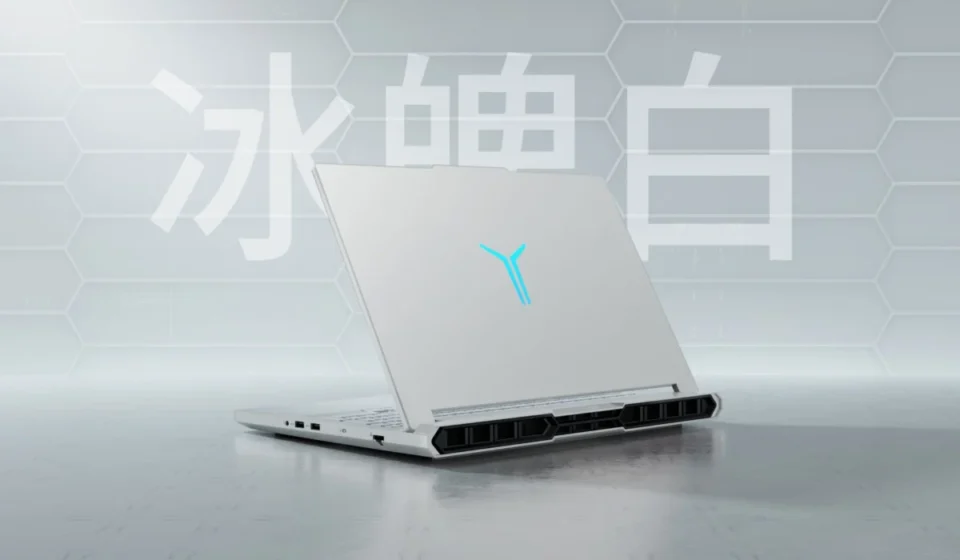
TCL’s inkjet-printed OLED technology finally reaches a commercial laptop through Lenovo

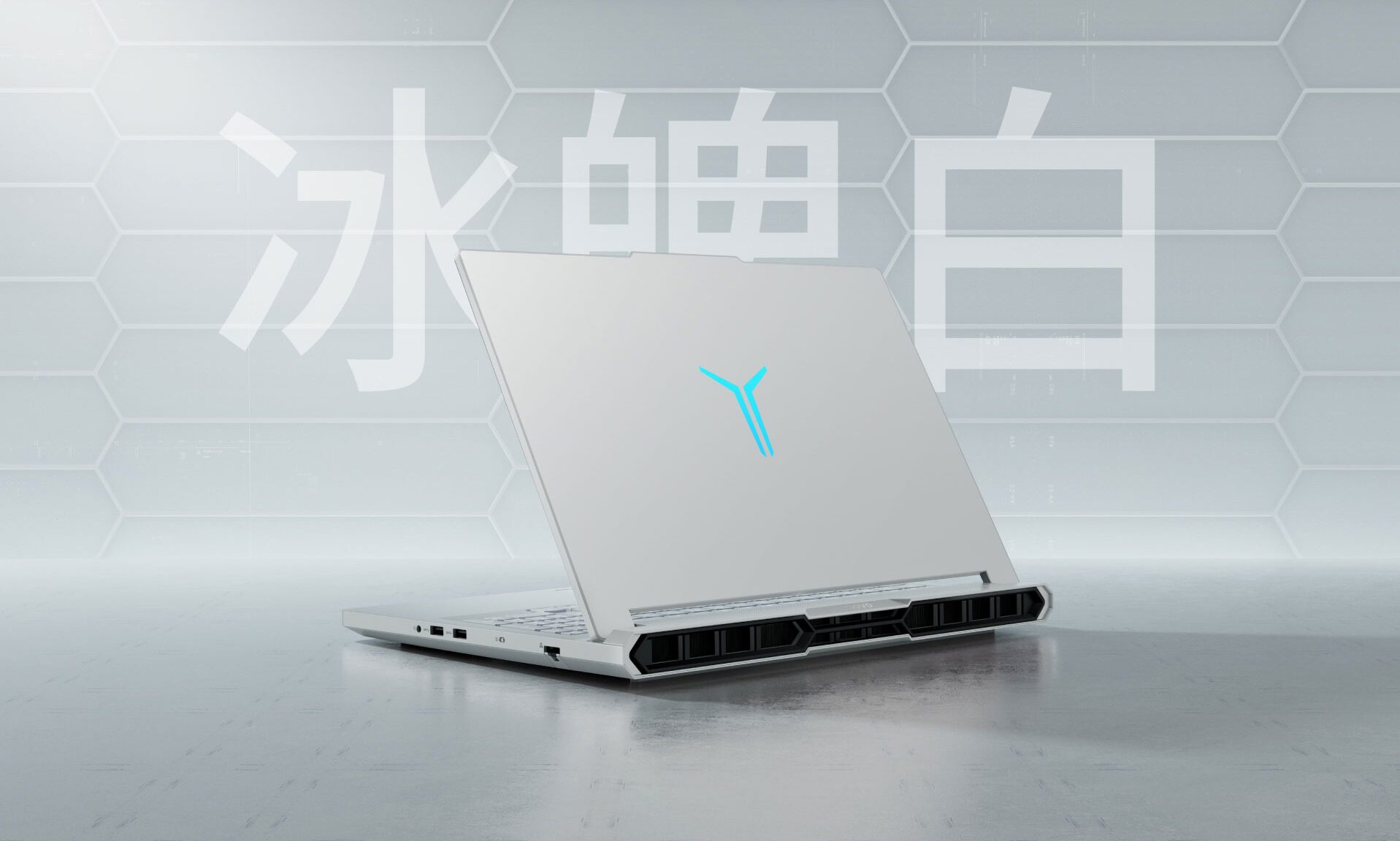
TCL has long championed inkjet-printed OLED (IP-OLED) as a transformative manufacturing process poised to revolutionize display technology. For years, the company has articulated a vision where IP-OLED would not only enhance image quality, efficiency, and lifespan but also significantly reduce manufacturing costs. In 2024, TCL showcased prototype laptop panels, hinting at a "comprehensive breakthrough" that would usher in a new era for commercial OLED products. Now, approximately two years later, this advanced display technology has made its commercial debut in a high-performance gaming laptop: the Lenovo Legion R9000P. This integration marks a pivotal moment, bringing TCL’s vision from the laboratory to the consumer market.
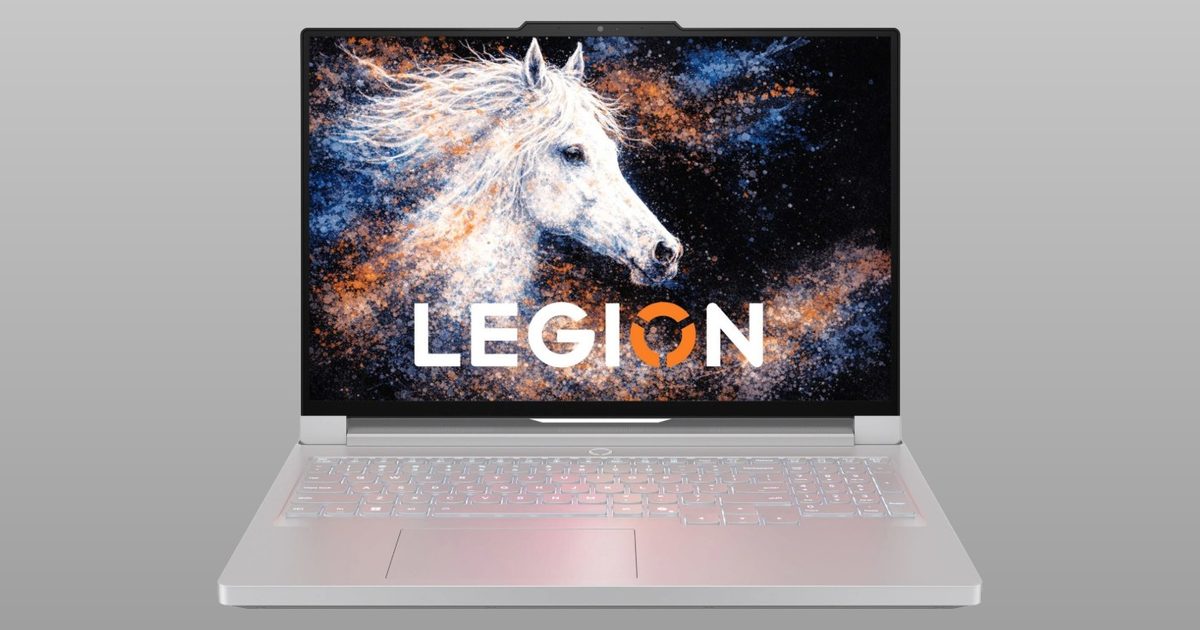
The Lenovo Legion R9000P features a 16-inch panel that TCL CSOT, the company’s display division, has officially recognized as the world’s first inkjet-printed OLED display integrated into a laptop. This development signifies a significant leap forward in display manufacturing, moving away from traditional, more complex methods towards a potentially more scalable and cost-effective solution. The implications for the broader electronics industry, particularly for the production of high-quality displays in devices ranging from laptops to monitors and potentially even televisions, are substantial.
The Innovation Behind Inkjet-Printed OLED
Traditional OLED manufacturing relies on a subtractive process involving vacuum deposition and highly precise metal masks to pattern the light-emitting organic materials. This method, while effective in producing stunning visuals, is inherently complex, resource-intensive, and contributes significantly to the overall cost of OLED panels. The precision required necessitates expensive, large-scale vacuum equipment, and the deposition process can lead to material waste.
In contrast, inkjet printing offers a fundamentally different approach. Analogous to how an inkjet printer applies ink to paper, this technology deposits the organic light-emitting materials directly onto the display substrate in precise, controlled patterns. This additive manufacturing technique promises several key advantages:
- Reduced Material Waste: By depositing material only where it’s needed, inkjet printing minimizes waste, leading to more efficient use of expensive organic compounds.
- Simplified Manufacturing Process: The reliance on less specialized equipment, such as inkjet printheads rather than complex vacuum chambers, could streamline production lines and reduce capital expenditure.
- Potential for Lower Costs: TCL has previously estimated that IP-OLED manufacturing could lead to a reduction of up to 20% in total production costs. This cost efficiency is crucial for making OLED technology more accessible across a wider range of consumer electronics.
- Improved Efficiency and Lifespan: The precise control offered by inkjet printing can also lead to more uniform material distribution, potentially enhancing the light efficiency of individual pixels and extending the operational lifespan of the display.
TCL’s persistent investment and development in this technology over several years have evidently paid off, culminating in this landmark integration into a commercial product. The company’s consistent messaging around the benefits of IP-OLED has now been validated by its adoption in a high-profile device like Lenovo’s gaming laptop.
Performance and Visual Fidelity in the Legion R9000P
The 16-inch panel in the Lenovo Legion R9000P is not just a technological marvel; it’s engineered for exceptional visual performance, particularly for the demanding needs of gamers. The display boasts a rapid 240Hz refresh rate, a critical specification for fluid gameplay, minimizing motion blur, and providing a competitive edge in fast-paced titles. This high refresh rate is complemented by the inherent advantages of OLED technology, including near-instantaneous pixel response times, which further enhance motion clarity.
Furthermore, the panel exhibits impressive color accuracy, covering over 99% of the DCI-P3 color gamut. This wide color gamut ensures that a vast spectrum of colors can be accurately reproduced, leading to more vibrant, realistic, and immersive visuals. For gamers and content creators alike, this translates to richer hues, deeper contrast, and a more lifelike viewing experience.
A notable technical detail highlighted for this IP-OLED panel is its standard RGB stripe layout. Many OLED displays, particularly those aiming for higher pixel densities or specific cost efficiencies, utilize triangular subpixel arrangements. While these can offer benefits, they can sometimes lead to visible color fringing or "color artifacts" around sharp edges, especially in text. The RGB stripe layout, a more traditional approach, is expected to produce sharper text rendering and mitigate these potential visual anomalies, contributing to a cleaner and more refined image quality overall.
Potential Hardware Configuration and Market Positioning
While Lenovo has yet to disclose the full specifications, pricing, or release date for this specific iteration of the Legion R9000P, the series’ historical positioning provides valuable context. Previous R9000P models have typically occupied the upper-mid to premium segments of the gaming laptop market. For instance, the 2024 model featured a potent combination of an AMD Ryzen 9 7945HX processor and an NVIDIA GeForce RTX 4060 graphics card. The 2025 Ultimate Edition pushed the performance envelope further with a Ryzen 9 9955HX3D CPU and an RTX 5080 GPU.

Given the cutting-edge nature of the IP-OLED display, it’s plausible that Lenovo will equip this model with high-end components to match. A pairing with a flagship processor from the latest AMD Ryzen or Intel Core series, alongside a powerful GPU such as the NVIDIA GeForce RTX 5080, would be consistent with a premium offering. Such a configuration would ensure that the demanding visual capabilities of the 240Hz IP-OLED panel are fully utilized, providing an exceptional gaming experience.
Lenovo often markets its R9000P series internationally under the Legion Pro 5 branding, suggesting that this new model, if globally released, would likely appear in markets worldwide under that established family name. However, official confirmation of international availability remains pending.
Broader Industry Implications and Future Outlook
The successful integration of TCL’s inkjet-printed OLED technology into a commercial laptop by Lenovo has significant implications for the future of display manufacturing and consumer electronics.

- Democratization of OLED: The potential for reduced manufacturing costs associated with IP-OLED could accelerate the adoption of OLED technology in more affordable product tiers. This could lead to a wider availability of OLED displays in laptops, monitors, and even mainstream consumer devices that have previously been priced out of the OLED market.
- Competitive Landscape: This development intensifies competition in the display manufacturing sector. As TCL CSOT demonstrates the viability of IP-OLED, other manufacturers may be compelled to accelerate their own research and development in similar advanced printing techniques to remain competitive.
- Sustainability in Manufacturing: The reduced material waste and potentially simpler manufacturing processes of IP-OLED align with growing industry and consumer demand for more sustainable production methods.
- Advancements in Gaming and Visual Experiences: The availability of high-refresh-rate, high-quality OLED displays in laptops at potentially more accessible price points will further elevate the visual experience for gamers and users of visually intensive applications.
TCL’s journey with inkjet-printed OLED has been a testament to sustained innovation and strategic investment. From early prototypes to a flagship product integration, the technology has matured rapidly. The partnership with Lenovo, a major player in the PC market, provides a crucial platform for this technology to gain traction and demonstrate its value proposition to consumers. As the industry moves towards more efficient and cost-effective manufacturing methods, inkjet-printed OLED is poised to play a significant role in shaping the future of visual displays. The Lenovo Legion R9000P stands as a powerful testament to this technological evolution, marking a new chapter in the pursuit of superior display performance and accessibility.