DJI Launches the Osmo Pocket 4P in Europe, Canada, Australia, and the UK, Leaving US Creators Waiting

DJI has officially expanded the global availability of its latest compact gimbal camera, the Osmo Pocket 4P, to markets including the UK, Europe, Canada, and Australia. This move follows an initial limited release that saw the device exclusively available in China. However, a significant omission from this international rollout is the United States, where consumers and content creators are once again left on the sidelines, awaiting potential future authorization. The absence of the US from the list of available regions highlights ongoing regulatory hurdles that continue to impact DJI’s product launches in the American market.
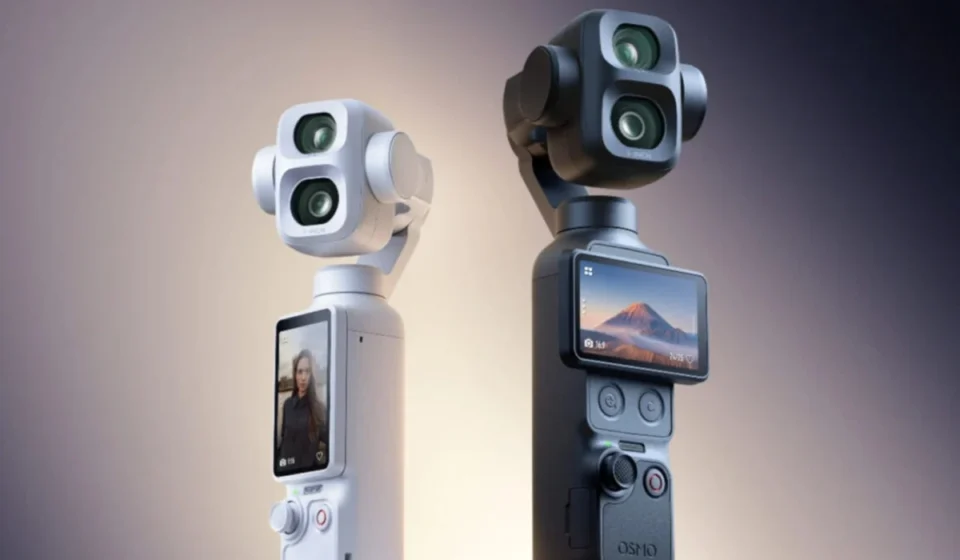
The Osmo Pocket 4P is being offered in two configurations. The Standard Combo begins at £529 in the UK and €599 in Europe. This package includes the Osmo Pocket 4P camera unit itself, a dedicated fill light accessory, a protective carrying pouch, and a handle equipped with a standard tripod thread. In Canada, the pricing for the same bundle is listed at US$619, reflecting the Canadian store’s use of US dollar denominations. For those opting for the more comprehensive Vlog Combo, the price increases to £605, €689, or US$669 in Canada. This premium package further enhances the creator’s toolkit by bundling in a DJI Mic Mini 2, a Mini Tripod, a larger carrying bag for more extensive gear, and the Osmo FrameTap remote control, designed to streamline on-the-go shooting and editing workflows.
Dual-Camera System Marks Significant Leap in Imaging Capability

The most substantial technological advancement in the Osmo Pocket 4P is its innovative dual-camera setup. The primary camera boasts a larger 1-inch sensor paired with a 20mm equivalent f/2.0 lens. This configuration is engineered to capture exceptional detail and dynamic range, supporting DJI’s new 10-bit D-Log 2 profile. This advanced color profile offers creators an impressive 17 stops of dynamic range, providing significantly more flexibility in post-production for meticulously adjusting highlights, shadows, and color grading without compromising image quality. This level of control is crucial for professionals seeking cinematic results from a compact device.
Complementing the main sensor is a secondary 1/1.28-inch sensor, integrated with a 60mm equivalent f/1.8 telephoto lens. This addition introduces a 3x optical zoom capability, a feature highly sought after by content creators for its versatility. The telephoto lens allows for more creative framing options, enabling users to capture compelling portraits, detailed product shots, or distant subjects with clarity and precision, thereby reducing reliance on digital cropping which can degrade image quality. The wide camera is capable of recording slow-motion video at an impressive 4K resolution at up to 240 frames per second, while the telephoto lens can achieve 4K recording at up to 200 frames per second. These high frame rate capabilities open up a wealth of creative possibilities for dramatic slow-motion sequences.
The device features a vibrant 2-inch OLED touchscreen display, which offers a peak brightness of 1,000 nits. This high brightness ensures excellent visibility even in challenging outdoor lighting conditions, making it easier for users to compose shots and review footage. DJI also claims an extended battery life for the Osmo Pocket 4P, rated at up to 210 minutes of continuous operation, which is a substantial improvement for extended filming sessions and travel vlogging.
The Lingering Question: Why the US Exclusion?

Despite the global expansion, the United States remains conspicuously absent from the list of countries where the Osmo Pocket 4P is officially available. DJI has yet to announce specific US pricing or a release date, fueling speculation and frustration among American consumers and content creators. This ongoing exclusion is widely attributed to the increasingly stringent regulatory landscape imposed by the U.S. government on Chinese technology companies.
The Federal Communications Commission (FCC) has been actively tightening restrictions, placing companies like DJI under increased scrutiny. This has led to certain DJI products being placed on a "Covered List," effectively barring them from being imported or sold in the US. Older DJI products, such as the Osmo Pocket 3, were authorized and sold before these intensified crackdowns, which explains their continued availability. However, newer devices like the Osmo Pocket 4P are caught in the crossfire of these escalating trade tensions and national security concerns.
The U.S. government’s approach has expanded beyond drones and consumer electronics. Recent actions have seen the "Covered List" methodology applied to other categories of foreign-made technology, including robots and power inverters. This broadens the scope of potential restrictions, impacting a wider array of products, including future consumer goods like robot vacuums and their components. For American creators and tech enthusiasts, the situation with the Osmo Pocket 4P represents a recurring pattern: a cutting-edge product is launched and celebrated globally, yet remains inaccessible within their own borders due to geopolitical factors. This creates a competitive disadvantage for US-based creators who rely on the latest technology for their work, forcing them to either seek unofficial channels for acquisition or miss out on key advancements.
Background and Context: A Pattern of Regulatory Challenges

The current situation with the Osmo Pocket 4P is not an isolated incident but rather a continuation of a trend that has affected DJI’s operations in the United States for several years. Concerns over data security, intellectual property, and national security have been cited by U.S. officials as primary drivers for the increased scrutiny of Chinese technology. These concerns have manifested in various legislative actions and regulatory policies, impacting a broad spectrum of Chinese-made goods.
DJI, as the dominant player in the consumer and professional drone market, has been a frequent target of these policies. The company has consistently maintained that its products are secure and do not pose a risk to U.S. national security. However, the U.S. government’s stance has remained firm, leading to a series of import bans and restrictions. The evolution of these policies, from initial concerns about drone technology to broader implications for robotics and other electronic devices, suggests a sustained effort to diversify supply chains and reduce reliance on Chinese manufacturing.
The timeline of these regulatory actions has been gradual but impactful. Initial warnings and investigations in the late 2010s evolved into more concrete measures in the early 2020s. The establishment of the "Covered List" by agencies like the FCC marked a significant escalation, moving beyond specific product bans to a broader classification of entities and technologies deemed problematic. The implications of these policies extend beyond DJI, signaling a broader trend of technological decoupling between the United States and China, with significant ramifications for global supply chains, innovation, and consumer access to technology.
Broader Impact and Implications for the Creator Economy
The continued exclusion of the U.S. market from the Osmo Pocket 4P’s global release has several significant implications for the burgeoning creator economy. Content creators, particularly those who rely on compact, high-quality camera solutions for vlogging, travel, and professional videography, are often early adopters of new technology. The inability to legally purchase and utilize the Osmo Pocket 4P in the U.S. puts American creators at a disadvantage compared to their international counterparts who can leverage its advanced features.
This situation can lead to a disparity in content quality and production capabilities. While U.S. creators are forced to make do with older or alternative equipment, creators in regions where the Osmo Pocket 4P is available can benefit from its superior imaging performance, dual-camera flexibility, and advanced stabilization features. This can impact the competitiveness of U.S.-based content creators in the global digital landscape.
Furthermore, the ongoing regulatory uncertainty surrounding DJI products in the U.S. creates a challenging environment for businesses and individuals looking to invest in drone and camera technology. The lack of clear timelines for product authorization can lead to hesitancy in purchasing decisions, as consumers and professionals cannot be certain if a product will remain available or be supported in the long term. This unpredictability can stifle innovation and investment within the U.S. market.
The situation also highlights the growing geopolitical influence on technological access. What was once a straightforward consumer electronics purchase is now intertwined with international trade relations and national security debates. This trend is likely to continue, impacting the availability and cost of technology for consumers worldwide. For the U.S. market, it means a potentially delayed or entirely absent access to some of the most innovative and sought-after consumer technology, forcing creators to adapt and seek alternatives, or potentially look abroad for their equipment needs. The question remains: when, or if, will U.S. creators be able to officially experience the capabilities of the DJI Osmo Pocket 4P?