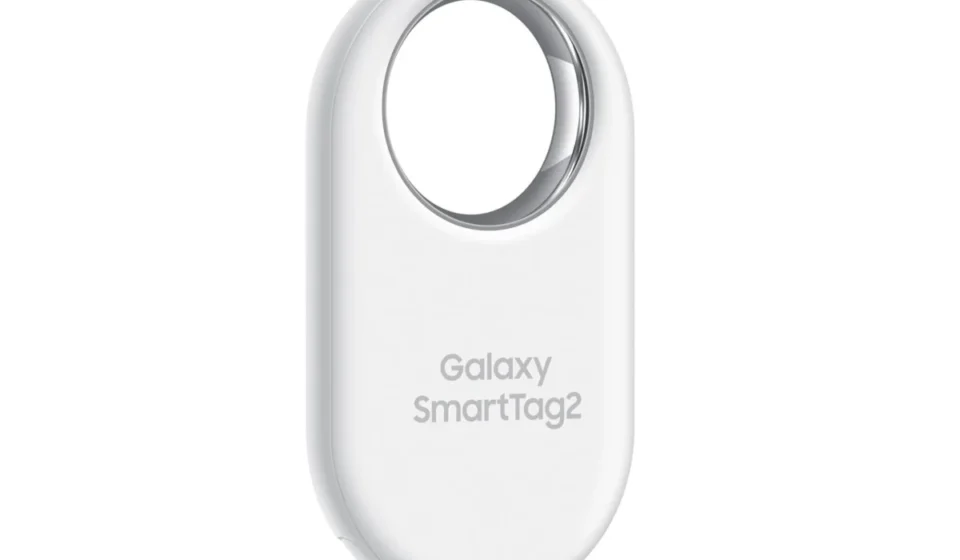

Samsung appears poised to iterate on its Galaxy SmartTag line, with recent reports indicating a significant design overhaul for the upcoming SmartTag 3. While the potential redesign might enhance the aesthetic appeal of the device, it could also introduce a practical inconvenience that echoes a long-standing criticism of Apple’s AirTag. Leaked diagrams, first shared by SamMobile, suggest a departure from the current SmartTag 2’s user-friendly integrated loop, potentially forcing consumers to rely on additional accessories for attachment.
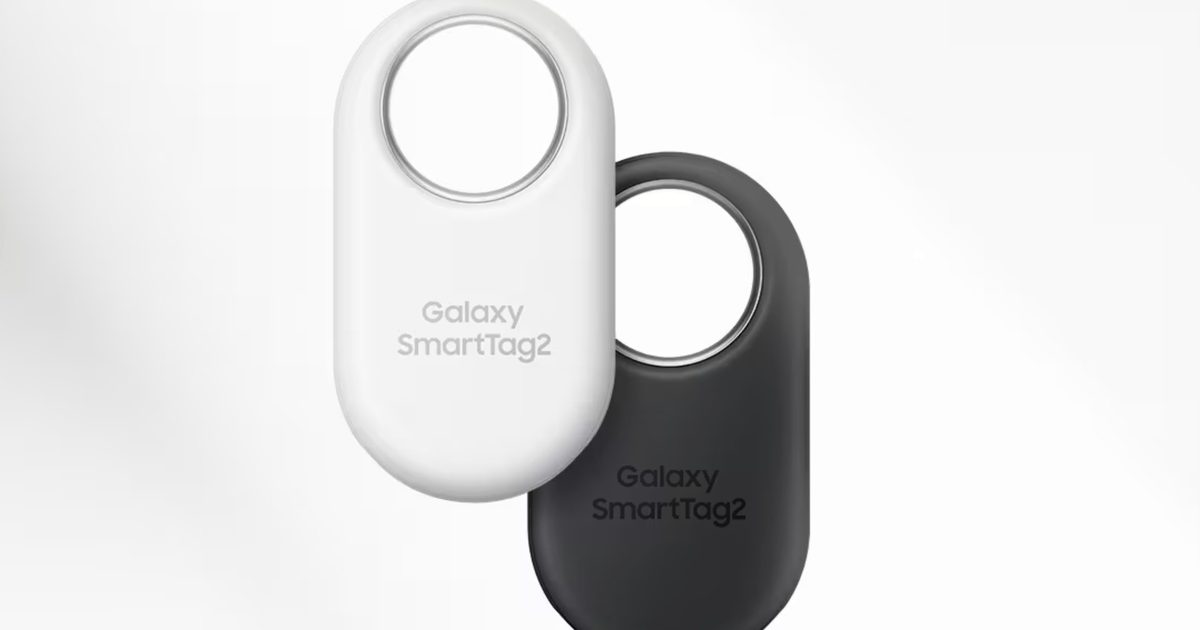
The leaked schematics reveal a compact, squircle-shaped body for the SmartTag 3, a design reminiscent of Samsung’s modern One UI icons and the rounded aesthetic seen in newer Galaxy Watch displays. This contrasts sharply with the SmartTag 2’s elongated, pill-shaped form factor, which features a prominent, integrated loop at one end. Crucially, the depicted SmartTag 3 design appears to omit this loop entirely, a move that, while potentially streamlining the device’s appearance, raises questions about its ease of use.
A Step Back in Attachment Convenience?
The removal of the integrated loop could translate into a user experience mirroring that of Apple’s AirTag. Owners of Apple’s popular tracking device have frequently cited the need for separate attachments, such as keyrings or holders, to secure the AirTag to items like keys, bags, or even pet collars. This necessity arises because the AirTag itself lacks a built-in mechanism for easy attachment. If the SmartTag 3 follows this path, Samsung users might face a similar hurdle, requiring them to purchase additional accessories to achieve the same level of functionality that the SmartTag 2 offered out-of-the-box.

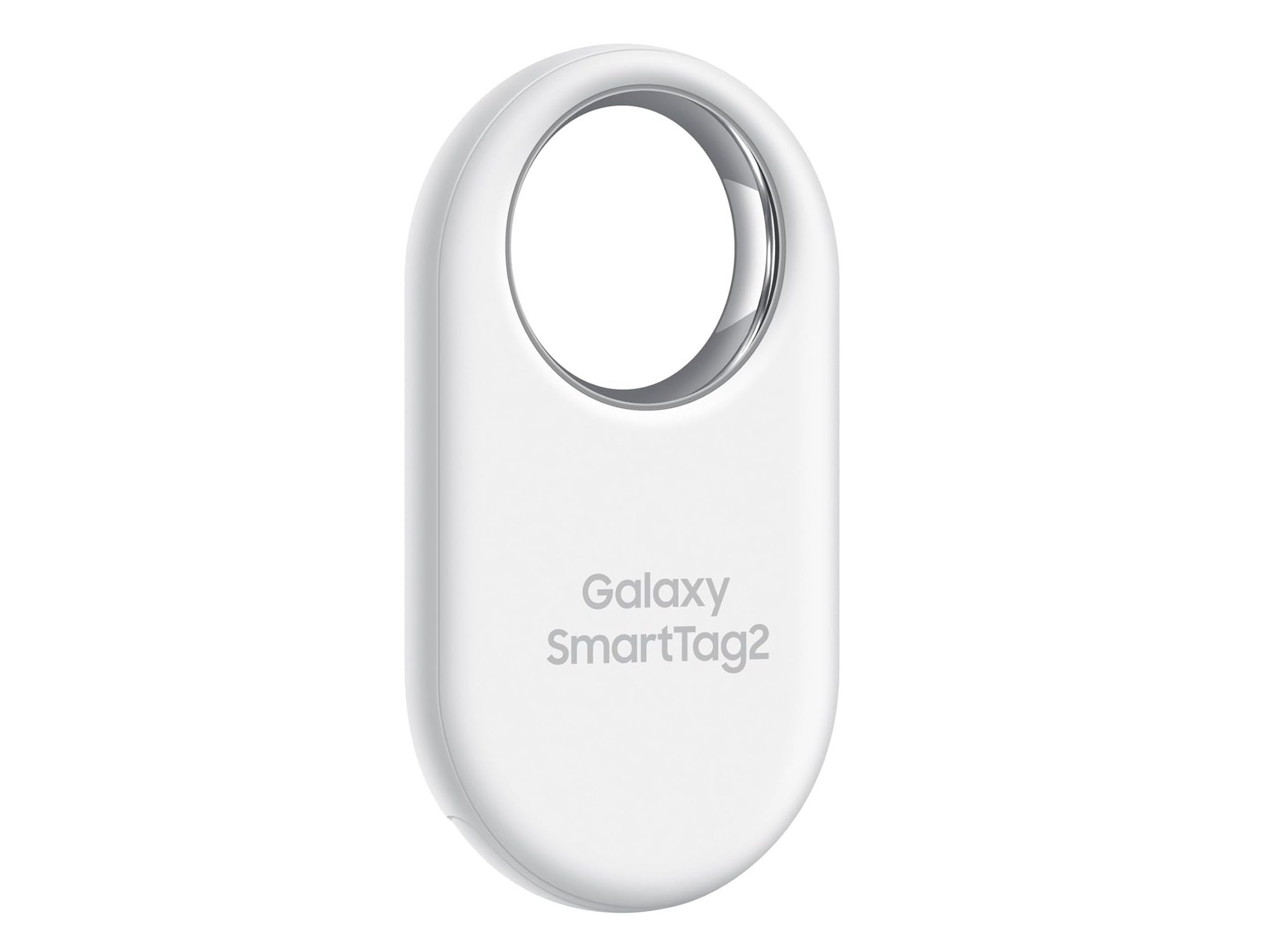
This potential design shift represents a curious regression for Samsung, especially given the deliberate design choices made with the SmartTag 2. Released in 2023, the SmartTag 2 was explicitly engineered with a substantial integrated ring, a feature praised for its simplicity and its ability to eliminate the need for separate holders. The SmartTag 2 measures 28.8 x 52.44 x 8mm and weighs 13.75 grams, incorporating advanced features such as Ultra-Wideband (UWB) for precise location tracking, Bluetooth 5.3 for efficient connectivity, and an IP67 rating for water and dust resistance. The elimination of the integrated loop on the SmartTag 3, if confirmed, would mean sacrificing a key element of practical utility for a potentially more stylized, albeit less convenient, form factor.
Rediscovering the Button Functionality
Beyond the attachment mechanism, the leaked SmartTag 3 diagram also indicates the return of a prominent button positioned in the center of the device. This feature was a hallmark of earlier SmartTag models. SamMobile speculates that this button could be repurposed to perform functions similar to its predecessors, such as remotely ringing a connected Galaxy smartphone to help locate it, or even activating Samsung’s Modes and Routines automations. This could offer a valuable shortcut for users within the Samsung ecosystem, providing a direct physical interface for common tasks.
The inclusion of a physical button, while a nod to past functionality, might also influence the overall size and shape of the device. The precise dimensions and weight of the SmartTag 3 remain unconfirmed, but the squircle design suggests a more uniform profile compared to the SmartTag 2’s tapering end. The integration of a button, coupled with the possibility of an LED ring for visual cues, as hinted at in some conceptual renderings, could contribute to a more modern and perhaps visually appealing device, aligning with Samsung’s contemporary design language.
Unveiling Future Specifications: A Realm of Speculation
As Samsung has yet to officially announce the SmartTag 3, comprehensive details regarding its internal specifications remain largely speculative. Industry observers and leak aggregators anticipate that the device will continue to leverage Samsung’s robust "SmartThings Find" network, a platform that allows users to locate their devices using a crowd-sourced network of Galaxy devices. This network has been a cornerstone of Samsung’s tracking solutions, providing a wide reach for device discovery.

Essential tracking technologies such as Bluetooth and Ultra-Wideband (UWB) are expected to be retained, if not enhanced. UWB, in particular, has become increasingly crucial for precise, short-range location finding, enabling features like augmented reality-assisted directions to a misplaced item. There is also speculation, as reported by SamMobile, about the potential adoption of Bluetooth 6.0, a theoretical iteration that could offer improvements in tracking accuracy and power efficiency. However, it is important to reiterate that these are projections based on industry trends and past product cycles, and official confirmation from Samsung will be necessary.
Battery Life and Strategic Launch Timing
Battery life is another critical aspect of any tracking device, and the SmartTag 2 set a high benchmark. The current model utilizes a user-replaceable CR2032 coin cell battery, offering an impressive estimated lifespan of up to 500 days. Samsung further enhances this longevity by claiming up to 40% additional operating time when the device is in Power Saving Mode. The impact of a potentially smaller squircle body and integrated LED lighting on the SmartTag 3’s battery performance remains to be seen. While a sleeker design might be aesthetically pleasing, users will likely prioritize sustained battery life and the convenience of a replaceable battery, a feature that has proven popular with consumers.
The timing of the SmartTag 3’s release is also a subject of considerable interest. Samsung typically aligns its product launches with major hardware unveilings. With the anticipated arrival of the Galaxy S26 FE and the Galaxy Tab S12 series later this year, it is plausible that the SmartTag 3 could debut alongside these devices. This strategic timing would allow Samsung to present a cohesive ecosystem of new products, reinforcing its commitment to connected living and enhancing the utility of its existing device portfolio. The integration of tracking capabilities across various Samsung product lines underscores the company’s strategy to maintain user engagement within its own hardware and software environment.
The Competitive Landscape: AirTag vs. SmartTag
The evolution of Samsung’s SmartTag line is inextricably linked to the competitive dynamic with Apple’s AirTag. Since its introduction, the AirTag has solidified its position as a leading choice for iPhone users, benefiting from Apple’s expansive Find My network. Samsung’s response, the Galaxy SmartTag series, aims to offer a comparable solution for the vast Android user base, particularly those invested in the Samsung ecosystem.
The SmartTag 2’s integrated loop was a distinct advantage, differentiating it from the AirTag by offering immediate attachment convenience without additional purchases. If the SmartTag 3 indeed moves away from this design, it could narrow that competitive edge, potentially making the decision between the two tracker types more nuanced for consumers. Factors such as existing device ecosystem, desired form factor, and the willingness to purchase additional accessories will likely play a significant role in consumer choice.
The ongoing innovation in the item tracker market highlights a growing consumer demand for peace of mind and the ability to keep track of valuable belongings. As technology advances, manufacturers are faced with the challenge of balancing sophisticated features, appealing aesthetics, and practical usability. The trajectory of the Samsung SmartTag 3, as suggested by current leaks, points towards a potential re-evaluation of these priorities, a development that will be closely watched by consumers and industry analysts alike. The ultimate success of the SmartTag 3 will hinge on whether its perceived aesthetic improvements outweigh any potential compromises in its fundamental utility.