

Snapchat’s popular short-form video platform, Spotlight, is undergoing a significant algorithmic shift, with the company announcing a new policy that will prioritize human-created content over videos generated entirely by artificial intelligence. This move signifies a growing trend among social media giants to combat the proliferation of low-quality, AI-generated content, often termed "AI slop," which can saturate feeds and dilute the visibility of original creators. The updated guidelines, effective this month, will see fully AI-generated submissions disqualified from monetization opportunities on Spotlight, regardless of whether the AI usage is disclosed.
This strategic pivot by Snapchat aims to foster a more authentic and engaging content ecosystem for its users, while simultaneously reinforcing its commitment to rewarding the creativity and effort invested by human creators. The company has explicitly stated that its recommendation system will now favor videos produced by real individuals, marking a clear departure from a neutral stance on AI-generated submissions.

The Shifting Sands of Spotlight: Prioritizing Human Ingenuity
The core of the change lies in Snapchat’s recommendation algorithm for Spotlight, the platform’s public feed dedicated to vertical video content. Previously, the eligibility criteria for monetization and algorithmic promotion were less stringent regarding the origin of the content. However, the new directive mandates that videos created entirely by AI will no longer be considered for recommendation, a policy that stands even if the creator transparently labels the content as AI-generated. This suggests a deliberate algorithmic bias towards content that demonstrates demonstrable human input.
Snapchat is not entirely eschewing artificial intelligence from its creative toolkit. Videos that have been edited or enhanced using Snapchat’s proprietary AI creative tools will continue to be eligible for Spotlight. These pieces of content will, however, feature visible indicators to inform users that AI played a role in their creation. This distinction is crucial, as it suggests Snapchat differentiates between AI as a tool to augment human creativity and AI as a sole creator of content.
The company’s announcement is supported by data indicating a surge in genuine creative output. Snapchat reported that the number of unique Spotlight contributors has increased by over 120% compared to the previous year. This statistic is presented as evidence that users are already inclined towards creating original content, a trend that Snapchat’s new policy aims to further cultivate and reward.

The Broader Battle Against "AI Slop" on Social Media
Snapchat’s decision to actively curb AI-generated content aligns with a broader industry-wide concern about the escalating issue of "AI slop" across various social media platforms. The ease and speed with which AI can generate content have led to an influx of repetitive, unoriginal, and often low-value videos flooding recommendation feeds. This deluge can inadvertently drown out the work of human creators who invest significant time, skill, and resources into producing unique and engaging material.
The implications of this unchecked AI-generated content extend beyond user experience. For creators, it can lead to reduced visibility, decreased engagement, and a diminished potential for earning revenue from their work. Platforms, in turn, face the challenge of maintaining user trust and engagement in an environment increasingly populated by synthetic content that may lack genuine artistic merit or informative value.
Snapchat is by no means alone in its efforts to address this burgeoning challenge. Several other major platforms have recently implemented or tightened their policies regarding AI-generated content:

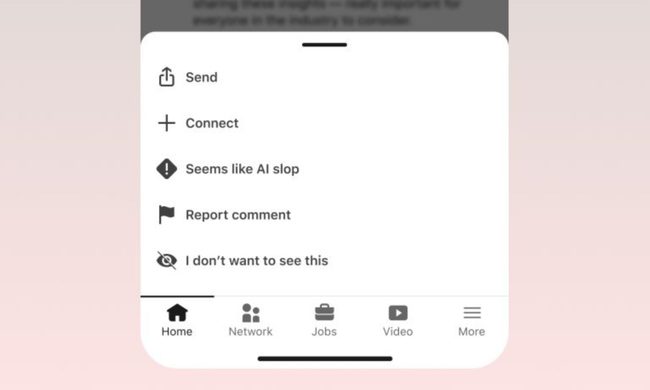
- LinkedIn: Recognizing the impact of AI-generated text on professional discourse, LinkedIn introduced a feature allowing users to flag posts as potentially AI-generated. This crowdsourced feedback is intended to help refine the platform’s algorithms that determine content reach and visibility.
- YouTube: The video-sharing giant updated its monetization policies to specifically block payouts for generic or template-based AI content. This move aims to ensure that creators are rewarded for original work and meaningful contributions, rather than automated outputs.
- Meta: While Meta has explored and even implemented AI-driven features, it has also faced backlash. The company previously pulled a controversial AI image generation tool from Instagram following significant user criticism. However, Meta’s CEO has continued to advocate for increased AI integration in personalized content delivery across its platforms, highlighting a complex and evolving relationship with AI.
These disparate actions by leading social media companies underscore a shared recognition of the potential downsides of unmanaged AI content proliferation and a collective effort to recalibrate their platforms towards valuing human creativity.
The Strategic Imperative: Authenticity Over Automation
Snapchat’s latest policy shift can be viewed as a strategic bet on the enduring appeal of authenticity in the digital landscape. In an era where AI can convincingly mimic human expression, platforms that champion genuine human creativity may find themselves differentiated and more resilient in the long run. The company’s stated goal is to enhance the overall viewing experience for its users by ensuring that the content they encounter is original, creative, and produced by individuals who are passionate about their craft.
The decision to prioritize human-made videos over fully AI-generated ones reflects an understanding that user engagement and platform loyalty are often built on a foundation of connection and relatability, elements that are inherently tied to human experience. While AI can be a powerful tool for efficiency and innovation, its wholesale adoption without careful consideration for its impact on content quality and creator livelihoods poses a significant risk to the fabric of online communities.
The implications of Snapchat’s move are multifaceted. For AI developers and users, it signals a need for greater ethical consideration and a focus on developing AI tools that augment rather than replace human creativity. For content creators, it offers a more level playing field, where their original work is more likely to be discovered and appreciated. For users, it promises a feed that is potentially richer in genuine expression and less saturated with synthetic material.
The timeline of this shift, beginning this month, suggests a proactive approach by Snapchat to address an evolving technological landscape. The company’s acknowledgment of the existing growth in unique contributors hints at a belief that the demand for authentic content is strong and that by actively promoting it, they can foster a more vibrant and sustainable creator economy on their platform.
Ultimately, Snapchat’s decision to champion human-made videos on Spotlight is a clear message: in the competition for user attention and engagement, authenticity and original human creativity remain paramount. As the digital world continues to grapple with the capabilities and consequences of artificial intelligence, this move by Snapchat sets a precedent for how platforms can navigate this complex terrain, prioritizing the human element that has always been at the heart of social connection and creative expression. The success of this strategy will likely be measured not only in user engagement metrics but also in the sustained health and vibrancy of its creator community.