Apple Disbands Key VR Development Team Amidst Strategic Pivot in Spatial Computing

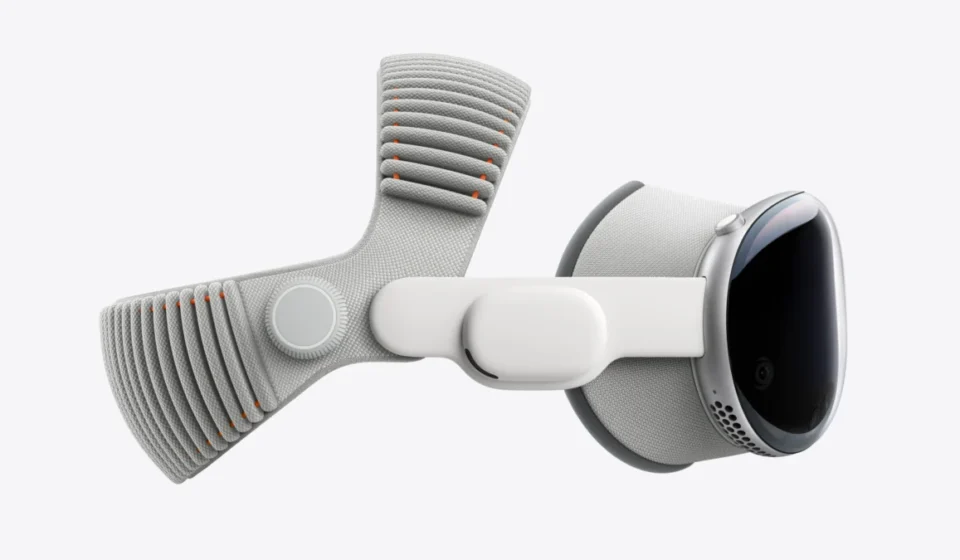
Apple has reportedly dismantled a significant portion of its dedicated virtual reality development team, a move that signals a potential recalibration of its ambitious spatial computing strategy. Sources close to the company indicate that at least 60 employees have been laid off from the Apple Vision Group, a unit central to the development of its groundbreaking, albeit commercially challenged, Vision Pro headset. This significant workforce reduction, confirmed by multiple reports including one from AppleInsider citing internal sources, follows a period of introspection and strategic evaluation within Apple regarding the future trajectory of its immersive technology initiatives.
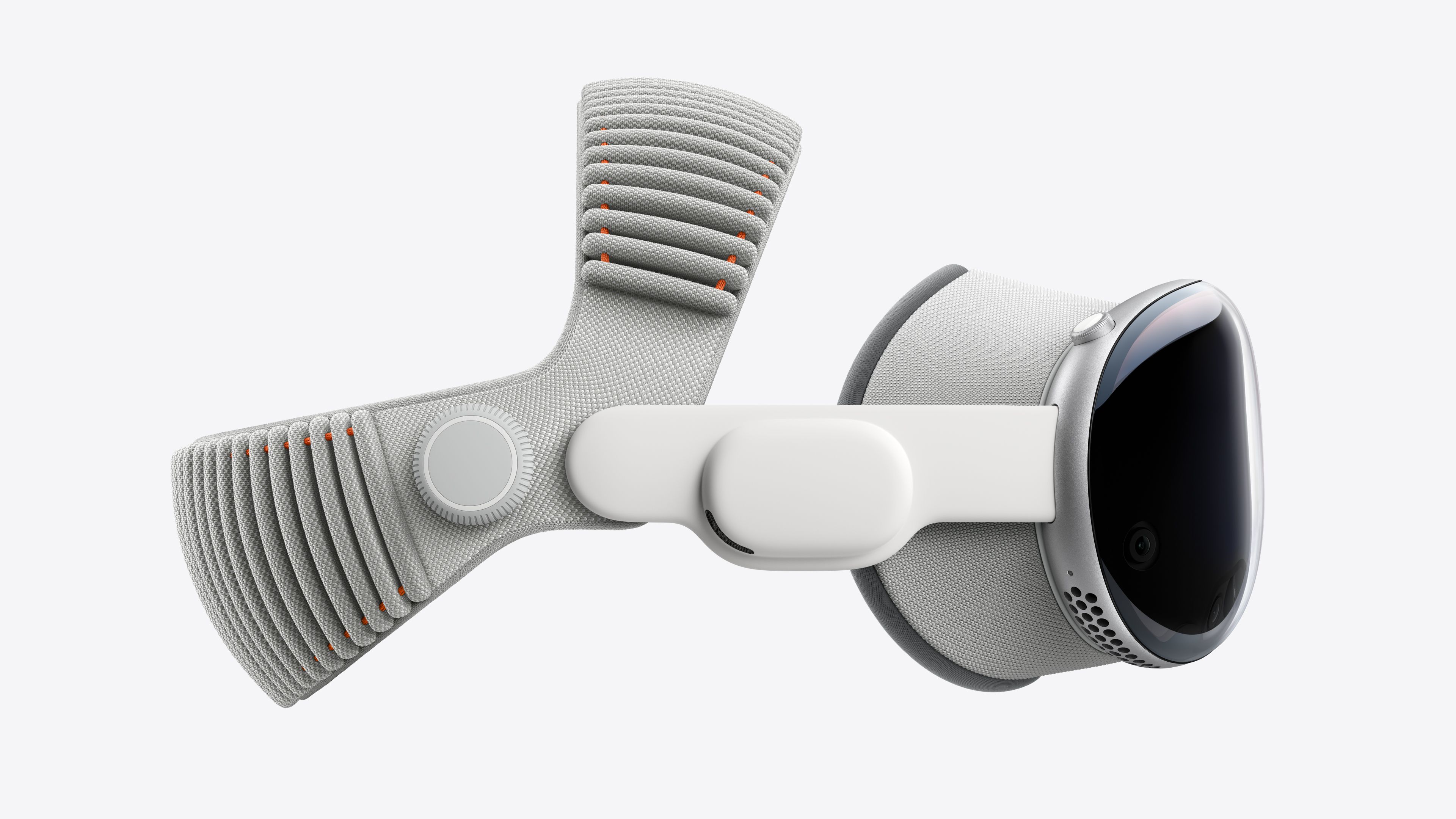
The decision to divest from this specialized VR development arm appears to be intrinsically linked to the market’s reception of the Apple Vision Pro and the broader challenges facing the nascent spatial computing sector. Launched with considerable fanfare and positioned as a revolutionary leap in personal computing, the Vision Pro has encountered a lukewarm commercial response since its initial release. While lauded for its technological prowess and sophisticated design, its high price point and the still-developing ecosystem of applications have presented significant hurdles to widespread consumer adoption. This reality has seemingly prompted a strategic reassessment at Cupertino, leading to the restructuring of teams and a potential shift in focus.
A Strategic Reassessment: From Vision Pro to a Broader Spatial Computing Future
The recent layoffs are not an isolated event but rather appear to be part of a larger, ongoing strategic realignment within Apple’s spatial computing division. This recalibration was foreshadowed by earlier reports from prominent tech journalists. In March 2025, Mark Gurman of Bloomberg reported that the Vision Pro team itself was being disbanded, with its members being reassigned to other projects. This dissolution of the dedicated Vision Pro unit occurred in the wake of the headset’s October 2025 refresh, an update that, while intended to enhance the user experience, did not fundamentally alter its market position or sales trajectory.
Further underscoring this strategic shift, incoming Apple CEO John Ternus has reportedly made critical decisions regarding the future hardware roadmap for spatial computing. Sources indicate that Ternus has approved the cancellation of both a planned second-generation Vision Pro and a more affordable, slimmer variant tentatively codenamed "Vision Air." This decision suggests a move away from a direct, iterative approach to high-end mixed-reality headsets and a potential pivot towards other forms of spatial computing devices. The focus, according to these reports, is now increasingly directed towards the development of smart glasses, a product category that Apple has been rumored to be exploring for years.
This anticipated shift towards smart glasses represents a significant departure from the current Vision Pro model. Smart glasses, if successfully executed, could offer a more discreet and integrated form of augmented reality, potentially appealing to a broader consumer base than the more immersive, albeit bulkier, Vision Pro. The long-term vision for Apple in spatial computing may lie in seamlessly blending digital information with the physical world through wearable technology that is both functional and fashionable.
Chronology of Strategic Adjustments in Apple’s Spatial Computing Ambitions
To understand the context of these recent layoffs, it is crucial to examine the preceding events and reported decisions that have shaped Apple’s spatial computing strategy:
- Early 2025: Reports emerge of a potential restructuring within the Vision Pro development team. Mark Gurman of Bloomberg indicates that the dedicated Vision Pro team is being disbanded, with personnel reassigned to other initiatives. This follows the initial launch and subsequent market reception of the Vision Pro.
- October 2025: Apple refreshes the Vision Pro. While this update aims to enhance the user experience, it does not significantly alter the headset’s market positioning or address its core adoption challenges.
- Late 2025: Rumors begin to circulate about a potential "Vision Air" device, a cheaper and slimmer iteration of the Vision Pro, intended to broaden market appeal. Simultaneously, speculation intensifies about Apple’s long-term interest in smart glasses.
- Early 2026: John Ternus, who is expected to take on a more prominent leadership role, reportedly reviews and approves significant strategic decisions concerning the spatial computing hardware roadmap.
- Mid-2026: News breaks that Ternus has greenlit the cancellation of both a second-generation Vision Pro and the "Vision Air" concept. The company’s strategic focus is confirmed to be shifting towards smart glasses.
- August 2026: Reports of significant layoffs within the Apple Vision Group surface, indicating the tangible impact of these strategic decisions on the workforce. At least 60 employees are said to be affected.
This timeline illustrates a gradual but decisive shift in Apple’s approach to spatial computing, moving from an emphasis on a high-end mixed-reality headset to a broader, potentially more accessible, future involving smart glasses.
Supporting Data and Market Context
The challenges faced by the Apple Vision Pro are not unique to Apple; the entire spatial computing and virtual reality market is still in its formative stages. Despite significant investment and technological advancements, widespread consumer adoption of VR and AR headsets has been slower than many industry analysts initially predicted.
- Market Penetration: While precise figures for Vision Pro sales remain undisclosed by Apple, industry estimates have varied, with some suggesting initial sales in the hundreds of thousands rather than the millions initially hoped for. This contrasts with the massive adoption rates seen with other Apple product categories like the iPhone or Apple Watch.
- Development Ecosystem: The success of any new computing platform is heavily reliant on its software ecosystem. While developers have been working on visionOS applications, the development of a robust library of compelling and commercially viable apps has been an ongoing process. The lack of a "killer app" or a broad range of essential daily-use applications has been cited as a barrier to adoption.
- Competitor Landscape: While Apple has entered the high-end mixed-reality space, the broader VR market has seen established players like Meta continue to refine their offerings and focus on more accessible price points. The absence of a direct competitor in the premium mixed-reality headset space for Apple’s Vision Pro, while initially a strategic advantage, also highlights the niche nature of this segment.
- Technological Hurdles: The development of truly seamless and comfortable AR experiences through smart glasses still faces significant technological hurdles, including battery life, miniaturization of components, display technology, and user interface design. Apple’s commitment to these areas, as suggested by the pivot, indicates a belief in overcoming these challenges in the long term.
Analysis of Implications and Future Trajectory
The layoffs within Apple’s Vision Group carry significant implications for the company’s future in spatial computing and the broader tech industry.
- Refocusing Resources: By disbanding the dedicated VR team and reportedly canceling future headset iterations, Apple is signaling a strategic reallocation of resources. This could mean a greater investment in the research and development of smart glasses, artificial intelligence integration within these devices, and the underlying software and services that will power them.
- Market Validation: The decision to move away from the current Vision Pro model and its successors suggests that Apple’s internal market analysis indicates a need for a different approach to achieve mass-market penetration in spatial computing. This could be interpreted as a validation of the challenges in the current high-end VR/MR headset market and a recognition of the potential for a more integrated AR experience.
- Impact on Developers: The restructuring may also have an impact on developers who have been creating applications for visionOS. While the platform is not being entirely abandoned, the reduced focus on dedicated headsets could lead to a shift in development priorities and potentially a slower pace of innovation in that specific area.
- Long-Term Vision: The emphasis on smart glasses suggests that Apple’s ultimate goal in spatial computing is not necessarily to replace existing computing devices with immersive headsets but to augment reality in a more subtle and pervasive manner. This aligns with long-standing rumors about Apple’s interest in wearable technology that seamlessly integrates digital information into everyday life.
- Competitive Landscape Shift: This strategic pivot could reshape the competitive landscape in wearable technology and augmented reality. If Apple successfully launches compelling smart glasses, it could set a new standard for the industry, similar to how the iPhone revolutionized the smartphone market.
While the exact details of Apple’s future plans remain closely guarded, the reported layoffs and strategic shifts indicate a significant evolution in its approach to spatial computing. The company appears to be learning from the initial market response to the Vision Pro and is charting a new course that may ultimately lead to a more integrated and widely adopted form of augmented reality. The future of spatial computing at Apple now appears to be leaning towards a more discreet, wearable, and seamlessly integrated experience, with smart glasses likely playing a central role.