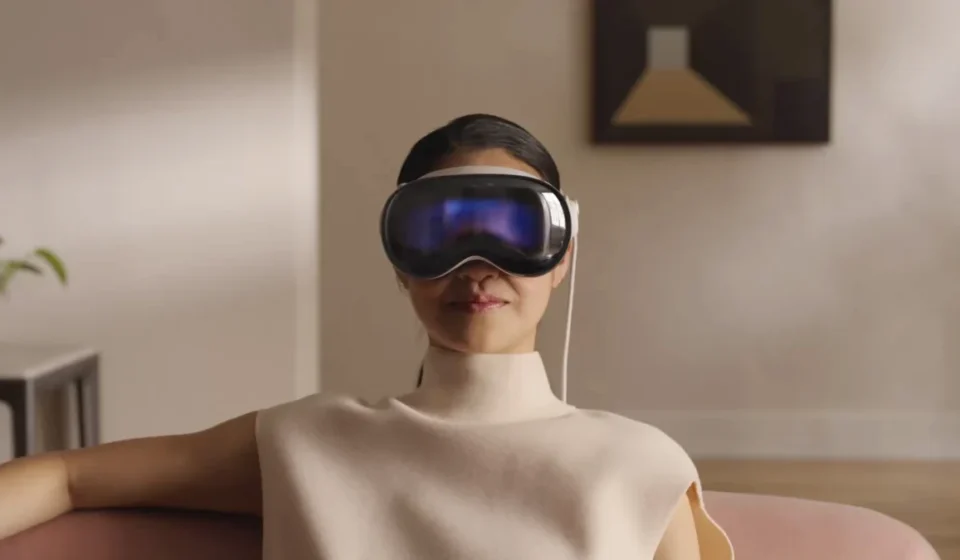

The revolutionary spatial computing headset from Apple, now known as the Vision Pro, was nearly launched with a vastly different moniker: "Reality Pro." This significant naming shift, revealed by prototype collector and leaker Kosutami, indicates that the "Reality" branding was a dominant contender for Apple’s ambitious foray into mixed reality for a substantial period of its development cycle. The internal development string "realityprorealityosdev," unearthed by Kosutami, serves as a concrete piece of evidence pointing to this near-miss naming convention.
A Name Game Rooted in Speculation and Trademarks
The notion that Apple’s headset might bear the "Reality Pro" name is not entirely new. As far back as September 2022, Mark Gurman, a prominent Apple analyst for Bloomberg, reported that the company’s inaugural mixed-reality device was likely to be introduced as the "Apple Reality Pro." This prediction was bolstered by a flurry of trademark filings that surfaced in August 2022. Applications for "Reality One," "Reality Pro," and "Reality Processor" were lodged in the United States and several other international territories. Intriguingly, these filings were made through a shell company, Immersive Health Solutions LLC, a strategic maneuver Apple has historically employed to obscure its product development plans and prevent premature leaks.
These trademark activities followed an earlier filing in December 2021 for "realityOS," the operating system designed to power Apple’s spatial computing hardware. This initial filing was attributed to another apparent shell company, Realityo Systems LLC. By this point, developers had already begun to detect references to "realityOS" embedded within Apple’s existing software frameworks and App Store upload logs, suggesting that the "Reality" branding was deeply ingrained in the project’s DNA long before its public unveiling. The naming evolution continued, with further trademark activity emerging by mid-2023 for terms such as "xrOS," "xrProOS," "realityproOS," and "realOS," indicating a period of considerable deliberation and exploration by Apple regarding its future in spatial computing.
The Pivot to Vision: A Late-Stage Decision
Despite the extensive groundwork laid with the "Reality" branding, Apple ultimately surprised the tech world at its Worldwide Developers Conference (WWDC) in June 2023 by unveiling the headset as the "Vision Pro." This marked a decisive pivot, seemingly abandoning the "Reality" nomenclature for both the hardware and its accompanying operating system, which was subsequently christened "visionOS." The timing of this switch suggests it was a relatively late-stage decision in the product’s development lifecycle. The persistence of internal naming conventions, such as the "realityprorealityosdev" string highlighted by Kosutami, underscores the fact that traces of the older branding remained embedded within internal builds and software, even after the public-facing identity had been established.
Strategic Trademark Holdings and International Considerations
Apple’s strategic approach to trademarks extends to potential future scenarios. The company reportedly maintains trademark rights to both "Reality Pro" and "Reality One." This is particularly relevant in markets like China, where a unique challenge arose. Huawei holds a ten-year license to the "Vision Pro" trademark in China, valid until 2031. In such instances, where the primary branding may be encumbered, Gurman has suggested that Apple could potentially leverage its retained "Reality Pro" branding in markets where the "Vision Pro" name is unavailable due to trademark conflicts. This foresight demonstrates a comprehensive strategy for global product launches and brand protection.
Market Reception and Evolving Product Strategy
The Apple Vision Pro officially launched in the United States in February 2024, retailing at a premium price point of $3,499. The device was positioned as a groundbreaking leap into spatial computing, offering users a new way to interact with digital content and the physical world. However, recent developments suggest a recalibration of Apple’s strategy within its Vision Products Group. In August 2026, reports emerged detailing layoffs affecting approximately 100 members of the Vision Products Group, with a notable reduction in focus on its Vision Pro gaming and immersive video teams.
These workforce adjustments appear to align with earlier reports indicating a shelving of certain aspects of the Vision Pro product line. Both a redesigned Vision Pro 2 and a more affordable "Vision Air" model are understood to have been canceled. This strategic shift signals a potential re-evaluation of the market’s appetite and the technological roadmap for consumer-grade spatial computing devices, with Apple reportedly redirecting its attention towards the development of smart glasses.
The Technical Underpinnings and Developer Ecosystem
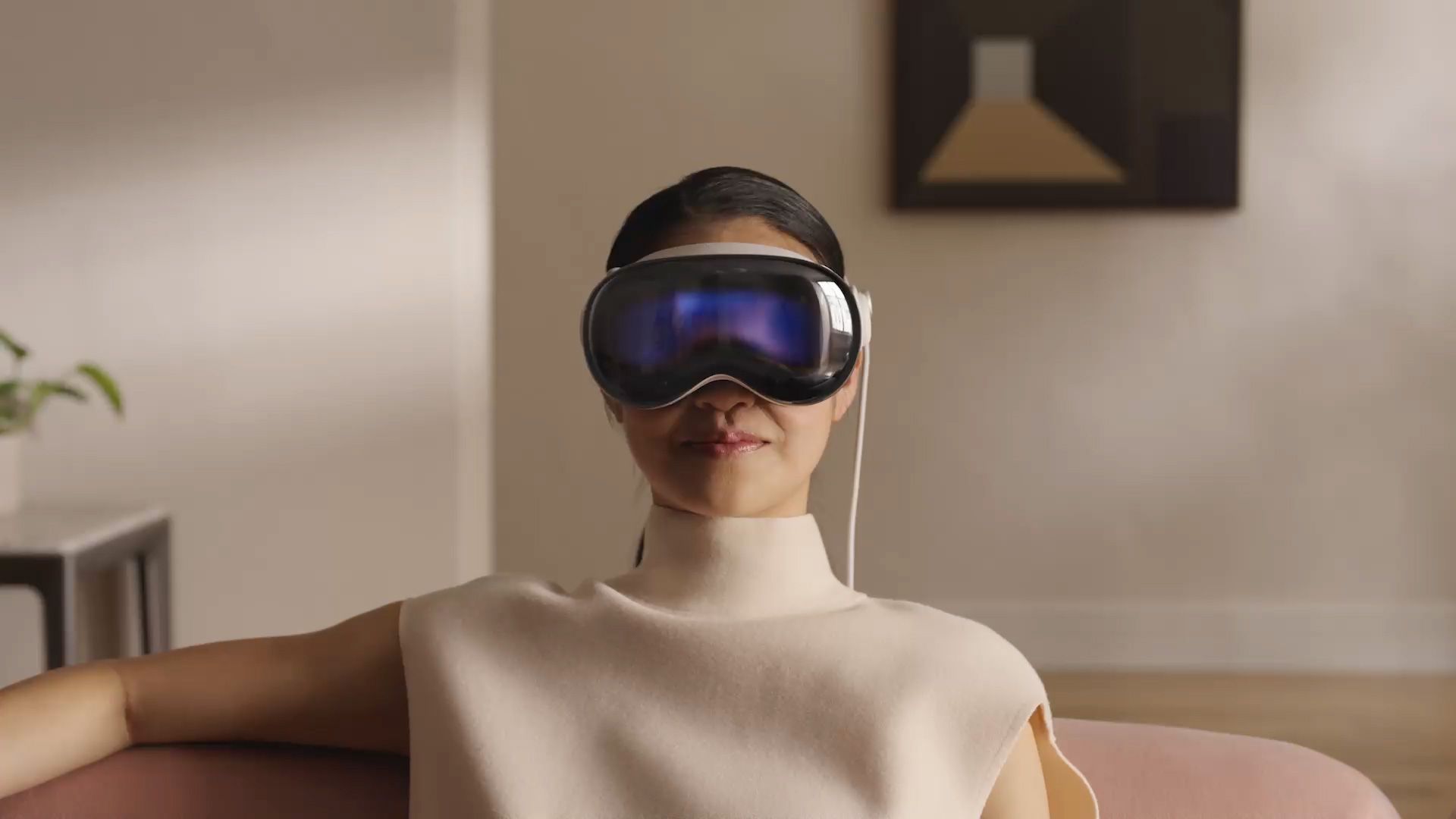
The successful operation of the Vision Pro relies on its sophisticated operating system, visionOS. The development and refinement of visionOS have been a continuous process, marked by regular beta releases to developers. For instance, in August 2026, Apple seeded the fifth beta of visionOS 27 to developers, a process that typically involves open channels for feedback and bug reporting to ensure a robust and stable user experience. These beta programs are crucial for cultivating the developer ecosystem, encouraging the creation of applications and experiences that showcase the full potential of the Vision Pro’s spatial computing capabilities.
The development of visionOS has also seen the integration of advanced AI features, such as the AI-powered Siri, which is designed to be more intelligent and responsive. This underscores Apple’s commitment to leveraging artificial intelligence across its product lines to enhance user interaction and functionality. The release of updates like visionOS 26.6, which followed previous iterations such as 26.5, demonstrates Apple’s ongoing dedication to iterating and improving the software experience for its spatial computing platform. These updates, distributed to all Vision Pro headsets, typically involve enhancements to performance, security, and user interface, ensuring that the platform remains competitive and evolves with user needs.
Real-World Applications and Future Potential
Beyond consumer entertainment and productivity, the Vision Pro has begun to demonstrate its utility in professional fields. A peer-reviewed study conducted by UC San Diego highlighted a significant application in the medical domain. Surgeons utilizing the Apple Vision Pro as their primary display during tear duct procedures reported completing operations approximately 19% faster compared to those using traditional monitors. This study, focusing on 32 endoscopic surgeries, underscores the potential for augmented and mixed reality technologies to enhance precision, efficiency, and outcomes in complex surgical environments.
The findings suggest that the immersive and high-resolution visual feedback provided by the Vision Pro could offer surgeons an unprecedented level of detail and control, streamlining intricate procedures. While the broader market adoption and long-term success of the Vision Pro remain subjects of ongoing analysis, these early indications of efficacy in specialized fields point towards a future where spatial computing plays an increasingly integral role across various industries. The ability to overlay critical data, visualize anatomical structures in three dimensions, and interact with medical imaging in an intuitive manner could revolutionize surgical training and practice.
The Broader Implications for Spatial Computing
The journey from "Reality Pro" to "Vision Pro" is more than just a rebranding exercise; it reflects a dynamic and evolving understanding of the market and the technology itself. The initial focus on "reality" may have conveyed a more literal, immersive experience, while "vision" could suggest a broader interpretation of spatial computing, encompassing augmented reality and the integration of digital information into the user’s visual field. This subtle linguistic shift may signal a strategic pivot towards a more accessible and widely applicable form of mixed reality.
The recent organizational changes within Apple’s Vision Products Group, including the reported shelving of next-generation hardware and the scaling back of specific teams, indicate a period of strategic reassessment. This is not uncommon for ambitious new product categories. The high cost of entry for the initial Vision Pro, coupled with the nascent state of the spatial computing ecosystem, likely contributed to a more measured market reception than some might have anticipated. Apple’s long-term vision for spatial computing is undoubtedly multifaceted, and the current phase may be characterized by a focus on refining the technology, expanding the developer base, and identifying killer applications that drive mass adoption. The company’s historical success with revolutionary products suggests that patience and iterative development are key components of its strategy.
The insights gleaned from Kosutami’s revelations about the "Reality Pro" naming convention, combined with public market trends and Apple’s strategic maneuvers, paint a complex picture of innovation. The path to widespread spatial computing adoption is likely to be a marathon, not a sprint, marked by continuous technological advancements, evolving consumer expectations, and strategic adjustments by industry leaders like Apple. The legacy of the "Reality Pro" may well endure as a testament to the iterative process of bringing groundbreaking technology to the market, a process that is often as much about defining the right name and vision as it is about perfecting the underlying engineering.