Anbernic RG55G1 Unveiled, Mimicking Nintendo Switch Lite Design with Snapdragon Power

The landscape of handheld gaming emulation has seen a rapid evolution in recent years, with manufacturers consistently seeking to capture the nostalgia of classic gaming while integrating modern functionality. Among these innovators, Chinese brand Anbernic has established a significant presence, known for its diverse range of retro-inspired gaming devices. While the company has previously drawn inspiration from iconic consoles like the PlayStation Vita and the Nintendo DS, its latest offering, the Anbernic RG55G1, appears to be taking a decidedly more contemporary approach, exhibiting a striking resemblance to the Nintendo Switch Lite, from its overall form factor to its available color options. This strategic design choice suggests Anbernic’s intent to appeal to a broader audience familiar with modern gaming hardware, while still catering to the retro gaming community.
A Familiar Form Factor with Under-the-Hood Updates
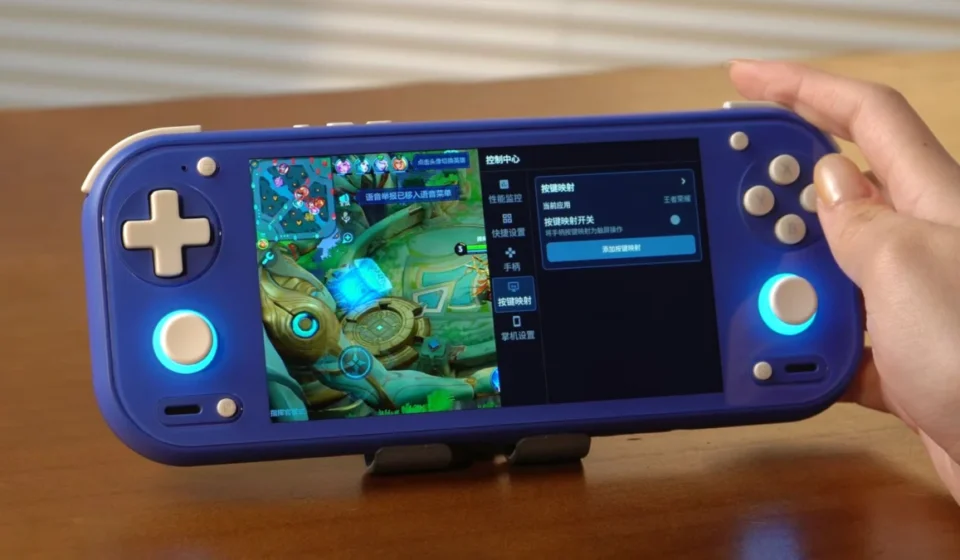
The visual parallels between the Anbernic RG55G1 and the Nintendo Switch Lite are immediately apparent. The handheld’s compact and ergonomic design, characterized by its unibody construction and integrated controls, strongly echoes Nintendo’s popular portable console. This design philosophy is not new for Anbernic, which has a history of producing devices that evoke the feel of beloved gaming machines. However, the direct inspiration from the Switch Lite, a device known for its accessibility and portability, signals a potential shift in Anbernic’s product strategy, aiming to blend the appeal of retro gaming with the user experience of modern handhelds.
The unboxing video recently released by Anbernic showcased the RG55G1 in three distinct color variants. Notably, the "Indigo" option closely mirrors the hue of the popular blue Nintendo Switch Lite. This deliberate color selection further reinforces the visual connection. Beyond aesthetics, the console’s button layout shares a significant number of similarities with the Switch Lite. The primary divergence lies in the placement of the analog sticks. On the RG55G1, the left-side thumbstick is positioned below the directional pad (d-pad), a configuration that differs from the Switch Lite’s arrangement where the left stick is situated above the d-pad. This subtle alteration in control ergonomics may be a conscious design decision to optimize for specific gaming genres or user preferences, particularly within the Android gaming ecosystem.
Internal Architecture: Bridging the Gap Between Retro and Modern Mobile Gaming
Beneath its familiar exterior, the Anbernic RG55G1 is equipped with internal components that position it within the upper echelon of current Android-powered retro handhelds. The device features a Snapdragon G1 Gen 2 chip, a processor that has also found its way into other notable devices, such as the Retroid Pocket Classic. This chipset is known for its balanced performance, offering a significant upgrade over older generations of mobile processors commonly found in retro handhelds.
Paired with the Snapdragon G1 Gen 2 are configurations of 4GB or 8GB of RAM, and either 64GB or 128GB of internal storage. While these specifications do not classify the RG55G1 as a powerhouse capable of running the most demanding AAA mobile titles at maximum settings, they are more than sufficient for a broad spectrum of gaming experiences. The device is expected to comfortably handle many of the best mobile games available, including popular indie titles that have gained significant traction on mobile platforms. Games such as "Balatro," a highly acclaimed roguelike deck-builder, and "Stardew Valley," a beloved farming simulation RPG, are prime examples of titles that the RG55G1 should be able to emulate or run natively with a smooth and enjoyable experience.
The inclusion of a Snapdragon processor marks a significant development for Anbernic. Historically, the company has relied on chipsets from manufacturers like Rockchip and MediaTek for its retro handhelds. The transition to Snapdragon hardware signifies a strategic move towards adopting more robust and potentially more efficient processing solutions, which could translate into improved performance, better power management, and broader software compatibility. This also aligns with the increasing trend of Android-based handhelds leveraging more capable mobile system-on-chips (SoCs) to bridge the gap between emulation and native Android gaming.
Chronology of Anbernic’s Design Evolution
Anbernic’s journey in the retro handheld market can be traced back several years, with each new release often reflecting a learning curve and an adaptation to market trends and consumer feedback.
-
Early Years: Anbernic initially focused on devices that were direct tributes to specific retro consoles, often featuring a clamshell design reminiscent of the Nintendo DS or a bar-style form factor akin to classic Game Boy or PSP devices. These early models prioritized affordability and the ability to emulate older 8-bit and 16-bit systems.
-
Mid-Period Adaptations: As the retro handheld market matured, Anbernic began experimenting with more advanced processors and screen technologies. Devices inspired by the PlayStation Vita emerged, offering larger screens and more capable emulation for PlayStation Portable (PSP) and other 32-bit era consoles. The company also explored devices with dual analog sticks and higher-resolution displays.
-
Recent Innovations: In the past year, Anbernic has shown a willingness to draw inspiration from more recent, iconic gaming hardware. The adoption of designs reminiscent of the PS Vita and Nintendo DS marked a phase of blending familiar aesthetics with updated internal components. This approach allowed them to tap into the aesthetic appeal of these beloved devices while enhancing their performance capabilities.

-
The RG55G1 Emergence: The recent unveiling of the RG55G1 represents a further evolution. The Switch Lite-inspired design signals Anbernic’s ambition to appeal to a wider demographic, including those who might be drawn to the modern ergonomic and visual cues of contemporary gaming devices. The integration of the Snapdragon G1 Gen 2 chip further underscores this push towards modern performance standards. The unboxing video, released in the last few days, serves as the most recent step in this ongoing product development cycle, providing the first public glimpse of the device in action and its various aesthetic options.
Industry Context and Competitive Landscape
The Anbernic RG55G1 enters a competitive market segment populated by numerous manufacturers offering Android-based retro handhelds. Companies like Retroid, Ayn, and Miyoo have all released devices that cater to similar audiences, each with their own strengths and design philosophies. The RG55G1’s direct comparison to the Nintendo Switch Lite is a strategic move, as the Switch Lite itself is a highly popular and accessible handheld that has introduced many users to portable gaming. By adopting a similar form factor, Anbernic aims to leverage the Switch Lite’s established user familiarity and ergonomic advantages.
The choice of the Snapdragon G1 Gen 2 chip is also significant. This particular SoC is gaining traction in the handheld space due to its efficient performance for its power consumption. It offers a capable platform for both emulation of a wide range of classic systems and for running a selection of modern Android games. This dual functionality is a key selling point for many users who seek a versatile gaming device.
Expert and Reviewer Reactions
While official release dates and pricing remain undisclosed, initial impressions from select reviewers who have gained early access to the Anbernic RG55G1 suggest a device with considerable promise. YouTube channels specializing in retro gaming hardware, such as "Retro Game Corps," have provided hands-on previews. These early assessments generally describe the RG55G1 as a "capable, if not mind-blowing, Android handheld." This balanced perspective indicates that the device performs well within its intended scope, offering a solid user experience for emulation and Android gaming without necessarily pushing the boundaries of raw performance. The reviewers’ feedback will be crucial in shaping consumer expectations as the device approaches its official launch.
The similarity to the Retroid Pocket 5, described as a "personal Android handheld of choice" by the original article’s author, further contextualizes the RG55G1’s position in the market. This suggests that Anbernic is aiming to compete with established players by offering a device with comparable performance and a potentially more appealing aesthetic or feature set.
Affordability and Future Outlook
A hallmark of Anbernic’s strategy has consistently been to offer devices at competitive price points. Given this history, it is highly anticipated that the RG55G1 will follow suit. While specific pricing details are yet to be confirmed, industry analysts and enthusiasts generally expect the cheapest configuration of the handheld to launch for under $150 USD. This aggressive pricing strategy, coupled with its modern design and capable hardware, could make the RG55G1 a compelling option for budget-conscious gamers looking for a versatile handheld device.
The successful integration of Snapdragon hardware into Anbernic’s product line could have broader implications for the company’s future development. It may pave the way for even more powerful devices in the future, potentially enabling them to tackle more demanding emulation tasks or even cloud gaming services with greater fidelity. The company’s active presence on social media channels is expected to be the primary source of official updates regarding the RG55G1’s release date, pricing, and any further specifications or features that may be revealed. Consumers and enthusiasts will be closely monitoring these channels for the latest information.
Broader Impact and Implications
The Anbernic RG55G1’s design, closely mirroring the Nintendo Switch Lite, highlights a growing trend in the retro handheld market: the blurring lines between dedicated emulation devices and more general-purpose portable gaming consoles. By adopting a form factor that is familiar and well-received by mainstream gamers, Anbernic is potentially broadening its appeal beyond the core retro gaming community. This strategy could attract users who are interested in retro gaming but are more accustomed to the ergonomics and user interface of modern consoles.
Furthermore, the increasing adoption of more powerful mobile chipsets like the Snapdragon G1 Gen 2 in these devices signifies a shift towards greater versatility. These handhelds are no longer solely confined to emulating older systems; they are becoming capable platforms for playing modern Android games, including popular indie titles. This expansion of capabilities makes them more attractive to a wider audience seeking a single device for diverse gaming needs.
The competitive pricing Anbernic is known for will likely intensify the market for affordable Android handhelds. As more manufacturers introduce devices with similar specifications and design elements, consumers will benefit from increased choice and potentially lower prices. The success of the RG55G1 could encourage further innovation from Anbernic and its competitors, pushing the boundaries of what is possible in the budget-friendly handheld gaming segment. The company’s ability to balance affordability with performance and appealing design will be a key factor in its continued success in this dynamic market. The RG55G1, with its blend of familiar aesthetics and modern internals, represents a significant step in Anbernic’s ongoing effort to capture a larger share of the global handheld gaming market.