Apple Agrees to $250 Million Settlement Over Delayed Siri AI Features, Claim Submissions Expected This Fall

In May, Apple agreed to pay $250 million to settle a U.S. class action lawsuit over Siri AI’s delayed launch, and eligible iPhone users could receive up to a $95 payout. Today, a new court document revealed when customers will likely be able to begin submitting claims, marking a significant step towards resolution for consumers who alleged false advertising regarding the advanced capabilities of Apple’s virtual assistant.
If the dates proposed by Apple’s lawyers are approved by the judge overseeing the case, eligible customers would begin to be notified about the settlement on Monday, September 21, 2026. Crucially, the period for submitting claims is expected to commence around the same date. This window for action is slated to close on Monday, December 21, 2026, providing consumers approximately 90 days to file their claims and potentially receive compensation. The final approval hearing for the settlement has been scheduled for February 24, 2027, indicating that payments to customers are not anticipated to begin until sometime in 2027. As of now, no immediate action is required from consumers, as the official settlement website, which will include the claims form, has yet to be launched. MacRumors will continue to monitor the case and provide updates as more information becomes available.
The Genesis of the Lawsuit: Unfulfilled Promises of Advanced Siri Capabilities
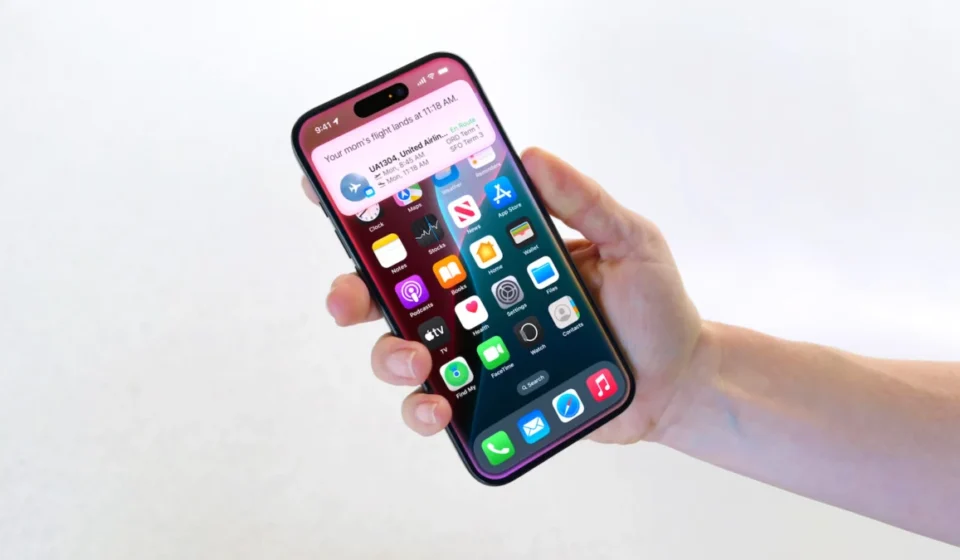
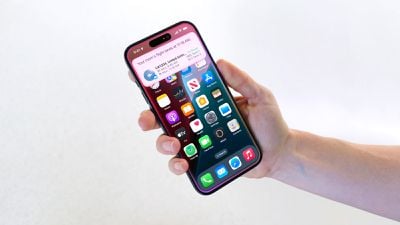
The legal proceedings against Apple stem from the company’s preview of significantly enhanced Siri functionalities, branded under "Apple Intelligence," in June 2024. These promised advancements included an unprecedented level of contextual understanding, enabling Siri to comprehend a user’s personal information and on-screen elements. For instance, Apple showcased a demonstration where Siri could interpret a user’s request about their mother’s flight and lunch reservation plans by accessing and processing information from the Mail and Messages applications.
These sophisticated capabilities were prominently featured in Apple’s product presentations, on its official website, and notably, in a television commercial starring actor Bella Ramsey. However, in March 2025, Apple announced a delay in the rollout of this personalized version of Siri. This postponement led to the filing of a class action lawsuit, which accused Apple of false advertising and misleading consumers about the immediate availability of these advanced AI features.
In response to the lawsuit, Apple issued a statement highlighting the other Apple Intelligence features it had already successfully released. The company emphasized its commitment to innovation and stated its agreement to settle the lawsuit "to stay focused" on "delivering the most innovative products and services to our users." This decision, while resolving the legal dispute, signaled a strategic prioritization by the tech giant.
Apple officially announced "Siri AI" at its Worldwide Developers Conference (WWDC) in June 2026. The revamped assistant is currently available for testing on the iOS 27 beta, with a broader release anticipated in September of the same year. This timeline aligns with the eventual integration of the promised features, suggesting the legal settlement was partly a measure to navigate the period between the initial advertising and the actual product delivery.
Eligibility Criteria for Settlement Claims
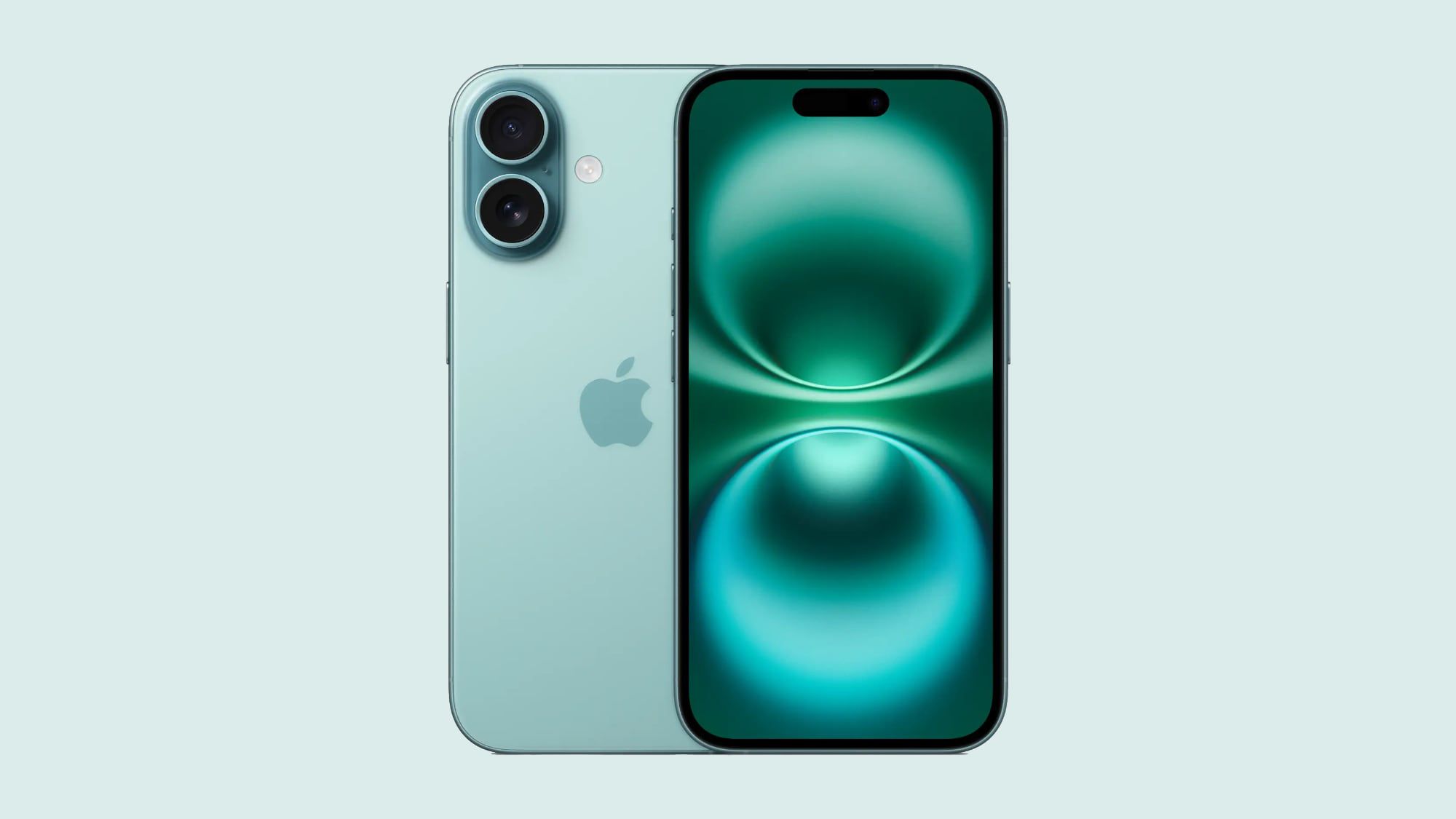
To qualify for submitting a claim under the terms of the settlement, individuals must meet specific residency and purchase criteria. Claimants must be residents of the United States. Furthermore, they must have purchased any iPhone 15 Pro or iPhone 16 model within a defined purchase window, which extends from June 10, 2024, to March 29, 2025.
The full list of eligible iPhone models, as outlined in the settlement details, includes:
- iPhone 15 Pro
- iPhone 15 Pro Max
- iPhone 15
- iPhone 15 Plus
- iPhone 16
- iPhone 16 Plus
- iPhone 16 Pro
- iPhone 16 Pro Max
While it is generally unlikely that claimants will be required to retain physical possession of their eligible iPhone model to file a claim, the settlement terms may stipulate the need for proof of purchase. This could include documentation such as a receipt or other transactional records. Additionally, there remains a possibility that specific device identifiers, such as the serial number, might be requested to verify ownership and eligibility. The precise requirements will be clearly detailed on the forthcoming settlement website, which is expected to launch in the coming months.
Financial Compensation Under the Settlement Agreement
The settlement agreement outlines a structured approach to financial compensation for eligible claimants. Each individual who successfully submits a valid claim will be entitled to a per-device payment of $25. However, this amount is subject to adjustment. If the total number of claims filed falls below a certain threshold, the per-device payment could potentially increase, reaching up to $95 per eligible device. This tiered compensation structure is designed to ensure that the settlement fund is distributed equitably, with larger individual payouts possible if fewer people participate in the claims process.
Timeline and Process for Submitting Claims
The resolution of the class action lawsuit is progressing with a defined timeline for claim submissions. A dedicated settlement website is anticipated to become operational later this year, specifically around September 21, 2026. This website will host an online claims form, simplifying the submission process for eligible consumers.
The crucial period for filing claims will commence on or around September 21, 2026, and will conclude on December 21, 2026. This 90-day window is intended to provide ample opportunity for all eligible individuals to submit their documentation and receive their rightful compensation. Following the conclusion of the claims period, the court will convene for a final approval hearing on February 24, 2027. If the settlement receives final judicial approval, the distribution of payments to claimants is expected to commence thereafter, likely in 2027.
Until the settlement website goes live and claims can be formally submitted, consumers are advised that no immediate action is necessary. Apple’s commitment to resolving this matter efficiently, while continuing to develop and deliver its advanced AI technologies, underscores the company’s strategy to manage legal challenges alongside product innovation.
The Broader Context of AI Development and Consumer Expectations
The Siri AI lawsuit highlights a broader trend in the technology sector concerning the marketing and delivery of artificial intelligence features. As AI capabilities become increasingly sophisticated and integrated into consumer products, the gap between advertised potential and immediate realization can become a source of consumer dissatisfaction and legal scrutiny. Apple’s decision to settle, rather than engage in prolonged litigation, suggests a recognition of the potential reputational impact and the desire to focus resources on product development.
The development of advanced AI assistants like Siri is a complex and iterative process. Features such as on-screen awareness and deep contextual understanding require significant advancements in natural language processing, machine learning, and integration with a vast array of applications and data sources. The delay in the rollout of these Siri features, while disappointing for some users eager for enhanced functionality, is also indicative of the intricate engineering and testing required to ensure a seamless and reliable user experience.
The settlement serves as a reminder for technology companies to carefully manage consumer expectations, particularly when promoting cutting-edge features. Transparency regarding development timelines and the staged rollout of new technologies is crucial in building and maintaining consumer trust. As AI continues to evolve, the legal and ethical frameworks surrounding its development and deployment will undoubtedly continue to be a subject of discussion and evolution. The resolution of this class action lawsuit provides a concrete example of how such disputes are being addressed within the current legal landscape.