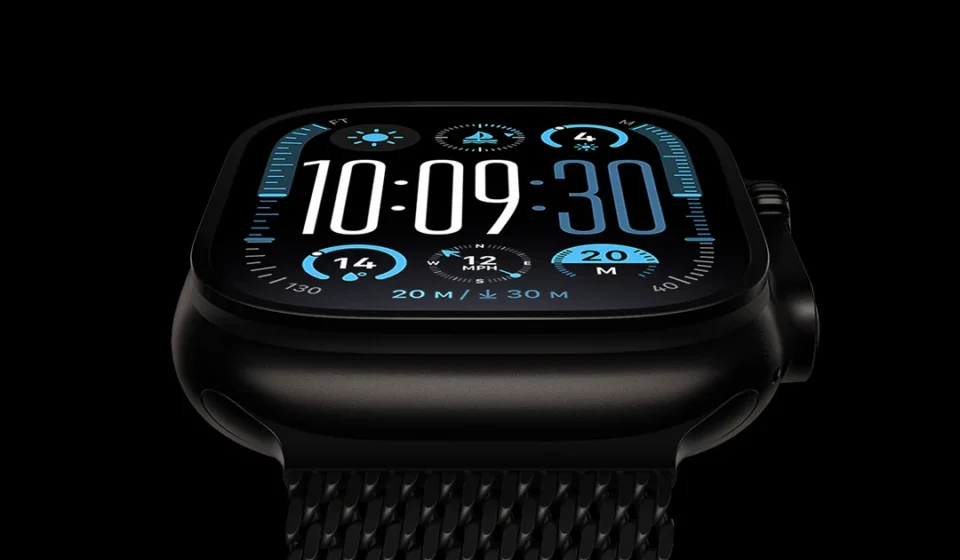
Apple is Re-evaluating the Apple Watch Lineup with Radical New Design Concepts Under Consideration

Apple is reportedly undertaking a significant re-evaluation of its Apple Watch product line, exploring a range of radical new design directions and form factors, according to insights from Bloomberg’s Mark Gurman. This strategic pivot, detailed in his "Power On" newsletter, suggests a potential transformation for the ubiquitous smartwatch, aiming to reignite growth and address intensifying market competition. The company’s industrial design team has been actively investigating a broader reimagining of its wearables, moving beyond incremental updates to consider fundamental shifts in how the Apple Watch interacts with its users and the broader technology ecosystem.
A Fundamental Rethink: Beyond the Square
The current trajectory of the Apple Watch, characterized by its signature square-ish design and always-on display, may be on the cusp of a dramatic departure. Gurman’s reporting indicates that Apple is drawing parallels between the potential evolution of the Apple Watch and the revolutionary design shift represented by foldable smartphones. This suggests a future where the Apple Watch could adopt entirely new physical attributes, moving beyond its established identity to usher in a new era for wearable technology. This ambitious undertaking signifies Apple’s intent to disrupt the market once again, much like it did with the original iPhone and subsequent product introductions.
The impetus behind this deep dive into redesign stems from several factors. Firstly, the wearable market, while still dominated by Apple, is experiencing increased fragmentation and innovation from competitors. Secondly, there’s a growing consumer interest in simpler, screen-less wearables, as evidenced by the resurgence of fitness bands and the emergence of smart rings. Apple appears to be taking these trends seriously, considering product iterations that move away from the traditional smartwatch paradigm.
Exploring New Form Factors: From Screen-less to Spherical
Among the most intriguing possibilities emerging from Apple’s internal discussions are the considerations for Apple Watch-style devices that feature no display at all. This concept draws inspiration from the minimalist approach of some fitness trackers, focusing on core functionalities like health monitoring and haptic feedback. Such a device could appeal to users who prefer a less intrusive wearable experience, prioritizing passive data collection and seamless integration with other Apple devices for information display. This move would also represent a significant departure from the current emphasis on screen real estate and interactive interfaces.
In parallel, Apple is also reportedly exploring variations with different types of screens and a wider array of sizes. This suggests a desire to cater to a more diverse set of user needs and preferences. The company might be looking at flexible displays, e-ink technology for enhanced battery life, or even novel display orientations. The consideration of various sizes further hints at a potential expansion of the Apple Watch’s target demographic, aiming to offer more personalized fits and aesthetic options.
A particularly notable, though cautioned against, exploration involves the possibility of a round display for the Apple Watch. While Apple has historically favored its distinct squarish design, the exploration of a circular face would align the Apple Watch with more traditional watch aesthetics, potentially appealing to a segment of the market that values classic timepiece design. However, Gurman’s report indicates that such a device is unlikely to see a near-term release, suggesting that while the idea is being considered, it faces significant design and functional hurdles within Apple’s current product philosophy.
Tiered Offerings: Expanding the Premium and Affordable Spectrum
Beyond radical form factor changes, Apple is also reportedly contemplating significant adjustments to its product tiering. The company is said to be considering the introduction of new premium variants that would sit above the current Apple Watch Ultra and Hermès models. These ultra-premium offerings could target affluent consumers seeking exclusive materials, advanced functionalities, or bespoke customization options, further segmenting the high-end market.
Conversely, Apple is also reportedly examining opportunities to introduce even more affordable options that would complement the existing Apple Watch SE. This move would aim to broaden the accessibility of the Apple Watch ecosystem to a wider consumer base, potentially capturing market share from lower-cost competitors and encouraging more users to enter the Apple ecosystem. This dual approach to premium and accessible pricing reflects a strategy to maximize market penetration and revenue across different consumer segments.
The AI Imperative and Health App Revamp
Underpinning these design explorations is a clear strategic imperative: to make Apple’s wearables more intelligent and deeply integrated with its health and wellness initiatives. The company is reportedly determined to infuse its wearables with enhanced artificial intelligence capabilities. This could manifest in more sophisticated health insights, predictive health alerts, personalized fitness coaching, and more intuitive user interactions powered by advanced machine learning.
Furthermore, Apple has ambitious long-term plans to revamp its Health app. This overhaul is expected to leverage the data collected by the Apple Watch and other future wearables to provide users with a more comprehensive, actionable, and personalized view of their health and well-being. The integration of AI into both the hardware and software aspects of the Apple Watch ecosystem suggests a vision where the device evolves from a notification hub and fitness tracker into a proactive health companion.
Market Context and Competitive Landscape
The current re-evaluation of the Apple Watch lineup occurs against a backdrop of evolving market dynamics. While Apple has maintained a dominant position in the smartwatch market, its Wearables, Home and Accessories segment has experienced a slowdown in growth in recent years. According to IDC’s Worldwide Quarterly Wearable Device Tracker, Apple’s share of the smartwatch market has seen fluctuations, with competitors like Samsung, Huawei, and Xiaomi consistently vying for market share with diverse offerings.
For instance, in the first quarter of 2026, while Apple remained a leader, the overall market saw a slight contraction compared to the previous year, highlighting the need for innovation. The report noted a growing interest in hearables and fitness bands, which, while not directly competing with the full-featured Apple Watch, indicate a broader trend towards specialized wearable devices. The rise of smart rings from companies like Oura has also presented a novel form factor for health tracking, pushing the boundaries of what a wearable can be.
The increasing adoption of health-focused features in smartwatches by various manufacturers, including advanced ECG capabilities, blood oxygen monitoring, and sophisticated sleep tracking, has raised consumer expectations. Apple, having pioneered many of these features, now faces the challenge of differentiating its offerings and staying ahead of the innovation curve.
Historical Precedents and Future Implications
Apple’s history is replete with examples of bold product reinventions that have reshaped entire industries. The iPhone’s transition from a single-function device to a platform for a vast ecosystem, or the iPad’s creation of the tablet market, are testaments to Apple’s ability to anticipate and define future technology trends. Gurman’s comparison of the potential Apple Watch revamp to the iPhone’s transformation underscores the magnitude of the ambitions reportedly at play.
The implications of a significantly redesigned Apple Watch are far-reaching. A successful reinvention could not only revitalize Apple’s wearables business but also further solidify its position as a leader in health technology. It could also influence the broader wearable industry, setting new benchmarks for design, functionality, and user experience.
However, such radical changes also carry inherent risks. Apple’s success has often been built on refining existing concepts and executing them flawlessly. A departure from its established design language and a move towards less conventional form factors will require meticulous execution to ensure user adoption and continued market leadership. The company’s ability to balance innovation with user familiarity will be critical.
The timeline for these potential changes remains speculative, but the fact that Apple’s industrial design team is actively exploring such diverse and radical concepts suggests a long-term strategic vision. While immediate product announcements are unlikely to reflect such fundamental shifts, the ongoing exploration indicates that the future of the Apple Watch may be far more varied and innovative than previously imagined. The company’s commitment to reinventing its smartwatch lineup in response to growing competition and evolving consumer preferences signals a proactive approach to maintaining its dominant position in the rapidly advancing world of wearable technology. The coming years are poised to reveal whether Apple can indeed translate these ambitious explorations into the next generation of groundbreaking wearable devices.