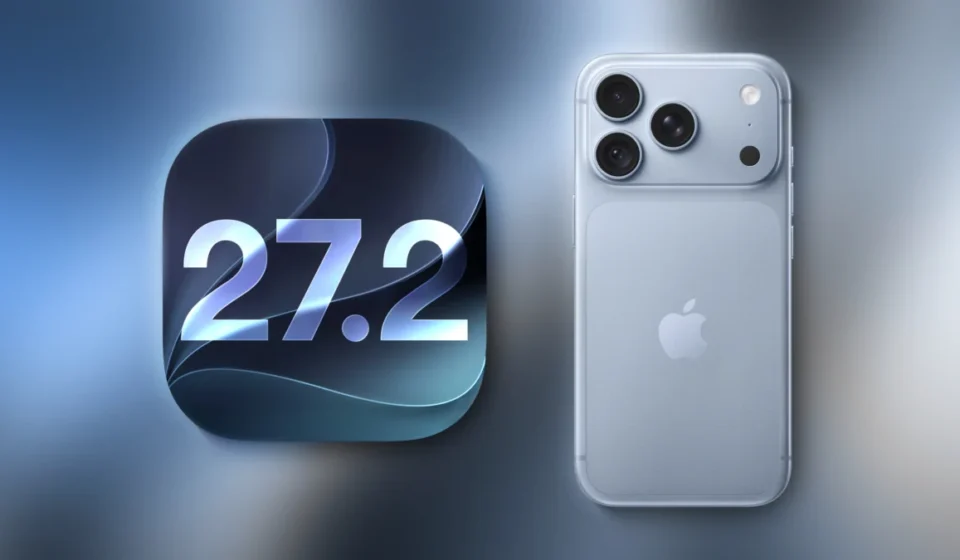
Apple Releases First Public Betas for iOS 27.2, iPadOS 27.2, macOS Golden Gate 27.2, tvOS 27.2, and watchOS 27.2

Apple has officially rolled out the initial public beta versions of its latest operating system updates, including iOS 27.2, iPadOS 27.2, macOS Golden Gate 27.2, tvOS 27.2, and watchOS 27.2. This release follows closely on the heels of the developer beta seeds provided just one day prior, indicating a rapid development cycle and a commitment to swift public testing. Enthusiastic users eager to experience the newest features and refinements can now enroll in Apple’s public beta testing program to gain early access.
Expanding the Ecosystem: A Look at the Latest Beta Releases
The availability of these public betas signifies a crucial phase in the software development lifecycle for Apple’s diverse range of devices. By opening up testing to a wider audience, Apple aims to gather extensive feedback, identify potential bugs, and refine the user experience before the final, stable versions are distributed to the general public. The synchronized release across multiple platforms underscores Apple’s integrated approach to its hardware and software ecosystem, ensuring a cohesive experience for users who own multiple Apple products.
The beta software can be downloaded and installed by signing up through Apple’s dedicated beta testing website. Once registered, users will find the update available within the "Software Update" section of the Settings app on their respective devices. This streamlined process allows for easy installation and management of the beta software, encouraging broader participation in the testing process.
iOS 27.2: A Deeper Dive into Health and Intelligence
The most significant new feature highlighted in the iOS 27.2 beta is the long-awaited redesigned Health app. Unveiled at Apple’s September iPhone event, this revamped application promises to offer users unprecedented insights into their health and fitness data. The redesigned interface boasts new "Insights" and "Longevity" tabs, providing more granular analysis and actionable information.
The "Insights" tab is expected to aggregate user health data from various sources, presenting trends, patterns, and potential correlations that might otherwise go unnoticed. This could empower users to make more informed decisions about their lifestyle and well-being. The "Longevity" tab, a novel addition, aims to focus on long-term health goals and preventative measures, potentially offering personalized recommendations for maintaining health and vitality over an extended period.
A particularly intriguing new feature within the Health app is "Health Age." This innovative tool utilizes a user’s collected health metrics – such as activity levels, sleep patterns, and potentially other biometric data – to calculate a "fitness age." This "fitness age" is then compared to the user’s actual chronological age, offering a compelling visual representation of their current health status relative to their peers. The implications of this feature are substantial, as it could serve as a powerful motivator for users to adopt healthier habits and improve their overall fitness. For instance, an individual whose Health Age is significantly higher than their chronological age might be prompted to increase their physical activity or make dietary changes. Conversely, a lower Health Age could reinforce positive lifestyle choices.
Beyond the Health app, iOS 27.2 also introduces enhancements to other core Apple applications. The Apple TV app has received a significant update, with the introduction of new profile options. This feature is likely designed to improve the personalized viewing experience for multiple users within a household, allowing each individual to curate their own watchlists, recommendations, and viewing history. This move aligns with Apple’s strategy to enhance its entertainment offerings and compete more effectively in the streaming landscape.
Furthermore, the advanced capabilities of Siri AI are being expanded to a broader linguistic audience. Siri AI is now available in French, Japanese, Korean, Portuguese, and Spanish. This expansion is a critical step in making Apple’s intelligent assistant more accessible and useful to a global user base. The integration of advanced AI into Siri has been a key focus for Apple, and its availability in these major languages signifies a commitment to providing sophisticated language processing and conversational abilities to a wider market. This could lead to more natural and intuitive interactions with Apple devices for non-English speaking users, potentially driving greater engagement with Siri-powered features.
A comprehensive overview of all the new features and refinements included in iOS 27.2 can be found in Apple’s dedicated iOS 27.2 guide, which provides an exhaustive list for those who wish to delve deeper into the specifics of this update.
iPadOS 27.2: Enhancing the Tablet Experience
Mirroring the advancements in iOS, iPadOS 27.2 brings many of the same core improvements to Apple’s iPad lineup. The redesigned Health app with its new "Insights" and "Longevity" tabs, as well as the "Health Age" feature, will be available to iPad users. This integration ensures that the enhanced health tracking capabilities are accessible across Apple’s primary mobile platforms.
The expanded Siri AI support in French, Japanese, Korean, Portuguese, and Spanish will also be a key component of iPadOS 27.2, allowing iPad users in these regions to leverage the assistant’s advanced AI features more effectively. While specific iPad-centric features are not detailed in the initial beta release notes, it is expected that iPadOS 27.2 will also include optimizations for multitasking, Apple Pencil integration, and other tablet-specific functionalities that have been refined in previous updates. The continued focus on making the iPad a versatile tool for both productivity and entertainment remains a central theme in its software development.
macOS Golden Gate 27.2: Refining the Desktop Environment
The macOS Golden Gate 27.2 public beta brings updates to Apple’s desktop operating system. While the specifics of the macOS Golden Gate 27.2 beta release are not extensively detailed in the initial announcement, it is reasonable to infer that it will include a range of bug fixes, performance enhancements, and security updates. Given the naming convention, "Golden Gate" may signify a significant update or a codename for a particular release cycle, suggesting potential architectural refinements or new core technologies being integrated.
Historically, macOS updates in this late stage of a release cycle tend to focus on stability and ironing out any remaining issues identified in earlier beta phases. Users can anticipate improvements in areas such as file management, application performance, and overall system responsiveness. The integration of new features introduced in iOS 27.2, such as enhanced Siri AI capabilities, may also be present in macOS Golden Gate 27.2, providing a more unified intelligent assistant experience across Apple’s product line. The ongoing effort to bridge the gap between macOS and iOS functionalities, while maintaining the distinct strengths of each platform, continues to be a strategic direction for Apple.
tvOS 27.2 and watchOS 27.2: Expanding Connectivity and Functionality
The tvOS 27.2 and watchOS 27.2 betas indicate Apple’s commitment to continuously improving its television and smartwatch platforms. While detailed feature lists for these betas are typically more concise, they are crucial for ensuring a seamless and robust user experience.
For tvOS 27.2, updates likely focus on enhancing the Apple TV app, improving streaming performance, and refining the user interface for navigation and content discovery. Given the expansion of Siri AI to new languages, it is highly probable that tvOS 27.2 will incorporate these advancements, allowing users in those regions to interact with their Apple TV more intuitively. Furthermore, ongoing development in the smart home ecosystem, through Apple HomeKit, is a consistent theme, and tvOS updates often include subtle improvements in this area.
watchOS 27.2, meanwhile, is expected to bring further refinements to the Apple Watch’s health and fitness tracking capabilities. With the introduction of the redesigned Health app in iOS 27.2, watchOS 27.2 will likely play a vital role in collecting and transmitting the necessary data. Users can anticipate potential enhancements to existing workout tracking, sleep monitoring, and other health-related metrics. The integration of new watch faces, app performance improvements, and bug fixes are also standard expectations for watchOS betas. The expansion of Siri AI to new languages is also a probable inclusion, making the Apple Watch a more versatile communication tool for a global audience.
The Broader Context: A History of Iterative Improvement
The release of these public betas is part of Apple’s well-established software development cadence. The initial public release of iOS 27 occurred on September 13, 2026, followed by the wider availability of its features on September 14, 2026. The introduction of iOS 27 itself brought significant new functionalities, including the much-discussed "iPhone Handoff" feature, which allows seamless switching between two iPhones using the same phone number, a concept briefly alluded to during WWDC 2026.
The subsequent development of iOS 27.1 (developer beta) and now iOS 27.2 (public beta) demonstrates Apple’s iterative approach to software refinement. Each minor version release typically addresses bugs, improves performance, and introduces smaller feature enhancements that may not have made the cut for the initial major release or have been refined based on early user feedback.
The emphasis on the Health app in iOS 27.2 is particularly noteworthy. Health and wellness have become increasingly central to Apple’s product strategy, with the Apple Watch at the forefront of this push. The introduction of features like "Health Age" signals a move towards more proactive and personalized health management tools, aiming to empower users with data-driven insights to improve their longevity and well-being. This focus aligns with broader trends in the technology sector, where wearables and health-tracking devices are gaining significant traction.
Implications for Users and Developers
For public beta testers, these releases offer a chance to influence the final product. Their feedback on bugs, usability issues, and feature performance is invaluable to Apple. Participating in the beta program can also provide early access to cutting-edge features, allowing tech enthusiasts and power users to stay ahead of the curve. However, it is important to remember that beta software is inherently unstable and may contain bugs that could impact device performance or data integrity. Users are generally advised to back up their devices before installing beta software and to be prepared for potential issues.
For developers, these beta releases provide an opportunity to test their applications against the upcoming operating system versions. This allows them to identify any compatibility issues and make necessary adjustments to ensure their apps function smoothly when the final software is released to the public. Early access to new APIs and frameworks also enables developers to start building innovative new features that leverage the latest capabilities of Apple’s platforms.
The continued expansion of Siri AI’s language support is a significant development for both users and developers. It opens up new markets and opportunities for personalized experiences. Developers can now build Siri-integrated features that are accessible to a much wider global audience, further enhancing the utility and reach of Apple’s intelligent assistant.
As Apple progresses through its beta testing phases, the focus will be on stability, performance, and user experience. The final release of iOS 27.2, iPadOS 27.2, macOS Golden Gate 27.2, tvOS 27.2, and watchOS 27.2 is anticipated in the coming weeks, promising to deliver a more polished and feature-rich experience to millions of Apple users worldwide. The ongoing enhancements to health tracking, AI integration, and the overall ecosystem demonstrate Apple’s persistent dedication to innovation and user satisfaction.