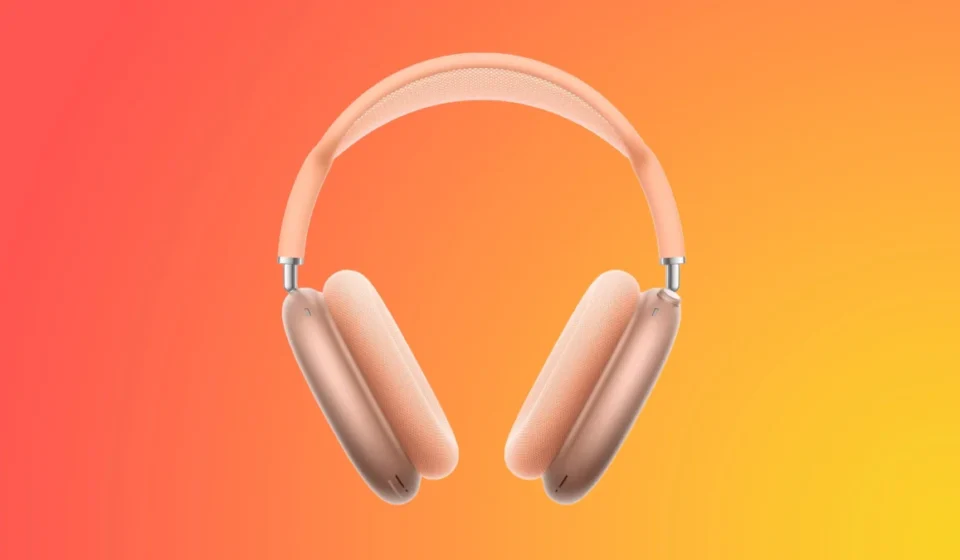
Apple Unveils Second-Generation AirPods Max, Revealing Imminent iOS 26.4 Release

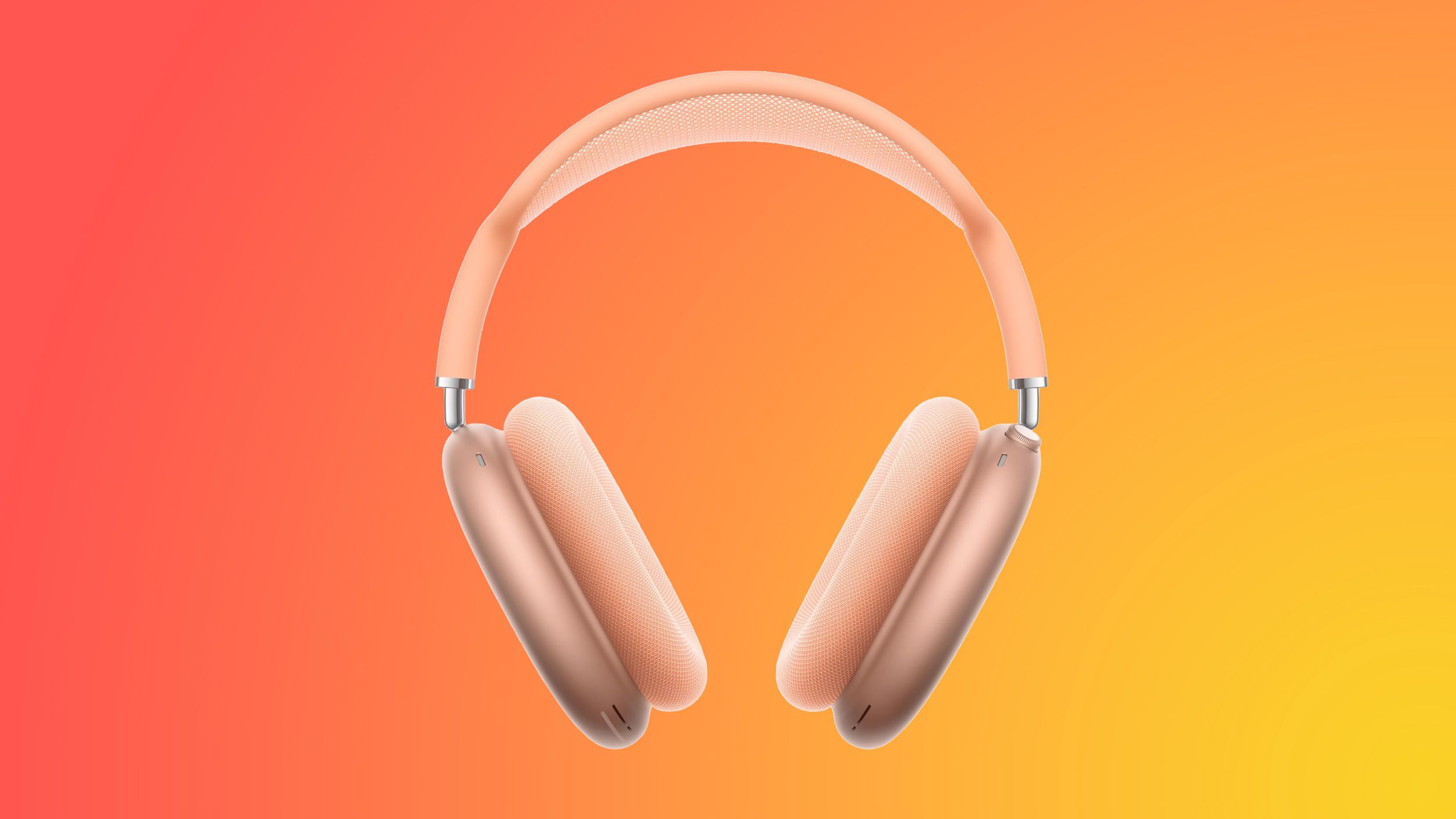
Apple today officially announced the highly anticipated second-generation AirPods Max, a significant upgrade to its premium over-ear wireless headphones. While the new hardware boasts an array of enhancements, a closer examination of the software requirements embedded within the product’s specifications provides a clear indicator of the impending public release of Apple’s iOS 26.4 operating system update. This strategic timing suggests a synchronized rollout designed to maximize the user experience and leverage the full potential of the new AirPods Max.
Unlocking Advanced Features: The iOS 26.4 Imperative
The enhanced capabilities of the new AirPods Max, particularly those that redefine user interaction and audio processing, are intrinsically linked to the latest software from Apple. To fully harness features such as Live Translation, a revolutionary tool for real-time cross-language communication, users will need to pair their new headphones with a device running an updated operating system. Specifically, an iPhone operating on iOS 26.4, an iPad running iPadOS 26.4, or a Mac powered by macOS Tahoe 26.4 will be prerequisites for accessing these advanced functionalities. This dependency underscores Apple’s commitment to an integrated ecosystem where hardware and software advancements are meticulously coordinated.
The introduction of Live Translation is poised to be a game-changer for international travelers, business professionals, and anyone engaging in multilingual conversations. This feature, powered by on-device machine learning, promises to break down communication barriers with unprecedented speed and accuracy, further solidifying Apple’s position at the forefront of AI-driven user experiences. The requirement for iOS 26.4 signifies a substantial leap in the iPhone’s translation capabilities, moving beyond simple text-based translation to encompass dynamic, real-time audio interpretation.
A Calendar of Innovation: Preorders and Launch Dates
The launch timeline for the second-generation AirPods Max is strategically positioned to align with the anticipated release of iOS 26.4 and its accompanying system updates. Preorders for the new headphones are slated to commence on Wednesday, March 25th, signaling a period of intense consumer interest and anticipation. Following the preorder window, the AirPods Max are expected to become available for purchase in "early April." This broad timeframe, while not providing a specific day, strongly suggests that the first week to ten days of April will witness the official market debut.
This staggered approach—preorders followed by general availability—is a well-established Apple strategy that allows for the gauging of initial demand and ensures a smoother distribution process. The "early April" launch window for the hardware directly correlates with the predicted release of iOS 26.4. Industry analysts and technology observers anticipate that the iOS 26.4 update will be rolled out to the public by the first week of April, with a possibility of its release occurring even before the close of March. This proactive software deployment ensures that customers receiving their new AirPods Max will have immediate access to all of their innovative features without delay.
The Beta Journey: Paving the Way for Public Release
The development cycle for major operating system updates like iOS 26.4 typically involves an extensive period of beta testing. The fact that Apple has progressed to the fourth beta version of iOS 26.4 indicates that the operating system is nearing its final stages of development. The release candidate (RC) version, which is essentially a near-final build intended for final testing by developers and advanced users, could be distributed imminently.
It is highly probable that the release candidate version of iOS 26.4 contains explicit mentions or code references to the second-generation AirPods Max. Apple’s customary practice is to withhold the release of such an RC build until new hardware announcements are made, thereby preventing premature leaks and maintaining an element of surprise for consumers. This strategy ensures that when the RC is distributed, it coincides with the official product unveiling, allowing developers to swiftly update their applications to be fully compatible with the new hardware and software features.
The progression through beta stages suggests a robust testing environment where potential bugs are identified and ironed out. Apple’s rigorous quality assurance process is critical for ensuring a stable and seamless user experience upon the public launch of the software, especially when it is tied to the functionality of premium hardware like the AirPods Max.
A Suite of New Features Enabled by iOS 26.4
The second-generation AirPods Max are designed to offer a significantly enriched user experience, largely driven by software innovations that necessitate the iOS 26.4 update. Beyond Live Translation, several other groundbreaking features are exclusively accessible with the latest operating system.
- Adaptive Audio: This intelligent feature dynamically blends Active Noise Cancellation and Transparency mode, adjusting to the user’s environment and activity in real time. It aims to provide an optimal listening experience without the need for manual adjustments, ensuring that users are aware of their surroundings when necessary while remaining immersed in their audio content.
- Conversation Awareness: This innovative function automatically lowers media volume and enhances voices when the user begins speaking. It facilitates natural interactions and conversations without requiring the removal of the headphones, fostering a more fluid and intuitive user experience.
- "Siri" Wake Word Support: While "Siri" voice activation has been a staple of Apple devices, its integration with AirPods Max in this new generation, requiring iOS 26.4, signifies a deeper and more responsive level of voice command integration. Users can now activate Siri hands-free with greater ease and reliability directly through their headphones.
- Voice Isolation: This feature prioritizes the user’s voice during phone calls and voice recordings, suppressing background noise for crystal-clear audio transmission. It is particularly beneficial in noisy environments, ensuring that the user’s voice remains the primary focus, enhancing communication clarity for both parties.
- Digital Crown Controls for Camera Functionality: A novel application of the AirPods Max’s Digital Crown will allow users to leverage the headphones as a remote camera button. This feature, requiring iOS 26.4, offers a discreet and convenient way to capture photos or initiate video recordings, extending the utility of the AirPods Max beyond audio consumption.
The successful implementation of these sophisticated features relies on a tight integration between the AirPods Max’s advanced hardware and the underlying software capabilities of iOS 26.4, iPadOS 26.4, and macOS Tahoe 26.4. This interdependence highlights Apple’s holistic approach to product development, where the synergy between different components and software versions is paramount.
The Broader Ecosystem and Future Implications
The introduction of the second-generation AirPods Max and the synchronized release of iOS 26.4 are indicative of Apple’s ongoing strategy to deepen the integration and functionality across its product lines. The reliance on specific software versions for advanced hardware features reinforces the importance of maintaining an up-to-date ecosystem. This not only enhances the user experience for new products but also encourages upgrades to older devices that support the latest software, thereby driving adoption and engagement with Apple’s services.
The emphasis on features like Live Translation and Voice Isolation also points towards Apple’s continued investment in artificial intelligence and machine learning. These advancements are not merely incremental improvements; they represent a significant push towards making technology more intuitive, accessible, and capable of facilitating seamless human interaction. As Apple continues to refine its AI capabilities, users can expect further innovations that blur the lines between the digital and physical worlds.
The timing of this announcement, strategically placed within the product development cycle, suggests a well-orchestrated launch that aims to capture consumer attention and drive sales during a key period in the retail calendar. By linking the availability of new, premium hardware to the release of essential software updates, Apple ensures that consumers can immediately benefit from the full suite of features, reinforcing the value proposition of its integrated ecosystem. The success of this strategy will be measured not only by the sales figures of the new AirPods Max but also by the rate of adoption of iOS 26.4 and the subsequent engagement with its advanced features.