Apple’s Forthcoming Product Blitz: OLED MacBook Pros, M6 Chips, and an Upgraded iPad Mini on the Horizon

Apple is poised to unleash a significant wave of product updates over the coming weeks, culminating in a concentrated release schedule that will see new MacBooks, iPads, and potentially an entirely new home computing experience introduced to the market. Sources close to the company, most notably Bloomberg’s Mark Gurman, indicate that Friday, November 6, 2026, is a key date for the unveiling of several highly anticipated devices. This release date, if accurate, will be the fourth consecutive Friday with new Apple product introductions, underscoring a strategic push to refresh its lineup and potentially set new benchmarks in personal computing and home integration.
OLED MacBook Pros and M6 Chip Integration Signal a New Era for Mac
The most significant revelations point towards the long-rumored integration of OLED display technology into Apple’s premium MacBook Pro lineup. This move, if realized, would represent a substantial upgrade in visual fidelity, offering deeper blacks, higher contrast ratios, and more vibrant colors compared to current Liquid Retina XDR displays. OLED technology is known for its superior power efficiency in displaying dark content and its ability to achieve true black by individually illuminating pixels, leading to a more immersive and dynamic viewing experience for professionals and consumers alike.
Furthermore, the report suggests that both 14-inch MacBook Pro models and iMac devices will be equipped with Apple’s next-generation M6 chips. The M-series chips have consistently pushed the boundaries of performance and efficiency in Apple’s ecosystem, and the M6 is expected to continue this trajectory. While specific details regarding the M6 architecture are scarce, industry analysts anticipate significant leaps in CPU and GPU capabilities, enhanced neural engine performance for AI and machine learning tasks, and improved power management. This would further solidify Apple’s silicon advantage and provide a potent foundation for demanding creative workflows, complex simulations, and advanced multitasking. The integration of the M6 chip across both portable and desktop Mac lines suggests a unified performance strategy for Apple’s computing division.
iPad Mini 8 with OLED Display: A Premium Compact Tablet Experience
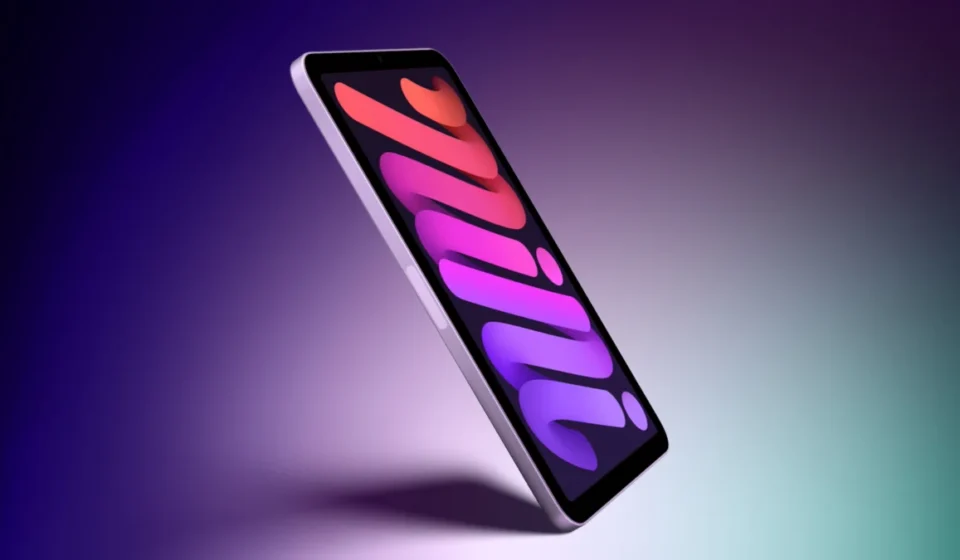
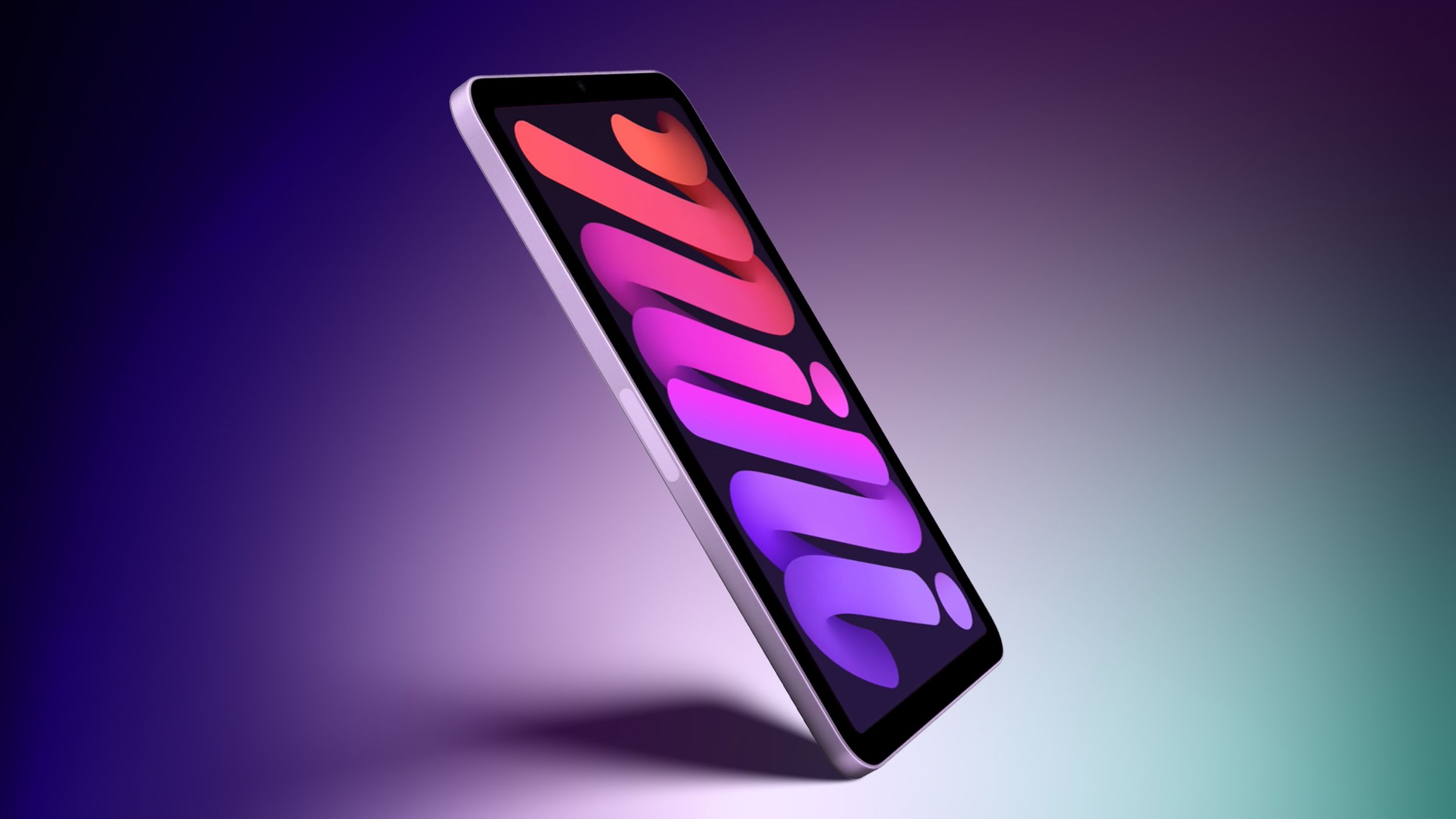
The iPad mini, a device that has carved out a niche for its compact form factor and powerful performance, is also slated for an upgrade. Sources indicate that an iPad mini 8 model featuring an OLED display is on the cards for this November release. This would be a significant departure for the iPad mini, bringing it in line with the display technology found in higher-end iPhone and iPad Pro models. The adoption of OLED on the smaller screen could enhance the viewing experience for media consumption, reading, and drawing, while potentially offering improved responsiveness and color accuracy. This move could also signal a broader shift in Apple’s display strategy across its tablet portfolio.
A Carefully Orchestrated Product Launch Cadence
The projected release date of Friday, November 6, for these new Mac and iPad models follows a pattern of concentrated product announcements. This strategic timing, as reported by Gurman, suggests Apple is preparing a significant product reveal event for Tuesday, October 27, or Wednesday, October 28. This event would serve as the official unveiling, with actual product availability commencing on the subsequent Friday.
This concentrated release schedule is notable:
- Friday, October 23, 2026: This date likely marks the release of products announced in a prior event, potentially including the new Apple TV 4K, HomeView smart home hub, and HomePod mini 2, which have seen recent leaks and reports.
- Friday, October 30, 2026: Another release window, possibly for other unannounced or less prominent product updates.
- Friday, November 6, 2026: The anticipated release of the OLED MacBook Pros, M6-powered 14-inch MacBook Pros and iMacs, and the OLED iPad mini 8.
- Friday, November 13, 2026: The fourth consecutive Friday, suggesting a final wave of product availability or further announcements.
This deliberate cadence allows Apple to build anticipation, manage supply chain logistics, and create distinct marketing moments for its diverse product categories. It also ensures a steady stream of new technology news throughout the fall, a critical period for consumer spending leading into the holiday season.
Background and Context: Apple’s Evolving Product Strategy
The anticipated releases are not occurring in a vacuum. They represent the culmination of years of research and development, particularly in display technology and in-house silicon.
OLED Adoption: Apple’s gradual integration of OLED technology, initially on iPhones and then on Apple Watch and iPad Pro models, has been a testament to its commitment to display quality. The expansion to MacBook Pros and the iPad mini signifies a mature understanding of the technology’s benefits and the company’s ability to scale production. This move also positions Apple to compete more directly with premium laptop offerings from competitors that have already embraced OLED.
M-Series Silicon Evolution: The M-series chips have been a game-changer for Apple’s Mac and iPad lines, offering a significant performance uplift and power efficiency improvements over Intel-based Macs. The progression from M1 to M2, M3, and now M4 (in the current lineup) indicates a rapid development cycle. The M6 chip, therefore, is expected to represent a substantial leap, potentially incorporating new architectural advancements and manufacturing process nodes, which could further enhance performance metrics such as clock speeds, core counts, and specialized processing units.
The Smart Home Push: The recent leaks surrounding the Apple TV 4K, HomeView, and HomePod mini 2 highlight Apple’s ongoing strategy to strengthen its presence in the smart home market. The "HomeView," described as an all-in-one smart home hub with a touch-enabled display, appears to be Apple’s answer to a more integrated and intelligent home environment, potentially competing with devices like the Amazon Echo Show and Google Nest Hub. The emphasis on facial recognition for personalized experiences underscores Apple’s focus on user privacy and tailored interactions within the home.
Supporting Data and Market Trends
The demand for high-performance laptops and tablets remains robust, driven by remote work, hybrid work models, and the increasing reliance on digital tools for education and creative pursuits.
- Laptop Market: The premium laptop segment, where MacBook Pros reside, is characterized by users seeking superior build quality, powerful performance, and long battery life. OLED displays are increasingly seen as a differentiator in this segment, appealing to professionals in fields like graphic design, video editing, and photography.
- Tablet Market: The tablet market continues to evolve, with a growing demand for devices that can serve as both entertainment hubs and productivity tools. The iPad mini’s appeal lies in its portability, making it ideal for reading, casual gaming, and quick tasks. The addition of an OLED display would enhance its multimedia capabilities.
- Smart Home Market: The smart home market is projected to continue its growth trajectory, with consumers seeking greater convenience, security, and energy efficiency. Apple’s entry into this space with a dedicated hub signals its intent to capture a larger share of this expanding market.
Potential Implications and Analyst Perspectives
The planned product releases are likely to have several significant implications for the tech industry and Apple’s market position:
- Enhanced Competitive Edge: The introduction of OLED in MacBook Pros and M6 chips would further solidify Apple’s lead in performance and display technology within the premium laptop market. This could put pressure on competitors to accelerate their own adoption of these advancements.
- Ecosystem Integration: The synergy between new Macs, iPads, and the HomeView smart home hub could lead to a more seamless and interconnected Apple ecosystem. This enhanced integration is a key factor in customer loyalty and continued device adoption.
- Shifting Display Standards: Apple’s move towards OLED in its laptop and tablet lines could accelerate the industry-wide shift away from traditional LCD technologies in premium devices, driving innovation and potentially lowering costs over time.
- Consumer Choice and Value: For consumers, these updates offer enhanced performance, improved visual experiences, and potentially more compelling device options. The M6 chip, in particular, could offer significant generational leaps in computing power for a variety of tasks.
While official confirmation from Apple remains pending, the consistent reporting from reputable sources like Mark Gurman suggests a high degree of accuracy regarding these upcoming product launches. The coming weeks are shaping up to be a pivotal period for Apple, showcasing its continued commitment to innovation across its core product categories and its strategic expansion into new market segments. The confluence of advanced display technology, next-generation silicon, and a renewed focus on the smart home ecosystem positions Apple to make a significant impact on the consumer electronics landscape as 2026 draws to a close.