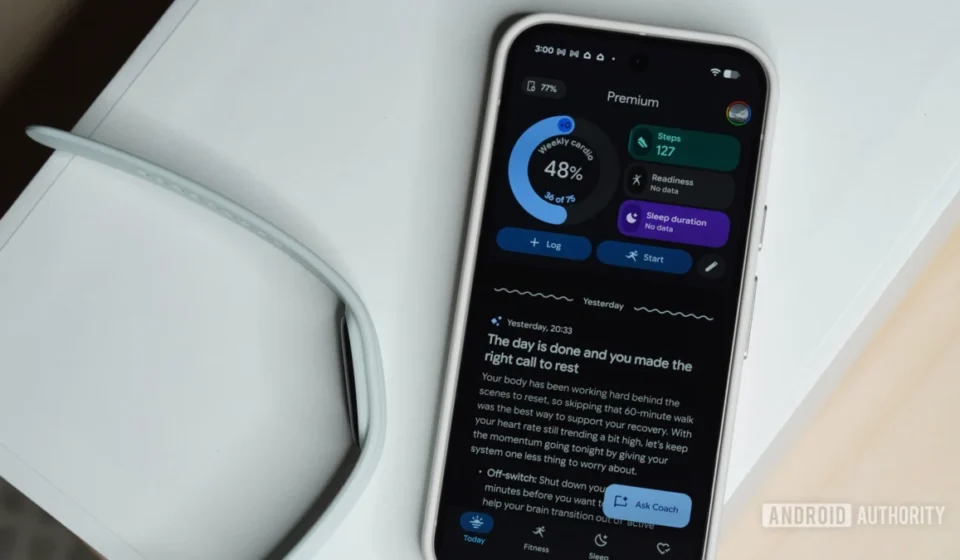
Fitbit Air Suffers Widespread iOS Syncing and Pairing Failures, Frustrating Users and Raising Concerns Over Google Health Integration

The Google Fitbit Air, a device positioned as a key component of Google’s burgeoning health ecosystem, is facing significant backlash from its user base, particularly those utilizing Apple’s iOS platform. A growing chorus of complaints highlights persistent and widespread issues with data syncing and device pairing between the Fitbit Air and iOS devices, primarily through the Google Health application. These are not isolated incidents; numerous reports across Reddit forums and Google’s official support channels indicate a systemic problem affecting a substantial number of users, casting a shadow over the device’s reliability and Google’s cross-platform integration capabilities.
The Unraveling of Connectivity: A Timeline of User Complaints
Reports detailing the frustrating connectivity issues first began surfacing in early October, marking the onset of what has become a protracted and unresolved technical challenge for Fitbit Air users on iOS. Initially, a trickle of individual complaints appeared on community platforms and support threads, with users describing intermittent failures in data transfer. However, as weeks progressed, this trickle evolved into a steady stream, with “fresh complaints” continuing to emerge well into November. This sustained pattern suggests a deeply rooted software or firmware incompatibility rather than a fleeting glitch that might be resolved with a simple device reset or app update.
Many users recount a similar narrative: an initial period of seamless functionality followed by an abrupt cessation of data synchronization. For instance, one user, who acquired their Fitbit Air in August, reported that the device performed flawlessly for approximately six weeks before inexplicably failing to sync with the Google Health app on their iPhone. This sudden deterioration in performance, after an initial honeymoon period, has left many users particularly bewildered and frustrated, as it implies a potential change in software behavior or an update that inadvertently introduced these critical bugs. The sheer volume and consistency of these reports across various public forums underscore the severity and widespread nature of the problem, indicating that this is far from a minor inconvenience affecting a niche group but rather a significant operational flaw impacting a considerable segment of the Fitbit Air’s iOS user base.
Diving Deep into the Technical Glitches: Error Codes and Sync Failures
The core of the issue revolves around the Fitbit Air’s inability to reliably communicate with the Google Health application on iOS. While the specific symptoms can vary, the predominant complaints center on two critical functionalities: data synchronization and initial device pairing. Users frequently encounter the Google Health app getting "stuck" on a "Connecting your Fitbit Air to the app" screen, an indefinite loop that ultimately culminates in an error message. The most commonly reported error code is "Error 16," which appears after prolonged attempts to establish a connection, effectively preventing any health or activity data from transferring from the tracker to the smartphone application. This error essentially renders the Fitbit Air a standalone, disconnected device, incapable of fulfilling its primary purpose of aggregating and presenting user health metrics.
Beyond syncing failures, a subset of users has reported even more fundamental problems, specifically with the initial pairing process. After attempting to disconnect and then re-pair their Fitbit Air, some users are met with a generic but debilitating "Something went wrong" message during the setup phase. This prevents the device from ever establishing a connection, effectively bricking it for practical use. The inability to even pair the device transforms it from a faulty product into an entirely unusable one, highlighting a severe defect in the device’s fundamental communication protocols with iOS.
The disparity in performance between Android and iOS devices further compounds the frustration. One user explicitly highlighted their experience after switching from a Google Pixel phone to an iPhone 17. On Android, data refresh within the Google Health app was described as "almost instant." In stark contrast, on their new iPhone, the Fitbit Air struggled to sync, with data often missing or incomplete, requiring manual "pull down to refresh" actions that often resulted in interminable loading times. This stark difference strongly suggests a platform-specific incompatibility or a lack of robust development and testing for the iOS version of the Google Health app or the Fitbit Air’s iOS-facing firmware. Such a distinction points to potential challenges in Google’s strategy to ensure seamless integration across different mobile ecosystems, a crucial aspect for any tech giant aiming for broad market penetration.
The Frustration of the User Base: Attempts at Self-Help and Support Experiences
The ongoing technical glitches have led to significant frustration among Fitbit Air users on iOS, many of whom have invested considerable time and effort into troubleshooting the issues themselves. Common remedies attempted by affected individuals include the standard IT solutions: uninstalling and reinstalling the Google Health app, forgetting the device from Bluetooth settings and attempting to re-pair it, ensuring the device is fully charged, and performing various types of resets on the Fitbit Air itself. Despite these diligent efforts, the overwhelming sentiment is one of futility, as these steps have proven largely ineffective for a significant portion of the affected user base.
One particularly detailed complaint highlighted a user’s extensive troubleshooting journey, culminating in a direct reach-out to Google Support. According to the user, Google’s representatives acknowledged the issue, stating that it was a "known problem" and that a fix was actively being worked on. However, despite this acknowledgement, the user reported receiving no further communication or resolution, leaving their Fitbit Air "just lying there useless." This lack of follow-through from official support, coupled with the absence of a public statement or a clear timeline for a fix, has exacerbated user dissatisfaction. The sentiment captured by the user — "Reinforces my faith that Google hardware is not to be trusted at all" — is particularly damning. It underscores a deeper erosion of trust, not just in the specific product, but in Google’s broader hardware offerings and its commitment to customer support and product reliability.
While a few users have reported sporadic success with a specific troubleshooting step—a hard reset achieved by long-pressing the button at the back of the charging dock for 10 seconds—this solution has been far from a universal panacea. Many others who attempted this method found no change in their device’s behavior, indicating that it is not a guaranteed fix and that individual mileage may vary considerably. This inconsistent success rate further highlights the lack of a clear, reliable solution for the widespread syncing and pairing problems, leaving users in a state of limbo and reinforcing the perception of an unresolved, critical flaw. The collective experience paints a picture of consumers feeling abandoned by a major tech company, with their expensive fitness trackers rendered largely inoperable due to persistent software bugs.
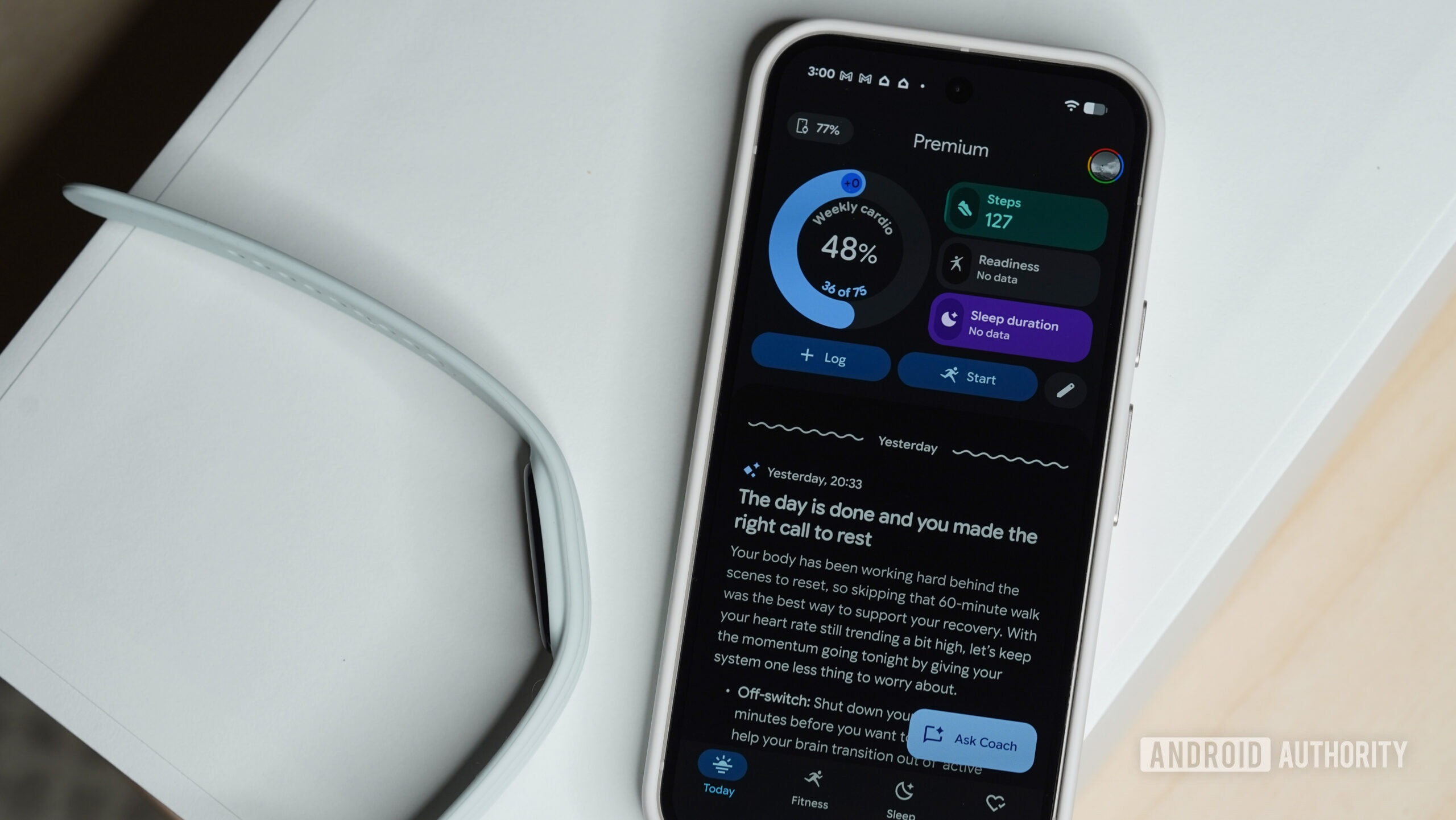
Google’s Health Ambitions and Fitbit’s Role: A Background Context
To fully appreciate the gravity of the Fitbit Air’s current predicament, it’s essential to understand the broader strategic context of Google’s ambitions in the health and wellness technology sector. Google’s acquisition of Fitbit in 2021 for approximately $2.1 billion was a landmark move, signaling its serious intent to compete in the highly lucrative and rapidly expanding digital health market. Fitbit, a pioneer in fitness tracking, brought with it a vast user base, established brand recognition, and extensive expertise in wearable technology and health data analytics. The integration of Fitbit into Google’s ecosystem was intended to bolster Google Health, a platform designed to consolidate and manage various aspects of a user’s health data, from activity levels and sleep patterns to more complex medical information.
The Fitbit Air, launched as a new generation device under Google’s stewardship, represents a critical component of this integrated health vision. It is meant to be a seamless extension of the Google Health app, providing granular data to empower users with insights into their well-being. The expectation, therefore, for a device bearing both the Fitbit and Google names, is one of premium quality, robust functionality, and, crucially, impeccable cross-platform compatibility. In today’s diverse technology landscape, users frequently operate across different ecosystems, owning an Android phone alongside an iPad, or an iPhone alongside a Google-branded wearable. For Google to truly establish itself as a dominant player in health tech, its products must function flawlessly regardless of the accompanying smartphone ecosystem.
The current syncing issues with iOS devices directly undermine this strategic objective. Apple’s ecosystem represents a massive segment of the premium smartphone market, and alienating these users with unreliable performance for a key health product is a significant misstep. It contradicts the very premise of Google’s acquisition of Fitbit – to expand its reach and influence in personal health monitoring. The inability of the Fitbit Air to consistently sync with iOS not only frustrates individual users but also calls into question Google’s broader capacity to deliver on its promise of an inclusive and seamlessly integrated health ecosystem that transcends platform boundaries. This situation highlights the complex challenges of integrating disparate technologies and ensuring a consistent user experience across fiercely competitive and often closed-off ecosystems.
Implications and Broader Impact: Trust, Reputation, and Cross-Platform Challenges
The widespread syncing and pairing failures affecting the Fitbit Air on iOS carry significant implications that extend beyond mere technical glitches. Foremost among these is the severe erosion of user trust. When consumers invest in a premium health device from a globally recognized technology giant like Google, they expect reliability and functionality. Repeated failures, coupled with what users perceive as inadequate support or a lack of transparent communication, can fundamentally damage the trust relationship. This particular issue, affecting a core function of a health tracker, undermines the very premise of using such a device – to accurately monitor and manage personal health. Users who experience their data not syncing correctly may question the accuracy of any data that does manage to transfer, leading to a complete loss of confidence in the product’s utility. This erosion of trust can be incredibly difficult and costly to rebuild.
Secondly, the situation poses a considerable threat to brand reputation, both for Fitbit and, by extension, for Google. Fitbit has historically been synonymous with reliable fitness tracking. These widespread issues risk tarnishing that legacy, potentially associating the brand with instability and poor user experience, particularly under Google’s ownership. For Google, which is aggressively pushing into hardware and services beyond its traditional search and advertising businesses, this reflects poorly on its capability to deliver polished and functional consumer electronics. Negative sentiment, amplified through social media and tech reviews, can deter potential new customers and lead existing users to consider alternatives from competitors.
Thirdly, the problem highlights the inherent challenges of cross-platform strategy in the modern tech landscape. While Google aims to offer its services and hardware to as many users as possible, ensuring seamless integration between a Google-owned device and Apple’s tightly controlled iOS ecosystem is notoriously complex. Technical barriers, proprietary APIs, and differing development philosophies can create significant hurdles. The Fitbit Air’s struggle on iOS suggests that Google may not have fully overcome these challenges, or perhaps underestimated the intricacies involved in maintaining consistent performance across such diverse environments. This is a critical lesson for Google as it continues to expand its hardware portfolio and seeks to make its health ecosystem pervasive.
Finally, there are competitive and economic implications. In a crowded market for wearables and fitness trackers, competitors like Apple Watch, Samsung Galaxy Watch, and various Garmin devices offer strong, often seamless, integration within their respective ecosystems, and increasingly, across platforms. If the Fitbit Air continues to struggle with iOS compatibility, it provides a strong incentive for current and prospective users to switch to rival products that promise a more reliable experience. This could lead to lost sales, increased customer support costs due and warranty claims, and potentially a downturn in Fitbit’s market share, particularly among the valuable iPhone user demographic. The long-term economic impact could be substantial if Google fails to address these issues promptly and effectively, leading to sustained negative perception and customer churn.
The Path Forward: Awaiting an Official Resolution
The current situation demands a swift and decisive response from Google. While reports suggest that Google Support has internally acknowledged the issues as a "known problem," this information has not been widely disseminated through official public channels. The absence of a formal statement, a dedicated support page detailing the issue, or a projected timeline for a fix only adds to user frustration and uncertainty. A comprehensive software patch or firmware update for the Fitbit Air is urgently needed to address the root cause of these syncing and pairing failures.
As of the latest reports, Google has been reached out to for an official statement regarding the widespread complaints and any ongoing efforts to rectify the situation. The tech community and, more importantly, the affected user base, eagerly await a transparent and actionable response. For a company of Google’s stature and resources, resolving critical functionality issues for a key product should be a top priority. A failure to do so risks not only alienating a significant portion of its user base but also undermining its ambitious strategy to become a dominant force in personal health technology. The integrity of the Fitbit brand and Google’s reputation for reliable hardware hang in the balance, underscoring the urgency for a definitive and effective resolution.