Google Pixel 11 Series Launches with Groundbreaking AI and Performance, But Base Model Faces Significant Camera Feature Omissions

The highly anticipated Google Pixel 11 series has officially arrived, heralding a new era for Google’s smartphone lineup with a suite of advancements focused on artificial intelligence and enhanced performance. All four models in the new series—the Pixel 11, Pixel 11 Pro, Pixel 11 Pro XL, and the Pixel 11 Pro Fold—are powered by the formidable Tensor G6 chipset, integrating Google’s cutting-edge Gemini Intelligence and a host of innovative software capabilities designed to redefine the user experience. Among the most intriguing additions are new camera functionalities like Magic Capture and Camera Looks, promising creative photographic possibilities across the board. However, a deeper dive into the specifications reveals a significant segmentation of advanced camera features, with the standard Pixel 11 notably missing out on several key photographic and videographic tools available exclusively on its Pro and Pro XL counterparts. This strategic differentiation by Google raises questions about accessibility for mainstream users and the value proposition of the base model in an increasingly competitive market.
The launch of the Pixel 11 series marks a pivotal moment for Google in its ongoing quest to solidify its position in the premium smartphone segment. The Tensor G6 chipset is touted as a generational leap, offering enhanced on-device AI processing crucial for the seamless integration of Gemini Intelligence across the operating system. This intelligence permeates various aspects of the phone, from smart suggestions and contextual understanding to advanced image processing and real-time language translation. Software features like Magic Capture, which likely leverages generative AI for scene manipulation and object removal, and Camera Looks, offering sophisticated cinematic filters and color grading options, are poised to appeal to a wide audience seeking creative control over their mobile photography. Furthermore, the inclusion of a "Creator Suite" suggests a focus on empowering users with tools for content creation, aligning with broader industry trends.
Despite these universal enhancements, Google’s decision to gate several high-end camera features behind the more expensive Pro and Pro XL models is a clear strategic move to drive premium sales. This approach, while not unprecedented in the smartphone industry, particularly for Google’s own Pixel line, creates a distinct hierarchy within the family. For consumers considering the more accessible standard Pixel 11, understanding these omissions is crucial before making a purchasing decision.
The Disparity Unveiled: Core Missing Camera Features on the Base Pixel 11
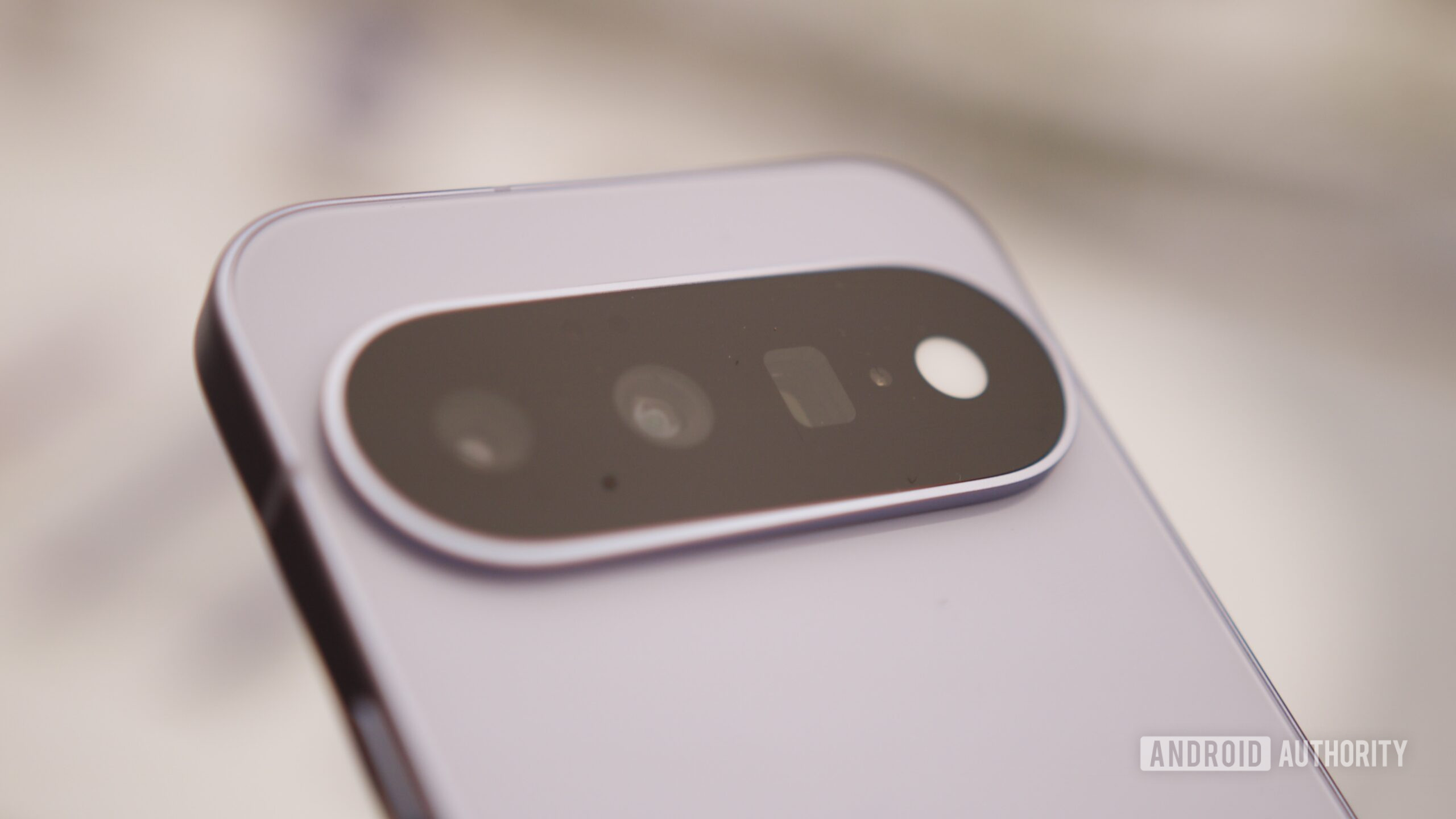
The camera system, a traditional stronghold for Pixel phones, presents the most notable divergence. While the base Pixel 11 still promises a robust photographic experience powered by Google’s computational photography prowess, it is intentionally deprived of several advanced capabilities that professional and enthusiast photographers might covet.
1. 120x Pro Zoom: A Generative AI Leap Restricted to Pro Models
A standout feature making its debut on the Pixel 11 Pro and Pro XL is the groundbreaking 120x Pro Zoom. This capability builds upon the foundation laid by the Pixel 10 Pro phones, which first introduced 100x Pro Res Zoom. The Pixel 10 Pro’s innovation wasn’t merely about optical magnification or digital cropping; it leveraged sophisticated generative AI to produce incredibly sharp images even at extreme zoom levels. Rather than simply enhancing a pixelated image, the AI effectively "generated" a coherent picture based on the real scene, pushing the boundaries of what mobile zoom could achieve.
With the Pixel 11 Pro series, Google has pushed this envelope further to an astounding 120x. This advanced zoom capability remains exclusive to the Pro and Pro XL variants. The standard Pixel 11, by contrast, is limited to a 30x digital zoom. While a 30x digital zoom is respectable for a base model, the absence of the Pro Res Zoom technology, even at a reduced magnification like 20x or 30x, is a clear differentiator. Google’s justification for this omission in the base Pixel 11 is likely tied to its lower-resolution 5x telephoto camera, which may not provide sufficient initial data for the generative AI to perform its magic effectively at extreme ranges. However, some industry observers argue that a toned-down version of Pro Zoom, perhaps capped at 40x or 50x, could have been offered on the standard model to still provide a superior zoom experience without completely mirroring the Pro capabilities. The exclusion highlights Google’s commitment to making the Pro series the definitive choice for long-range photography.
2. High-Resolution Photo Support: An Arbitrary Software Lock?
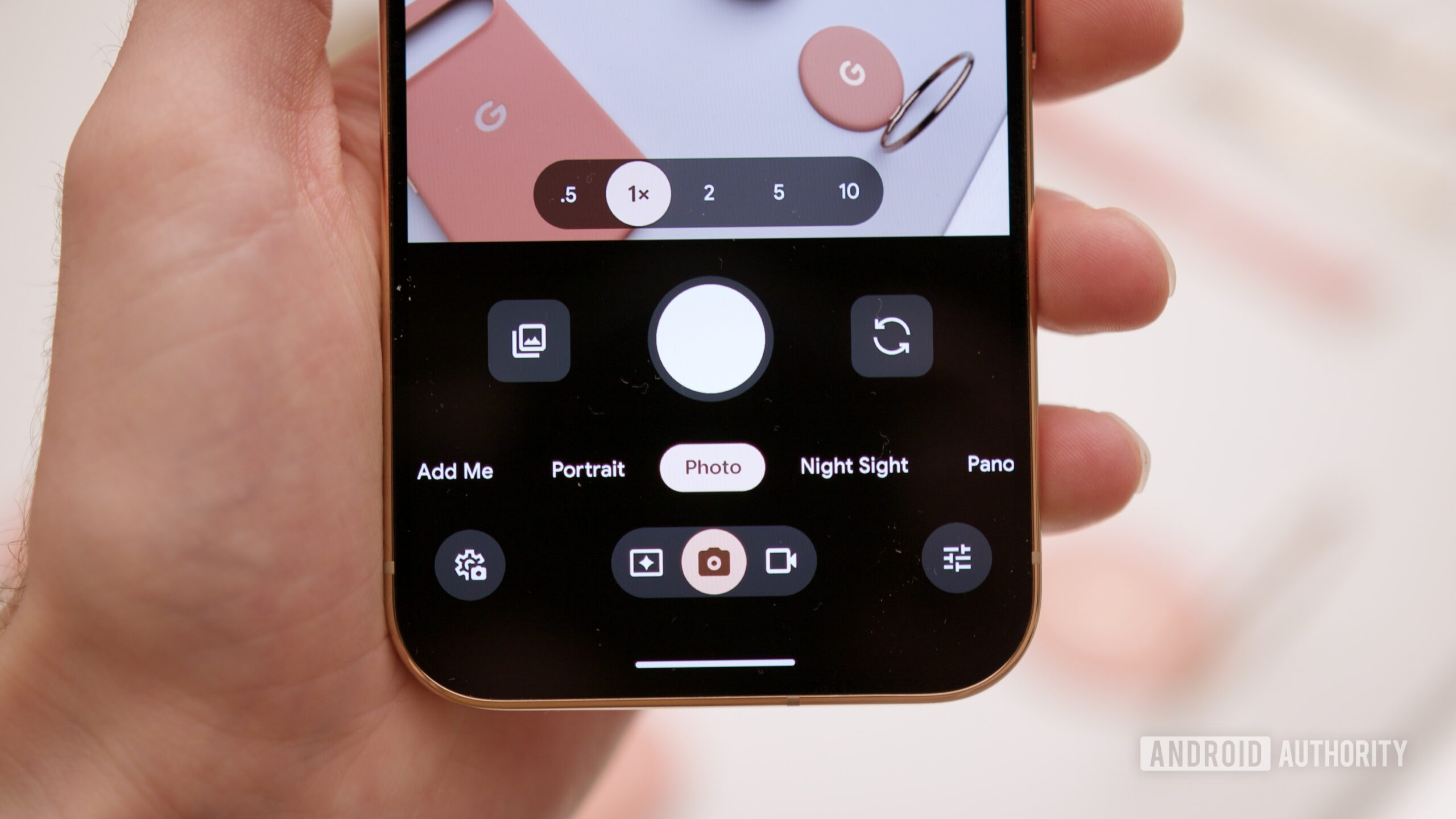
For years, Pixel phones have been equipped with high-resolution main cameras, typically 48MP or 50MP sensors. However, Google’s default setting for capturing images has consistently been pixel-binned 12MP or 12.5MP photos, a technique that combines data from multiple pixels into one "super pixel" to improve light gathering and reduce noise, particularly in low-light conditions. While this approach generally yields excellent results for everyday photography, there are scenarios where photographers desire the full resolution of the sensor for maximum detail, cropping flexibility, or large prints.
The ability to capture full-resolution 48MP or 50MP pictures remains a feature exclusive to Google’s Pro and Pro XL phones, a trend that continues with the Pixel 11 generation. This particular restriction has drawn criticism from some corners of the tech community. While one could argue for hardware limitations in older models (e.g., the Pixel 8 having less RAM than the Pixel 8 Pro), in 2026, with the Tensor G6 powering all models and likely ample RAM even in the base Pixel 11, this disparity feels less about hardware constraints and more about a deliberate software-based segmentation strategy. Analysts suggest that this is a straightforward tactic to create a compelling reason for users to upgrade to the more expensive Pro models, even if the underlying hardware for high-resolution capture is technically present in the standard variant.
3. Manual Controls: A Feature Historically Common on Budget Phones
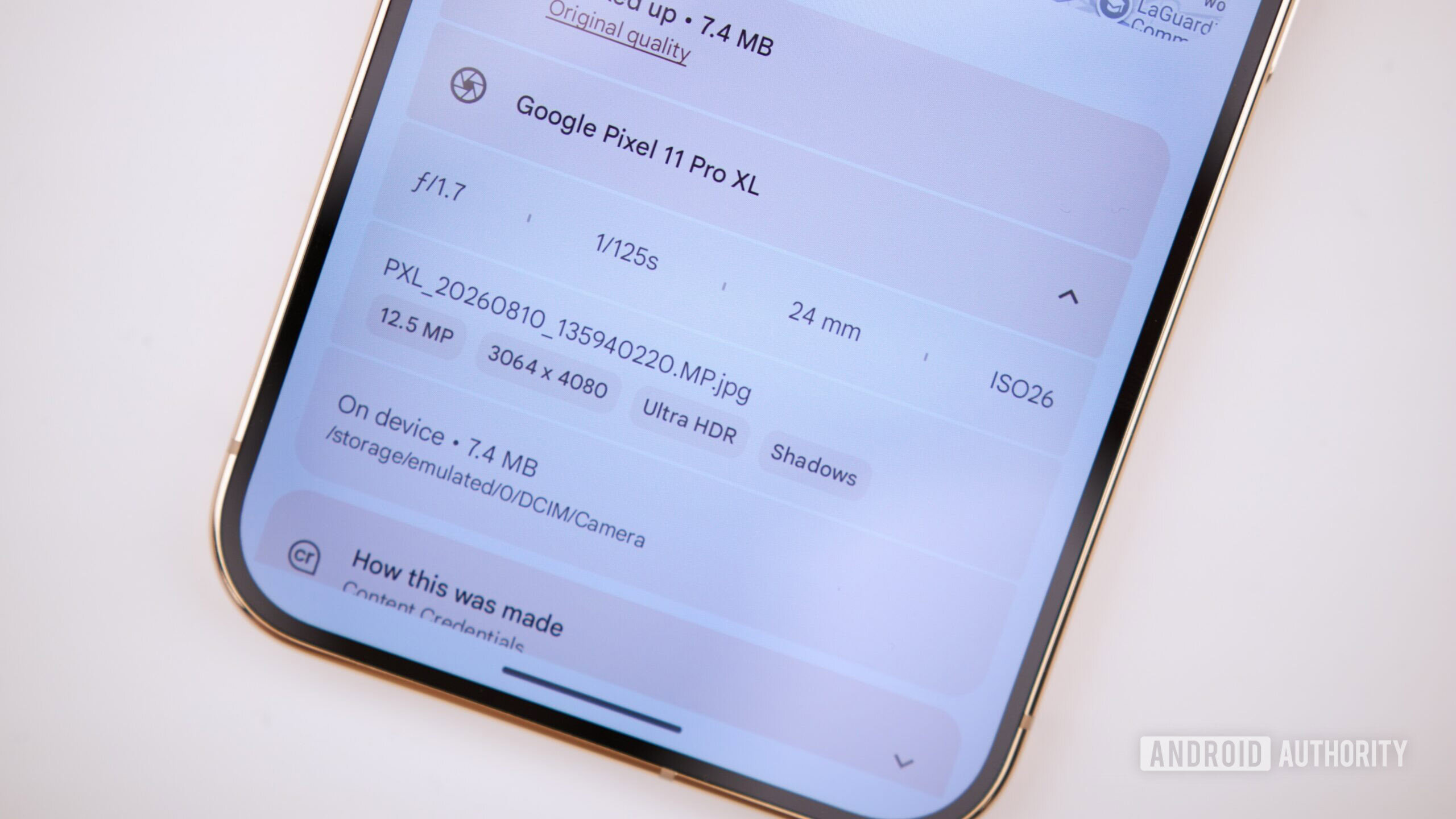
Perhaps one of the most perplexing exclusions for the standard Pixel 11 is the absence of manual camera controls. While Google’s philosophy has always centered around computational photography doing the heavy lifting to deliver excellent results with minimal user input, the ability to manually adjust parameters like ISO, shutter speed, white balance, and focus is a fundamental feature for any serious photographer. These controls offer creative flexibility and allow users to achieve specific artistic effects or overcome challenging lighting conditions that automatic modes might struggle with.
What makes this omission particularly puzzling is that manual camera modes have been a standard feature on many Android smartphones for well over a decade, even appearing on numerous budget and mid-range devices. The argument that "Pro controls are for Pro phones" falls short when considering the ubiquity of this feature across the smartphone spectrum. Industry experts and consumer advocates frequently highlight that such basic controls are no longer a premium offering but a core expectation for smartphone cameras. Restricting them to the Pro series in 2026 feels less like innovation and more like an artificial barrier, potentially frustrating users who want to learn and experiment with photography without committing to a top-tier device. Some speculate that Google could have introduced this as a timed exclusive for Pro phones before rolling it out to standard Pixels, but the continued outright exclusion suggests a firm stance on feature differentiation.
4. Instant Night Sight: A Questionable Omission Despite Shared Hardware
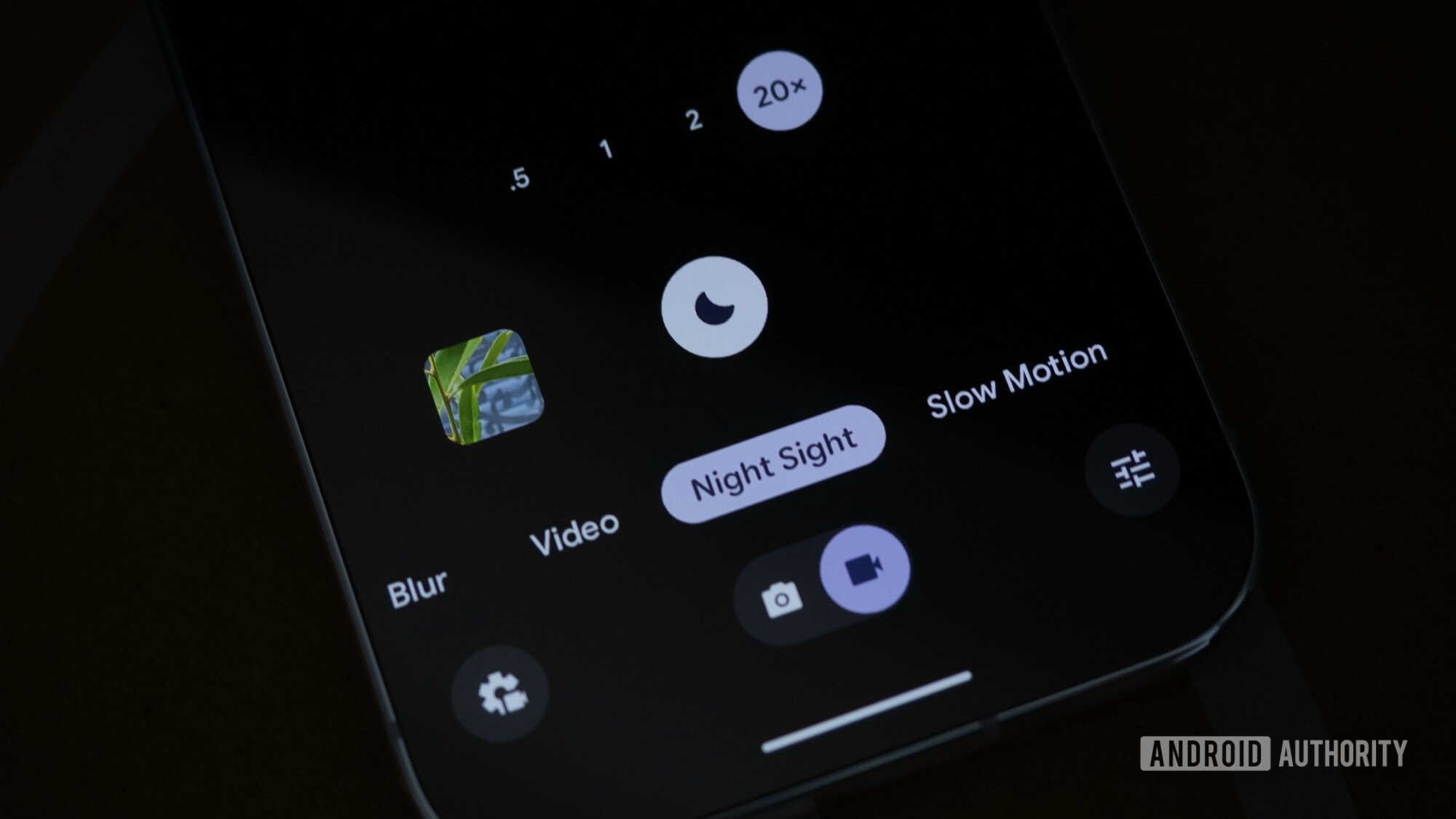
Google pioneered the night mode trend in smartphones with its acclaimed Night Sight feature in 2018, allowing users to capture bright, detailed, and low-noise images in extremely dark conditions by holding the phone still for a few seconds. The Pixel 11 series introduces Instant Night Sight, a significant evolution that captures optimized low-light pictures dramatically faster than previous iterations – Google claims up to 4.5x faster. This speed improvement makes Night Sight more practical for candid shots and reduces the chance of motion blur.
Interestingly, Instant Night Sight is not available on the base Pixel 11 or the Pixel 11 Pro Fold. Google attributes the omission for the foldable phone to a lack of the "upgraded image signal processor" found in the other models. However, the standard Pixel 11 does possess this upgraded silicon, making its exclusion from Instant Night Sight particularly baffling. This discrepancy further fuels the argument that some feature segmentation is driven by marketing and product tiering rather than purely technical limitations. If the hardware is capable, withholding a significant user experience improvement like faster low-light photography on the base model seems like a deliberate strategy to enhance the perceived value of the Pro models.
5. Video Boost: Cloud-Powered Enhancement Remains Pro-Exclusive
Video Boost, first introduced with the Pixel 8 Pro in 2023, is Google’s cloud-based solution for delivering superior video quality. This feature offloads complex video processing to Google’s data centers, resulting in sharper, brighter, and higher-quality video capture, including enhancements for 8K recording and Night Sight Video. While the promise of cloud-accelerated video processing is compelling, it also means that the feature requires an internet connection and upload/download times for the processed footage.
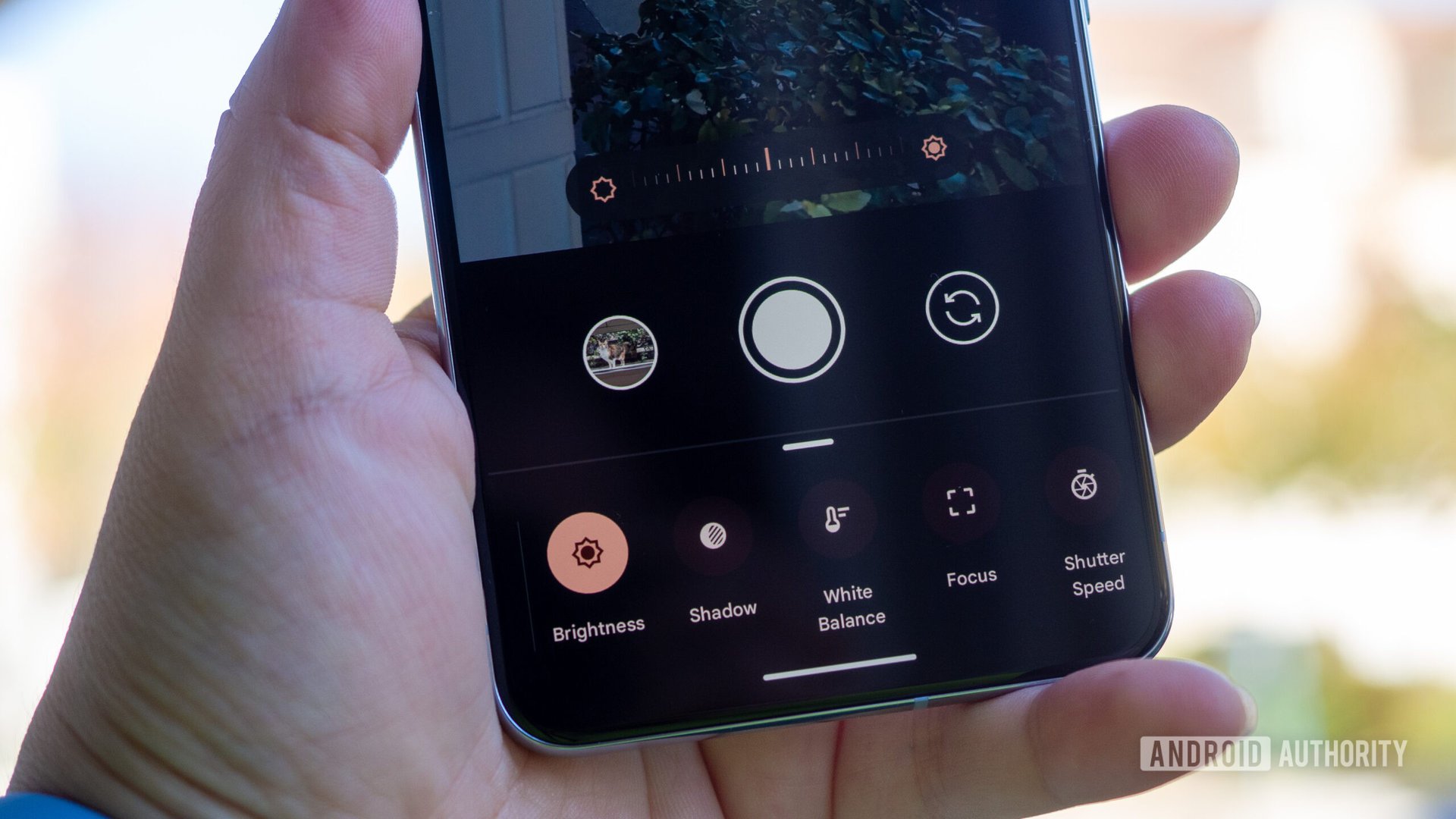
The Pixel 11 continues this trend, with Video Boost remaining exclusive to the Pro and Pro Fold models. Consequently, the vanilla Pixel 11 does not benefit from these advanced video enhancements. This segmentation is notable given that many competitors, such as Samsung and Xiaomi, offer on-device 8K video capture and low-light video functionality without relying on cloud processing. While the cloud approach can theoretically unlock capabilities beyond on-device processing power, its reliance on connectivity and potential latency can be a drawback for users expecting immediate, high-quality results. The continued restriction to Pro models, especially for features like 8K capture which are becoming more common, underscores Google’s strategy to position the Pro line as the ultimate choice for videography.
6. Pro Stable Video: Another Cloud-Dependent Feature for the Elite
Alongside the Pixel 11 phones, Google announced Pro Stable Video, a new mode designed to automatically activate in bright, shaky scenarios, providing exceptionally smooth and stabilized video clips. This feature appears to be Google’s answer to the "Super Steady" or "Action Cam" modes offered by other manufacturers like Samsung and Xiaomi, which deliver highly stabilized footage, often leveraging optical image stabilization (OIS) and electronic image stabilization (EIS) in conjunction.
However, Google confirmed that Pro Stable Video is inherently a Video Boost feature. This immediately places it within the realm of Pro and Pro Fold exclusives, meaning the base Pixel 11 once again misses out. The reliance on Video Boost for stabilization is particularly contentious. While Google’s cloud processing might offer a unique quality advantage, the fact that a fundamental stabilization feature, which rivals provide on-device and without an internet connection, is tied to a cloud service and restricted to premium models, highlights a significant philosophical difference in Google’s approach to feature delivery. It pushes users towards a more expensive model and introduces a dependency on cloud infrastructure for a core video capability.
Google’s Strategy, Industry Context, and Implications
Google’s consistent strategy of segmenting camera features between its base and Pro Pixel models is a clear effort to differentiate its product tiers and encourage upgrades. This approach has historical precedent; for example, the Pixel 8 Pro offered more RAM than the Pixel 8, which could legitimately justify some performance-intensive feature exclusions. However, as hardware capabilities converge across a generation, especially with a unified powerful chipset like the Tensor G6, the justification for software-gated features becomes less about technical limitation and more about market positioning.
Industry analysts suggest that this strategy is increasingly common among smartphone manufacturers, particularly as the market matures and hardware innovations become incremental. Creating compelling "Pro" features, even if some could theoretically be enabled on base models, is a way to maintain perceived value and drive higher average selling prices (ASPs). For Google, which is still working to expand its market share against giants like Samsung and Apple, offering a distinct "Pro" experience is crucial.
However, this segmentation also carries risks. Consumers looking for a well-rounded experience at a more accessible price point might feel underserved by the base Pixel 11’s camera capabilities, especially when competitors offer similar or even superior features (like manual controls or on-device 8K video) across a broader range of their devices. The perceived "arbitrary restrictions" could lead to frustration and potentially push some users towards rival brands that offer a more democratized feature set.
From a broader industry perspective, Google’s reliance on cloud processing for features like Video Boost and Pro Stable Video represents an interesting, albeit potentially divisive, trend. While it allows for computational intensity beyond on-device limits, it also introduces dependencies and questions about privacy, data usage, and the immediacy of results. The debate between on-device and cloud-based AI processing will continue to shape the future of mobile photography and videography.
In conclusion, the Google Pixel 11 series arrives with significant promise, particularly with the powerful Tensor G6 and the pervasive Gemini Intelligence. Features like Magic Capture and Camera Looks offer exciting new creative avenues for all users. However, the deliberate exclusion of 120x Pro Zoom, high-resolution photo support, manual controls, Instant Night Sight, Video Boost, and Pro Stable Video from the standard Pixel 11 creates a stark contrast with its Pro siblings. This strategy, while aimed at solidifying the premium appeal of the Pro models, forces potential buyers of the base Pixel 11 to weigh the considerable camera feature omissions against the otherwise impressive package. For serious photographers and videographers, the message is clear: the Pro models are where Google’s most advanced imaging innovations reside, often at the expense of a more universally feature-rich experience across the entire lineup.