The Evolution of Bachans From a Family Heritage Recipe to a Four Hundred Million Dollar Acquisition

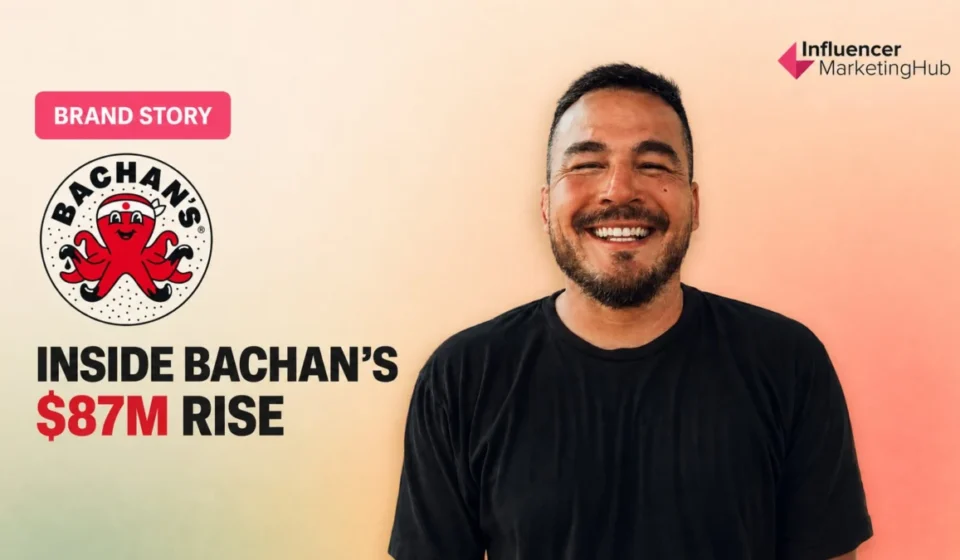
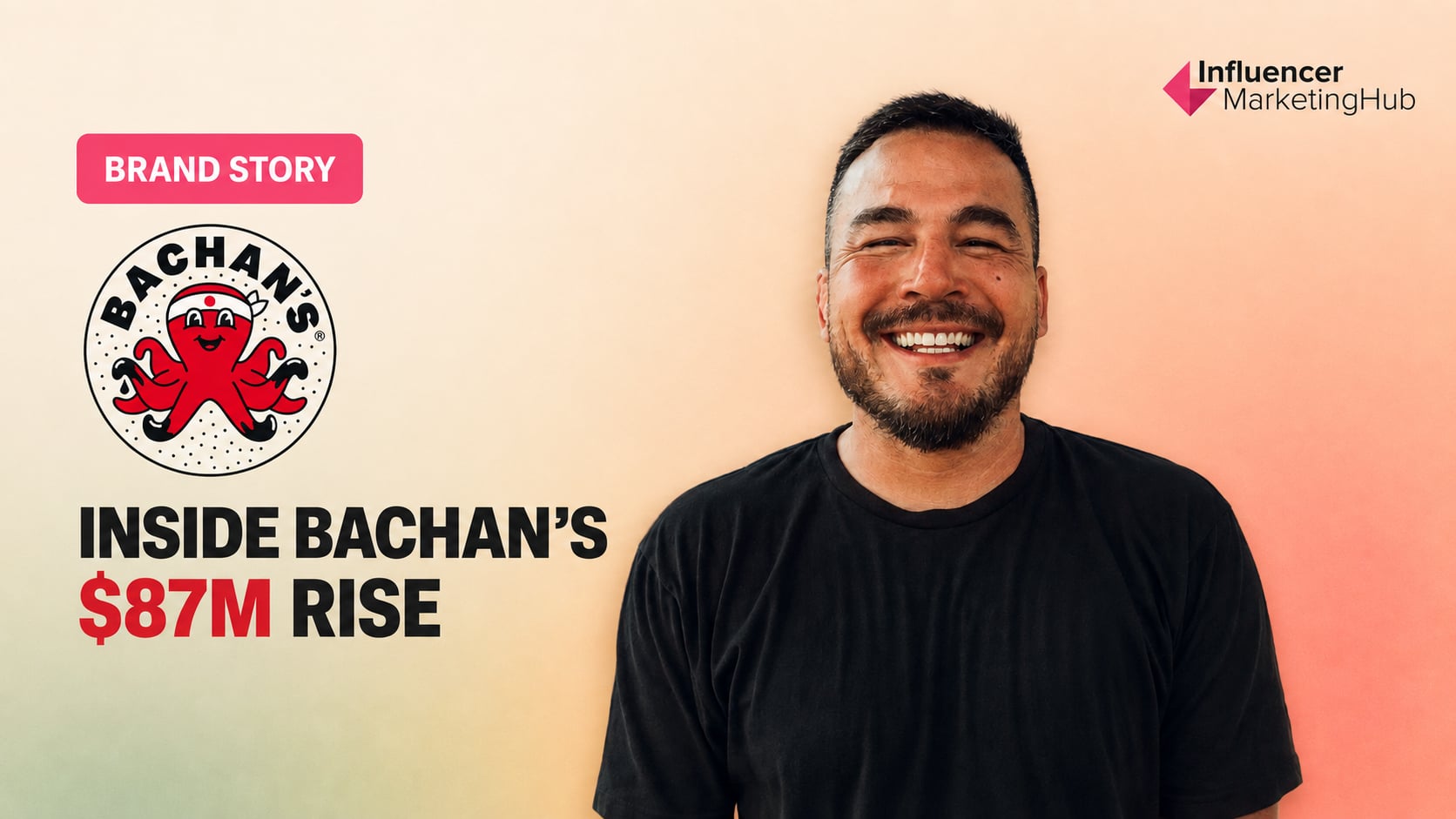
The consumer packaged goods industry witnessed a significant milestone in the condiment sector as The Marzetti Company, a subsidiary of Lancaster Colony Corporation, finalized its acquisition of Bachan’s Inc. for a reported $400 million on May 1, 2026. The transition marks the culmination of a rapid seven-year ascent for the brand, which transformed from a family-run operation in Sebastopol, California, into a market-disrupting force with approximately $87 million in annual net sales. Founded by Justin Gill in 2019, Bachan’s successfully carved out a new sub-category within the $3 billion American barbecue sauce market by introducing "Japanese Barbecue Sauce," a product characterized by its thin consistency, umami-forward profile, and a commitment to clean-label production.
The Foundation of a Heritage Brand
The narrative of Bachan’s is rooted in the Japanese-American experience of the mid-20th century. The company’s name is derived from the Japanese term for grandmother, honoring Gill’s "bachan," Judy Yokoyama. Born in 1936, Yokoyama’s early life was marked by the historical trauma of the Japanese internment camps during World War II, a two-year displacement that fundamentally shaped her family’s reliance on shared meals as a tool for cultural preservation and emotional connection.
The specific sauce recipe was a multi-generational heirloom passed from Yokoyama to Gill’s parents and eventually to Gill himself. For decades, the sauce existed only as a private family staple. Its commercial potential was first realized through an unconventional testing ground: the family’s landscaping business. During the holiday seasons, the family would hand-fill bottles to distribute as gifts to clients. The organic demand was immediate and persistent, with customers returning empty bottles to the landscaping office, requesting refills or offering to purchase the recipe. This early feedback loop provided Gill with proof of concept long before the brand had a formal marketing budget or retail presence.
The Six-Year Development and Technical Innovation
Despite the clear demand, bringing the family recipe to a commercial scale required a six-year development period beginning in 2013. Gill, who possesses a background in science, faced significant resistance from industry consultants and co-packers. Traditional manufacturing standards encouraged the use of pasteurization, the addition of water as a filler, and the inclusion of preservatives to ensure shelf stability—changes that Gill argued compromised the integrity of the original flavor profile.
To preserve the "character" of the family recipe, Gill conducted 49 separate iterations, eventually settling on a "cold-fill" process. Unlike the high-heat processing typical of mass-market sauces, cold filling allows the product to maintain the potency of its fresh ingredients—including traditionally brewed non-GMO soy sauce, Japanese mirin, organic garlic, ginger, and green onion—without artificial additives. This technical decision became the cornerstone of the brand’s mission statement, "Our Ingredients Matter," and served as a primary point of differentiation in a crowded category dominated by high-fructose corn syrup and thickeners.
The brand’s visual identity was also forged during this period. While on a family heritage trip to Japan and Cambodia in 2017, Gill received an octopus tattoo from renowned artist Ganji at Tokyo Three Tides. This image inspired "Octo," the red octopus mascot that would eventually become the brand’s most recognizable visual asset and a central figure in its retail recognition strategy.
Strategic Market Positioning and Product Education
When Bachan’s launched in 2019, it faced the dual challenge of entering a mature category and educating consumers on a product that did not behave like traditional American barbecue sauce. American variants are typically thick, tomato-based, and used as a heavy coating. In contrast, Bachan’s was soy-based and thin, leading to consumer confusion regarding its relationship to teriyaki or standard soy sauce.
To address this, the brand employed a deliberate titling strategy. The phrase "Japanese Barbecue Sauce" was given the most prominent position on the original label to define the category for the shopper. Once the brand achieved household name status, a 2025 redesign shifted the "Bachan’s" name to the forefront, signaling the brand’s transition from a category descriptor to a standalone power brand.
Data-Driven Creator Marketing and Social Proof
The scale of Bachan’s growth is inextricably linked to its sophisticated use of social media and creator partnerships. According to data analyzed via HypeAuditor, the brand’s social footprint is uniquely distributed across the influencer spectrum. While many brands prioritize celebrity endorsements, Bachan’s organic mentions are dominated by nano and micro-creators, who account for 68.8% of the total accounts posting about the brand.
This strategy allowed the brand to demonstrate versatility across various culinary traditions. Creators used the sauce not just for Japanese dishes like gyudon or musubi, but as a "secret ingredient" in American barbecue, Latin American staples, and everyday family meal prep. The use of Reels and TikTok videos was particularly effective, representing 83.2% of mentions. The short-form video format allowed viewers to see the sauce’s unique viscosity—how it coats protein, reduces into a glossy glaze, or integrates into fried rice—providing visual education that a static advertisement could not achieve.
Bachan’s also demonstrated a high level of responsiveness to organic trends. When a creator’s video featuring the sauce reached millions of views, the brand would often initiate contact, fostering long-term loyalty through product support. This "bottom-up" approach ensured that the product was perceived as a kitchen staple rather than a transient marketing trend.
The Role of Strategic Collaborations
As distribution expanded to major retailers like Whole Foods, Target, and Costco, Bachan’s utilized limited-edition collaborations to enter different aisles of the grocery store. One of the most prominent examples was the 2026 partnership with the SPAM brand. By monitoring social media, Bachan’s identified that fans were already frequently pairing the two products in recipes. This led to the launch of "SPAM Japanese Barbecue Sauce Flavored," sold exclusively through Walmart.
Other partnerships included:
- Nissin Top Ramen: Integrating Bachan’s flavors into the instant noodle category.
- Laoban Dumplings: Featuring the sauce in frozen Taiwanese-style popcorn chicken.
- Hissho Sushi: A retail partnership that placed Bachan’s inside ready-to-eat sushi burritos across 2,200 grocery locations.
These collaborations served a dual purpose: they reinforced the sauce’s versatility and allowed the brand to capture market share in the frozen food, canned meat, and prepared meal sectors without the overhead of developing those products internally.
The "Look for the Octopus" Campaign and Brand Recall
By 2026, the brand’s focus shifted from product education to brand recall. Recognizing that customers frequently referred to the product as "the octopus sauce," Bachan’s launched its largest paid media initiative, the "Look for the Octopus" campaign. This national effort utilized streaming TV, paid social, and digital video to personify Octo as a character representing family and togetherness.
The campaign effectively divided marketing duties: while creators handled the "how-to" and recipe inspiration, the national ads focused on shelf recognition. By reinforcing the visual cue of the red octopus, the brand ensured that its $400 million valuation was backed by high mental availability among shoppers in high-traffic retail environments.
Analysis of the Marzetti Acquisition and Future Implications
The acquisition of Bachan’s by The Marzetti Company represents a strategic move for Lancaster Colony to diversify its portfolio into the premium, clean-label space. Marzetti, a 130-year-old manufacturer, brings massive supply-chain infrastructure and deep experience in licensing—specifically for brands like Chick-fil-A and Buffalo Wild Wings.
However, the deal has sparked debate among industry analysts and consumers regarding the "Big Food" effect on independent brands. Critics point to past acquisitions, such as Annie’s (General Mills) or Cholula (McCormick), where reformulations or shifts from organic to conventional ingredients occurred to increase margins at scale. Concerns have been raised on platforms like TikTok, where users have highlighted the potential risks of moving from small-batch cold filling to continuous industrial processing.
In response to these concerns, Bachan’s issued official statements via LinkedIn and other professional channels, asserting that the family recipe and production standards remain under strict protection. The company emphasized that the partnership with Marzetti is intended to facilitate faster distribution and innovation rather than cost-cutting through ingredient substitution.
Chronology of Key Events
- 1936: Judy Yokoyama (Bachan) is born; her family later develops the core sauce recipe.
- 2013: Justin Gill begins the commercial development process for Bachan’s.
- 2019: Bachan’s officially launches, initially managed by the Gill family.
- 2020-2024: Rapid expansion into major retailers; the brand becomes a viral success on TikTok and Instagram.
- March 2026: Launch of the "Look for the Octopus" national campaign and the SPAM collaboration.
- May 1, 2026: The Marzetti Company completes the $400 million acquisition of Bachan’s Inc.
The trajectory of Bachan’s serves as a contemporary blueprint for brand building in the digital age. By leveraging deep-rooted heritage, maintaining rigorous production standards against industry pressure, and utilizing a decentralized creator network, the brand transformed a simple family condiment into a significant cultural and financial asset. The success of the brand under Marzetti’s ownership will likely be judged by its ability to maintain its "small-batch" reputation while operating within a global manufacturing framework.