WhatsApp Will Finally Let You Pick Your Own Emoji Reactions, But There’s a Catch

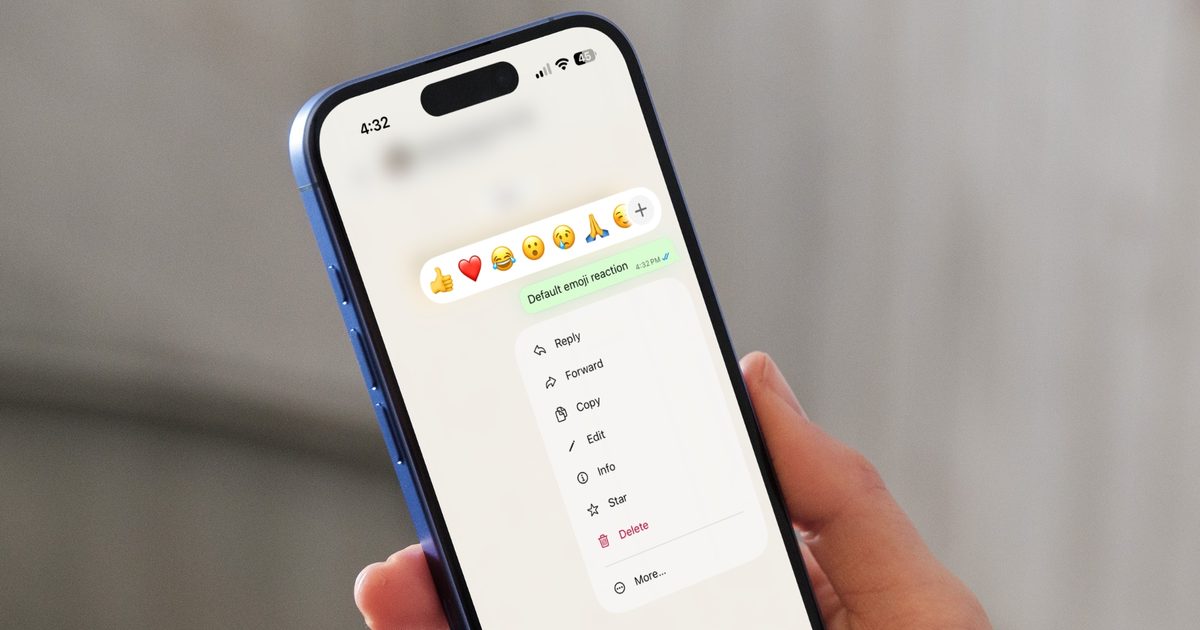
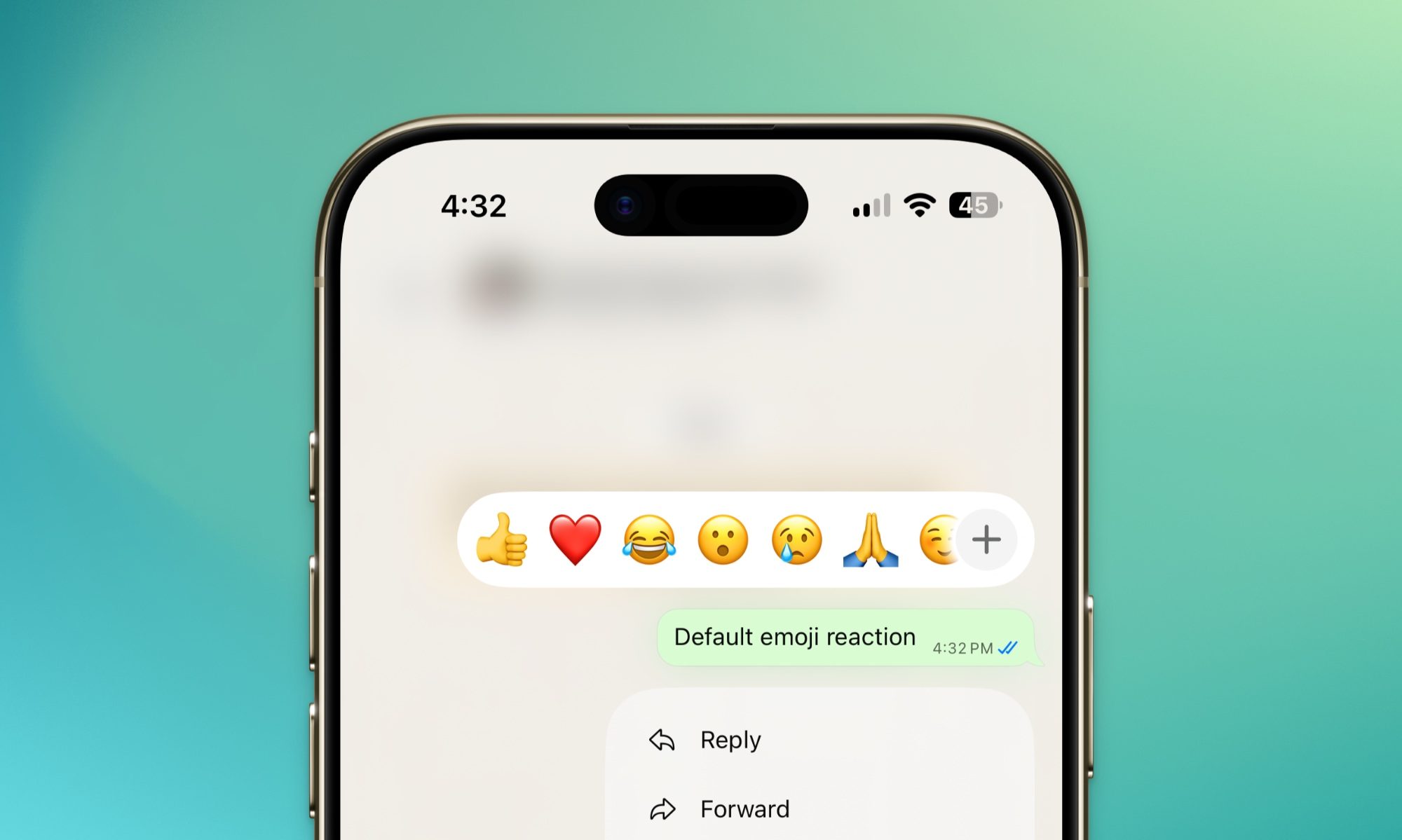
WhatsApp, the ubiquitous messaging platform with over two billion monthly active users, is set to introduce a significant enhancement to its message reaction feature. For years, users have been limited to a predefined set of six emojis when reacting to messages – Thumbs Up, Red Heart, Face with Tears of Joy, Surprised Face, Crying Face, and Folded Hands. This limitation has often meant that users had to resort to tapping the "+" icon to access a wider array of emojis, thereby negating the "quick" aspect of reactions. However, recent developments indicate that this is about to change, allowing for a more personalized and expressive communication experience.
Evolution of WhatsApp’s Reaction Feature
The ability to react to messages was first introduced by WhatsApp in May 2022, a feature that had already been implemented by competitors like Facebook Messenger and Telegram. At its inception, the feature offered a curated selection of seven emojis. This was later refined to the current six, aiming to provide universally understood and frequently used emotional responses. While this move streamlined the reaction process, it also sparked a recurring user request: the ability to customize this default selection. The current system, while efficient for common sentiments, often falls short when users wish to express a more nuanced or specific emotion with a single tap. The process of long-pressing a message and then selecting from the limited tray, followed by an additional tap for less common emojis, can indeed feel cumbersome for those who frequently engage with a broader spectrum of emotional expressions.
Development and Beta Testing Across Platforms
The quest for customizable emoji reactions has been a long-standing desire within the WhatsApp user community. Evidence of WhatsApp’s commitment to addressing this has emerged through ongoing beta testing. Last month, the feature was observed being tested on the Android platform, signaling a significant step towards its public release. Now, in a development that will be welcomed by iPhone users, the identical functionality has been spotted in the WhatsApp beta for iOS, specifically version 26.32.10.16 on TestFlight. This parallel testing across both major mobile operating systems indicates a coordinated effort by Meta, WhatsApp’s parent company, to roll out this highly anticipated feature globally in the near future.
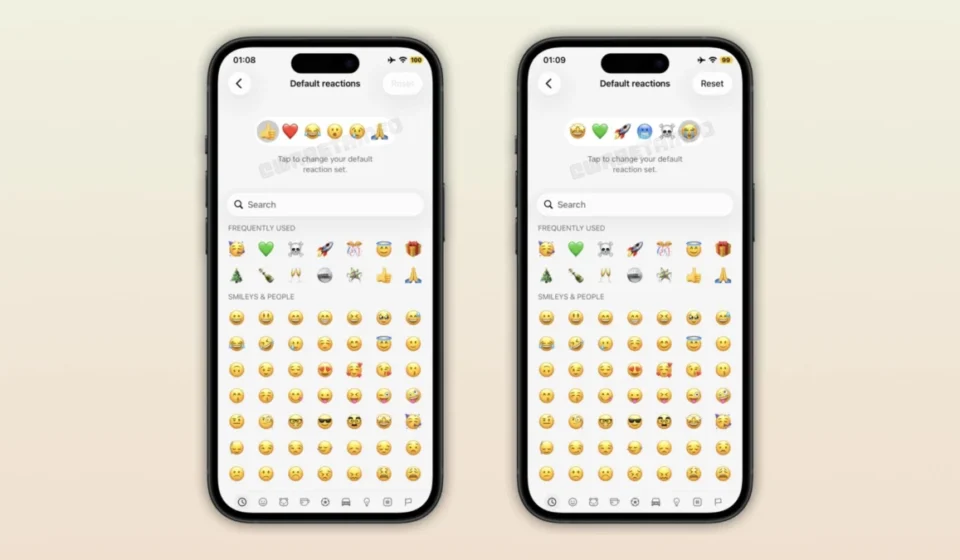
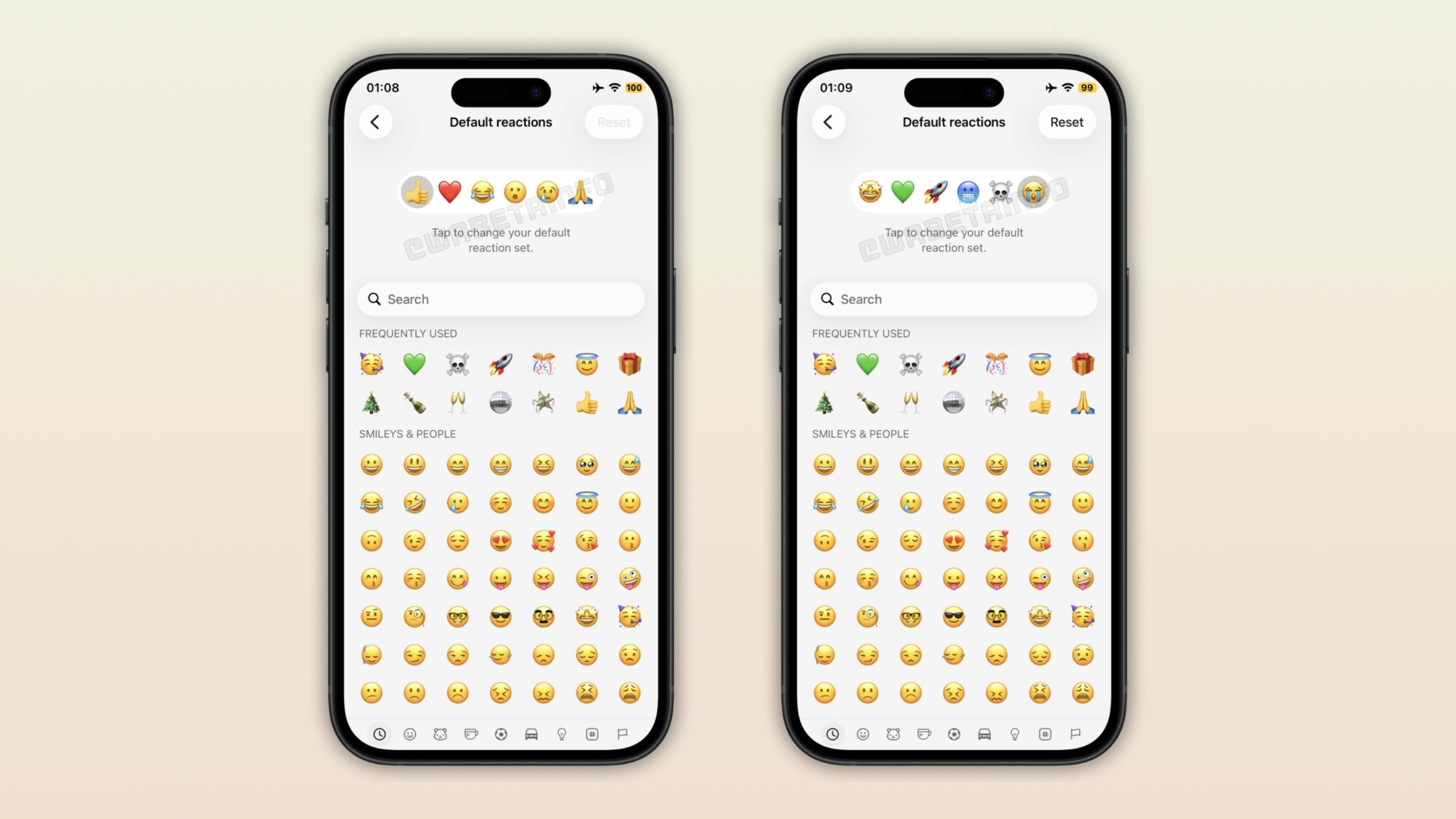
According to reports from WABetaInfo, a reputable source for WhatsApp news and updates, the iOS beta allows users to access a dedicated section within the app’s settings to manage their default reaction emojis. This suggests a user-friendly interface designed for easy customization. The current default reaction tray displays the six pre-selected emojis, followed by a user’s most frequently used emojis, and finally, the "+" button to access the full emoji library. The upcoming update aims to replace the initial six with user-chosen alternatives, streamlining the quick reaction process significantly.
How the New Reaction Tray Will Function
The envisioned functionality of the new reaction tray is straightforward and user-centric. Once the feature is officially rolled out, users will navigate to their WhatsApp settings. Within the settings, a new option is expected to appear, allowing them to select and assign any emoji from the extensive Unicode standard to one of the six primary reaction slots. This means that instead of being confined to the universally recognized, but sometimes limiting, set of default emojis, users can curate a personalized palette that better reflects their communication style and emotional nuances.
For instance, a user who frequently uses a specific celebratory emoji or a particular face of amusement could assign it to one of the quick reaction slots, eliminating the need to delve into the full emoji picker. Conversely, those who rarely use certain default reactions, such as the "Crying Face" or "Thumbs Up," could replace them with more relevant options. WABetaInfo has provided visual evidence of this feature through screenshots, showcasing a side-by-side comparison of the default emoji set and a fully personalized version, illustrating the potential for a truly bespoke reaction experience. The ability to easily restore the original default set should also be available, providing flexibility for users who may wish to revert or experiment with different combinations.
The implications of this feature extend beyond mere convenience. In a digital communication landscape where brevity and expressiveness are paramount, customizable reactions can enhance the speed and accuracy of conveying emotions. This could be particularly beneficial in group chats, where quick acknowledgments or emotional responses are common, allowing for more dynamic and engaging conversations. The ability to tailor reactions to specific social circles or even individual contacts could further deepen the personal touch of digital interactions.
The Catch: WhatsApp Plus Subscription Model
While the prospect of personalized emoji reactions is exciting, there is a significant caveat that will limit its immediate accessibility for many users. This feature is reportedly being bundled as part of the "WhatsApp Plus" subscription service. WhatsApp Plus is an umbrella term for a series of premium features that Meta is gradually introducing to the messaging app, aiming to monetize its vast user base beyond its traditional advertising model. Other features associated with WhatsApp Plus include enhanced chat management options, such as the ability to pin up to 20 chats, custom app icons, and advanced theming capabilities.
The inclusion of customizable emoji reactions within this subscription tier means that users who do not opt for the paid service will not be able to benefit from this enhancement. This creates a tiered user experience, where core functionalities are increasingly tied to a premium subscription. For a platform that has historically been free and accessible to all, this shift towards a subscription model for advanced features, even seemingly minor ones like emoji customization, has been met with mixed reactions from the user community.
The rationale behind this strategy for Meta is likely multifaceted. Firstly, it provides a direct revenue stream from a platform with billions of users, diversifying its income sources. Secondly, it allows for the continuous development and introduction of new features without solely relying on advertising revenue, which can be volatile. By segmenting features, Meta can also cater to different user segments – those who prioritize advanced functionality and are willing to pay for it, and those who are content with the standard, free offering.
However, this approach also raises concerns about digital equity and accessibility. Features that enhance the user experience, even if not strictly essential, could become privileges rather than universal improvements. The precedent set by this move could influence the development of other popular messaging and social media applications, potentially leading to a future where advanced customization and expressive tools are behind paywalls.

Broader Implications and Future Outlook
The introduction of customizable emoji reactions, even with the subscription catch, signifies WhatsApp’s ongoing commitment to evolving its user experience. The ability to personalize reactions aligns with a broader trend in digital communication, where users seek greater control over their online identity and how they express themselves. As the digital world becomes increasingly integrated into our daily lives, features that allow for more nuanced and personalized communication gain significant value.
The success of this particular feature within the WhatsApp Plus ecosystem will likely be a key indicator for Meta’s future strategy regarding feature gating. If users embrace the subscription model for these enhanced functionalities, it could pave the way for further premium offerings. Conversely, a lukewarm reception might prompt a re-evaluation of the pricing or bundling strategy.
From a technical standpoint, the parallel development and testing across iOS and Android suggest a robust and well-planned rollout. The underlying infrastructure required to manage user-defined emoji preferences for billions of users is complex, and its successful implementation would be a testament to WhatsApp’s engineering capabilities.
The long-term impact of this feature will depend on its adoption rate and how effectively it integrates into the daily communication habits of its users. While the subscription requirement is a barrier for many, the core functionality addresses a genuine user request. It remains to be seen whether the convenience and personalization offered by custom emoji reactions will be compelling enough to drive widespread adoption of WhatsApp Plus, or if the free tier will continue to serve the vast majority of WhatsApp users with its established feature set. The evolving landscape of digital communication, driven by user demand for personalization and platforms seeking new revenue streams, suggests that such developments are likely to become more common across the digital sphere.