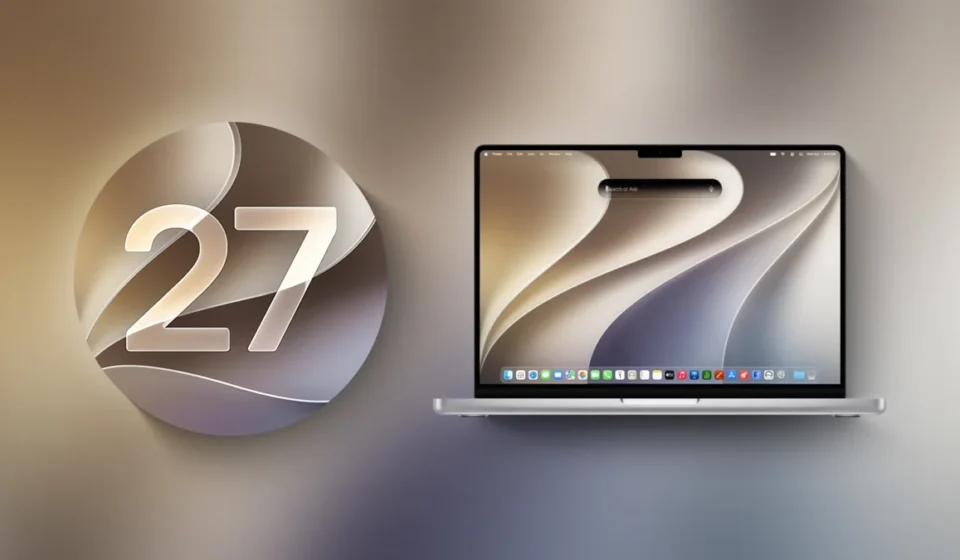
MacOS Golden Gate Phased Sunset Continues, Paving Way for Intel Feature Removal in macOS 28

Apple’s ongoing commitment to refining its operating system ecosystem has led to the phased removal of legacy features and services, a trend that continues with macOS Golden Gate and is set to accelerate with the upcoming macOS 28. This strategic shift aims to streamline the user experience, enhance performance, and ultimately, complete the transition away from Intel-based architecture within the macOS environment. The latest version, macOS Golden Gate (macOS 27), has already begun this process by deprecating support for certain older technologies, impacting some devices and accessories, and signaling a clear direction for future macOS releases.
The most significant change on the horizon, detailed in the recent announcement, concerns Rosetta 2. Expected in the fall of 2027 with the release of macOS 28, this update will largely discontinue support for Rosetta 2, the translation layer that has allowed Intel-based Mac applications to run on Apple Silicon Macs. While most applications relying on Rosetta will cease to function, Apple has indicated a deliberate exception for unmaintained legacy games, acknowledging their historical significance and the potential difficulty in updating them. This move underscores Apple’s long-term strategy to fully embrace its own ARM-based silicon, pushing developers and users alike towards native Apple Silicon applications.
The implications of this shift are substantial for users who may still rely on older software. In macOS Golden Gate, users encountering applications that depend on Rosetta are now presented with a warning. This notification serves to inform users that their applications may not continue to function in future macOS versions without a developer update. To provide transparency and assist users in managing this transition, Apple has integrated a dedicated section within the system settings. Users can navigate to Settings > General > About > Intel-Based Apps to view a detailed list of affected applications and their reliance on Rosetta. This proactive approach aims to equip users with the information needed to plan for software updates or replacements.
The Genesis of a Transition: From Intel to Apple Silicon
The phasing out of Intel-specific features is not a sudden development but a culmination of Apple’s strategic pivot towards its in-house silicon. The transition began in earnest with the introduction of the M1 chip in late 2020. This marked a monumental shift, signaling Apple’s intention to unify its hardware and software development across its product lines, promising enhanced performance, power efficiency, and tighter integration.
macOS Golden Gate, representing macOS 27, is the latest iteration in this ongoing evolutionary path. Its release in September 2026 followed a period of extensive developer betas since June of the same year, allowing third-party developers ample time to adapt their applications for Apple Silicon. The core features of macOS Golden Gate, as announced by Apple, included advancements in Siri AI capabilities, a refreshed design language, and notable performance enhancements, all built upon a foundation optimized for Apple’s own processors. The announcement of its release date, September 14, 2026, coincided with the rollout of other major operating system updates, including iOS 27, iPadOS 27, watchOS 27, tvOS 27, and visionOS 27, highlighting a synchronized ecosystem-wide evolution.
Rosetta 2: A Bridge Nearing Its End
Rosetta 2 has served as a critical bridge during the transition from Intel to Apple Silicon. Introduced with macOS Big Sur in 2020, it allowed a vast library of existing Intel-based Mac applications to run on the new M-series chips with remarkable performance, often approaching native speeds. This emulation technology was instrumental in ensuring a smooth migration for users and businesses, mitigating the immediate disruption of a complete software overhaul.
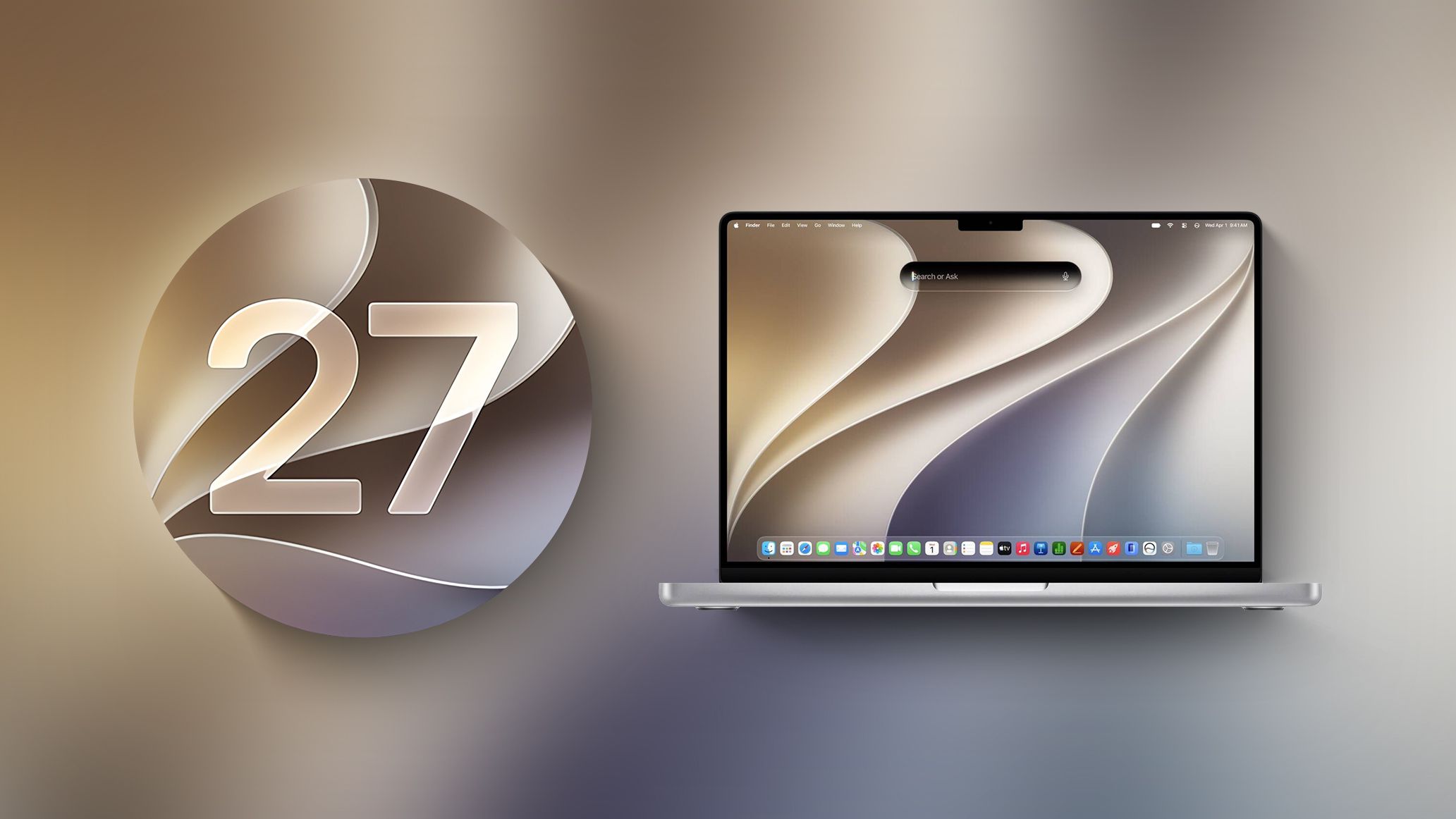
However, the long-term vision for macOS has always been to fully leverage the unique architecture of Apple Silicon. The increasing maturity of Apple’s M-series chips, coupled with the growing number of applications rebuilt or optimized for native performance, has made the continued reliance on Rosetta 2 less critical. The decision to phase out Rosetta 2 in macOS 28 is a logical progression, enabling Apple to further optimize the operating system for its silicon, potentially unlocking new performance gains and efficiencies that are constrained by the overhead of emulation.
Broader Implications of the Intel Feature Removal
The ongoing removal of Intel-based features extends beyond Rosetta 2. Apple has been systematically deprecating older technologies and frameworks that are intrinsically tied to Intel architecture. This includes certain graphics drivers, power management features, and system utilities that were developed with Intel processors in mind. The rationale behind this comprehensive cleanup is multifaceted:
- Performance Optimization: By removing code paths and dependencies related to Intel, macOS can be streamlined, leading to faster boot times, quicker application launches, and more responsive overall performance on Apple Silicon.
- Enhanced Power Efficiency: Apple Silicon is designed for exceptional power efficiency. Removing Intel-specific optimizations allows the operating system to better manage power consumption on these new chips, extending battery life.
- Simplified Development and Maintenance: A unified codebase for Apple Silicon simplifies Apple’s internal development and maintenance efforts, allowing them to focus resources on innovating for their proprietary hardware.
- Future-Proofing: As Apple continues to push the boundaries of its silicon technology, shedding legacy dependencies ensures that macOS remains at the forefront of technological advancement.
User and Developer Reactions: A Shift Towards Native
While the transition may present challenges for some, the overall sentiment among tech analysts and developers appears to be one of understanding and anticipation. The extended beta periods and clear communication from Apple have provided a runway for adaptation. Developers have been actively encouraged and supported in migrating their applications to Apple Silicon. The existence of native versions of popular applications, often offering superior performance and functionality, demonstrates the viability and benefits of this shift.
The flexibility introduced with iOS 27 and macOS Golden Gate, allowing users to swap out Siri for third-party AI models like Claude and ChatGPT, hints at Apple’s broader strategy of integrating advanced AI capabilities. This modular approach to AI services suggests that future macOS versions will continue to embrace external innovations while optimizing core system functions for their own hardware. The ability to delegate AI tasks to specialized models, as revealed by code analysis of private frameworks, underscores a sophisticated design that prioritizes user choice and cutting-edge AI integration, irrespective of the underlying processor architecture.
Looking Ahead: A Seamless Apple Ecosystem
The ongoing evolution of macOS, from the foundational work in macOS Golden Gate to the forthcoming changes in macOS 28, reflects Apple’s unwavering commitment to a cohesive and forward-thinking ecosystem. The gradual retirement of Intel-specific features is a necessary step in realizing the full potential of Apple Silicon, promising a future of enhanced performance, greater efficiency, and a more seamless user experience across all Apple devices. While the immediate impact might require some users and developers to adapt, the long-term benefits of a fully optimized, silicon-native macOS are expected to far outweigh the transitional hurdles. The company’s proactive communication and the provision of tools to monitor and manage this transition are indicative of a carefully planned evolution, designed to ensure that the Mac continues to be a powerful and intuitive platform for years to come. The era of Intel on macOS is definitively drawing to a close, heralding a new chapter defined by the unparalleled capabilities of Apple’s own silicon.