Google Wallet Arrives on iOS in the U.S., Offering Digital Essentials Management Without Contactless Payments

Google Wallet has officially launched on iOS in the United States, marking a significant expansion of Google’s digital services onto Apple’s dominant mobile platform. The app, available for download on the Apple App Store, promises to consolidate a range of digital essentials for iPhone users, including loyalty cards, tickets, boarding passes, and receipts. However, a crucial functionality present in its Android counterpart and Apple’s own Wallet app—contactless payments via NFC—is notably absent in this initial iOS release, limiting its direct competition with Apple Pay for in-store transactions.
The rollout signifies Google’s ongoing strategy to extend its digital ecosystem across various platforms, aiming to capture users regardless of their primary smartphone choice. While the absence of tap-to-pay functionality might temper immediate enthusiasm for some users, the app’s robust integration with Google’s services could still offer compelling utility for a specific segment of the iPhone user base.
Bringing Google’s Digital Toolkit to the iPhone Ecosystem

The new Google Wallet app for iOS is designed to serve as a centralized hub for a user’s digital life, leveraging seamless integration with other Google applications. A key feature highlighted by Google is the app’s ability to automatically sync and organize various digital items directly from Gmail and other Google services. This includes flight itineraries, package tracking information, concert tickets, and event passes, effectively eliminating the need for users to manually search through their email inboxes or disparate apps to find these crucial details.
For physical items that users wish to digitize, Google Wallet on iOS allows for the scanning of loyalty cards, such as those for retail stores or gym memberships, using the iPhone’s camera. This feature aims to reduce the physical clutter of wallets and keychains, consolidating these items into a single digital interface.
Furthermore, the app is poised to enhance the online shopping experience for users who have saved their payment cards with Google Pay. By integrating with Google Pay, the Wallet app can facilitate faster online checkouts, streamlining the process for purchases made through Google’s payment infrastructure. This aspect underscores Google’s intent to maintain a connected payment and purchasing experience for its users, even when they are not on an Android device.
Google is also positioning Wallet as a comprehensive management tool for purchases made through its various AI-powered services and online retail channels. Users can expect to find order confirmations, digital receipts, and real-time delivery updates consolidated within the app. This unified approach to purchase management aims to provide users with an easily accessible overview of their spending and pending deliveries, simplifying post-purchase tracking and reducing the administrative burden of managing online orders. The app’s availability on the App Store means that millions of iPhone users in the U.S. can now explore these organizational benefits.

A Key Distinction: The Absence of Tap-to-Pay
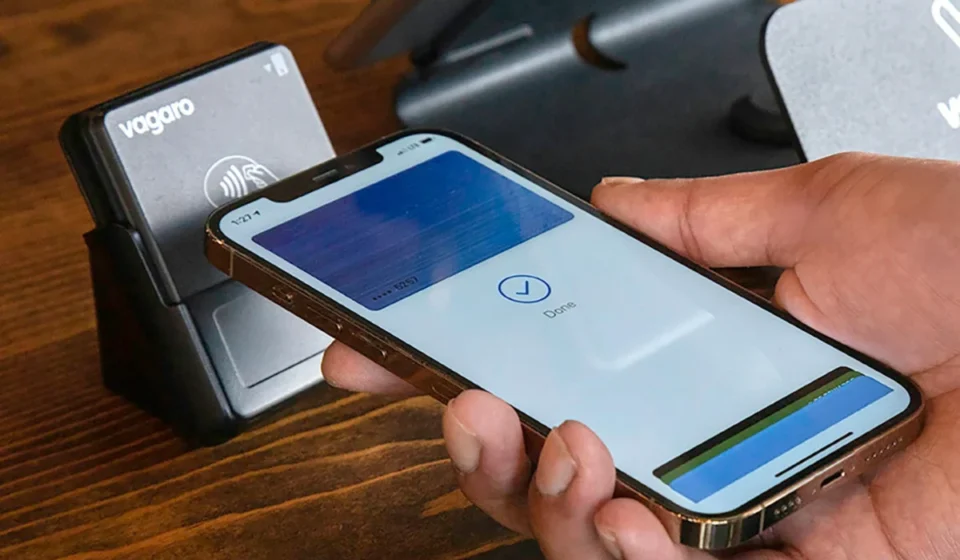
The arrival of Google Wallet on iOS inevitably draws a direct comparison with Apple’s native Wallet app. Both applications aim to store and manage a variety of digital credentials, including tickets, passes, loyalty cards, and payment information. However, the current iteration of Google Wallet for iOS conspicuously omits support for Near Field Communication (NFC) technology, which is the backbone of contactless payments at physical terminals. This means that iPhone users seeking to make tap-to-pay transactions at retailers will still need to rely on Apple Pay or other compatible payment methods.
This absence of NFC payment functionality is a significant limitation, preventing Google Wallet from directly challenging Apple Pay’s dominance in the in-store payment arena. For Apple users, the primary draw of a digital wallet app often extends beyond mere organization to the convenience of quick and secure contactless payments. Without this capability, Google Wallet on iOS is positioned less as a direct replacement for Apple Wallet and more as a complementary service for users who are already deeply integrated into Google’s digital ecosystem.
Implications for Users and the Digital Wallet Landscape

The strategic decision to launch Google Wallet on iOS without NFC payment capabilities suggests a phased approach to market entry. It allows Google to establish a presence and gauge user adoption for its organizational features while potentially deferring or exploring alternative pathways for payment integration in the future. Apple’s tight control over its hardware and NFC capabilities on the iPhone has historically presented a barrier for third-party payment apps seeking full parity with Apple Pay.
For users, this means that the utility of Google Wallet on iOS will largely depend on their existing reliance on Google services. Individuals who frequently use Gmail for travel bookings and online shopping, or who are invested in the Google Pay ecosystem for online transactions, are likely to find the app’s organizational features particularly beneficial. The ability to automatically import and manage tickets, receipts, and tracking information without manual intervention offers a tangible convenience.
However, for the broader iPhone user base, particularly those who prioritize the all-encompassing functionality of Apple Wallet, the current Google Wallet offering might be perceived as less essential. The absence of tap-to-pay means that the app does not fulfill the complete digital wallet experience that many iPhone users have come to expect.
The broader implications for the digital wallet landscape are multifaceted. Google’s expansion onto iOS signifies a growing recognition of the importance of cross-platform compatibility in the digital services market. While direct competition for in-store payments may be limited for now, the presence of Google Wallet on iOS could encourage further innovation in digital credential management and potentially create opportunities for new integrations and partnerships.

The move also highlights the ongoing competition between major tech giants to capture user attention and data across different operating systems. By offering a robust organizational tool, Google aims to remain a relevant player in the daily digital lives of iPhone users, even if it cannot fully replicate the payment experience offered by its primary competitor.
Background and Context
The launch of Google Wallet on iOS follows a period of evolution for Google’s digital payment and services offerings. Google Wallet was initially introduced as a unified app that combined features from the previous Google Pay and Google Pay Pass functionalities. The app was designed to be a central repository for all of a user’s digital cards, including payment cards, loyalty cards, transit passes, and event tickets.
The Android version of Google Wallet has long supported NFC contactless payments, allowing users to make payments at compatible terminals simply by holding their phone near the reader. This feature has been a cornerstone of Google’s mobile payment strategy, competing directly with Apple Pay and other contactless payment solutions.

The decision to bring Google Wallet to iOS has been anticipated for some time, with industry observers noting Google’s persistent efforts to expand its services beyond its own Android ecosystem. The Android operating system, while dominant globally, has a significant competitor in iOS, particularly in key markets like the United States. Therefore, making its services available on iOS is a strategic imperative for Google to maintain its market share and user engagement across the mobile landscape.
The technical challenges of integrating with iOS, particularly concerning access to hardware functionalities like NFC, are well-documented. Apple maintains strict control over its hardware and software, often limiting third-party access to core functionalities to ensure security and maintain a consistent user experience within its own ecosystem. This has historically posed a hurdle for companies like Google seeking to offer a full-fledged payment experience on iPhones.
While the current iOS version of Google Wallet may not support NFC payments, it is possible that future updates could introduce additional functionalities or explore alternative methods for transaction processing, depending on Apple’s evolving policies and Google’s strategic priorities. For now, the app stands as a testament to Google’s commitment to providing a comprehensive digital management solution, albeit with a specific focus on organizational features for iPhone users.
Looking Ahead: Competition and User Choice

The introduction of Google Wallet on iOS does not signal an immediate displacement of Apple Pay, but rather an expansion of options for iPhone users in the realm of digital credential management. The app’s strength lies in its seamless integration with Google’s vast array of services, offering a streamlined experience for users who are already invested in the Google ecosystem.
The success of Google Wallet on iOS will likely be measured by its ability to attract and retain users who value its organizational capabilities. As more users become accustomed to digitizing their various cards and tickets, the demand for robust and user-friendly digital wallet solutions is expected to grow. Google’s entry into this space on iOS, even with its current limitations, contributes to a more competitive and feature-rich digital wallet market, ultimately benefiting consumers by offering more choices and potentially driving further innovation from all major players. The long-term impact will depend on how Google continues to evolve the app and how Apple’s platform policies might permit or restrict future integrations.