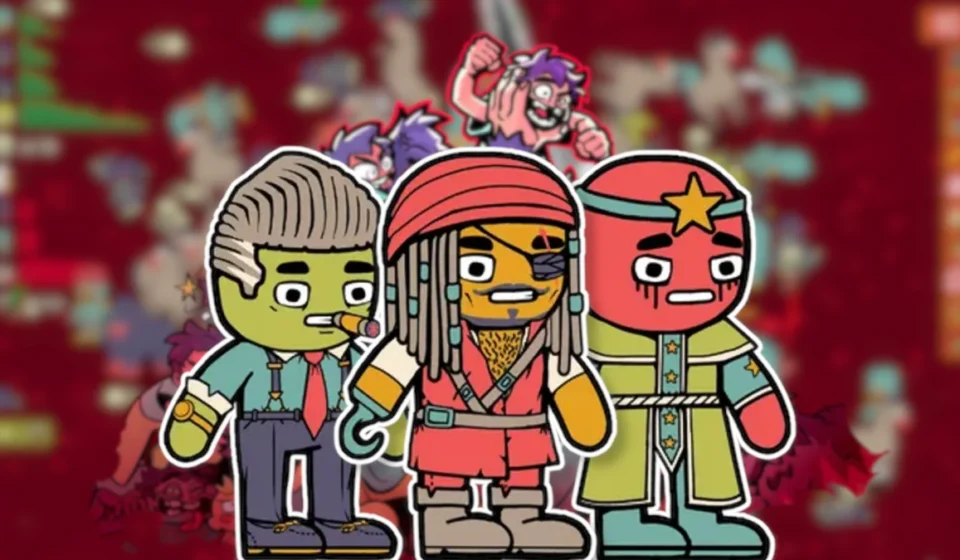

The burgeoning mobile strategy game, "How Many Dudes," has rapidly captured the attention of the gaming community with its unique blend of chaotic combat and strategic depth. This title, which pits a diverse roster of characters, or "dudes," against each other in often brutal and visually striking battles, is quickly establishing itself as a significant contender in the mobile gaming landscape. At its core, "How Many Dudes" challenges players to assemble and deploy teams of five units, each with distinct abilities and roles, to overcome increasingly complex adversarial scenarios. The game’s appeal lies not only in its visceral combat, featuring elements such as blood, gore, and even predatory animals like lions, but also in the intricate meta-game that players must master to achieve victory.
Recent developments within the game’s community have focused on understanding and optimizing team compositions, leading to the creation of detailed tier lists. These lists serve as a crucial resource for players seeking to navigate the game’s strategic nuances and identify the most potent character combinations. The ongoing evolution of the game’s meta, influenced by regular updates and player-driven discoveries, necessitates a dynamic approach to strategy, making a comprehensive tier list and accompanying guide an indispensable tool for both new and experienced players.
Understanding the Core Gameplay Loop of "How Many Dudes"
"How Many Dudes" presents a unique tactical challenge where players are tasked with selecting a team of five distinct units from a growing roster. Each unit, or "dude," possesses a specific set of attributes, abilities, and potential synergies with other characters. The objective is to strategically deploy these units in a variety of combat scenarios, ranging from player-versus-environment (PvE) challenges to competitive player-versus-player (PvP) matches. The game’s visual presentation, characterized by its "messy" yet engaging depiction of combat, often involving significant visual effects and character attrition, contributes to its distinct identity.
The strategic depth of "How Many Dudes" is further amplified by the presence of "relics and trinkets." These in-game items can fundamentally alter a dude’s performance, impacting their abilities, passive traits, statistical attributes, and even their interactions within specific character "Families." This layer of customization allows for significant player agency, enabling the optimization of even seemingly weaker characters through careful item selection. The game’s developers have implicitly acknowledged this depth by hinting at the importance of synergy, stating that "you can make any team work with the right ones," while cautioning against ill-advised combinations, such as equipping an "ADHD trinket" to a "Knight," as it may not align with the character’s inherent strengths.
The Evolving Meta: A Comprehensive Tier List Analysis
The current meta-game in "How Many Dudes" is largely defined by the effectiveness of various character archetypes and their ability to synergize within a five-unit team. The following tier list, reflecting the most recent community consensus, provides a framework for understanding character power levels and their strategic value:
S Tier: The Pinnacle of Power and Versatility
Characters in the S tier represent the game’s most dominant and impactful units. These dudes are typically characterized by a combination of high damage output, exceptional survivability, potent utility, or a combination thereof. Their presence on a team often dictates the overall strategy, allowing for more aggressive playstyles or providing a robust foundation against a wide array of threats.
- Cowboy: Known for his ranged precision and potential for rapid damage bursts, the Cowboy can quickly neutralize threats before they become overwhelming.
- Cyborg: A formidable attacker, the Cyborg likely excels in direct combat, possessing high offensive stats and potentially powerful close-quarters abilities.
- Dentist: While the name suggests a less combative role, the Dentist’s inclusion in S tier implies a unique support or debuffing capability that significantly disrupts enemy formations.
- Hacker: In a game with complex mechanics, a Hacker unit would logically excel at disrupting enemy abilities, weakening defenses, or providing crucial buffs to allies.
- Knight: A quintessential tank, the Knight likely boasts high defensive stats and abilities that draw enemy aggression, protecting more fragile units.
- Necrodude: This character’s name suggests a connection to summoning or resurrection, offering powerful strategic advantages through the manipulation of fallen allies or the creation of new combatants.
- Quantum: The Quantum unit probably offers potent support or healing capabilities, with "Quantum" suggesting an ability to influence probability or provide widespread beneficial effects.
- Samurai: A classic warrior archetype, the Samurai likely delivers high melee damage and possesses skills that enable swift and decisive engagements.
- Spartan: Similar to the Knight, the Spartan is expected to be a frontline powerhouse, capable of absorbing significant damage and controlling the flow of battle.
- Vampire: This character’s vampiric nature likely grants them lifesteal abilities, allowing them to sustain themselves in combat by draining enemy health, making them exceptionally durable.
- Viking: A robust melee combatant, the Viking probably excels in sustained engagements, potentially boasting abilities that increase in power as they engage in combat.
A Tier: Strong Contenders with Notable Strengths
Units in the A tier are highly effective and form the backbone of many successful strategies. While they may not possess the absolute dominance of S-tier characters, they offer significant advantages and can be instrumental in achieving victory.
- Agent: Suggests a versatile unit with a balanced set of offensive and defensive capabilities, potentially adept at various combat roles.
- Bard: Typically a support unit, the Bard likely provides buffs to allies or debuffs to enemies, enhancing overall team performance.
- Cleric: A dedicated healer, the Cleric is crucial for sustaining a team through prolonged battles, focusing on single-target or area-of-effect restorative abilities.
- Druid: Likely a nature-attuned character, the Druid could offer a mix of offensive spells, defensive buffs, or crowd control abilities.
- Electrician: This unit’s abilities would presumably revolve around electrical damage or disruption, potentially stunning or dealing area-of-effect damage.
- Frankendude: Suggests a resilient, possibly slow-moving unit with high durability and a potent, perhaps unconventional, offensive capability.
- Lich: A powerful spellcaster, the Lich likely focuses on dark magic, potent area-of-effect spells, or debuffs that debilitate opponents.
- Paladin: Similar to the Knight, the Paladin is expected to be a defensive stalwart, possibly with holy-themed abilities that provide protection or smite foes.
- Pirate: This character archetype often implies a focus on high-risk, high-reward combat, potentially with abilities related to critical hits or resource generation.
- Psionic: Suggests a character with mind-based abilities, such as telekinesis, mind control, or psychic blasts, offering unique crowd control and damage options.
- Ranger: A ranged damage dealer, the Ranger likely excels at picking off targets from a distance, possibly with unique arrow types or tracking abilities.
- Time: A unit with "Time" in its name likely manipulates the flow of combat, perhaps slowing enemies, speeding up allies, or even rewinding certain events.
- Trooper: Implies a reliable, well-rounded combatant, possibly a front-line soldier with consistent damage and decent survivability.
- Warlock: A potent magic user, the Warlock likely specializes in offensive spells, curses, or summoning demonic entities.
- Zombie: Suggests a durable, possibly self-sustaining unit that can endure significant damage, potentially with abilities that regenerate health or spread debuffs.
B Tier: Solid Choices for Balanced Strategies
Characters in the B tier are reliable and can contribute effectively to a team, especially when utilized within synergistic compositions or against specific enemy types. They may require more careful positioning or support to reach their full potential.
- Assassin: Known for high burst damage, the Assassin likely excels at quickly eliminating high-priority targets, but may be fragile.
- Chef: This character’s role is less immediately obvious, but could involve buffs, debuffs, or unique offensive capabilities related to culinary arts.
- Explorer: Likely a utility-focused unit, the Explorer might offer scouting advantages, item discovery, or unique movement abilities.
- Farmer: Suggests a character with resource-gathering or defensive capabilities, potentially related to generating passive income or fortifying positions.
- Finance: Similar to the Farmer, this unit might focus on economic advantages or debuffing enemy resources, impacting their ability to deploy units.
- General: A leadership role, the General likely provides significant team-wide buffs or strategic advantages.
- Ghost: This ethereal unit could possess unique stealth, phasing, or debuffing abilities that are difficult for enemies to counter.
- Medic: A less potent healer than the Cleric, the Medic might still offer valuable sustain, perhaps with a different focus on healing mechanics.
- Mutant: Suggests a character with unpredictable or adaptable abilities, potentially with a focus on physical prowess or transformative skills.
- Ninja: Like the Assassin, the Ninja likely focuses on stealth and high burst damage, but might offer more utility or evasion.
- Western: This archetype could involve rapid-fire attacks, trick shots, or debuffs associated with a Wild West theme.
- Wizard: A classic spellcaster, the Wizard likely specializes in offensive magic, area-of-effect spells, or elemental attacks.
C Tier: Niche Roles and Situational Effectiveness

Units in the C tier are generally less impactful in the current meta and may require specific team compositions or tactical approaches to be effective. Their strengths are often very specialized, making them less versatile.
- Alien: The Alien’s abilities could be highly unconventional, potentially offering unique debuffs, area denial, or unconventional damage types.
- Cave: This unit’s role is unclear, but could involve terrain manipulation, defensive structures, or earth-based attacks.
- Construction: Likely a defensive or utility unit, the Construction dude might be able to build structures, repair allies, or create obstacles.
- Manager: Similar to the General, but perhaps with a more indirect influence, the Manager could focus on resource management or strategic deployment.
- Mummy: Suggests a durable, potentially slow-moving unit with abilities related to curses or reanimation, but likely with lower overall impact.
D Tier: Currently Underperforming or Highly Specialized
Characters in the D tier are generally considered the weakest in the current meta. They may have fundamental design flaws, lack impactful abilities, or be heavily outclassed by other units. Their effectiveness is often highly dependent on very specific scenarios or significant player ingenuity.
- Regular: This unit’s name implies a baseline, generic character, likely lacking any standout abilities or unique strengths.
- Skeledude: While undead themes can be powerful, a "Skeledude" might be a weaker iteration, perhaps focusing on attrition or minor debuffs without significant impact.
Building Effective Teams: Synergy and Counter-Play
The success of any team in "How Many Dudes" hinges on two primary factors: internal synergy and the ability to adapt to opposing teams. A well-balanced team typically comprises units that complement each other’s strengths and mitigate their weaknesses. The developers’ guidance highlights the importance of a balanced composition:
- Damage Dealers: One or two units focused on inflicting significant damage are essential. Characters like the Cyborg, Wizard, and Samurai are cited as examples of strong offensive threats.
- Tanks/Taunters: A unit capable of absorbing damage or drawing enemy aggression is crucial for protecting the more vulnerable members of the team. The Knight and Paladin are identified as prime examples of this role.
- Healers/Support: Units that can restore health or provide beneficial buffs are vital for team sustain. The Cleric, with its single-target healing, and the Quantum, likely offering team-wide healing or buffs, exemplify this category.
Beyond these archetypes, players are encouraged to consider the intricate synergies that can emerge between specific characters. For instance, a unit that applies a debuff might significantly enhance the damage output of a high-damage dealer. The "Family interactions" mentioned in relation to relics and trinkets also suggest that certain characters may gain bonuses when deployed alongside specific other characters, further encouraging thoughtful team construction.
Adapting to the Battlefield: The Importance of Counter-Play
The strategic landscape of "How Many Dudes" is not static. Players are advised to adjust their team compositions based on the nature of their opponents. Against enemies that are powerful but possess low health, a strategy that prioritizes overwhelming damage at the expense of a dedicated healer might be more effective. The logic here is that if the battle concludes before the enemy can inflict substantial damage, the need for sustain is negated.
The dynamic nature of combat necessitates a flexible approach. Players are encouraged to experiment with different team builds and to observe how various character combinations perform against different enemy types and player strategies. This iterative process of testing, analysis, and adaptation is key to mastering the game’s strategic depth.
The Impact of Relics and Trinkets: Customization and Optimization
The influence of relics and trinkets cannot be overstated in "How Many Dudes." These items serve as a powerful layer of customization, allowing players to fine-tune their characters’ performance to an extraordinary degree. As previously mentioned, these items can alter:
- Abilities: Modifying the effects, cooldowns, or targeting parameters of a dude’s active skills.
- Passives: Enhancing or adding new passive traits that provide ongoing benefits.
- Stats: Directly increasing core attributes such as attack, defense, health, or speed.
- Family Interactions: Unlocking or augmenting bonuses that are triggered when specific characters are deployed together.
This deep customization system means that even characters found in lower tiers of the tier list can become surprisingly potent with the right combination of relics and trinkets. Conversely, a poorly chosen trinket, such as the aforementioned "ADHD trinket" for a Knight, can hinder a character’s effectiveness. This emphasizes that the tier list is a guide, not an absolute dictate, and player skill in itemization and team composition remains paramount.
Broader Implications for the Mobile Strategy Genre
"How Many Dudes" is not merely a standalone game; its success and the community’s engagement with its strategic elements have broader implications for the mobile strategy genre. The game’s ability to blend accessible gameplay with a deep, evolving meta suggests a strong potential for long-term player retention. Furthermore, the emphasis on character synergy, tactical adaptation, and extensive customization through items like relics and trinkets provides a blueprint for future strategy titles seeking to engage players on a deeper level.
The active participation of the player base in creating and disseminating resources like tier lists and strategy guides highlights the importance of community in the success of live-service games. The developers’ recognition of this, as evidenced by the encouragement to share feedback on platforms like Discord, fosters a collaborative environment where the game can continue to grow and improve. As "How Many Dudes" continues to mature, its influence on how mobile strategy games are designed, played, and discussed is likely to be significant. The game’s current trajectory positions it as a strong candidate for inclusion among the best mobile strategy games, and its reception will be closely watched by developers and players alike.