Japanese Supermarket Simulator Rolls Out Latest Code, Offering In-Game Assistant Boosts

March 21, 2026: A new batch of redeemable codes has been released for the popular Roblox simulation game, Japanese Supermarket Simulator, with the latest update granting players temporary access to in-game assistants. This development comes as the game continues to attract a dedicated player base interested in managing their virtual Japanese convenience stores. The update also sees the removal of previously expired codes, a common practice in live-service games to encourage timely engagement.
Japanese Supermarket Simulator, a title that immerses players in the intricate world of running a convenience store, has seen a steady rise in popularity since its inception. Players begin with humble beginnings, often starting with the sale of basic items like Konbini coffee, and progress to stocking a wide array of products, from traditional Japanese snacks like matcha chocolate to more niche items, including the playfully referred to "pink ‘lafufus’." The game’s appeal lies in its detailed simulation of store management, inventory control, and customer interaction, all set against a distinctly Japanese aesthetic.
The introduction of these redeemable codes serves as a strategic element by the developers to maintain player engagement and reward consistent participation. These codes typically offer a variety of in-game benefits, such as currency boosts, unique items, or, as in the case of the most recent release, temporary operational enhancements. The current code provides players with the ability to utilize a cashier and a restocker for a duration of one hour each. This dual assistance can significantly streamline operations, allowing players to manage larger customer volumes and replenish stock more efficiently, thereby accelerating their progression and overall in-game success.
Developer’s Strategy: Engagement Through Timely Rewards
The release of new codes is not merely a benevolent gesture from the developers; it is a well-established strategy in the gaming industry, particularly within the Roblox ecosystem, to foster a vibrant and active community. By providing tangible in-game rewards, developers incentivize players to return to the game regularly and to remain invested in its ongoing development. The sporadic nature of these releases, while sometimes frustrating for players seeking immediate benefits, also creates anticipation and a sense of urgency when a new code is announced.
The practice of removing expired codes serves a dual purpose. Firstly, it ensures that the list of active codes remains current and relevant, preventing players from wasting time attempting to redeem defunct offers. Secondly, it subtly encourages players to act swiftly upon the release of new codes, as they understand that these opportunities are time-limited. This creates a dynamic where players are constantly monitoring for updates and actively participating to maximize their in-game advantages.
Analysis of the Latest Code’s Impact
The specific benefit offered by the latest code – the temporary hour-long deployment of a cashier and restocker – has several implications for gameplay. For newer players, this can be a crucial boost, allowing them to experience a more advanced stage of store management sooner. It provides a respite from the more mundane tasks of serving customers and restocking shelves, enabling them to focus on other aspects of their business, such as expanding their product line or upgrading their store’s layout and ambiance.
For experienced players, these assistants can be strategically deployed during peak hours or when undertaking significant operational changes, such as introducing a large shipment of new merchandise. This efficiency boost can lead to higher profits within the given hour, potentially unlocking new tiers of upgrades or allowing for more ambitious expansion plans. The hour-long duration suggests a balanced approach, providing a significant but not overwhelming advantage, thus preserving the core challenge and progression loop of the game.
Timeline of Code Releases and Expired Codes
While the exact chronology of every code release for Japanese Supermarket Simulator is not publicly documented in a singular, exhaustive ledger, the pattern of releases generally aligns with common gaming industry practices. Developers often tie code drops to significant events, such as game updates, holiday seasons, or community milestones. For instance, past codes have been known to celebrate events like Halloween or acknowledge the game reaching a certain number of "likes" or active players on the Roblox platform.
The expired codes section of the original article, though now empty, would typically have listed codes that were once active but have since passed their redemption window. These might have included offers for in-game currency, unique decorative items, or temporary boosts to earnings. The presence of an "Expired codes" list, even if currently devoid of entries, indicates a history of code distribution and the developers’ commitment to cycling these rewards.

Player Engagement and Community Interaction
The success of a simulation game like Japanese Supermarket Simulator is intrinsically linked to the engagement and satisfaction of its player base. Redeemable codes are a key tool in maintaining this connection. Beyond the direct benefits, the act of redeeming a code also fosters a sense of reward and acknowledgment from the developers.
The original article mentions that obtaining new codes is not always straightforward due to the developer’s lack of a fixed release schedule. This underscores the importance of dedicated community channels for players seeking the latest information. The existence of a Japanese Supermarket Simulator Discord server, as highlighted, is a critical resource. These platforms serve not only as a conduit for official announcements regarding codes but also as spaces for players to share strategies, discuss game mechanics, and connect with fellow enthusiasts. The inclusion of channels for artwork submission, bug reporting, and even sharing personal interests like pet pictures demonstrates a developer’s commitment to building a holistic and interactive community around their game.
Broader Context: Roblox and the Free-to-Play Model
Japanese Supermarket Simulator operates within the vast and diverse ecosystem of Roblox, a platform that hosts millions of user-generated games. The free-to-play model is dominant on Roblox, and developers rely on various monetization strategies and engagement tactics to sustain their creations. Redeemable codes are a widely adopted engagement tool that complements other in-game purchases or premium features.
The implications of these code releases extend beyond the immediate player experience. For the developers, a steady stream of active players translates to higher visibility on the platform, increased potential for in-game purchases (should they exist), and a stronger community that can provide valuable feedback for future updates. For the Roblox platform itself, games that effectively utilize such engagement strategies contribute to the overall vibrancy and longevity of the ecosystem.
Methods of Code Redemption and Acquisition
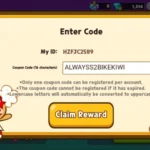
The process of redeeming codes in Japanese Supermarket Simulator is designed to be intuitive, aligning with the general user-friendliness expected on Roblox. Players typically navigate to a specific in-game menu, often labeled as "Codes" or "Redeem," where they can input the alphanumeric strings provided. Upon successful entry, the associated rewards are immediately credited to the player’s account.
Acquiring these codes, as previously noted, requires active monitoring. While direct announcements on platforms like YouTube or Twitter by the developers are common, players often rely on fan communities and gaming news outlets to aggregate this information. The strategy of regularly checking dedicated gaming news websites, which often maintain updated lists of active codes for various Roblox games, is a practical approach for players who wish to stay informed without constant individual searching.
Future Outlook and Developer Communication
The continued success of Japanese Supermarket Simulator will likely depend on the developers’ ability to maintain a balance between providing engaging content and managing player expectations. While a fixed release schedule for codes might not be feasible or desirable for every developer, clear communication regarding the types of events that might trigger code releases (e.g., specific game anniversaries, major update launches) can help manage player anticipation.
The developers’ engagement with their community, evident through their Discord server, is a positive indicator. This direct line of communication allows for feedback loops, enabling the developers to understand what players value most in terms of rewards and gameplay enhancements. As the game evolves, so too will the nature of the codes released, potentially offering more complex or integrated benefits that tie into new game mechanics or storylines.
In conclusion, the recent release of Japanese Supermarket Simulator codes, offering temporary in-game assistants, exemplifies a strategic approach to player engagement within the competitive Roblox landscape. By providing tangible rewards and fostering a connected community, the developers aim to ensure the continued growth and enjoyment of their virtual convenience store simulation. Players eager to enhance their in-game experience are encouraged to stay updated through official channels and community resources.