Lenovo’s Googlebook Lineup Could Include Two Laptops, a 2-in-1 Tablet, and an AI Mouse This Fall

Images have emerged online giving us our first look at Lenovo’s upcoming Googlebooks, hinting at an ambitious launch portfolio for the fall that includes not only traditional laptops but also a versatile 2-in-1 tablet and a dedicated AI-powered mouse. This early peek, attributed to Android Headlines, provides a significant glimpse into Lenovo’s strategy for Google’s new computing platform, which was first announced at Google I/O in May. The initial devices are anticipated to hit the market this autumn, marking a crucial period for Google as it aims to establish its presence in the premium laptop and tablet space.

The revelations suggest that Lenovo is preparing a multi-faceted approach to the Googlebook ecosystem, potentially offering more diversity than initially expected from its hardware partners. Google has already confirmed that industry giants such as Acer, Asus, Dell, HP, and Lenovo are collaborating on the new devices. However, Lenovo’s reported plan to launch at least three distinct Googlebook models—two conventional laptops and a detachable 2-in-1 tablet—positions the company as a particularly proactive participant in this nascent market. This comprehensive offering could cater to a wider range of consumer needs and preferences, from productivity-focused professionals to students and creative users.
The Versatile 2-in-1 Tablet Takes Center Stage
Among the leaked devices, the detachable 2-in-1 tablet appears to be the most compelling, poised to leverage the unique strengths of the Googlebook platform. Reports from Android Headlines indicate that this device will feature a robust audio setup, including four speakers with Dolby Atmos support, and compatibility with a stylus. These specifications suggest an emphasis on multimedia consumption and creative workflows, aligning well with Googlebook’s integration of Android applications and touch-based interactions.
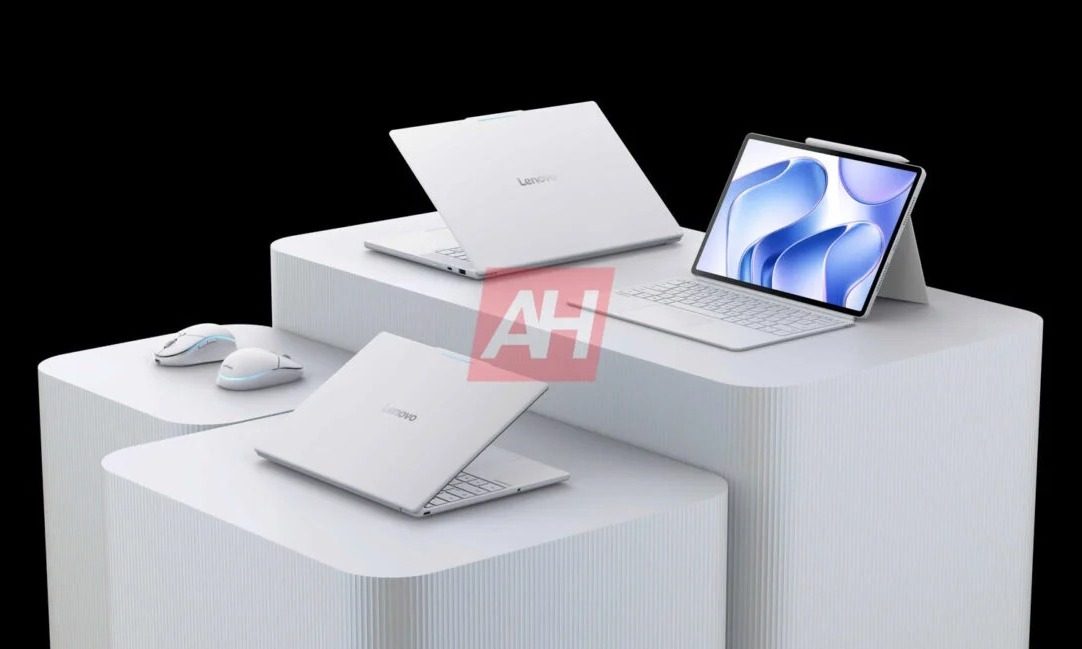
The ability to seamlessly transition between laptop and tablet modes, coupled with advanced audio capabilities and stylus support, could make this 2-in-1 a strong contender for users seeking a flexible and immersive computing experience. This form factor is particularly well-suited to capitalize on Googlebook’s core promise of integrating AI deeply into the user experience, potentially offering a more intuitive and interactive way to engage with AI-powered features.
Traditional Laptops to Broaden Appeal
Beyond the innovative tablet, Lenovo is also reportedly developing two traditional laptop models. While specific details regarding their screen sizes, processors, or display technologies remain scarce in the leaked imagery, the existence of multiple laptop variants suggests a strategy to target different user segments and price points. This approach is common in the PC market, allowing manufacturers to cater to a broad spectrum of consumers, from budget-conscious students to power users requiring higher performance.
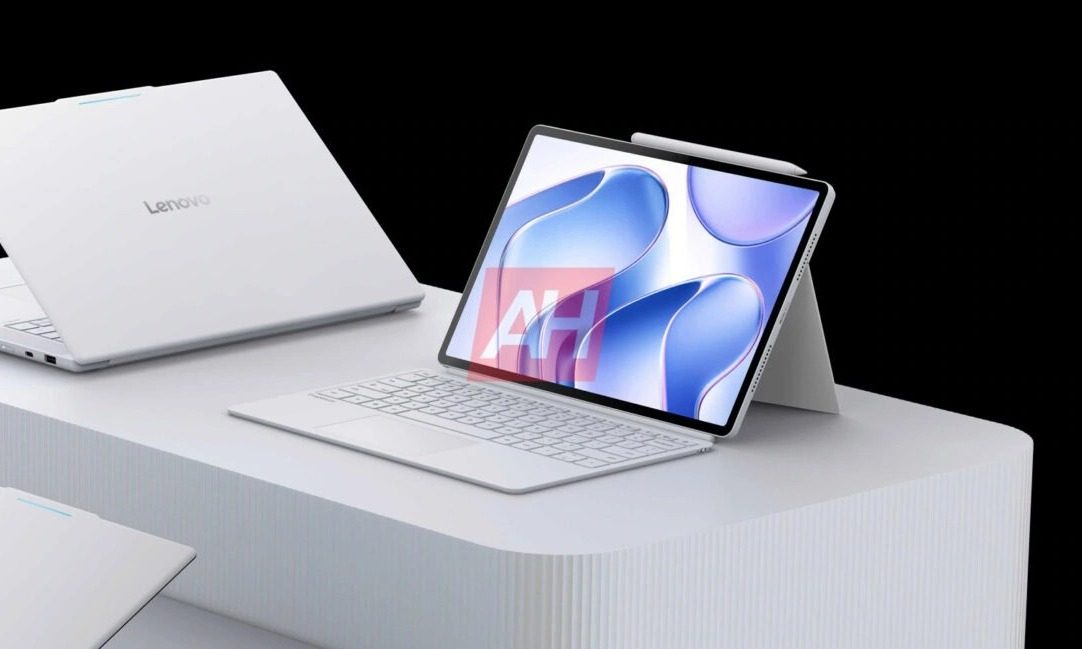
The precise differentiation between these two laptop models will be critical in determining their market impact. Factors such as screen size, build materials, internal specifications, and the inclusion of specific features will likely define their respective target audiences. Given Googlebook’s positioning as a premium platform, it is reasonable to anticipate that these laptops will offer competitive hardware and a refined user experience, potentially incorporating the latest advancements in mobile processing and display technology.
An AI-Centric Mouse for Enhanced Interaction
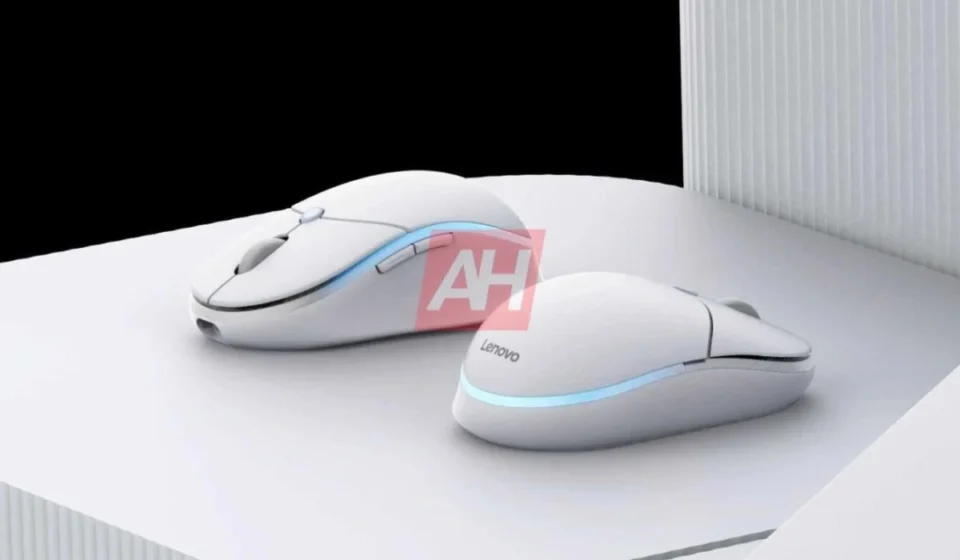
Complementing its new Googlebook hardware, Lenovo is also rumored to be developing a specialized wireless AI mouse. This accessory, weighing in at a mere 59 grams, reportedly includes an RGB strip and a dedicated AI key. The integration of such a peripheral underscores Google’s commitment to embedding Artificial Intelligence across the entire Googlebook experience, rather than relegating it to standalone applications.
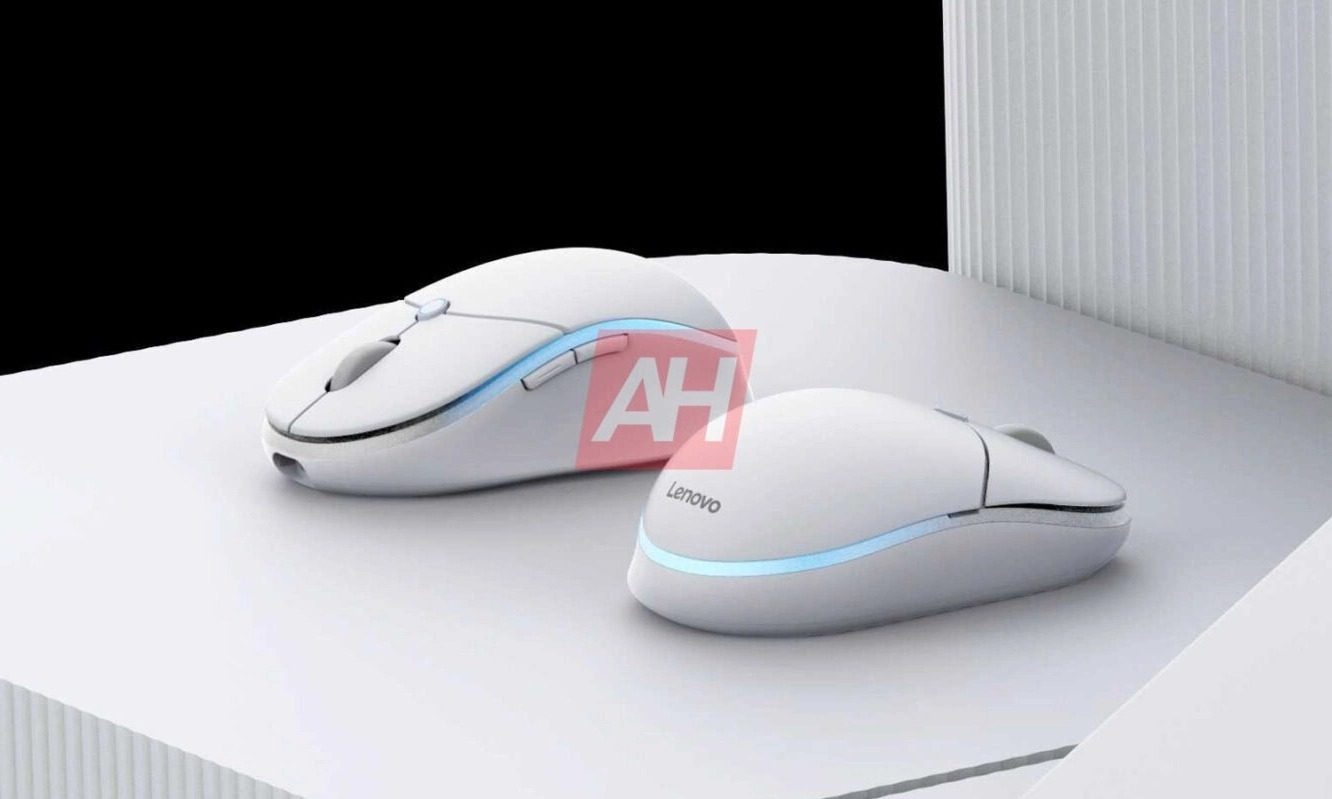
Googlebook’s AI capabilities are powered by Gemini Intelligence, which aims to provide contextual actions and intelligent suggestions through a feature known as "Magic Pointer." This AI-powered cursor can dynamically surface relevant options based on what the user is pointing at on the screen. The dedicated AI key on Lenovo’s new mouse could serve as a direct shortcut to activate these Gemini-driven functionalities, offering a more streamlined and efficient way to interact with the platform’s intelligent features. This level of hardware-software integration suggests a thoughtful approach to user interface design, prioritizing both power and ease of use.
Context and Chronology of Googlebook’s Development
The announcement of Googlebook at Google I/O in May marked a significant strategic shift for Google in the personal computing hardware landscape. This initiative represents an effort to create a new category of devices that deeply integrate AI and leverage the strengths of Android’s app ecosystem within a laptop-like form factor. The platform is designed to be an evolution beyond traditional Chromebooks, aiming for a more premium and intelligent user experience.

The timeline leading up to the fall launch is crucial. Google I/O serves as a major developer conference where new platforms and technologies are often unveiled. The subsequent months are typically dedicated to hardware partners finalizing their product designs and manufacturing processes. The potential unveiling of Lenovo’s lineup at a major tech event like IFA in September would be a logical step, providing significant visibility and allowing for pre-launch buzz.
Supporting Data and Market Implications
The success of Googlebook will hinge on its ability to differentiate itself in a crowded market dominated by Windows laptops and MacBooks. Google’s strategy appears to be centered on a few key pillars: deep AI integration, seamless Android app compatibility, and a premium user experience. The partnership with established hardware manufacturers like Lenovo is vital for ensuring quality and widespread availability.
The reported inclusion of features like Dolby Atmos and stylus support in the 2-in-1 tablet suggests a focus on areas where traditional laptops sometimes fall short, particularly in terms of media consumption and interactive creativity. If Googlebook devices can deliver a truly superior AI-driven experience and a robust Android app ecosystem on a capable hardware platform, they could carve out a significant niche.
However, challenges remain. Questions about performance consistency across different chipsets, screen sizes, and form factors are valid concerns. Google has positioned the platform as premium, which, coupled with rising component costs, could lead to higher price points. The competitive landscape is fierce, and consumer adoption will depend on compelling use cases and a clear value proposition that justifies the investment. The success of these initial devices will set the tone for the future of Googlebook and Google’s broader ambitions in the PC market.
Broader Impact and Future Outlook
The emergence of Googlebook and the potential breadth of Lenovo’s offerings signal a more assertive push by Google into the hardware arena, building upon the foundation laid by Chromebooks. The emphasis on AI, particularly through Gemini Intelligence, suggests a forward-looking strategy that aims to redefine how users interact with their devices. The integration of AI into the core operating system, rather than as an add-on, could lead to more intuitive and personalized computing experiences.
The success of this initiative could have ripple effects across the industry, potentially spurring further innovation in AI-hardware integration from other manufacturers. It also presents an opportunity for developers to create applications that take full advantage of the platform’s unique capabilities. As the fall launch approaches, the tech world will be watching closely to see if Googlebook can live up to its ambitious promises and establish itself as a significant player in the evolving landscape of personal computing. The early indications from Lenovo’s potential lineup suggest a strong commitment to making Googlebook a versatile and intelligent platform for a wide range of users.