OnePlus Watch 4 Leaked Specifications Point to Unprecedented Durability with IP69 Rating and Robust Multi-Day Battery Life

The upcoming OnePlus Watch 4, identified by its model number XL905, is poised to significantly elevate the standard for durability in the mainstream smartwatch market, according to a recent certification listing and subsequent leak. This highly anticipated device, details of which surfaced on the EMVCo database and were shared by prominent tipster Sudhanshu Ambhore, reveals a suite of specifications that suggest OnePlus is refining its wearable strategy by focusing on enhanced ruggedness and maintaining exceptional battery longevity, a hallmark of its previous models. The leak indicates that while internal processing power will remain consistent with its predecessor, the OnePlus Watch 3, the Watch 4 will introduce an industry-leading IP69 ingress protection rating, setting a new benchmark for resilience against environmental elements.
The Emergence of the OnePlus Watch 4’s Core Features
The initial discovery of the OnePlus Watch 4’s specifications through an EMVCo certification listing provided a rare glimpse into the device’s technical blueprint well ahead of any official announcement. EMVCo, a global technical body facilitating interoperability and acceptance of secure payment transactions, often certifies devices with NFC capabilities, making it a common source for pre-release information on consumer electronics. The subsequent sharing of a full specs sheet by tipster Sudhanshu Ambhore quickly brought these details to public attention, sparking considerable interest among tech enthusiasts and industry observers.
At the core of the leaked specifications are several key components that define the Watch 4’s potential market position. These include a remarkable IP69 durability rating, a substantial 646mAh battery, the continuation of the Snapdragon W5 Gen 1 chipset, and a familiar 1.5-inch LTPO AMOLED display with a 466 x 466 resolution, housed within a 47mm case. This combination suggests that OnePlus is not aiming for a radical overhaul but rather a strategic enhancement of features that resonated well with users of the OnePlus Watch 3, particularly its battery life and solid construction. The decision to retain the same core processor and display technology points towards an optimization strategy, focusing on refinement and differentiation through durability rather than a complete re-engineering of its internal architecture.
The Durability Benchmark: Understanding the IP69 Rating
The most striking revelation from the leaked specifications is the rumored IP69 rating for the OnePlus Watch 4. This designation represents a significant leap in environmental protection compared to the industry-standard IP68 rating found in most premium smartwatches, including the OnePlus Watch 3, Samsung Galaxy Watch series, and Google Pixel Watch line. To fully appreciate the significance, it’s essential to understand the IP (Ingress Protection) system. The first digit indicates protection against solid particles (dust), and the second digit indicates protection against liquids (water).
An IP68 rating, for instance, signifies complete protection against dust ingress and protection against continuous immersion in water beyond 1 meter for specified durations, typically up to 1.5 meters for 30 minutes. This level of protection is sufficient for everyday use, including swimming and accidental splashes. However, IP69 takes this a step further. An IP69 rating not only guarantees complete protection against dust but also certifies resistance to high-pressure, high-temperature water jets. This means the device can withstand powerful jets of water, such as those used in industrial cleaning or specialized environments, without suffering damage.
In practical terms, a smartwatch with an IP69 rating would offer unparalleled peace of mind for users in demanding conditions. This could include outdoor adventurers encountering extreme weather, construction workers exposed to harsh elements, or individuals who frequently engage in water sports where high-velocity water might be a concern. While most consumers may not regularly subject their smartwatch to high-pressure washing, the IP69 certification inherently suggests a device built with superior sealing and material integrity, indicating a robust and resilient construction that can endure more severe environmental stressors than its IP68 counterparts.
Currently, achieving such a high level of ruggedness in the smartwatch market often requires purchasing specialized "ultra" variants, such as the Samsung Galaxy Watch Ultra or certain Garmin Fenix models, which typically come with a significantly higher price tag. If the OnePlus Watch 4 indeed ships with an IP69 rating at a competitive price point, it could carve out a unique niche, offering premium durability without necessarily commanding a premium "ultra" price. This strategic move could position the Watch 4 as an attractive option for consumers prioritizing longevity and resistance to the elements above all else.
Sustained Power: An In-Depth Look at the 646mAh Battery
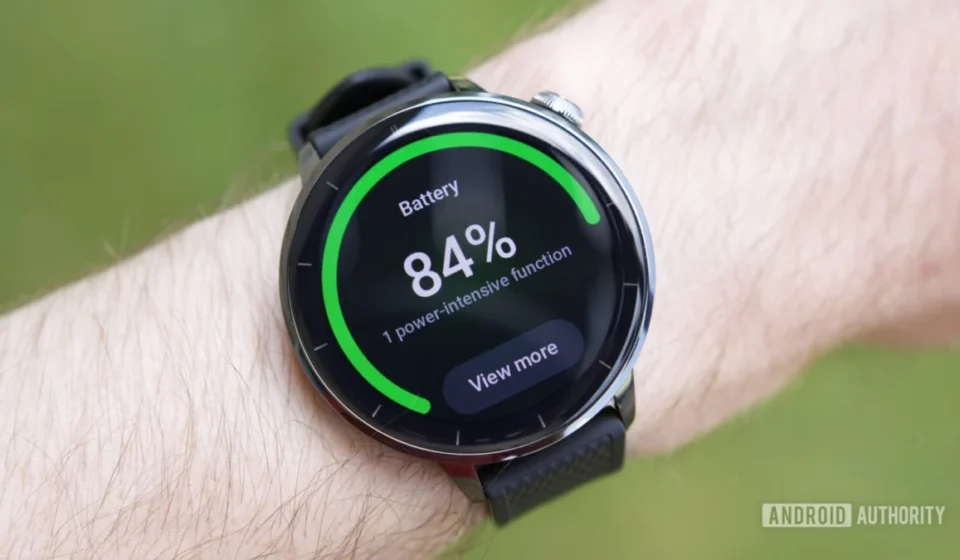
Battery life has consistently been a critical factor for smartwatch adoption and user satisfaction. The leaked 646mAh battery capacity for the OnePlus Watch 4, while slightly smaller than the Watch 3’s 648mAh, indicates a firm commitment from OnePlus to maintain its reputation for multi-day battery performance. This negligible difference suggests that any minor reduction in capacity will likely be offset by software optimizations or power efficiency improvements, ensuring that the user experience remains largely consistent with its predecessor.
The OnePlus Watch 3 was lauded for its impressive battery longevity, often outperforming many of its Wear OS competitors that typically struggle to last more than a single day, especially with features like always-on display (AOD) enabled. For instance, devices like the Samsung Galaxy Watch 8 and Google Pixel Watch 4, while offering rich ecosystems and advanced health features, frequently necessitate nightly charging to sustain their operation. This becomes a significant pain point for users who wish to utilize sleep tracking functions or simply prefer the convenience of not having to charge their device daily.
The combination of a large 646mAh battery with the power-efficient Snapdragon W5 Gen 1 chipset and an LTPO AMOLED display is crucial for achieving extended battery life. The Snapdragon W5 Gen 1 is known for its dual-processor architecture, which allows it to switch between a high-performance core for demanding tasks and an ultra-low-power co-processor for background activities and basic functions, thereby conserving energy. Furthermore, the LTPO (Low-Temperature Polycrystalline Oxide) display technology enables variable refresh rates, dynamically adjusting the display’s refresh rate down to 1Hz when static to save significant power without compromising visual quality during active use.
By leveraging these technologies, OnePlus aims to deliver a smartwatch that can comfortably last for several days on a single charge, a distinct advantage over many rivals. This focus on battery endurance not only caters to users who find daily charging inconvenient but also enhances the watch’s utility for continuous health monitoring, extended outdoor activities, and travel without the constant worry of battery depletion. This strategic emphasis on battery life continues to be a core pillar of OnePlus’s approach to the wearable market, providing a practical and tangible benefit that directly addresses a common consumer frustration.
Performance Under the Hood: The Snapdragon W5 Gen 1 Chipset
The decision to retain the Snapdragon W5 Gen 1 chipset in the OnePlus Watch 4, rather than upgrading to a newer processor, is a calculated move that speaks to OnePlus’s strategy of balancing performance, efficiency, and cost-effectiveness. The Snapdragon W5 Gen 1, launched by Qualcomm in mid-2022, was a significant leap forward for Wear OS smartwatches, offering substantial improvements in performance and power efficiency compared to its predecessors. It features a hybrid architecture, combining a 4nm main processor with a 22nm co-processor, enabling seamless transitions between high-performance and low-power modes.
This chipset has proven its capabilities in the OnePlus Watch 3, delivering smooth operation, responsive app performance, and efficient handling of various smartwatch functions, from health tracking to notification management. By sticking with a proven platform, OnePlus can optimize software and hardware integration further, potentially extracting even greater efficiency and stability. This approach minimizes development costs and risks associated with adopting new, untested silicon, allowing the company to focus resources on other areas, such as the aforementioned durability enhancements and software refinements.
While competitors like Samsung might utilize their proprietary Exynos W-series chipsets and Apple their S-series, the Snapdragon W5 Gen 1 remains a highly competitive platform for Wear OS devices. Its architecture is well-suited for the demands of a smartwatch, providing ample processing power for a fluid user interface, complex sensor data processing, and seamless connectivity, all while contributing positively to battery longevity. The smartwatch market is not solely driven by raw computational power in the same way smartphones are; efficiency and reliability often take precedence.
For the average smartwatch user, the Snapdragon W5 Gen 1 offers more than sufficient performance for everyday tasks, ensuring that the Watch 4 will be capable of running the latest Wear OS features, third-party applications, and advanced health monitoring algorithms without noticeable lag. OnePlus’s choice underscores a philosophy of building on a stable, high-performing foundation rather than pursuing incremental performance gains that might not translate into a significantly improved user experience for a device of this nature.
Visual Clarity: The 1.5-inch LTPO AMOLED Display
The display is the primary interface for any smartwatch, and the OnePlus Watch 4 is set to feature a familiar yet highly capable 1.5-inch LTPO AMOLED screen with a resolution of 466 x 466 pixels, housed within a 47mm case. This specification is consistent with the OnePlus Watch 3, indicating that OnePlus is satisfied with the display’s quality and performance.
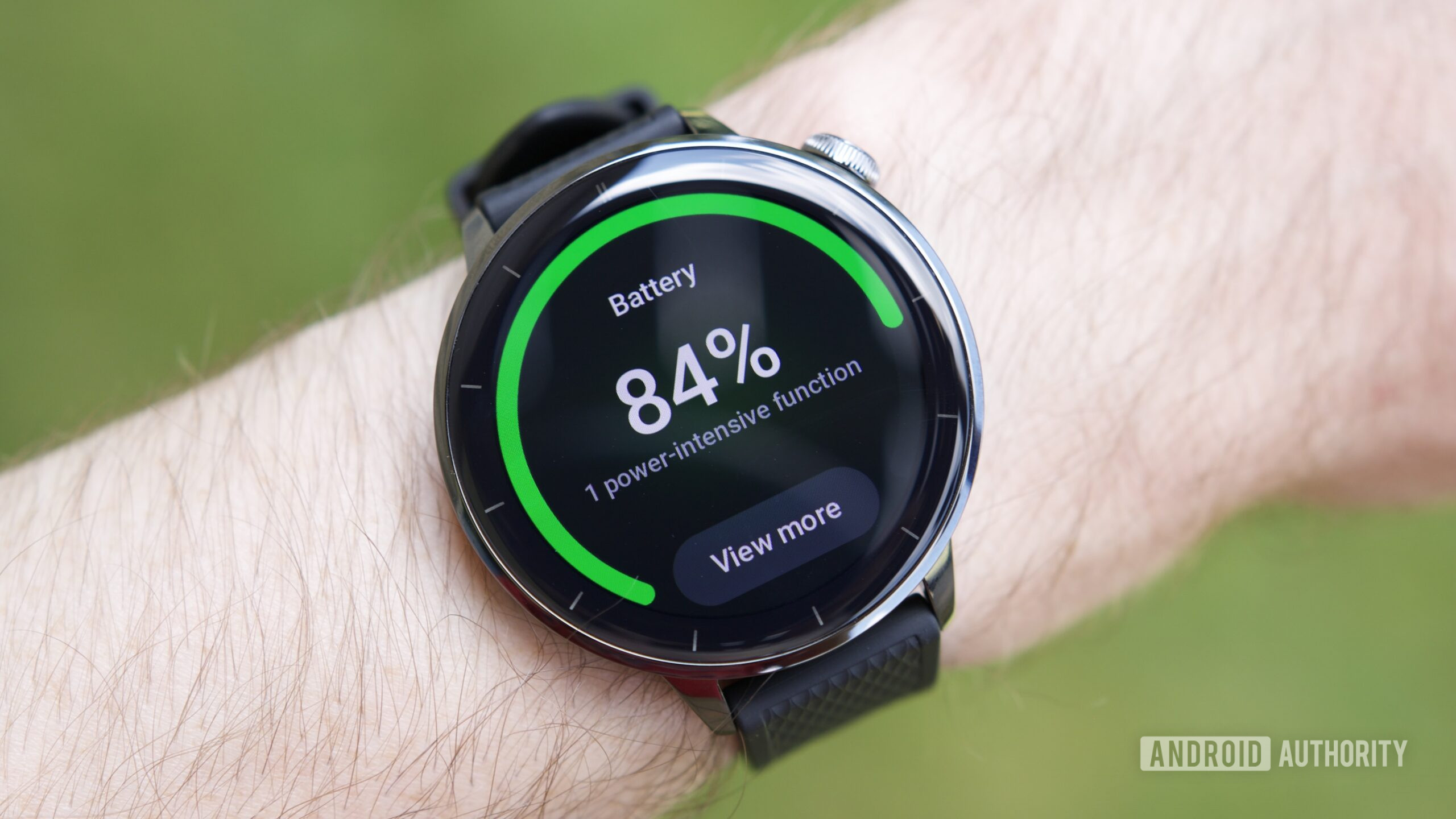
AMOLED technology is renowned for its vibrant colors, deep blacks, and excellent contrast ratios, making text and graphics sharp and easy to read even in bright sunlight. The 466 x 466 resolution on a 1.5-inch circular display translates to a pixel density that ensures crisp visuals, free from jagged edges.
The inclusion of LTPO (Low-Temperature Polycrystalline Oxide) technology is particularly significant for smartwatches. LTPO panels can dynamically adjust their refresh rate, ranging from a power-saving 1Hz (for static content like an always-on display) up to higher refresh rates (e.g., 60Hz) for smooth animations and scrolling. This adaptive refresh rate mechanism is a critical component in extending battery life, as the display is often one of the most power-hungry elements of a smartwatch. By intelligently reducing the refresh rate when the screen content is static, the Watch 4 can conserve considerable power without the user perceiving any degradation in performance.
A high-quality display is crucial for the overall user experience, enabling easy readability of notifications, health metrics, and watch faces. The continuity of this display technology from the previous model suggests that OnePlus has found a sweet spot between visual fidelity, power efficiency, and cost, ensuring that the Watch 4 delivers a premium visual experience that stands up well against its competitors.
Chronology of the Leak: How the Information Surfaced
The journey of the OnePlus Watch 4’s specifications from internal development to public knowledge began with its appearance on the EMVCo database. EMVCo, a joint venture of Europay, MasterCard, and Visa, sets standards for secure payment transactions and often requires certification for devices incorporating NFC (Near Field Communication) technology, which is common in modern smartwatches for contactless payments. Such certification listings are often publicly accessible, albeit typically containing only basic regulatory information.
In this instance, the certification listing for the OnePlus Watch 4 (model XL905) was discovered and subsequently expanded upon by Sudhanshu Ambhore, a well-known and reliable technology tipster. Ambhore’s ability to uncover and disseminate a more comprehensive specs sheet suggests access to further documentation, perhaps from regulatory filings or supply chain sources. This process is typical in the pre-release lifecycle of consumer electronics, where various stages of certification, testing, and manufacturing inevitably leave digital footprints that attentive leakers can uncover.
The timeline of such leaks often precedes official product launches by several weeks or even months. While the precise date of the EMVCo listing is not detailed, the fact that a comprehensive spec sheet has emerged indicates that the device is likely in an advanced stage of development, nearing mass production. These leaks serve as an unofficial preview, building anticipation and allowing the market to react to potential features and strategies before a formal announcement. However, it is crucial to remember that all information derived from leaks remains unconfirmed until officially validated by the manufacturer.
OnePlus’s Strategic Play: Building on Success and Differentiating
The leaked specifications for the OnePlus Watch 4 paint a clear picture of OnePlus’s strategic approach to the highly competitive smartwatch market. Rather than attempting to reinvent the wheel, the company appears focused on building upon the successful foundation laid by the OnePlus Watch 3 and differentiating through key, high-impact features.
The OnePlus Watch 3, upon its release, garnered positive attention for its robust build quality, premium design, and, most notably, its multi-day battery life. It positioned itself as a strong contender for Android users seeking a reliable wearable without the daily charging anxieties associated with some other Wear OS devices. The Watch 4’s leaked specs indicate a continuation of this philosophy:
- Reinforcing Core Strengths: By maintaining a large battery capacity and the efficient Snapdragon W5 Gen 1 chipset, OnePlus ensures that battery longevity remains a primary selling point, directly addressing a significant pain point for smartwatch users.
- Strategic Differentiation: The introduction of an IP69 rating is a bold move. In a market where many devices offer similar features, superior durability offers a tangible and highly marketable distinction. This could attract a segment of users who require or simply desire a more rugged device, including outdoor enthusiasts, athletes, or those in demanding professional environments.
- Value Proposition: By reusing proven internal components like the chipset and display from the Watch 3, OnePlus can potentially manage manufacturing costs more effectively. This could allow them to offer the enhanced durability of IP69 at a more competitive price point than "ultra" or specialized rugged smartwatches from other brands, thereby delivering a strong value proposition to consumers.
- Ecosystem Integration: As OnePlus continues to expand its ecosystem of smartphones, earbuds, and other smart devices, a robust and reliable smartwatch plays a crucial role in offering a cohesive user experience. The Watch 4, with its refined features, would seamlessly integrate into this ecosystem, enhancing user loyalty.
This strategy suggests that OnePlus is not chasing every bleeding-edge technology but rather meticulously selecting features that offer the most significant real-world benefit and differentiation. It’s about optimizing the user experience by delivering a reliable, long-lasting, and now exceptionally durable device.
Competitive Landscape and Market Implications
The smartwatch market is a fiercely contested arena, dominated by giants like Apple, Samsung, and Google, alongside specialized players such as Garmin and Fitbit. The leaked specifications of the OnePlus Watch 4 suggest a product designed to challenge these established players by focusing on specific areas where competitors might be perceived as weaker or more expensive.
- Against Samsung and Google: Both the Samsung Galaxy Watch series and the Google Pixel Watch series offer a rich Wear OS experience, deep integration with their respective smartphone ecosystems, and a plethora of health features. However, their primary weakness, especially in the larger 43mm/47mm sizes, often lies in battery life, which typically hovers around 1-2 days. The OnePlus Watch 4’s projected multi-day battery life directly addresses this, offering a compelling alternative for users who prioritize endurance. Furthermore, the IP69 rating could position it as a more rugged alternative, potentially at a lower cost than Samsung’s "Ultra" variant.
- Against Apple Watch: While the Apple Watch remains the market leader, particularly in the premium segment, it is exclusive to iOS users. The OnePlus Watch 4 caters specifically to the Android ecosystem, where it seeks to differentiate itself. The Apple Watch Ultra offers extreme durability and extended battery life, but at a significantly higher price point. If OnePlus can deliver comparable ruggedness and strong battery life at a mid-to-high-range Android smartwatch price, it could attract a substantial user base.
- Against Specialized Rugged Smartwatches: Brands like Garmin offer highly specialized smartwatches for extreme sports and outdoor activities, often with military-grade durability and exceptional battery life. While the OnePlus Watch 4 might not aim for the same niche market, its IP69 rating brings it closer to that level of ruggedness than most mainstream smartwatches, potentially appealing to a broader audience seeking robust protection without the need for highly specialized, often complex, outdoor features.
The broader implication is that the smartwatch market is increasingly segmenting. There’s a growing demand for devices that are not just smart but also resilient. As users become more reliant on their wearables for health tracking, notifications, and payments, the ability for a device to withstand the rigors of daily life, including accidental drops, splashes, and more extreme conditions, becomes paramount. The OnePlus Watch 4, if the leaks hold true, is strategically positioned to capitalize on this trend, potentially carving out a significant share in the "durable and long-lasting" segment of the Android smartwatch market.
Looking Ahead: Anticipated Release and Unconfirmed Details
As with all pre-release leaks, it is imperative to reiterate that the specifications for the OnePlus Watch 4 remain unconfirmed by the manufacturer. Official details, including a confirmed feature set, pricing, and availability, will only be disclosed during OnePlus’s formal product launch event. Historically, such certification leaks often precede official announcements by several weeks or months, suggesting that the Watch 4 could be unveiled in the coming months, possibly alongside a new smartphone flagship or as a standalone launch event.
Beyond the leaked hardware specifications, there are numerous other aspects of the OnePlus Watch 4 that remain unknown but are crucial for its overall success. These include:
- Software Enhancements: What new features or optimizations will Wear OS bring to the Watch 4? Will OnePlus introduce proprietary software layers or health algorithms?
- Health Tracking Sensors: While the Watch 3 already offered comprehensive health tracking (heart rate, SpO2, sleep tracking), will the Watch 4 introduce new sensors or improve the accuracy of existing ones (e.g., advanced ECG capabilities, skin temperature sensing, or even blood glucose monitoring, though the latter is still largely experimental for consumer devices)?
- Charging Speed: While battery life is a strength, fast charging capabilities are also important for smartwatches.
- Pricing and Variants: Will there be multiple sizes or connectivity options (e.g., LTE variant)? How will its price compare to its predecessor and competitors?
- Design and Materials: While a 47mm case is mentioned, specific design refinements, material choices (e.g., sapphire glass, titanium case), and strap options are yet to be detailed.
OnePlus’s official announcement will undoubtedly provide these missing pieces, offering a complete picture of the Watch 4’s capabilities and its place in the market. The company will need to articulate not just the hardware prowess but also the software experience and ecosystem integration to truly convince consumers.
Conclusion: A Promising Contender for the Smartwatch Market
The leaked specifications of the OnePlus Watch 4 paint a compelling picture of a smartwatch poised to make a significant impact on the Android wearable market. By combining an unprecedented IP69 durability rating with a proven, power-efficient chipset and a robust multi-day battery, OnePlus appears to be strategically addressing key consumer demands. The decision to build upon the successful foundation of the Watch 3, rather than pursuing a radical redesign, suggests a refined and confident approach to product development.
If these leaks prove accurate, the OnePlus Watch 4 could emerge as a formidable contender, offering a unique blend of ruggedness and endurance that differentiates it from many mainstream competitors. It holds the potential to attract users who prioritize durability and battery life without necessarily compromising on a modern smartwatch experience. As the smartwatch market continues to evolve, OnePlus’s focus on practical, high-value features positions the Watch 4 as a promising device for the future, one that could redefine expectations for what a mainstream smartwatch can withstand and how long it can last on a single charge. The industry and consumers alike will be keenly watching for OnePlus’s official confirmation and the full reveal of this intriguing new wearable.