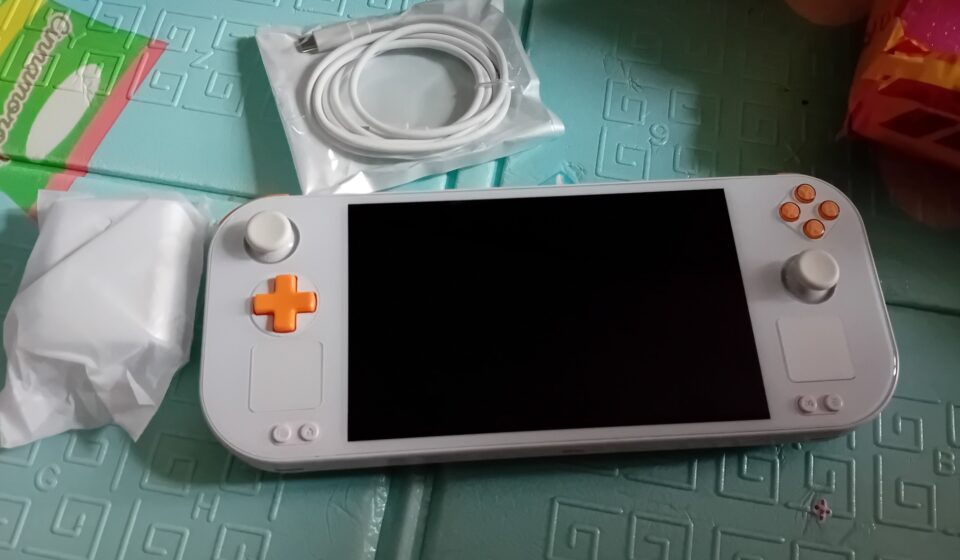
OrangePi Neo Handheld Gaming Console Faces Indefinite Delay Amidst Skyrocketing Component Prices and Global Supply Chain Disruptions

The highly anticipated OrangePi Neo, a Linux-based handheld gaming console poised to offer a compelling alternative in the burgeoning portable PC gaming market, has been placed on an indefinite hold due to a dramatic surge in the prices of critical components, specifically DDR5 RAM and SSDs. This development, confirmed by Manjaro’s Philip Müller, a key figure in the project, underscores the ongoing volatility plaguing the consumer electronics industry, a trend that has seen component costs escalate and availability dwindle since the early 2020s. The delay marks a significant setback for a product that has been in development for several years and was nearing its targeted H1 2026 shipping window, leaving enthusiasts and potential customers in limbo.
The Genesis of the OrangePi Neo: A Promising Contender
The OrangePi Neo project emerged as an ambitious endeavor to deliver a powerful, open-source-friendly handheld gaming experience. OrangePi, primarily known for its range of affordable single-board computers (SBCs) that compete with the likes of Raspberry Pi, sought to leverage its hardware expertise to enter the more premium handheld PC gaming segment. The Neo was designed to run Manjaro Linux, a popular Arch Linux-based distribution known for its user-friendliness and performance, specifically tailored into a "Gaming Edition" for the device. This choice of operating system positioned the Neo to appeal to a demographic valuing flexibility, customization, and access to a vast library of Linux-compatible games, including those accessible via Proton for Windows titles.
At its core, the OrangePi Neo was conceptualized with robust specifications to deliver a premium gaming experience. It was slated to feature an AMD Ryzen 7 processor, a powerful chip capable of handling demanding modern games, paired with a vibrant 7-inch Full HD+ display boasting a 120Hz refresh rate. The initial plan outlined two distinct hardware configurations: a base model equipped with 16GB of LPDDR5 RAM and a more premium version featuring 32GB of LPDDR5 RAM, priced at approximately $450 and $550, respectively. These price points were intended to be competitive, offering a compelling performance-to-cost ratio compared to other established handheld gaming PCs on the market, such as Valve’s Steam Deck or devices from AYANEO and GPD. The combination of a potent AMD APU, high-speed LPDDR5 memory, and a high-refresh-rate screen promised a fluid and immersive gaming experience, making the Neo a keenly watched device by the handheld gaming community.
The Unforeseen Obstacle: Escalating Component Costs
The primary catalyst for the OrangePi Neo’s delay is the unprecedented rise in the cost of critical memory and storage components. In an update disseminated last week via the project’s status page on the Manjaro forum, Philip Müller unequivocally stated, "Due to high prices of DDR5 RAM and SSDs the project is currently on ice. Certifications for CE and FCC are now complete. Also a lot of improvements around the Manjaro Gaming Edition had happened. We are now waiting for a good time to launch the product…" The terse statement, particularly the open-ended ellipsis, conveys a palpable sense of uncertainty regarding the project’s future trajectory.
This predicament is not isolated to OrangePi Neo but is symptomatic of a broader, systemic issue within the global electronics supply chain. DDR5 RAM, in particular, has seen significant price volatility and upward trends. As the successor to DDR4, DDR5 offers substantially higher bandwidth and improved power efficiency, making it a highly sought-after component for modern computing platforms, including high-performance gaming devices. However, its adoption has been hampered by manufacturing complexities, limited production capacities, and surging demand across various sectors, from servers and data centers to premium consumer devices. Similarly, NAND flash memory, the core technology behind SSDs, has also experienced price hikes, influenced by production adjustments, geopolitical factors, and a general tightening of the market. These inflationary pressures on key components directly impact the bill of materials (BOM) for hardware manufacturers, rendering initial pricing strategies untenable and threatening profit margins, especially for projects operating on tight budgets or aiming for aggressive pricing.
A Broader Crisis: The Ripple Effect Across Consumer Electronics
The challenges faced by the OrangePi Neo are not an isolated incident but rather a microcosm of a larger crisis that has gripped the consumer electronics industry since the onset of the 2020s. The COVID-19 pandemic initially triggered widespread manufacturing disruptions, factory shutdowns, and logistics bottlenecks, severely impacting the supply of semiconductors and other crucial electronic components. This was compounded by a simultaneous surge in demand for personal computing devices, home entertainment systems, and networking equipment as populations shifted to remote work, online education, and increased digital consumption.
The ensuing semiconductor shortage has had far-reaching consequences, affecting virtually every sector reliant on chips, from automotive manufacturing to high-end graphics cards and smartphones. The graphics card market, for instance, experienced unprecedented price inflation and scarcity, driven by cryptocurrency mining booms and scalping, which only recently began to stabilize. Similarly, the smartphone industry has braced for potential impacts on pricing and availability, with manufacturers facing increased costs for components like RAM, display panels, and processors.
The handheld gaming console market, a relatively niche but rapidly expanding segment, has not been immune. The original article mentions how "handheld consoles feel the hit," citing the Retroid Pocket 6 as an example of a device impacted by price increases or discontinuation. This indicates a systemic vulnerability that affects both established players and emerging entrants. For smaller manufacturers or new projects like the OrangePi Neo, these market dynamics pose an existential threat. Unlike larger corporations that might have the leverage to secure long-term supply contracts or absorb higher costs through economies of scale, smaller entities are more susceptible to market fluctuations, making it incredibly difficult to launch products at competitive price points while maintaining profitability. The current environment forces them into an unenviable position: either delay indefinitely, launch at significantly higher prices alienating potential customers, or embark on costly and time-consuming redesigns to accommodate alternative, potentially less performant, components.
A Detailed Timeline of Development and Current Stagnation
The OrangePi Neo project has been a subject of keen interest within the open-source and handheld gaming communities for an extended period, suggesting a development cycle spanning several years. While a precise initial announcement date is not explicitly provided, the statement that "The project’s been in development for years now" implies substantial investment in R&D, design, and software optimization.
- Early Development (Pre-2024): Initial concept, hardware specification finalization, selection of AMD Ryzen 7 processor, 7-inch FHD+ 120Hz display, and LPDDR5 RAM. Manjaro Linux begins work on the "Gaming Edition" operating system.
- Ongoing Development (2024-2025): Hardware prototyping, software integration, driver development, and optimization for Manjaro Gaming Edition. Initial target pricing of $450 (16GB RAM) and $550 (32GB RAM) is established based on component cost projections.
- Certification Phase (Late 2025 – Early 2026): The device undergoes necessary regulatory certifications, including CE (Conformité Européenne) for European markets and FCC (Federal Communications Commission) for the United States. Philip Müller confirms that "Certifications for CE and FCC are now complete," indicating the hardware design was largely finalized and approved.
- Targeted Launch Window (H1 2026): Manjaro had previously set a tentative goal for shipping the first OrangePi Neo units within the first half of 2026, signaling confidence in the project’s readiness for production.
- Current Impasse (Late February/Early March 2026 – as per "last week" update): The project encounters a critical hurdle as component prices, specifically DDR5 RAM and SSDs, surge to unsustainable levels. Philip Müller announces the project is "currently on ice," awaiting a "good time to launch the product," effectively putting the H1 2026 shipping target out of reach and introducing significant uncertainty.
This chronology highlights a project that was meticulously moving through its development phases, reaching the critical certification stage, only to be stalled by external market forces beyond its direct control. The completion of certifications implies that the core hardware design is mature, making a late-stage redesign to use different, potentially cheaper, memory components highly impractical and costly, both in terms of engineering effort and additional certification processes.
Inferred Reactions and Broader Implications
While explicit statements from the OrangePi team beyond Philip Müller’s are not available, it can be logically inferred that the decision to put the project "on ice" was a collective one, made after careful consideration of market realities and financial viability. The team is likely facing immense pressure to balance the desire to deliver a quality product with the imperative of financial sustainability. Launching at significantly higher prices would risk alienating the target market, which often seeks value alongside performance. Conversely, proceeding with the original pricing would likely lead to unsustainable losses.
The broader tech community and potential consumers have reacted with a mix of understanding and frustration. Many are well aware of the volatile state of component markets, having witnessed similar issues with GPUs, consoles, and other electronics. However, for those eagerly awaiting a new, powerful Linux-based handheld, the indefinite delay is undoubtedly disappointing. It highlights the precarious position of independent and smaller hardware developers in a globalized supply chain dominated by a few key manufacturers and subject to macroeconomic shifts.
For OrangePi, this delay could have several implications. It might allow competitors to further entrench their market positions, especially as new iterations of existing handhelds are released. It could also lead to a loss of momentum and enthusiast interest, which is crucial for niche products. The extended waiting period also carries the risk of the device’s specifications becoming less competitive over time, as technology continues to evolve rapidly. An AMD Ryzen 7 chip, while powerful now, might face stiffer competition from newer generations if the delay stretches into late 2026 or beyond.
Looking Ahead: The Uncertain Future of OrangePi Neo
The statement "We are now waiting for a good time to launch the product…" is both hopeful and concerning. It suggests that the project has not been canceled outright but is in a holding pattern, contingent on a more favorable market environment for component pricing. However, predicting when DDR5 RAM and SSD prices will stabilize or decrease significantly is a complex task. Market analysts often provide conflicting forecasts, influenced by geopolitical events, new fabrication plant capacities, shifts in demand, and economic cycles. Some projections indicate a potential stabilization or slight decrease in memory prices towards late 2026 or early 2027, but these are subject to considerable uncertainty.
The situation leaves OrangePi and Manjaro with a difficult strategic dilemma. They could:
- Wait it out: This is the current strategy, hoping for a market correction that allows them to produce the device at the intended cost. The risk here is further delays and potential obsolescence of some components.
- Redesign: A more drastic option would be to redesign parts of the device to use alternative, more readily available, or cheaper components. However, as noted, this is costly, time-consuming, and would require re-certification. It could also compromise the original performance targets.
- Launch at a higher price: This would ensure profitability but risk alienating the target audience and making the device less competitive against established rivals.
- Seek alternative funding or partnerships: Exploring new avenues to absorb higher costs or secure more favorable component deals could be an option, but this is often challenging for smaller entities.
The "alternative-reality 2026" mentioned in the original article, where component prices are stable and tech is consistently improving and becoming more affordable, serves as a poignant reminder of what might have been. In our current reality, the OrangePi Neo stands as another casualty of a turbulent global supply chain, a testament to the fact that even well-conceived and nearly finalized projects are not immune to the economic forces shaping the consumer electronics landscape. The future of this promising Linux-based handheld remains firmly in the hands of the global semiconductor market, a wait-and-see scenario for both its developers and its eager potential users.