Pikachu Makes a Special Appearance at Apple Park as Tim Cook Prepares for CEO Transition

Thursday August 27, 2026 3:10 pm PDT by Juli Clover
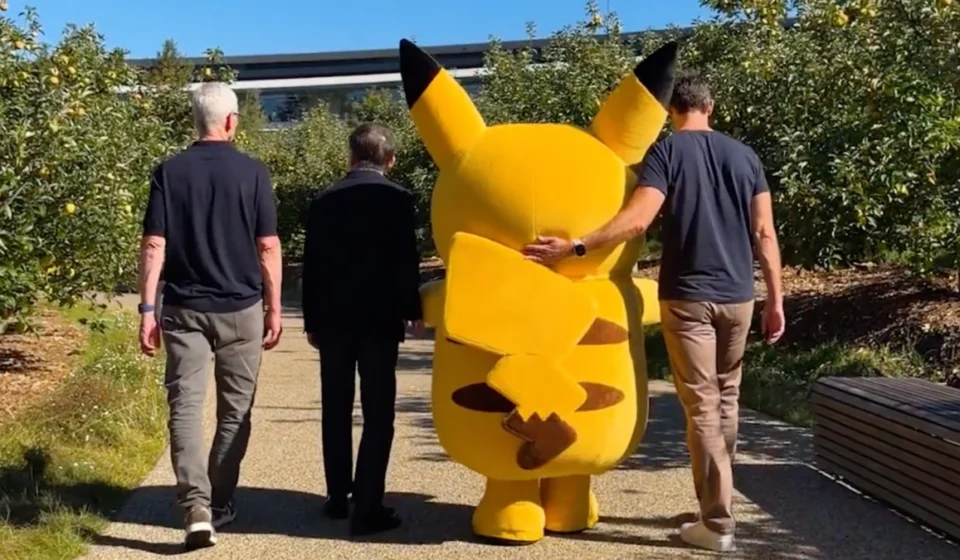
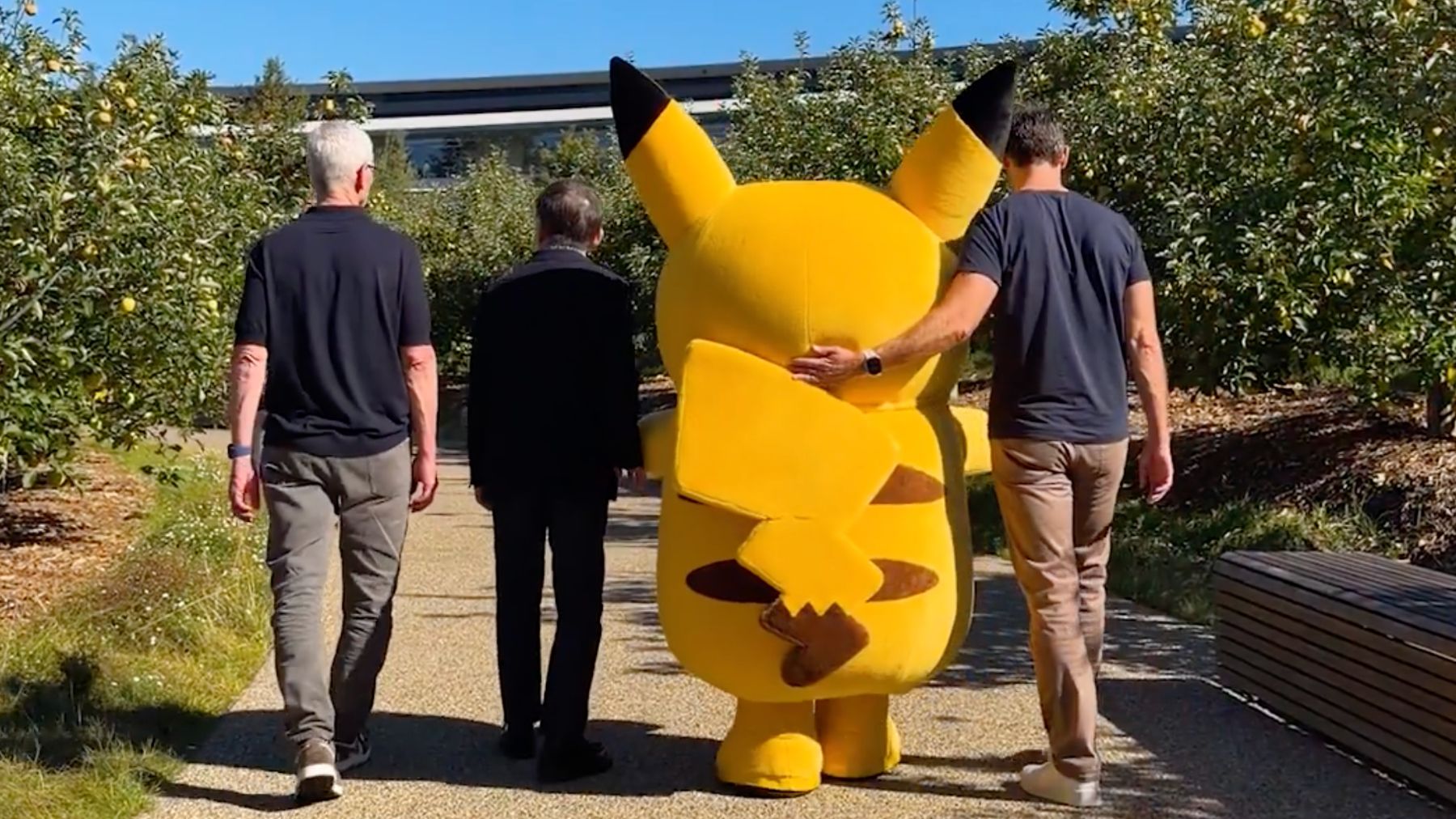
In a surprising and lighthearted moment amidst significant leadership changes at Apple, outgoing CEO Tim Cook shared an inside look at his final weeks in the role, culminating in a unique encounter with the globally recognized Pokémon character, Pikachu. Cook, who is set to officially hand over the reins to incoming CEO John Ternus next week, offered a glimpse into the ongoing transition process, which has reportedly been underway for several months. The most recent public demonstration of this transition involved an unusual meeting at Apple Park, where Cook introduced Ternus to the electry-yellow, electric-type Pokémon.
The shared image and accompanying video, posted on social media platforms, depict Cook and Ternus in what appears to be a cordial discussion with members of the Pokémon team. The visual narrative then transitions to Pikachu exploring the iconic Apple Park campus. The footage highlights the beloved character engaging with the environment, including a playful moment dancing beneath the distinctive rainbow arch of the main building and a whimsical interaction with the fruit trees in the Apple Park orchard, where it is shown picking an apple. This unexpected collaboration underscores Apple’s long-standing engagement with the gaming industry and its diverse range of interactive entertainment offerings available on its platforms.
The precise reason for the Pokémon team’s visit to Apple Park remains undisclosed. However, this encounter is not the first time Tim Cook has engaged with the Pokémon franchise. His initial publicized meeting with Pikachu occurred in September 2025 during a visit to Japan. This trip coincided with the highly anticipated reopening of Apple Ginza in Tokyo, a significant milestone for Apple’s retail presence in the Japanese market. This earlier interaction suggests a growing connection between Apple’s leadership and key figures within the global entertainment and gaming landscape.
Apple has a substantial and multifaceted relationship with the Pokémon brand, evidenced by the availability of several Pokémon-themed games across its various platforms. These include highly popular titles such as Pokémon GO, which leverages augmented reality technology and has garnered a massive global following; Pokémon Trading Card Game Pocket, a digital adaptation of the classic trading card game; Pokémon UNITE, a multiplayer online battle arena (MOBA) game; and Pokémon Champions, a strategic role-playing game. The presence of these diverse gaming experiences on iOS, iPadOS, and macOS devices highlights Apple’s commitment to being a central hub for mobile and interactive entertainment. The continued development and promotion of such titles are indicative of the gaming sector’s significant contribution to Apple’s services revenue, a key growth area for the company.
H2: The Broader Context of Leadership Transition and Industry Engagement
The public display of camaraderie and engagement with a cultural icon like Pikachu, while seemingly informal, occurs at a pivotal juncture for Apple. Tim Cook’s tenure as CEO, which began in August 2011, has been marked by unprecedented growth, innovation, and a significant expansion of Apple’s product ecosystem and services. His impending departure from the CEO role, with John Ternus stepping into the position, signals the beginning of a new chapter for the Cupertino-based technology giant.
John Ternus, who has been a key figure within Apple’s product development, particularly in his role as Senior Vice President of Hardware Engineering, is well-positioned to lead the company. His deep understanding of Apple’s hardware innovation pipeline is expected to ensure a degree of continuity in product strategy. The transition, carefully managed over several months, aims to provide a seamless handover, minimizing disruption and maintaining Apple’s momentum in a highly competitive global market.
The timing of this Pokémon-related event, occurring shortly before the official CEO change, can be interpreted in several ways. It may serve as a symbolic gesture, underscoring Apple’s continued investment in the gaming sector and its appeal to a broad demographic, including younger audiences who are deeply engaged with franchises like Pokémon. It could also be a lighthearted moment intended to humanize the leadership transition, showcasing a more relaxed and approachable side of the company’s executive team. Furthermore, it might hint at potential future collaborations or enhanced integration of Pokémon experiences within Apple’s ecosystem, leveraging augmented reality or other emerging technologies.
H3: Analyzing Apple’s Gaming Strategy and Market Position
Apple’s involvement in the gaming industry is a strategic imperative, contributing significantly to its overall revenue and ecosystem strength. The App Store remains the primary platform for mobile game distribution, generating billions of dollars in revenue annually. Pokémon GO, developed by Niantic in collaboration with The Pokémon Company, is a prime example of a successful augmented reality game that has achieved remarkable commercial success and cultural penetration. Its continued popularity on Apple devices underscores the demand for innovative and engaging gaming experiences.
The inclusion of Pokémon Trading Card Game Pocket, Pokémon UNITE, and Pokémon Champions further diversifies Apple’s gaming portfolio. These titles cater to different player preferences, from strategic card game enthusiasts to competitive MOBA players. The availability of these games on Apple Arcade, Apple’s subscription-based gaming service, also aligns with the company’s broader strategy of expanding its services offerings and creating recurring revenue streams.
The global gaming market is projected to continue its robust growth trajectory. According to industry analysts, the market is expected to reach hundreds of billions of dollars in the coming years, driven by advancements in mobile technology, the proliferation of cloud gaming, and the increasing adoption of augmented and virtual reality. Apple, with its vast user base, powerful hardware, and extensive software ecosystem, is strategically positioned to capitalize on these trends. The company’s focus on gaming is not merely about offering entertainment; it’s about reinforcing its ecosystem, driving hardware sales, and expanding its high-margin services business.
H3: Implications of the CEO Transition for Future Gaming Initiatives
The handover of leadership from Tim Cook to John Ternus will undoubtedly bring its own set of strategic considerations for Apple’s gaming initiatives. While Cook has overseen a period of significant expansion in Apple’s gaming presence, Ternus’s background in hardware engineering might lead to a renewed emphasis on optimizing gaming performance on Apple devices, exploring new hardware-enabled gaming experiences, or further integrating gaming into future product iterations.
The relationship with external game developers and publishers, such as The Pokémon Company, will also be crucial. Maintaining strong partnerships and fostering an environment conducive to game development on Apple platforms will be paramount. This includes continued investment in developer tools, support for new technologies, and a commitment to a fair and transparent App Store ecosystem.
The mention of "talking gaming" during the meeting with the Pokémon team suggests that discussions may have extended beyond simple introductions. It is plausible that Apple, under new leadership, is exploring opportunities to deepen its collaboration with major gaming franchises. This could involve exclusive content, enhanced integration with Apple’s hardware and software features, or even co-development of future gaming experiences that push the boundaries of what is currently possible. The increasing convergence of entertainment and technology means that such strategic discussions are vital for maintaining Apple’s competitive edge.
H2: A Look Back at Tim Cook’s Legacy and the Road Ahead
Tim Cook’s tenure as CEO has been transformative for Apple. He inherited a company with a strong foundation and steered it through an era of unprecedented innovation and market expansion. Under his leadership, Apple’s market capitalization soared, its services division became a significant revenue driver, and its product lines, including the iPhone, Apple Watch, and AirPods, achieved remarkable success. His focus on user privacy, environmental sustainability, and social responsibility has also become hallmarks of his leadership.
The introduction of John Ternus as his successor marks a significant moment in Apple’s history. Ternus has been a trusted lieutenant within Apple, known for his technical expertise and his role in bringing many of Apple’s most successful hardware products to market. His promotion reflects a strategic decision by Apple’s board to place an individual with deep product knowledge at the helm.
The ongoing transition, highlighted by the playful yet significant encounter with Pikachu, serves as a reminder of Apple’s ability to blend innovation with engaging cultural touchpoints. As Apple embarks on this new phase of leadership, the company’s commitment to delivering cutting-edge technology, fostering a vibrant ecosystem, and continuing its strong engagement with the global gaming community will undoubtedly remain central to its future success. The world will be watching to see how this transition unfolds and what new directions Apple will chart under John Ternus’s leadership, especially within the dynamic and ever-evolving landscape of the gaming industry.