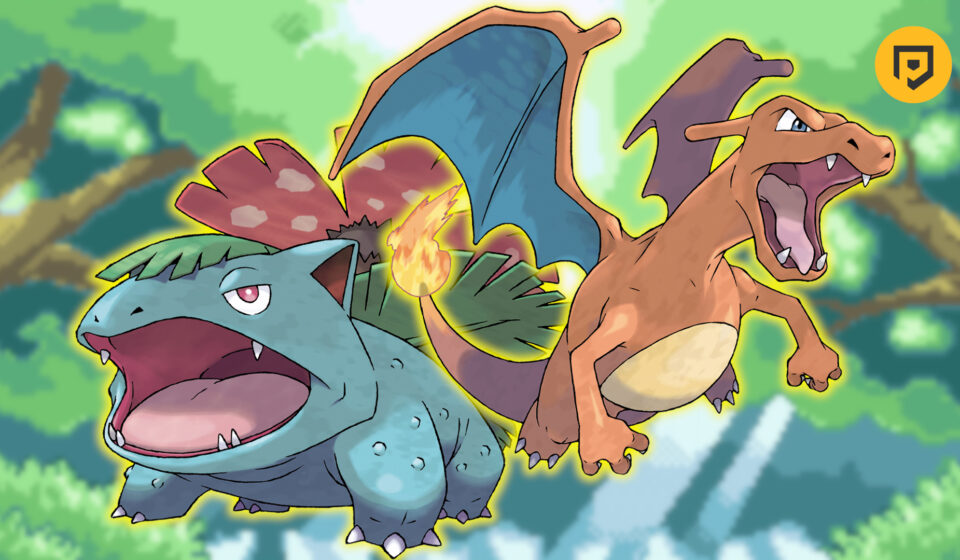
Pokémon FireRed on Nintendo Switch 2: A Nostalgic Journey Meets Modern Convenience

The recent release of Pokémon FireRed on the Nintendo Switch 2 platform has ignited a wave of nostalgia and discussion among long-time fans and newcomers alike. This reimagining of the classic Game Boy Advance title, originally launched in 2004, brings the beloved Kanto region experience to a new generation of players, albeit with a notable price point that has become a central point of debate within the gaming community.
A Legacy Reawakened: The Enduring Appeal of Kanto
The Pokémon franchise, which debuted in Japan in 1996 with Pokémon Red and Green (later released as Red and Blue internationally in 1998), has consistently captivated audiences with its unique blend of creature collection, strategic battles, and exploration. Pokémon FireRed and its counterpart, LeafGreen, were developed by Game Freak and published by Nintendo for the Game Boy Advance, serving as enhanced remakes of the original Pokémon Red and Green versions. These remakes introduced updated graphics, a refined interface, and the addition of the post-game Sevii Islands, offering a fresh yet familiar adventure for players.
The decision to bring these seminal titles to the Nintendo Switch 2, a hypothetical future iteration of Nintendo’s popular console, represents a significant move by Nintendo to leverage its extensive back catalog. This strategy is not unprecedented; the company has a history of re-releasing classic titles across its various platforms, often as part of subscription services or as standalone purchases. The appeal of FireRed and LeafGreen lies not only in their groundbreaking gameplay for their era but also in their foundational role in establishing many of the Pokémon mechanics and characters that are still central to the franchise today. For many, these games represent a formative gaming experience, a gateway into a world that has since expanded to encompass dozens of mainline titles, spin-offs, and a global media empire.
The Price of Nostalgia: Examining the $19.99 Tag
A significant point of contention surrounding the Switch 2 release of Pokémon FireRed is its pricing. The game is being offered as a standalone digital purchase at $19.99 USD (or its regional equivalent, such as £16.99 in the UK), a figure that deviates from the typical inclusion of classic titles within Nintendo’s online subscription services. Historically, Nintendo has made older games available through its Nintendo Switch Online (NSO) service, which offers a library of NES, SNES, and sometimes N64 and Sega Genesis titles for a recurring fee.

This pricing strategy for FireRed has been met with mixed reactions. For many seasoned fans who hold a deep emotional connection to the original Game Boy Advance versions, the ability to play these beloved titles on a modern console offers undeniable value. The convenience of having the game readily accessible on a portable device without the need for original hardware or emulation is a powerful draw. Furthermore, the prospect of revisiting the Kanto region with enhanced visuals and the ability to engage in extended play sessions, including potential "shiny hunts" for rare Pokémon variations, can justify the investment for dedicated enthusiasts. The promise of over 100 hours of replayability, as suggested by some early impressions, further bolsters the argument for its worth to a specific demographic.
However, for a broader audience, particularly younger players or those less invested in the franchise’s history, the $19.99 price tag might be perceived as steep, especially when compared to the value proposition of the NSO service. The expectation that classic Pokémon titles would follow the established pattern of NSO inclusion is understandable. This divergence from precedent suggests a strategic decision by Nintendo to gauge the market’s willingness to pay a premium for specific, highly sought-after remakes, potentially setting a new trend for future classic re-releases. The company, it appears, is willing to absorb the potential risk of alienating some consumers in favor of maximizing revenue from its most iconic IPs.
A Journey Through Kanto: Gameplay and Experience
The core gameplay loop of Pokémon FireRed remains true to its origins, offering a familiar and engaging adventure. Players begin their journey in Pallet Town, choosing one of the three Kanto starter Pokémon: Bulbasaur, Charmander, or Squirtle. The objective is to traverse the Kanto region, challenge eight Gym Leaders to earn badges, defeat the Elite Four and the Pokémon Champion, and, of course, complete the Pokédex by catching all 151 original Pokémon.
The port to the Switch 2 appears to retain the charm and fundamental mechanics that made the original so popular. Early gameplay impressions highlight the satisfaction of rediscovering familiar routes, engaging in turn-based battles, and the thrill of evolving Pokémon. The initial stages of the game, such as the encounter with Brock, the first Gym Leader, are often cited as particularly resonant moments, evoking strong memories for those who played the original. The game’s pacing, characterized by a more methodical approach compared to modern RPGs, can be a double-edged sword. For players accustomed to faster-paced experiences, the absence of immediate access to running shoes or a bicycle until later in the game might feel slow. However, this deliberate pace also allows for a deeper appreciation of the game’s world and the gradual progression of the player’s team.
One notable aspect that has been brought to the forefront by modern hardware is the elimination of battery anxiety. The days of relying on AA batteries for portable gaming, a concern for early handheld consoles, are a distant memory with the rechargeable nature of the Switch 2. This seemingly minor detail significantly enhances the player experience, ensuring that progress is not lost due to a depleted power source.

A Time Capsule for a New Era
Beyond the gameplay, Pokémon FireRed on the Switch 2 serves as a valuable cultural artifact, offering a glimpse into the gaming landscape of the early 2000s. The game’s design, its mechanics, and its overall presentation are deeply rooted in the conventions of that era. For younger players who have only experienced the more recent, graphically advanced iterations of Pokémon, FireRed provides an opportunity to understand the franchise’s evolutionary path. It offers a chance to experience a more streamlined, less visually complex, yet arguably more strategically focused version of the Pokémon formula.
The appeal for younger audiences lies in the potential to discover a different style of gameplay. The slightly slower, more methodical approach encourages a deeper engagement with team building and strategic planning. This contrast can be enlightening, allowing them to appreciate the core elements that have endured throughout the franchise’s history. It’s an invitation to explore the roots of a phenomenon that continues to shape the entertainment industry.
Broader Implications and Future Prospects
The release strategy for Pokémon FireRed on the Switch 2 carries significant implications for both Nintendo and the broader gaming market. By pricing this classic remake as a standalone purchase, Nintendo is testing the waters for a more premium approach to retro game distribution. If successful, this could pave the way for other beloved classic titles, from Nintendo’s own extensive library to potentially third-party licensed games, to be offered at similar price points.
This approach also allows Nintendo to cater to a bifurcated audience. Dedicated fans willing to pay for convenience and nostalgia can access their desired titles immediately, while those who prefer a subscription-based model can continue to enjoy the existing NSO offerings. The success of this strategy will likely depend on the perceived value of these standalone releases in relation to the ongoing cost of subscription services and the availability of comparable content elsewhere.
Furthermore, the re-release of FireRed serves as a reminder of the franchise’s rich history as the next installment, Pokémon Winds and Waves, approaches its launch. It highlights the enduring power of the original Kanto adventures and their foundational impact on the Pokémon universe. For those inspired to explore further, resources detailing the chronological order of Pokémon games can provide a roadmap for experiencing the franchise’s evolution firsthand. The "gotta catch ’em all" mantra, which began with these early titles, continues to resonate, demonstrating the franchise’s remarkable ability to adapt and endure across generations. The continued relevance of Pokémon FireRed, even decades after its initial release, is a testament to its timeless design and the deep emotional connections it fosters with its player base.