Samsung’s Strategic Shift: Silicon-Carbon Batteries in New Foldables Pave the Way for Enhanced Galaxy S27 Series

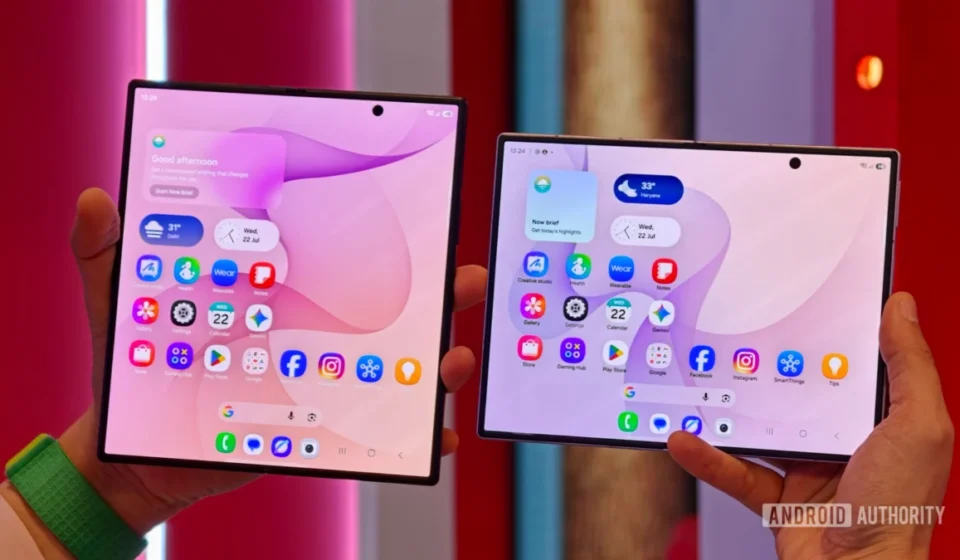
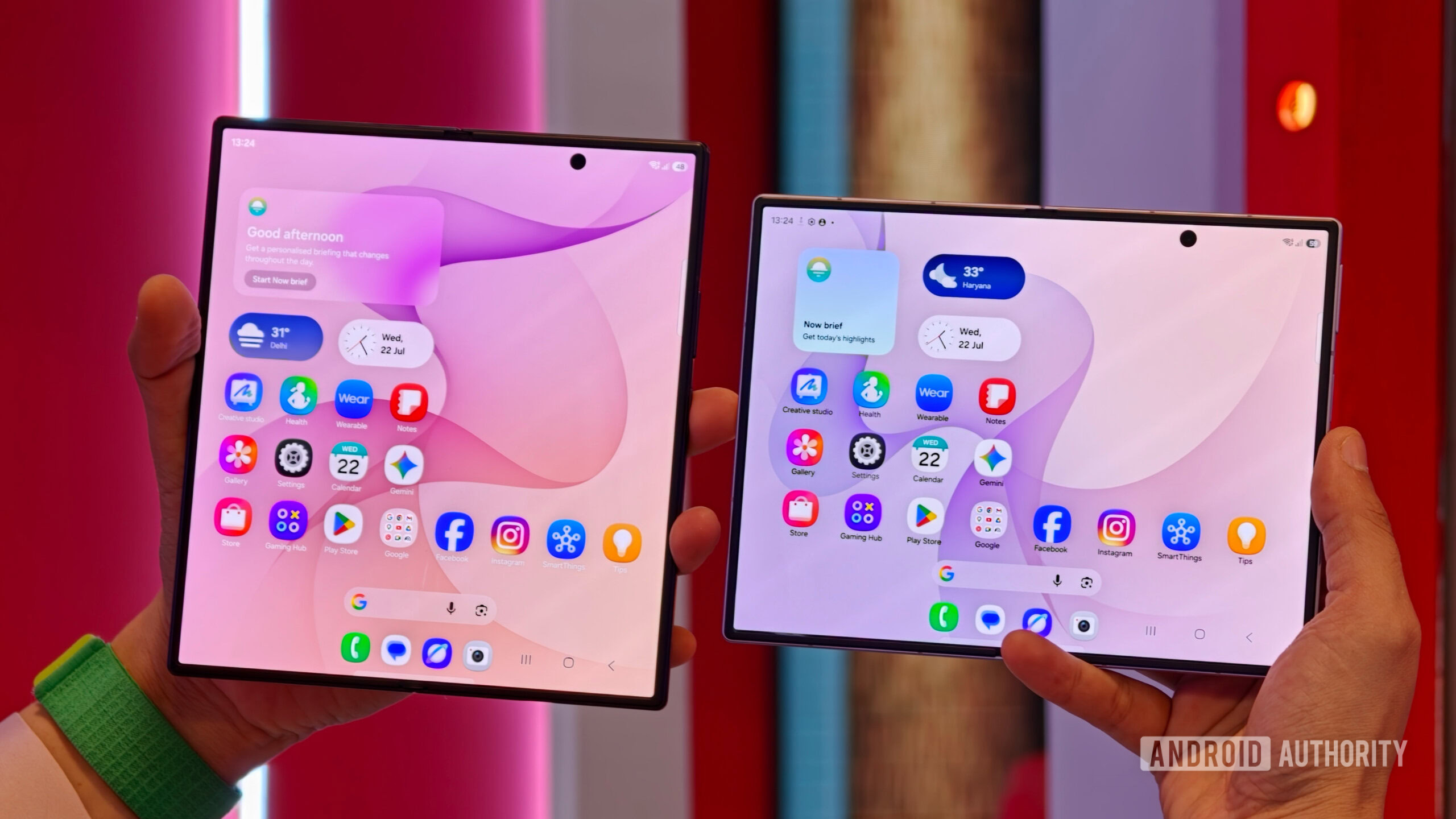
Samsung has recently unveiled its latest lineup of foldable smartphones—the Galaxy Z Flip 8, Z Fold 8, and Z Fold 8 Ultra—showcasing significant advancements in performance, software, and photographic capabilities. However, a particularly noteworthy development, and one with profound implications for Samsung’s future flagship devices, is the integration of silicon-carbon batteries across all three new foldable models. This marks a pivotal moment for the South Korean tech giant, as it signifies Samsung’s first commercial adoption of this advanced battery technology, a move that has been anticipated by industry observers and consumers for some time. The immediate benefits are evident in the foldables, but the long-term impact on the eagerly awaited Galaxy S27 series could redefine user expectations for battery life and device design.
The Dawn of a New Battery Era for Samsung: Foldables Lead the Charge
The introduction of silicon-carbon batteries in the Z Flip 8, Z Fold 8, and Z Fold 8 Ultra represents a strategic shift for Samsung, catching up with several rival manufacturers who have already embraced this technology. For years, Samsung maintained a conservative stance on battery innovation, focusing on refinement rather than radical changes in core chemistry, particularly in the wake of past safety incidents. The current deployment, however, underscores a renewed confidence and a commitment to pushing boundaries.
In the newly launched foldable series, Samsung has demonstrated a dual approach to leveraging silicon-carbon battery technology. The premium Galaxy Z Fold 8 Ultra, for instance, now boasts a robust 5,000mAh battery capacity within a chassis that is fundamentally identical in size to its predecessor, the Galaxy Z Fold 7, which housed a 4,400mAh unit. This 600mAh increase without altering the physical dimensions highlights the superior energy density of silicon-carbon chemistry. Simultaneously, the standard Galaxy Z Fold 8 presents a more compact and remarkably thinner design, yet still manages to incorporate a respectable 4,800mAh battery. The Galaxy Z Flip 8, while maintaining its predecessor’s 4,300mAh capacity, achieves this in a significantly thinner form factor, emphasizing design elegance without compromising endurance. These implementations clearly illustrate the versatility of silicon-carbon batteries, enabling either substantial capacity gains or radical design slimming, or a combination of both.
Understanding Silicon-Carbon Battery Technology
To fully appreciate the significance of this transition, it is essential to understand the underlying technology. Traditional lithium-ion batteries predominantly use graphite as the anode material. Silicon, however, has a theoretical capacity nearly ten times higher than graphite (around 4,200 mAh/g for silicon compared to 372 mAh/g for graphite). This means that silicon can store significantly more lithium ions per unit of weight, leading to a higher energy density.
The challenge with pure silicon anodes lies in their volumetric expansion during the charging and discharging cycles. As lithium ions intercalate into the silicon, the material can swell by up to 400%, leading to mechanical stress, pulverization of the anode, and rapid degradation of battery life. Silicon-carbon composite batteries mitigate this issue by blending silicon nanoparticles or nanowires with carbon materials. The carbon matrix helps to buffer the volume expansion of silicon, maintain electrical conductivity, and improve the structural integrity of the anode. This hybrid approach allows manufacturers to harness a portion of silicon’s high energy density benefits while managing the practical challenges of its expansion.
The advantages of silicon-carbon batteries extend beyond just increased capacity. They can also support faster charging rates due to improved ion kinetics, and potentially offer a longer cycle life if managed correctly. However, the manufacturing process is more complex and costly than traditional graphite anodes, requiring precise engineering to ensure stability and safety. The inherent propensity for expansion, even with carbon composites, necessitates careful design and reinforced structures within the battery pack to prevent issues like swelling, which could impact the device’s integrity and safety. This complexity is precisely why Samsung, a company with a stringent focus on product reliability and safety, has taken a more measured approach to its adoption.
Samsung’s Cautious Path to Innovation
Samsung’s deliberate pace in integrating silicon-carbon batteries can be understood in the context of its corporate history, particularly the infamous Galaxy Note 7 battery debacle of 2016. That incident, which involved overheating and exploding batteries, led to a global recall and significant reputational damage. Since then, Samsung has implemented some of the most rigorous battery safety testing protocols in the industry, making any major shift in battery chemistry a process fraught with caution and extensive validation.
While Chinese manufacturers like Xiaomi, OnePlus, Huawei, and Honor began incorporating silicon-carbon or silicon-oxide battery technologies in their flagship devices several years ago, often touting impressive battery capacities or thinner designs, Samsung prioritized stability and proven technology. This cautious approach meant that while competitors showcased larger batteries or sleeker profiles, Samsung’s flagship Galaxy S and Z series often saw incremental battery improvements, relying heavily on software optimizations and efficient chipsets to maintain competitive endurance. The fact that Samsung has now deployed silicon-carbon batteries in its technically intricate foldable devices, known for their tight internal spaces and complex hinge mechanisms, suggests that the company has reached a critical juncture in its research and development, confidently overcoming the safety and reliability hurdles associated with the technology. This move indicates that the "hard part" of validation and integration, particularly for such advanced form factors, might indeed be behind them.
Implications for the Galaxy S27 Series: A Glimpse into Future Power
The successful integration of silicon-carbon batteries into Samsung’s latest foldables creates a strong precedent and offers compelling insights into what consumers can expect from the upcoming Galaxy S27 series, traditionally launched in early 2027. While Samsung has not officially confirmed the inclusion of this battery tech in its next-generation traditional flagships, the technical and logistical groundwork laid by the foldables makes it a near certainty.
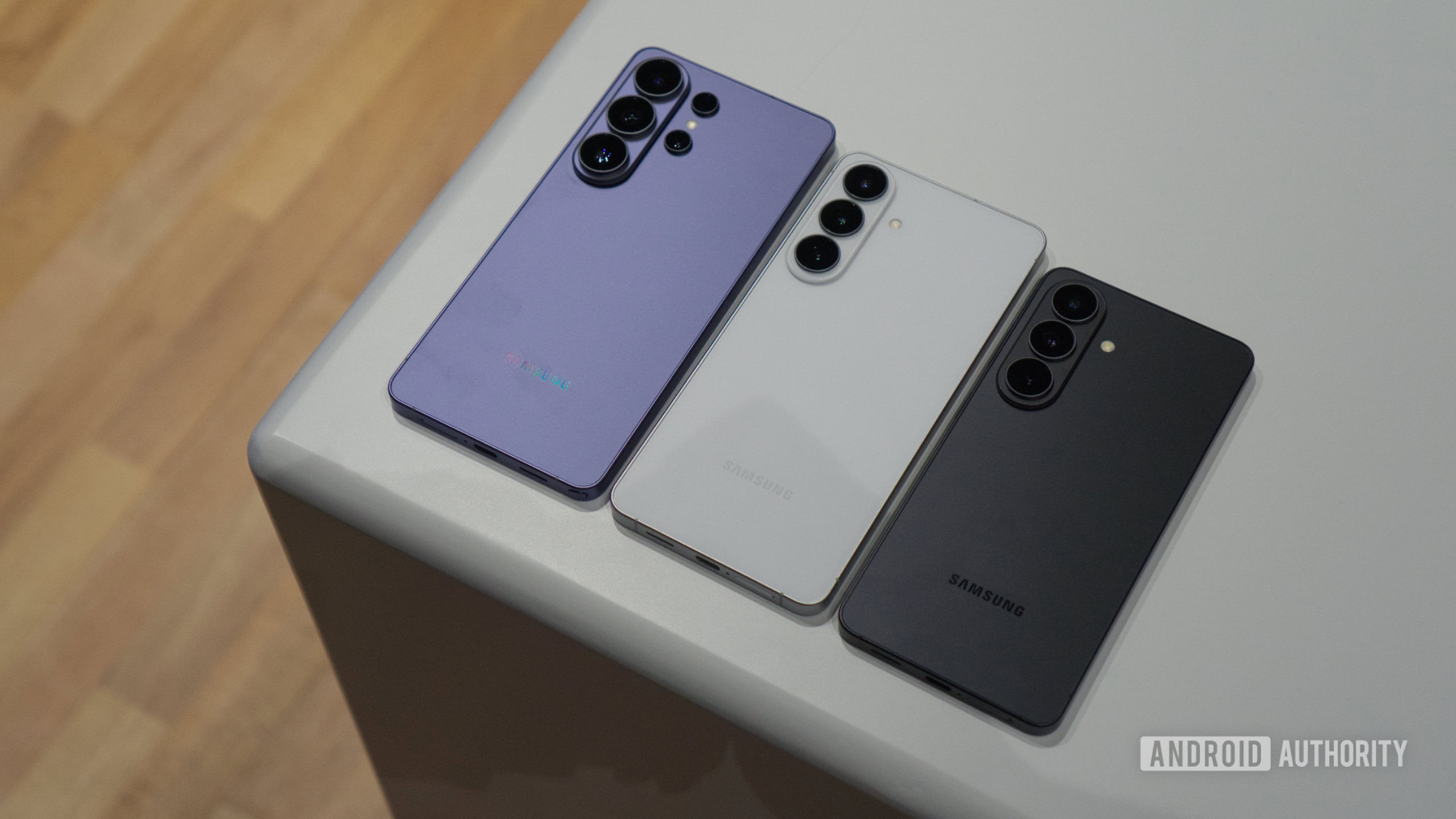
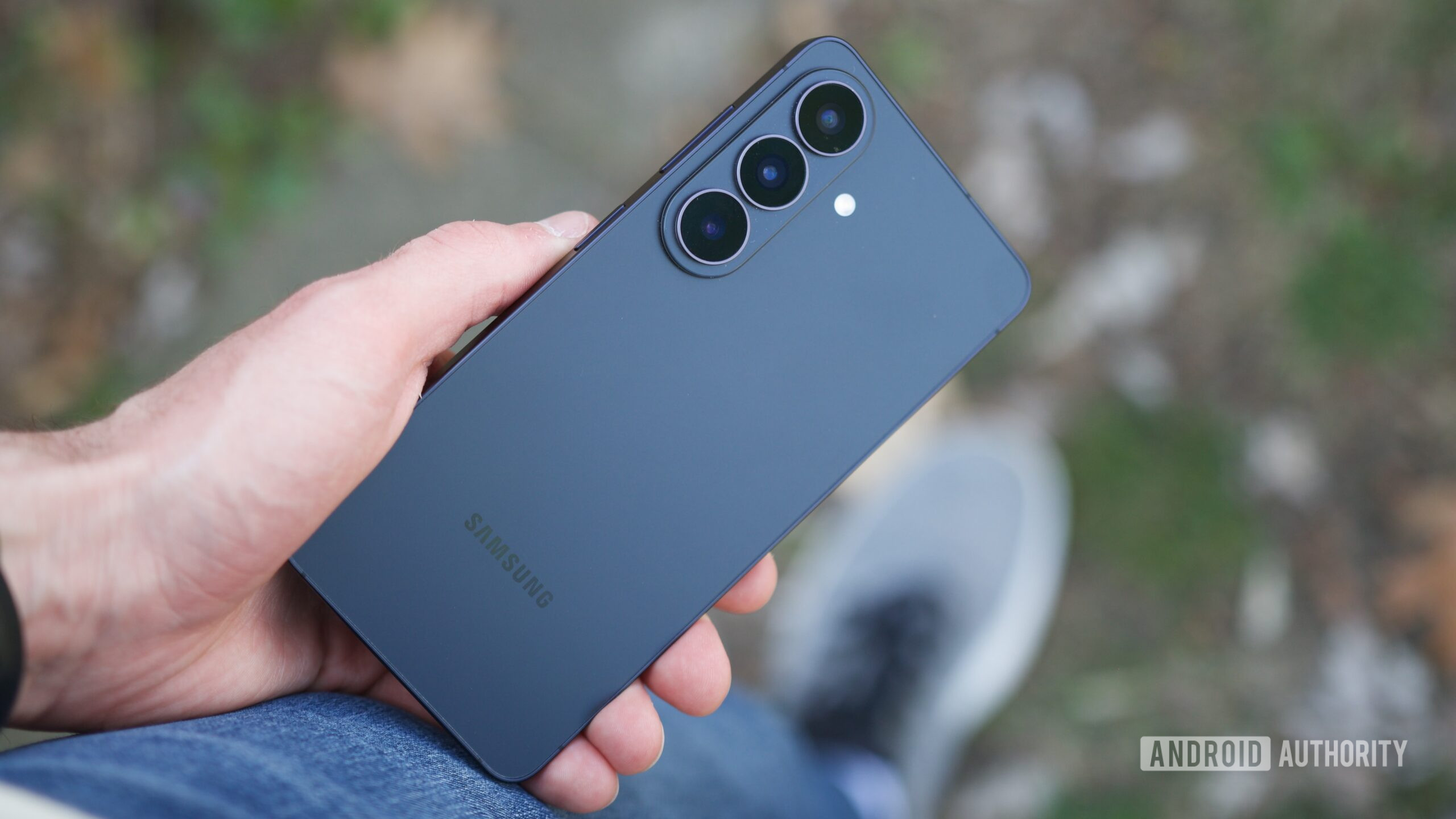
The Base Model (Galaxy S27): The standard Galaxy S26, for example, shipped with a 4,300mAh battery alongside a slightly enlarged 6.3-inch display compared to its predecessor. With silicon-carbon technology, Samsung has several strategic options for the base S27. It could maintain the 4,300mAh capacity while drastically shrinking the phone’s physical footprint or reducing its thickness, catering to users who prefer a more compact device. Alternatively, Samsung could retain the S26’s dimensions (or even a similar small increase) and significantly boost the battery capacity, potentially pushing it into the 4,500mAh to 4,700mAh range, offering a substantial endurance upgrade without compromising ergonomics. The flexibility of silicon-carbon chemistry allows for this nuanced balancing act between capacity, size, and weight.
The Rumored Galaxy S27 Pro: Recent leaks have hinted at a new "Pro" variant for the S27 series, positioned between the base model and the Ultra. This phone is rumored to feature a 6.47-inch display and, notably, a 5,000mAh battery, matching the capacity of the current S26 Ultra. Previously, such a large battery in a mid-tier flagship might have seemed ambitious or even questionable given Samsung’s prior battery strategies. However, with the Z Fold 8 Ultra now boasting a 5,000mAh battery within its compact, foldable chassis, the prospect of an S27 Pro featuring the same capacity no longer appears far-fetched. Silicon-carbon technology provides the necessary energy density to make this configuration feasible, potentially offering a compelling blend of screen size and exceptional battery life for a device positioned just below the absolute top-tier.
The Flagship Galaxy S27 Ultra: The Ultra model has consistently offered Samsung’s pinnacle of smartphone technology, but its battery capacity has largely remained at 5,000mAh since the Galaxy S21 Ultra in 2021. While competitors have pushed past this threshold, Samsung has relied on software optimization and chip efficiency to deliver commendable endurance. With the Z Fold 8 Ultra now showcasing a 5,000mAh battery in a form factor constrained by folding mechanics, the possibilities for the S27 Ultra are even greater. It is conceivable that the S27 Ultra could finally see its first battery capacity upgrade in years, potentially reaching capacities between 5,300mAh and 5,500mAh. This would represent a significant leap in raw endurance, allowing the Ultra to compete more directly with rival devices that already feature larger batteries.
However, Samsung could also opt for a more modest increase or maintain the 5,000mAh capacity while using silicon-carbon batteries to reduce the phone’s overall weight or thickness, addressing common feedback regarding the Ultra’s substantial dimensions. It is also important to consider regulatory limits; a battery in the ~5,400mAh range approaches the typical maximum for single-cell batteries in certain markets like the European Union, which imposes strict transportation regulations on larger capacities. To exceed this, Samsung would likely need to implement a more complex and costly dual-cell battery design, a strategy currently employed by some high-wattage fast-charging phones from other brands. The decision will likely hinge on a balance between achieving competitive capacity, managing device size and weight, and navigating regional regulations.
The Return of the Galaxy S27 Edge (Hypothetical): The original article briefly mentions the Galaxy S25 Edge, which was criticized for its impressively thin and light design being undermined by a meager 3,900mAh battery, leading to poor endurance. Silicon-carbon batteries could be the key to reviving such a form factor. By enabling higher capacity in a smaller volume, this technology could allow Samsung to create a truly thin and light "Edge" variant with competitive battery life, addressing the critical flaw of its hypothetical predecessor. Such a device could cater to users prioritizing aesthetics and portability without the significant compromises on power that have historically plagued ultra-slim designs.
Beyond Raw Capacity: The Synergy of Hardware and Software
Even with the promise of larger batteries, Samsung’s renowned software optimizations will continue to play a crucial role. The company has a long-standing reputation for meticulously fine-tuning its Android overlay (One UI) and underlying system processes to maximize battery efficiency. As noted by industry reviewers, even devices like the S26 Ultra, despite its 5,000mAh battery not being the largest on the market, still delivered exceptional endurance thanks to Samsung’s intelligent power management. The combination of inherently higher energy density from silicon-carbon batteries and Samsung’s sophisticated software optimization could lead to truly unprecedented battery life across the Galaxy S27 lineup, setting a new benchmark for flagship smartphones.
Industry Reactions and Future Outlook
The industry broadly views Samsung’s adoption of silicon-carbon batteries as a positive and necessary step. For years, battery technology has been perceived as a bottleneck in smartphone innovation, with incremental gains failing to keep pace with increasing demands from larger screens, more powerful processors, and advanced camera systems. Samsung’s move signals a commitment to addressing this fundamental challenge head-on. Analysts suggest this strategic pivot underscores Samsung’s renewed focus on core component innovation, not just in display technology or camera sensors, but also in foundational elements like power delivery.
The floodgates, as it were, have opened. Having successfully navigated the complexities of integrating silicon-carbon batteries into its technically demanding foldable devices, Samsung has laid the groundwork for a broader rollout across its product portfolio. This not only promises enhanced battery life for consumers but also frees up valuable internal space within devices. This newly available space could be allocated to larger cooling systems, more advanced haptic motors, or even entirely new components, enabling further innovation in design and functionality.
In conclusion, Samsung’s decision to equip its latest Z Flip 8, Fold 8, and Fold 8 Ultra with silicon-carbon batteries is more than just a feature upgrade for these specific models; it is a strategic declaration. It heralds a new era of battery performance and design flexibility for the entire Galaxy ecosystem. While the immediate benefits are being showcased in the foldables, the most significant impact is poised to manifest in the Galaxy S27 series. Consumers can look forward to future Samsung flagships that not only boast powerful silicon and slick software but also deliver truly exceptional, next-generation battery endurance, potentially redefining what a premium smartphone can achieve in terms of power and portability. The tools are now firmly in Samsung’s hands; the industry eagerly awaits to see how they will be utilized.