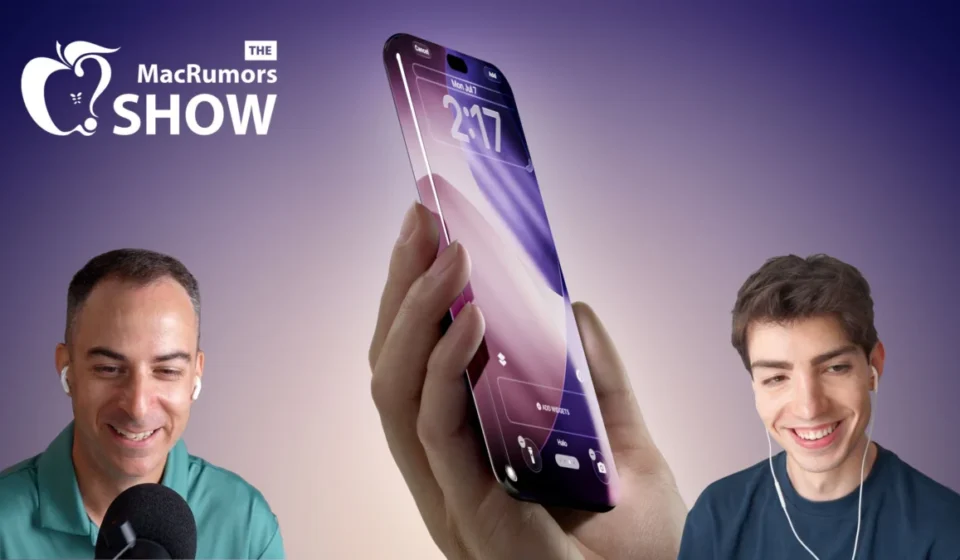

This week’s episode of The MacRumors Show delves into the highly anticipated 20th-anniversary iPhone, a device expected to usher in a dramatic overhaul of Apple’s flagship smartphone in 2027. The discussions, hosted by the MacRumors team, highlight a confluence of rumors and supply chain whispers pointing towards a design philosophy that could redefine the iPhone experience, drawing inspiration from Apple’s foundational design principles and pushing the boundaries of current display and hardware technology.
A Milestone in iPhone History
The year 2027 marks a significant milestone for Apple’s most iconic product: the 20th anniversary of the iPhone. Launched in 2007, the original iPhone revolutionized the mobile phone industry, introducing a capacitive touchscreen, a multi-touch interface, and a mobile web browser that set new standards. Two decades later, the company is reportedly preparing a device that aims to recapture that sense of groundbreaking innovation. This anniversary model is poised to be the most significant redesign since the introduction of the iPhone X in 2017, which itself marked a pivotal shift with its edge-to-edge display and removal of the iconic home button.
The naming convention for this landmark device remains a subject of speculation. Apple has a history of strategic naming, notably skipping "iPhone 9" to align the 10th-anniversary iPhone with the Roman numeral "X." It is widely anticipated that the company will follow a similar pattern, potentially bypassing "iPhone 19" and adopting a designation that reflects its 20th-anniversary status. Rumors have circulated around placeholder names such as "iPhone 20" or "iPhone XX." There’s also a possibility that this anniversary device could be positioned as a premium, ultra-high-tier offering, sitting above the standard Pro models, much like how the "iPhone Air" line was introduced as a distinct category. This strategy echoes Apple’s past branding resets, such as the iPhone Air, with its successor, the iPhone Air 2, also rumored for a future release. The potential for a tiered branding strategy underscores Apple’s ongoing efforts to segment its product lines and cater to diverse consumer demands.
A Vision of Near Bezel-Less Design and Liquid Glass
Central to the rumors surrounding the 2027 iPhone is a radical departure in physical design, aiming for a "near bezel-less" aesthetic. This vision includes curved glass that gracefully wraps around all four edges of the device, creating a seamless, almost liquid-like appearance. This ambitious design goal harks back to the long-held aspirations of former Apple design chief Jony Ive, who frequently spoke of the iPhone as a single, unbroken slab of glass.
The rumored design also suggests a return to a glass back, a feature that has been present in various forms but is now envisioned as an integral part of a unified glass construction. The frame is expected to be a slender, polished band, potentially crafted from materials beyond the standard aluminum used in current edge-to-edge iPhones. This would further enhance the premium feel and minimalist aesthetic. The display itself is anticipated to curve onto the sides, not merely in a consistent arc, but with a more dynamic curvature that integrates the display technology into the device’s physical contours.
This "liquid glass" approach presents engineering challenges, particularly concerning accidental touches on the curved edges. Such issues have been observed in earlier iterations of similar display technologies on Android devices. However, Apple is reportedly developing sophisticated software and hardware solutions to mitigate these problems. A key strategy is expected to involve designing the device to work seamlessly with cases, which would naturally provide a protective buffer against unintended interactions with the curved display. The precise degree of curvature and its visual impact at the edges are still subjects of ongoing development and speculation, with Apple likely aiming for a balance between aesthetic innovation and user experience.
The Quest for an All-Screen Front
A significant focus for the 2027 iPhone is the elimination of any visible front-facing cutouts, a move towards a truly all-screen experience. However, the readiness of under-display technology poses a considerable hurdle. Current reports indicate that while Apple is striving for a completely uninterrupted display, some form of front-facing cutout is likely to persist, at least in the initial release.
The roadmap for achieving this all-screen front involves a phased approach. The Dynamic Island, introduced as a novel way to integrate alerts and activities, is expected to gradually shrink over successive generations. Concurrently, Apple is working on integrating Face ID components directly beneath the display panel. This would allow for the removal of the notch or pill-shaped cutout entirely. The final piece of this puzzle, an under-display camera, is anticipated to arrive last. This is primarily due to the current limitations in image quality when a camera lens is positioned behind a display. Apple’s commitment to maintaining high photographic standards means this technology will likely be refined until it meets their stringent requirements.
Reviving Solid-State Haptic Buttons
Another significant rumored feature is the return of solid-state haptic buttons. This concept was explored in Apple’s "Project Bongo" years ago but was ultimately shelved. The revival of this technology for the 20th-anniversary iPhone is driven by several compelling factors.
Firstly, solid-state buttons would contribute to a cleaner, more streamlined external design by eliminating physical moving parts. This not only enhances durability but also provides a more uniform aesthetic. Secondly, it addresses a common source of hardware failures and subsequent AppleCare repairs: mechanical button malfunctions. By replacing physical buttons with solid-state alternatives that provide tactile feedback through haptics, Apple can significantly reduce hardware issues related to wear and tear. Finally, the elimination of internal space required for traditional buttons could allow for larger batteries or additional internal components, such as enhanced haptic engines, leading to improved performance and user experience.
Advancements in Imaging and Processing
Apple’s pursuit of in-house component development extends to the camera system. The company is reportedly developing a custom image sensor for the 2027 iPhone, signaling a move away from the Sony sensors that have been a staple in the iPhone lineup. This aligns with Apple’s broader strategy of vertical integration, which has already seen the company bring its A-series processors, modems, and Wi-Fi/Bluetooth chips in-house. The development of a custom sensor could allow for greater control over image processing, sensor characteristics, and overall camera performance.
However, the physical design of the rear camera array is expected to remain largely consistent with current generations. This is due to the space constraints imposed by the folded optics technology used for the telephoto lens, which allows for significant optical zoom within the compact confines of a smartphone. While software and sensor advancements will undoubtedly enhance image quality, the fundamental physical arrangement of the rear cameras is likely to remain a familiar sight.
Under the hood, the 2027 iPhone is expected to be powered by a second-generation 2-nanometer A21 chip. This advanced manufacturing process promises significant improvements in both performance and energy efficiency. Coupled with newer Apple-designed modems, these advancements will contribute to a faster, more responsive device with enhanced connectivity. Some rumors have also suggested the inclusion of a 6,000mAh battery, a substantial increase over current iPhone capacities, though the exact source and reliability of this specific figure remain to be fully corroborated.
Exploring Reverse Wireless Charging
A notable potential addition to the 2027 iPhone’s feature set is reverse wireless charging. This capability would enable the iPhone to wirelessly charge other compatible accessories, such as AirPods or an Apple Watch, simply by placing them on the back of the phone. While the underlying hardware for this functionality is already present in current iPhones – evidenced by their ability to charge MagSafe battery packs through their wireless coils – Apple has yet to enable this feature for third-party devices. Samsung, for instance, has offered reverse wireless charging on its smartphones for several years.
The viability of reverse wireless charging on the anniversary iPhone will likely depend on the success of the rumored larger battery and overall efficiency gains. Reverse wireless charging is a power-intensive feature, and its implementation would require a substantial power reserve to avoid unduly draining the iPhone’s own battery. If successfully implemented, it would offer a significant convenience factor for users invested in the Apple ecosystem of accessories.
The iPhone 18 Lineup: A More Modest Evolution
In contrast to the revolutionary redesign planned for the 20th-anniversary model, the iPhone 18 lineup, expected in the fall of 2027, is rumored to be a more iterative update. This suggests that the most significant design and technological leaps will be reserved for the special anniversary device. The iPhone 18 series, along with the iPhone 18e and iPhone Air 2, are anticipated to arrive in the spring of 2027, preceding the anniversary model. This strategic phasing of releases allows Apple to manage its product cycles and build anticipation for its most ambitious offerings.
The MacRumors Show continues to be a key platform for dissecting these evolving rumors and leaks. The podcast features in-depth discussions on topical Apple news, often with insights from industry experts and prominent figures in the tech community. Episodes are available across major podcast platforms, including Apple Podcasts, Spotify, and Overcast, and are also promoted via their dedicated YouTube channel. The show’s active presence on social media, including X (@MacRumorsShow), and its engagement with listener feedback via email and forum discussions, underscore its commitment to providing comprehensive coverage and fostering a community of Apple enthusiasts. The previous episode, focusing on the future of Apple’s MacBook lineup and the potential "MacBook Ultra," further illustrates the show’s broad scope in covering Apple’s evolving product landscape.