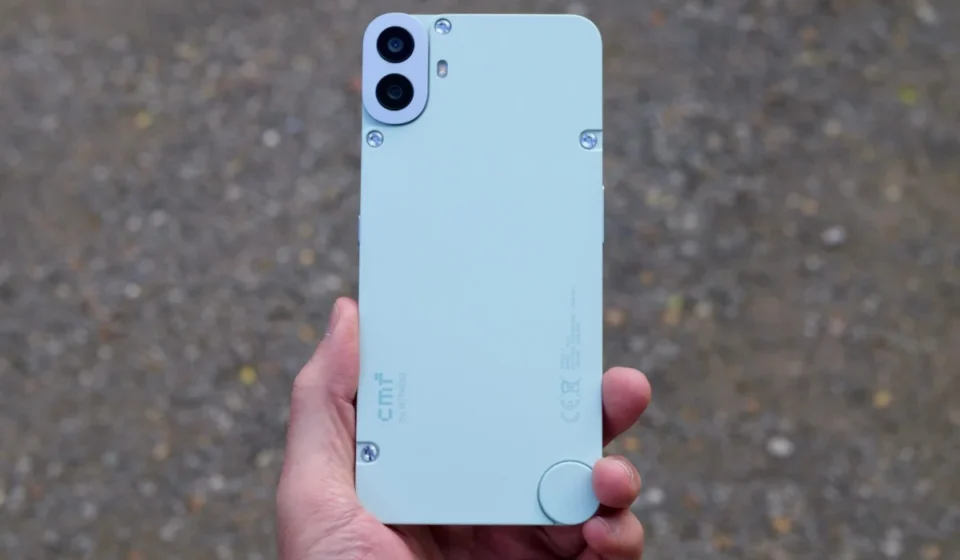
The dream of ultra-cheap smartphones for children and grandparents is effectively dead, thanks to AI.

The insatiable demand for memory chips, fueled by the rapid advancement of artificial intelligence, has rendered the production of budget smartphones increasingly unprofitable, effectively closing the door on the once-ubiquitous sub-$100 device. This seismic shift in the mobile market, driven by the reallocation of manufacturing resources towards AI infrastructure, is poised to reshape consumer electronics accessibility for a significant portion of the global population.

The Skyrocketing Cost of Memory: A Dire Forecast
Research firm Omdia has painted a stark picture of the future for the budget smartphone segment. Their latest analysis indicates that memory costs for phones priced below $100 are projected to surge by a staggering 400% in the third quarter of 2026. This dramatic increase will inflate the bill of materials (BOM) for the most common configurations of these affordable devices. Just a year ago, the BOM for such a phone hovered around $14. However, Omdia’s projections suggest this figure will balloon to approximately $70.
Jusy Hong, Senior Research Manager at Omdia, did not mince words during a recent webinar, emphasizing the severity of the situation. "It is impossible to manufacture smartphones below US$100 at the moment, or in the near future," Hong stated. This grim assessment implies that manufacturers will likely retreat from this segment altogether, seeking more lucrative opportunities in the mid-range and premium markets, despite existing unmet consumer demand for affordable devices.
The AI Effect: A Supply Chain Disruption
The primary catalyst for this dramatic price escalation is the burgeoning artificial intelligence industry. Memory chip manufacturers have strategically shifted their production capabilities to cater to the high-capacity infrastructure required for AI servers and data centers. This recalibration of manufacturing priorities has led to a significant reduction in the supply of memory chips essential for more cost-effective consumer electronics, including budget smartphones.
The ramifications are already being felt across the broader smartphone market. According to IDC, the average selling price (ASP) of smartphones reached $577 in the first quarter of 2026, marking a 12% year-over-year increase. This upward trend in pricing has contributed to a slowdown in the global smartphone market, with Q2 shipments experiencing a 4% decline. Omdia forecasts a substantial 12% contraction in overall smartphone shipments for the full year, with devices priced under $400 bearing the brunt of this downturn, facing a severe 22% contraction.

Brands Scramble to Adapt Amidst Rising Costs
In response to these market pressures, smartphone manufacturers are employing various strategies to mitigate the impact of rising component costs. Some brands are reportedly reducing the specifications of displays and camera modules in an attempt to offset the increased expenditure on memory. However, with price increases elsewhere in the supply chain, these adjustments offer limited room for maneuver, often leaving brands with no alternative but to pass on higher costs to consumers.
Evidence of this shift is already emerging. Vivo, for instance, has reportedly increased the price of its iQOO 15’s top storage configuration by 1,500 yuan. Major players like Oppo and Xiaomi have also reported double-digit shipment declines in the previous quarter, according to IDC, indicative of challenges in maintaining sales volumes amidst escalating production costs.
A Glimpse into the Past: The Era of Affordable Connectivity
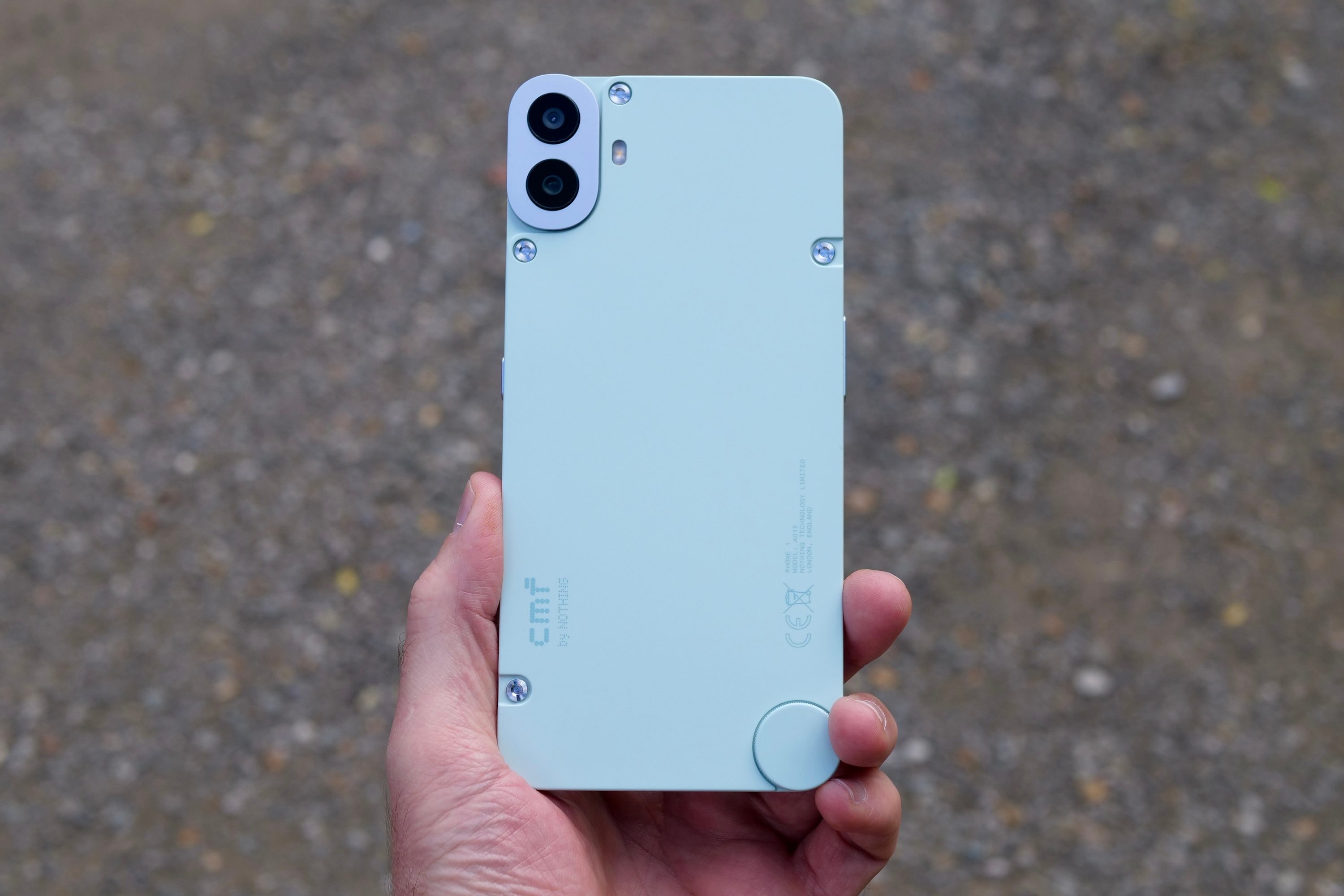
The advent of the sub-$100 smartphone represented a significant milestone in global digital inclusion. For years, these devices served as the primary gateway to the internet and mobile communication for billions worldwide, particularly in developing nations. They empowered individuals with access to information, educational resources, communication tools, and economic opportunities. Families relied on them for basic connectivity, and they were often the first technological device introduced to children and older adults.
The decline of this segment raises concerns about digital equity. For many, particularly those with limited disposable income, the prospect of owning a smartphone is becoming increasingly distant. This could widen the digital divide, further marginalizing communities that have only recently begun to benefit from mobile technology.

Expert Analysis and Future Outlook
The current market conditions suggest a prolonged period of challenge for the budget smartphone segment. While Hong anticipates the eventual return of ultra-cheap devices once memory prices stabilize, this recovery may not materialize for at least another year. The intricate interplay between AI development, memory chip manufacturing, and global supply chain dynamics creates a complex landscape that will likely continue to influence smartphone affordability.
The long-term implications of this trend are far-reaching. It could spur innovation in alternative, lower-cost mobile computing solutions, or it might lead to a more polarized market where access to advanced mobile technology becomes increasingly stratified. For the foreseeable future, however, the dream of readily available, ultra-affordable smartphones appears to be a casualty of the AI revolution. Consumers looking for entry-level devices will likely face higher price points, potentially impacting educational initiatives, digital literacy programs, and basic communication access for underserved populations globally. The industry will need to grapple with this new reality, potentially seeking novel approaches to component sourcing or exploring entirely new device categories to fill the void left by the demise of the sub-$100 smartphone.