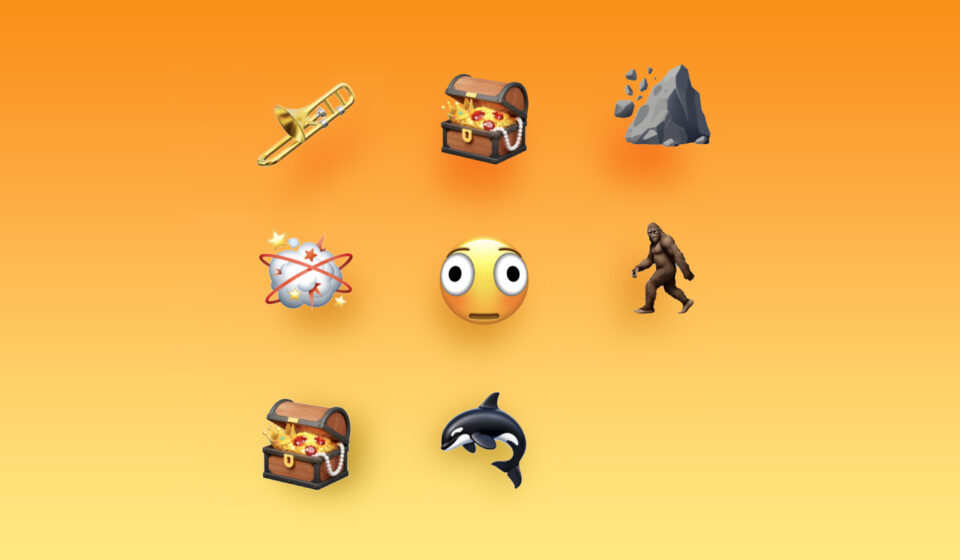
The Fourth Beta of iOS 26.4, iPadOS 26.4, and macOS Tahoe 26.4 Introduces Nine New Emoji Characters, Expanding Digital Expression

The development cycle for Apple’s upcoming operating system updates is continuing with the release of the fourth beta versions of iOS 26.4, iPadOS 26.4, and macOS Tahoe 26.4 to developers. This latest iteration brings a notable expansion to the platform’s visual communication toolkit: nine brand-new emoji characters, alongside updated skin tone modifiers and a gender-neutral option for an existing emoji. This addition signifies Apple’s commitment to keeping its emoji library current with evolving digital communication standards and user demands.
The introduction of these new glyphs is directly tied to the Unicode 17 standard, a global benchmark for character encoding. The Unicode Consortium, the organization responsible for standardizing text characters across computing platforms, had provided a preview of Unicode 17 in the fall of 2025. This preview outlined a range of new characters and modifications, with Apple, as a prominent adopter of Unicode standards, undertaking the complex task of integrating these into its proprietary operating systems. The process for Apple involves not only technical implementation but also the meticulous creation of custom artwork for each new emoji, a step that typically requires several months to complete. This explains why new emoji often appear in the spring, frequently within the ".4" software updates, as seen in this instance.
A Deeper Dive into the New Emoji Additions
Among the nine new emoji characters are a set of figures representing "people wrestling," indicating a potential for more dynamic and action-oriented communication. Complementing this, the inclusion of "dancers with bunny ears" suggests a playful and festive addition to the emoji lexicon, likely catering to celebratory contexts. A significant update also addresses inclusivity with a gender-neutral option for the ballet dancer emoji, further aligning Apple’s digital offerings with contemporary discussions around gender representation.
Beyond these distinct characters, the update also incorporates enhancements to existing emoji through new skin tone modifiers. While the original article did not specify the exact nature of these modifiers, it is understood that they allow users to select a wider range of skin tones for certain human-shaped emojis, ensuring greater representation and personalization. This move builds upon Apple’s past efforts to diversify its emoji palette, reflecting a broader industry trend towards inclusivity in digital interfaces.
The Genesis of Unicode 17 and Apple’s Implementation Timeline
The journey from Unicode Consortium’s proposal to Apple’s implemented emoji is a well-established pattern. The Unicode Consortium meticulously reviews proposals for new emoji, considering factors such as expected usage frequency, distinctiveness, and potential for misinterpretation. Once approved, these characters are assigned a unique code point. For Apple, the subsequent phase involves designing visually appealing and recognizable artwork for each emoji. This artistic rendition must adhere to Apple’s design language while remaining consistent with the underlying Unicode standard.
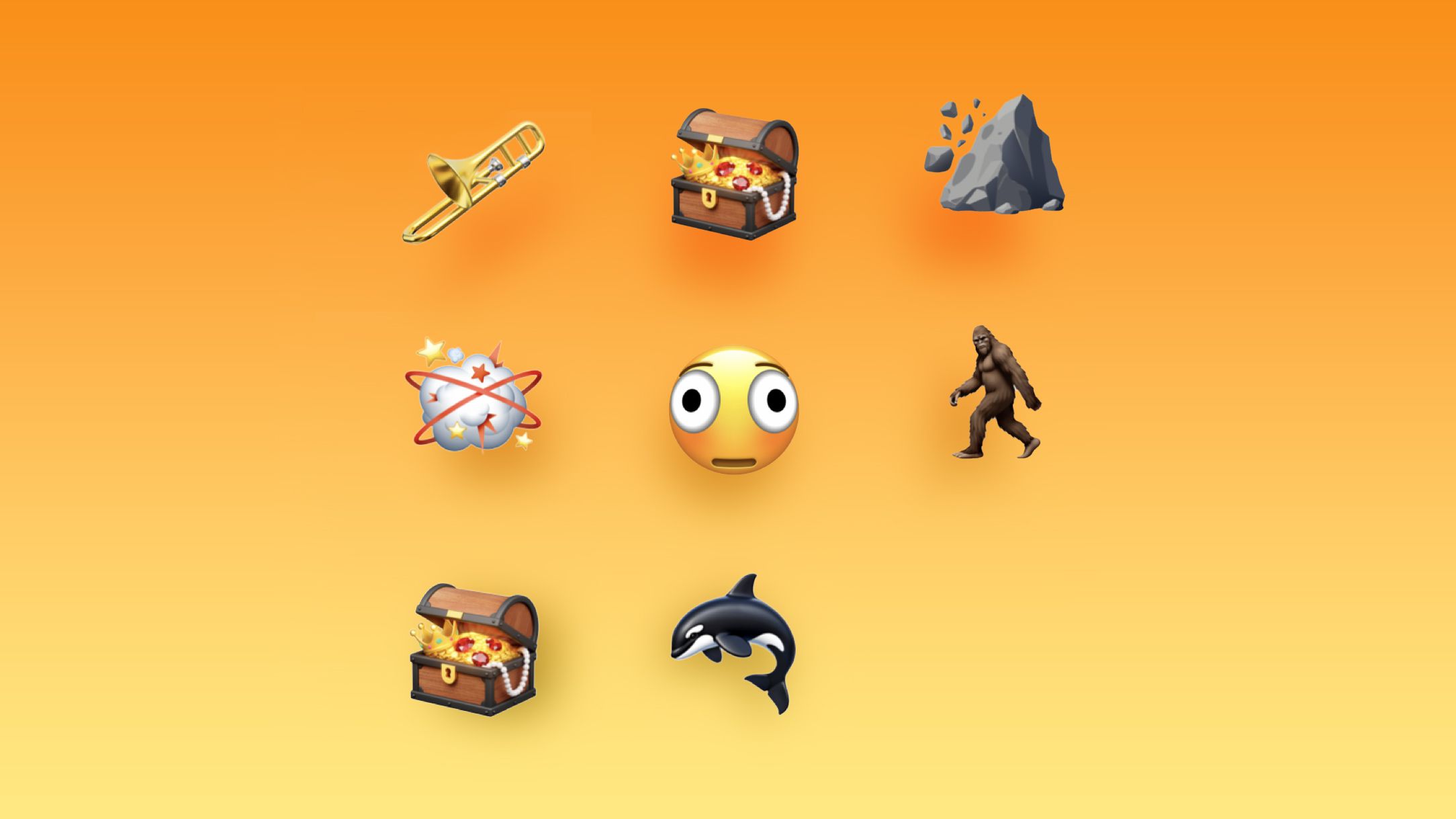
The timing of this release, the fourth beta of iOS 26.4, places it within the typical rollout window for significant emoji additions. Historically, Apple has prioritized integrating new emoji into its ecosystem during its spring software updates. For example, the iOS 18.4 update, released in the spring of 2025, introduced a suite of new emoji including a "bags under eyes face," "fingerprint," "leafless tree," "root vegetable," "harp," "shovel," and "splatter." This pattern suggests a deliberate strategy to update the visual language of its devices annually, ensuring users have access to the latest expressive tools.
Anticipating Future Emoji Developments
Looking ahead, the landscape of digital expression continues to evolve, with further emoji additions anticipated in future Unicode versions. Based on information available from earlier previews, iOS 27, expected in the spring of 2027, could potentially incorporate an even wider array of new emoji. These might include a "squinting face emoji," a "monarch butterfly," "left- and right-pointing thumb gestures," a "pickle," a "lighthouse," a "meteor," an "eraser," and a "net with a handle." Such additions underscore the ongoing effort to provide users with nuanced and diverse ways to communicate digitally, reflecting both cultural trends and practical communication needs.
Broader Implications for Digital Communication
The consistent integration of new emoji by Apple has significant implications for how users interact across its platforms. Emoji have transcended their initial role as simple emoticons to become a sophisticated form of non-verbal communication. They can convey emotion, tone, and intent in ways that plain text often cannot, especially in brief or informal digital exchanges. The expansion of the emoji library, particularly with additions that promote inclusivity and represent a wider range of activities and objects, enhances the expressiveness and relatability of digital conversations for a global audience.
For developers, the availability of these new emoji in beta versions allows them to prepare their applications for the public release of iOS 26.4. This includes ensuring their apps can correctly display and utilize the new characters, thereby providing a seamless user experience upon the official launch. This proactive approach by Apple minimizes potential compatibility issues and maximizes the immediate utility of the new features for its user base.
The ongoing evolution of emoji is a testament to the dynamic nature of digital communication. As technology advances and societal norms shift, the tools we use to express ourselves online must adapt. Apple’s regular incorporation of Unicode standards into its operating systems not only keeps its devices at the forefront of digital expression but also reflects a broader commitment to user engagement and inclusivity in the ever-expanding digital world. The introduction of these nine new emoji characters in the latest beta is a clear indicator that this commitment remains a priority.