The Fourth-Generation Apple TV 4K With Advanced Siri AI and A19 Chip Launches November 13

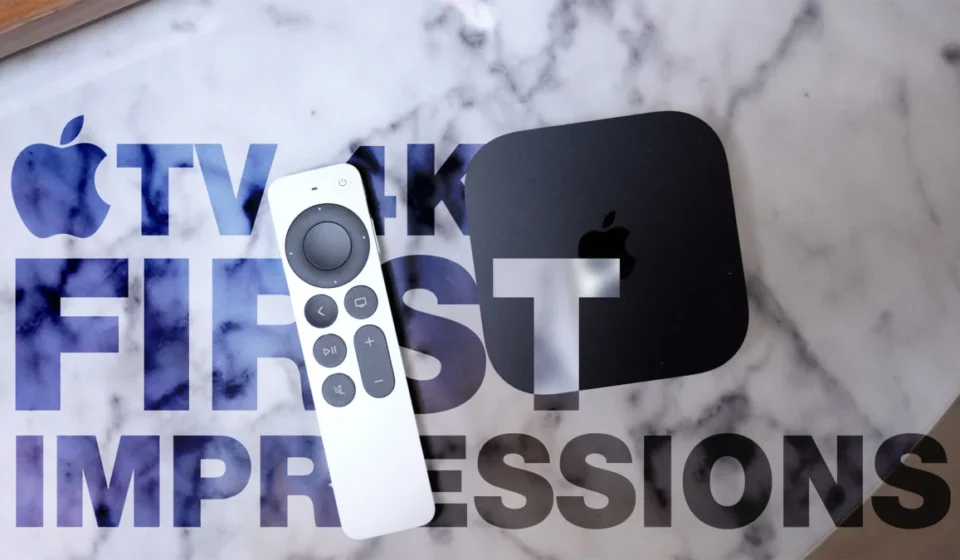
CUPERTINO, CA – November 12, 2026 – Apple is set to release its highly anticipated fourth-generation Apple TV 4K on Friday, November 13, ushering in a new era of smart home entertainment with a significantly upgraded Siri AI experience powered by the new A19 chip. MacRumors was granted early access to the device, providing a hands-on preview of its enhanced capabilities and a closer look at the strategic direction Apple is taking with its living room centerpiece.
While the external design of the Apple TV 4K remains unchanged, the internal upgrades are substantial, particularly the integration of a more sophisticated Siri AI. This new iteration of Apple’s virtual assistant promises to transform how users interact with their entertainment, offering more intuitive content discovery and question-answering abilities. Early testing indicates that while the Siri AI is not yet flawless, it represents a marked improvement over previous iterations, demonstrating a greater capacity to understand context and provide relevant suggestions.
Enhanced Siri AI: A New Era of Content Interaction
The most prominent feature of the new Apple TV 4K is its advanced Siri AI. During preliminary testing, the AI proved adept at generating multiple movie and TV show recommendations based on user preferences and even answering factual questions about content, such as cast details or plot summaries. This move towards a more intelligent and proactive assistant signifies Apple’s commitment to deepening its integration within the smart home ecosystem and making content discovery a more seamless experience.
Apple has openly stated that the Siri AI is currently in beta, acknowledging that further refinement is necessary. While its ability to pull up recommendations and answer basic content-related queries is impressive, the AI occasionally faltered when attempting to handle complex follow-up questions, responding accurately only a portion of the time. This suggests that users may encounter limitations as the technology matures, but the foundational improvements are undeniable.
"Hey Siri" and Personalized Experiences
A key convenience factor introduced is the implementation of far-field microphones within the Apple TV 4K unit itself. This allows users to activate Siri by simply saying "Hey Siri," eliminating the need to always reach for the remote. This hands-free activation is a significant step towards a more integrated and natural interaction with the device.
Furthermore, the Apple TV 4K can now recognize up to six distinct users, enabling personalized recommendations and contextual responses from Siri. This user recognition feature is crucial for tailoring the entertainment experience to individual household members, ensuring that suggestions are relevant to each person’s viewing habits and preferences.
System Requirements and Wider Compatibility
For the personalized Siri AI features to function on the Apple TV 4K, the initial setup requires an iPhone or iPad that supports the advanced Siri AI capabilities. This requirement extends to individual user profiles, meaning that each user intending to leverage personalized recommendations and context within Siri must possess their own Siri AI-compatible device. This tiered approach to feature access highlights Apple’s strategy of integrating its AI advancements across its product lines.
In a move that will broaden access to these new AI features, Apple has confirmed that the second and third-generation Apple TV 4K models will receive Siri AI support through an upcoming tvOS 27.2.1 update. This backward compatibility ensures that a significant portion of existing Apple TV users will be able to benefit from the enhanced Siri experience, albeit potentially with some performance differences compared to the latest hardware. The release of this update is anticipated to coincide with or closely follow the launch of the new model.
Siri Remote Upgrades and Enhanced Findability
While the physical design of the Siri Remote remains consistent with its predecessor, it has been enhanced with new functionalities. Notably, the remote now includes a built-in speaker, enabling users to trigger a sound to help locate a misplaced remote. This practical addition addresses a common user frustration.
Beyond the audible alert, the Siri Remote also supports Precision Finding for users who own compatible iPhone models. Specifically, this feature is available for the iPhone Air, iPhone Duo, and iPhone 17 series and later models (with the exception of the iPhone 17e). Precision Finding utilizes ultra-wideband technology to guide users directly to their lost remote with visual and haptic feedback, mirroring the functionality found in Apple’s AirTag tracking devices.
Performance Boost from the A19 Chip
The integration of the A19 chip marks a significant performance leap for the Apple TV 4K. The tvOS interface feels noticeably snappier and more responsive, contributing to a smoother overall user experience. This performance upgrade is expected to particularly benefit users who engage in gaming through Apple Arcade on their television. Enhanced processing power can lead to more fluid gameplay, reduced loading times, and the potential for more graphically intensive titles to be supported on the platform.
Immersive Audio Capabilities
Another unique feature exclusive to the latest Apple TV 4K model is the ability to pair up to four HomePod speakers for a comprehensive surround sound experience. This allows users to create a truly immersive audio environment for movies, TV shows, and music, elevating the home theater experience. The integration of multi-speaker support further solidifies Apple’s vision of a connected and rich home entertainment ecosystem.
Pricing and Market Positioning: A Significant Jump
The most contentious aspect of the new Apple TV 4K is its pricing. The fourth-generation model is slated to launch at $299, a substantial increase from its predecessors. This price point is double that of the previous generation at the time of its launch last year, representing a significant upward adjustment in Apple’s home entertainment hardware strategy.
This aggressive pricing strategy raises questions about Apple’s target market and its long-term vision for the Apple TV. While the new features, particularly the advanced Siri AI and enhanced performance, offer compelling upgrades, the substantial price hike may deter some potential buyers, especially those with a functional second or third-generation Apple TV 4K.
Analysis and Implications
The introduction of the fourth-generation Apple TV 4K with its advanced Siri AI and A19 chip positions Apple to further entrench itself as a central hub for home entertainment and smart home control. The focus on AI-driven content discovery and personalized user experiences signals a shift from a simple media streamer to a more intelligent and interactive entertainment platform.
The inclusion of far-field microphones and user recognition technology aligns with Apple’s broader strategy of making its devices more context-aware and seamlessly integrated into users’ daily lives. The enhanced Siri Remote, with its findability features, also addresses practical user needs, demonstrating a continued commitment to refining the overall user experience.
However, the significant price increase is a critical factor that will likely shape consumer adoption. For existing Apple TV 4K owners, the upgrade proposition may be less compelling unless the new AI features and performance gains significantly outweigh the cost. For those with older Apple TV models or no existing device, the new Apple TV 4K offers a comprehensive suite of advanced features, but the investment required is substantial.
The decision to offer Siri AI support to older Apple TV 4K models via a software update is a strategic move to maintain customer loyalty and ensure that a wider audience can experience the benefits of Apple’s AI advancements. This approach mitigates some of the concerns about an exclusive, high-priced hardware release.
The addition of surround sound capabilities with HomePod speaker pairing further enhances the value proposition for audiophiles and those seeking a premium home theater setup. This feature, coupled with the performance gains, suggests that Apple is targeting users who prioritize a high-quality, immersive entertainment experience.
Looking Ahead
The success of the fourth-generation Apple TV 4K will depend on how well the advanced Siri AI matures and how consumers react to the elevated price point. If Apple can continue to refine the AI capabilities and demonstrate clear value beyond incremental hardware upgrades, the Apple TV 4K could solidify its position as a leading smart home entertainment device.
The company’s sustained investment in AI and its integration across its product ecosystem suggests a long-term commitment to intelligent, personalized user experiences. The Apple TV 4K, with its latest advancements, serves as a crucial platform for realizing this vision within the living room. The coming months will reveal how effectively Apple navigates the balance between cutting-edge technology, user experience, and market affordability.