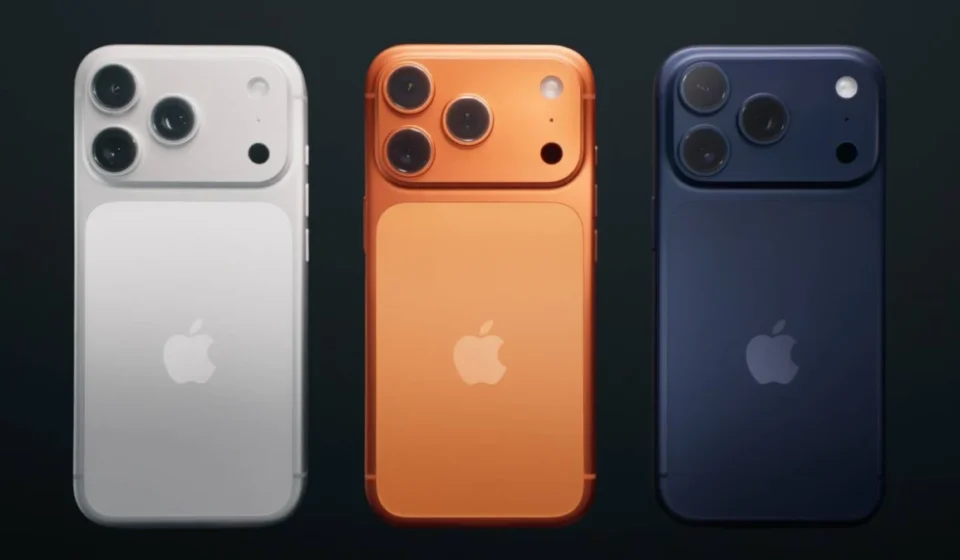
Tim Cook Affirms iPhone’s Central Role in Digital Lives Amidst Emerging Technologies

Apple CEO Tim Cook has reaffirmed the iPhone’s enduring significance as the cornerstone of users’ digital lives, even as the company actively explores and invests in groundbreaking new technologies like spatial computing, augmented reality, and AI-driven wearables. Speaking in an interview with Nikias Molina at the iconic Grand Central Terminal in New York last week, Cook expressed strong confidence in the iPhone’s future, stating, "There’s so much left that we can do with the iPhone. I think it’s going to continue to be the center of people’s digital lives." This declaration comes at a pivotal moment for Apple, with the iPhone approaching its 20th anniversary next year and continuing to demonstrate remarkable market dominance.
The interview, which took place against the backdrop of one of the world’s most recognizable transportation hubs, offered a rare glimpse into Cook’s perspective on the long-term trajectory of Apple’s flagship product. While his remarks might be perceived as standard corporate messaging, their emphasis on the iPhone’s continued centrality is noteworthy, particularly given Apple’s strategic diversification into nascent technological frontiers. These include ambitious projects such as augmented reality glasses, reportedly in advanced stages of development, and a conceptual AI-powered pendant designed to function without a traditional screen. The juxtaposition of these forward-looking initiatives with a steadfast affirmation of the iPhone’s core role suggests a carefully orchestrated strategy of both innovation and foundational product reinforcement.
A Legacy of Dominance: The iPhone’s Unprecedented Success
The iPhone’s journey since its initial unveiling in 2007 has been nothing short of revolutionary, fundamentally reshaping personal communication, information access, and mobile computing. Its enduring popularity is underscored by recent financial reports, which highlight a sustained period of exceptional growth. In the most recent fiscal quarter, iPhone revenue soared to a record-breaking $85.2 billion, a testament to the device’s continued appeal and market penetration. This figure represents a significant milestone, surpassing previous revenue highs and indicating a robust demand that defies conventional market saturation predictions.
Reflecting on this remarkable performance, Cook had previously characterized the demand for iPhones during that quarter as "simply staggering." In a statement issued in January, he elaborated on this sentiment, noting, "iPhone had its best-ever quarter driven by unprecedented demand, with all-time records across every geographic segment." This widespread success across all global markets underscores the iPhone’s universal appeal and its ability to resonate with diverse consumer bases. The consistency of this high demand, even two decades into its existence, positions the iPhone as one of the most successful and impactful consumer electronics products in history.
Navigating the Future: Beyond the Smartphone Paradigm?
Apple’s current strategic initiatives signal a clear intent to explore and define the next wave of personal computing. The company’s reported work on augmented reality glasses, which could potentially overlay digital information onto the real world, represents a significant departure from the handheld form factor of the smartphone. These devices, if realized, could offer a more immersive and integrated experience, blurring the lines between the physical and digital realms.
Furthermore, the concept of an AI-powered pendant without a screen suggests a move towards ambient computing, where technology seamlessly integrates into our lives without requiring constant direct interaction. Such devices could leverage advanced artificial intelligence to anticipate user needs, provide contextual information, and facilitate communication in a more subtle and unobtrusive manner. These explorations into spatial computing and screenless wearables are indicative of Apple’s long-term vision to expand the definition of personal technology.
However, Cook’s emphatic assertion about the iPhone’s future suggests that these new technologies are not intended to replace the iPhone but rather to complement and potentially enhance its role. The iPhone has evolved from a communication device to a versatile hub for entertainment, productivity, health tracking, and much more. Its established ecosystem of apps, services, and accessories provides a powerful platform that is difficult to displace. The notion of the iPhone remaining the "center of people’s digital lives" implies a continued integration with these emerging technologies, perhaps acting as a central control unit or a primary interface for accessing and managing these new experiences.
Expert Perspectives and Market Analysis
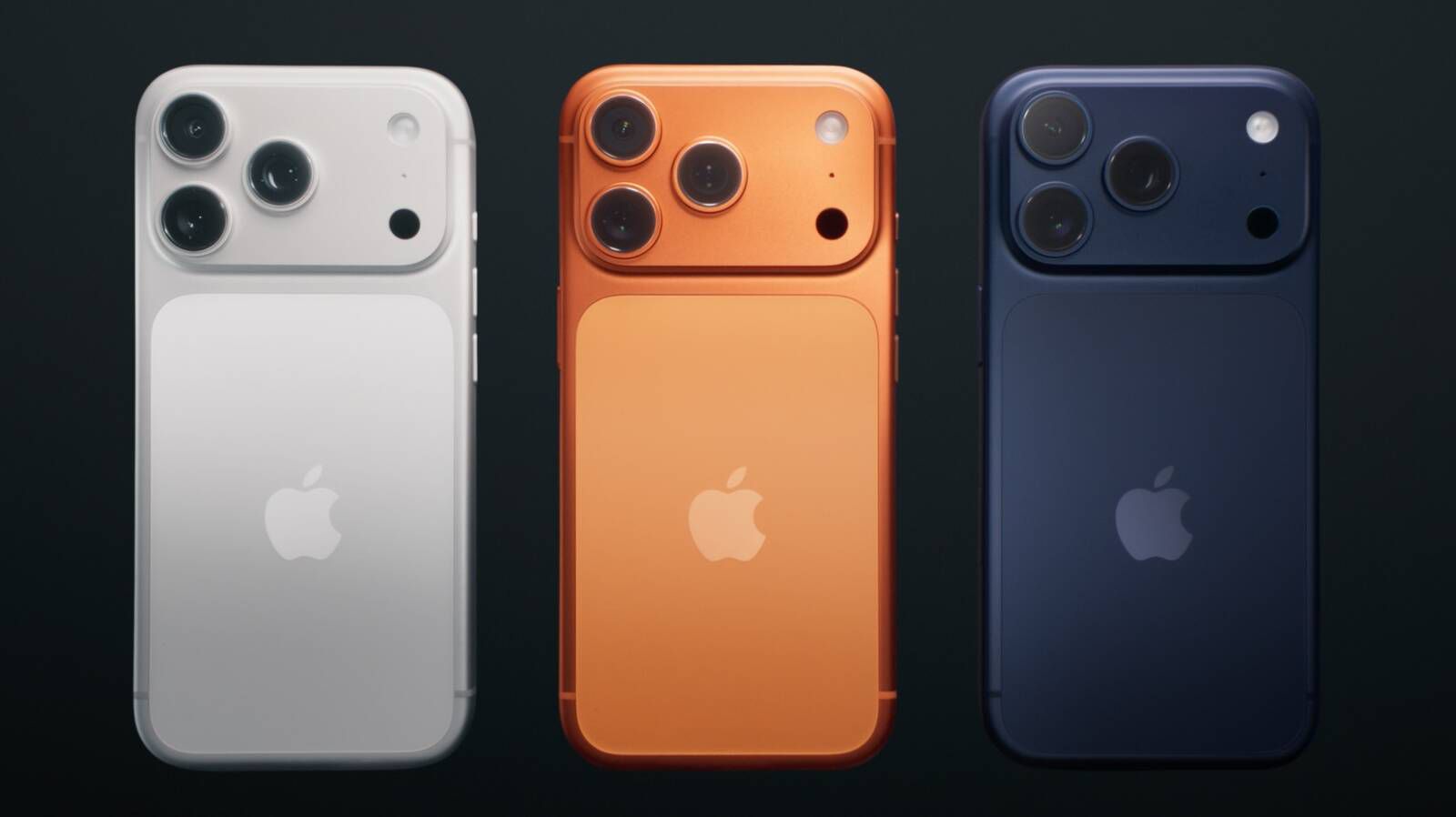
The tech industry has long debated the potential for a "post-smartphone" era, with some analysts predicting the eventual decline of the smartphone in favor of more integrated or wearable technologies. However, the iPhone’s persistent sales figures and Apple’s own strategic messaging challenge this notion, at least in the short to medium term.
Dr. Anya Sharma, a leading technology analyst at Global Tech Insights, commented on Apple’s strategy: "Apple is playing a long game. They understand the immense value of the installed base and the ecosystem built around the iPhone. While they are undoubtedly investing heavily in future technologies, they are also acutely aware that any new paradigm must offer a clear, tangible benefit over the current iPhone experience. The iPhone’s continued strength lies in its universality, its familiarity, and its proven utility across a vast array of daily tasks."
Sharma further elaborated, "The success of the iPhone is not just about hardware; it’s about the seamless integration of hardware, software, and services. This ‘walled garden’ approach, while sometimes criticized, has created a user experience that is difficult for competitors to replicate. The introduction of new devices like AR glasses or AI pendants will likely aim to leverage this existing ecosystem, rather than dismantle it. The iPhone could evolve to become the command center for these new devices, providing the processing power, connectivity, and user interface that orchestrates these emergent technologies."
Historical Context and Future Projections
The introduction of the iPhone in 2007 by then-CEO Steve Jobs marked a watershed moment in consumer electronics. It redefined the smartphone category with its multi-touch interface, robust app ecosystem via the App Store (launched in 2008), and sophisticated operating system. Over the years, incremental yet significant advancements in camera technology, processing power, display quality, and battery life have kept the iPhone at the forefront of mobile innovation.
The consistent revenue growth, even in a mature smartphone market, suggests that Apple has been successful in encouraging upgrades and attracting new users. Factors contributing to this include:
- Technological Advancements: Each new iPhone generation typically introduces meaningful improvements, such as enhanced camera systems, faster processors, improved battery life, and new display technologies. For example, the recent focus on computational photography and advanced video recording capabilities continues to appeal to content creators and everyday users alike.
- Ecosystem Lock-in: The deep integration of the iPhone with other Apple products and services, such as iCloud, Apple Watch, AirPods, and Apple Music, creates a compelling ecosystem that encourages user loyalty and discourages switching to competing platforms.
- Brand Loyalty and Perceived Quality: Apple has cultivated a strong brand image associated with premium quality, innovative design, and user-friendly interfaces. This brand loyalty translates into a willingness among consumers to invest in Apple’s products.
- Market Penetration in Key Segments: Apple has successfully penetrated premium and high-end smartphone markets globally, capturing a significant share of consumer spending in these lucrative segments.
The company’s forward-looking investments in areas like AI and augmented reality suggest a strategic intent to shape the future of personal technology. The timeline for the widespread adoption of these technologies remains uncertain, but Apple’s methodical approach, characterized by rigorous testing and phased rollouts, indicates a commitment to delivering polished and user-ready products. The reported development of AR glasses, for instance, has been a subject of industry speculation for years, with numerous patents and rumors surfacing, suggesting a long-term research and development effort. Similarly, the AI pendant concept hints at a desire to explore more passive and integrated forms of technology.
The Enduring Power of the Platform
The question of whether any device will ultimately "supplant" the iPhone, or smartphones in general, remains an open one. However, Tim Cook’s unwavering confidence suggests that Apple believes the iPhone’s foundational role will persist for a considerable duration. This perspective is grounded in the device’s evolution from a mere communication tool to an indispensable digital companion.
The ongoing success of the iPhone can be attributed to its ability to adapt and integrate new technologies, making it more than just a smartphone but a gateway to a vast and interconnected digital experience. As Apple continues to push the boundaries of innovation with technologies like spatial computing and advanced AI, the iPhone is likely to remain at the heart of this evolving landscape, serving as the central nexus of users’ digital lives for years to come. The company’s strategic vision appears to be one of expansion and enhancement, rather than outright replacement, ensuring that the iPhone’s legacy continues to grow and evolve alongside the technologies of tomorrow.