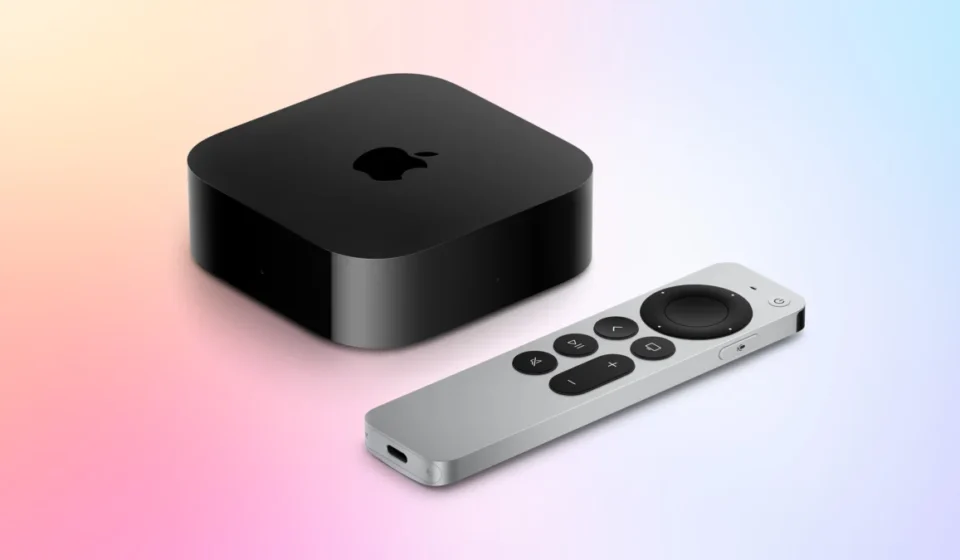
Xcode 27.2 Unveils RAM Capacities for Fourth-Generation Apple TV 4K, New iPad Mini, and iPhone Duo

Apple’s latest developer toolkit, Xcode 27.2, has inadvertently provided concrete details regarding the random-access memory (RAM) configurations of recently launched or anticipated Apple devices. The software update, released on Thursday, October 29, 2026, reveals that the fourth-generation Apple TV 4K is equipped with 8GB of RAM, while the newly announced iPad mini featuring an OLED display boasts 12GB of RAM. Furthermore, Xcode 27.2 indicates that the yet-to-be-fully-detailed "iPhone Duo" will also come with 12GB of RAM.
While Apple typically refrains from explicitly listing RAM amounts in its official product specifications, these revelations from Xcode offer a valuable confirmation for consumers and industry observers alike. This information, though not surprising given current technological trends and Apple’s previous product allocations, provides a clearer picture of the hardware capabilities powering these devices.
Unpacking the RAM Allocations
The deployment of 8GB of RAM in the fourth-generation Apple TV 4K, powered by the A19 chip, suggests a significant upgrade in processing power and multitasking capabilities for Apple’s living room device. This increased memory capacity is likely intended to support more demanding applications, enhanced graphics for gaming and media playback, and potentially a more robust tvOS operating system experience. Previous generations of the Apple TV 4K have utilized considerably less RAM, with the third-generation model featuring 4GB. This doubling of memory indicates a strategic move to position the Apple TV 4K as a more powerful entertainment and gaming hub.
The iPad mini with an OLED display, running on the A20 Pro chip, receives a substantial 12GB of RAM. This allocation aligns with the device’s positioning as a premium, compact tablet capable of handling professional-grade tasks, advanced multitasking, and graphically intensive applications. The integration of an OLED display itself signifies a leap in visual fidelity, and the increased RAM will ensure that users can seamlessly switch between demanding apps, edit high-resolution media, and engage in complex creative workflows without performance bottlenecks. This figure also matches the RAM found in some of Apple’s high-end iPhone models, underscoring the iPad mini’s growing power.
Perhaps most intriguing is the confirmation of 12GB of RAM for the "iPhone Duo." While specific details about this device remain somewhat scarce, the substantial RAM allocation points towards a device designed for exceptional performance. The "Duo" moniker could imply a dual-screen configuration or a focus on parallel processing, both of which would benefit from such a generous memory pool. This figure places the iPhone Duo at the upper echelon of smartphone RAM capacity, suggesting it is being engineered to handle the most demanding mobile applications and potentially to offer features that require significant on-device processing.
The Shadow of Supply Chain Challenges
The confirmation of these RAM figures arrives against a backdrop of significant global supply chain pressures, particularly affecting the memory chip market. An industrywide shortage of memory chips has led to a dramatic escalation in prices for RAM and storage components throughout 2026. This volatile market condition has directly impacted consumer electronics manufacturers, including Apple.
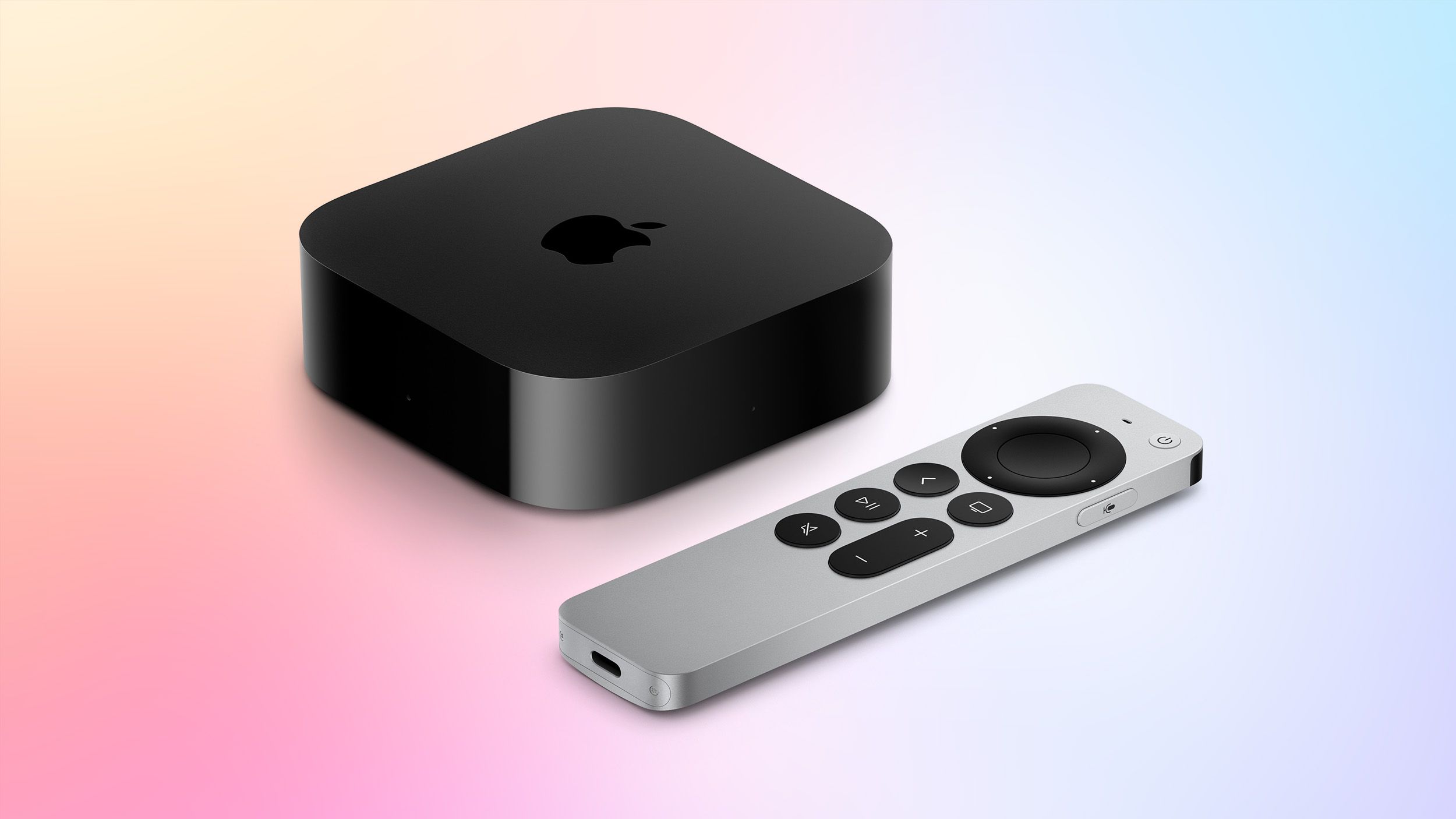
Earlier in 2026, Apple acknowledged these rising costs and implemented price adjustments across a wide array of its product lines. This included increases for iPhones, iPads, Macs, HomePods, and the Apple TV 4K, among others. The decision to equip new devices with ample RAM, even in the face of rising component costs, underscores Apple’s commitment to delivering a premium user experience and maintaining its performance benchmarks. It also suggests that Apple has secured sufficient supply of these higher-capacity RAM modules to meet anticipated demand for its latest offerings.
Chronology of Recent Apple Launches and Information Leaks
The revelation of RAM capacities through Xcode 27.2 follows a series of product announcements and leaks that have shaped the recent Apple landscape.
- Early October 2026: Leaks from sources like Bloomberg’s Mark Gurman provided early insights into upcoming Apple hardware. Reports detailed potential new devices including an all-new smart home hub tentatively named "HomeView," a second-generation HomePod mini, and an updated Apple TV 4K. These pre-announcement insights often hint at the direction of Apple’s product development.
- Mid-October 2026 (Around October 11): Specific leaks, such as those reported on October 11, 2026, began to surface, suggesting a significant overhaul for the Apple TV 4K and the introduction of new smart home devices.
- October 13, 2026: Apple officially announced the new fourth-generation Apple TV 4K. This announcement likely generated excitement and anticipation, with users and analysts eager for detailed specifications.
- October 26, 2026: The new iPad mini with an OLED display was unveiled by Apple. This device immediately garnered attention for its upgraded display technology and the promise of enhanced visual performance.
- Late October 2026 (Around October 20-23): With the iPhone Duo’s launch imminent (marketing materials and app previews appearing around October 20), speculation about its specifications, including memory, intensified. Reports from October 17, 2026, indicated that Apple retail staff were being advised to caution customers against walk-in purchases of the iPhone Duo due to anticipated high demand and limited initial stock.
- October 29, 2026: The release of Xcode 27.2 provided the definitive, albeit indirect, confirmation of the RAM configurations for the fourth-generation Apple TV 4K, the new iPad mini, and the iPhone Duo.
This timeline highlights a pattern of Apple gradually revealing or having its product details emerge in the lead-up to or shortly after official announcements, often through developer tools or industry analyses.
Implications and Broader Impact
The confirmed RAM amounts have several implications for users and the broader tech ecosystem. For consumers, this increased memory capacity in devices like the Apple TV 4K and iPad mini signifies a commitment to future-proofing and enhanced performance, allowing for a smoother and more capable user experience over the lifespan of the device. For developers, knowing these RAM figures is crucial for optimizing applications to take full advantage of the available hardware resources, especially for the upcoming iPhone Duo, which appears poised to be a performance powerhouse.
The consistent allocation of 12GB of RAM across both the iPad mini and the iPhone Duo suggests a potential convergence in high-performance mobile computing standards within Apple’s ecosystem. This also reinforces the trend towards more powerful and versatile mobile devices that can increasingly serve as replacements for traditional computing platforms for a wider range of tasks.
While Apple’s strategy of not explicitly advertising RAM amounts can be seen as a way to focus on user experience rather than raw specifications, the confirmation through Xcode serves the important function of providing concrete data for those who need it. In an era where mobile devices are becoming increasingly central to our digital lives, understanding the underlying hardware capabilities remains a critical factor for many consumers and professionals. The consistent reporting of these figures by technology news outlets, stemming from developer tools, underscores the value of such insights for informed purchasing decisions and a deeper understanding of Apple’s technological roadmap.