Apple Reportedly Developing Screenless Fitness Tracker to Challenge WHOOP and Google Fitbit Air

Screenless fitness trackers are experiencing a significant resurgence in the wearable technology market, and industry giant Apple is reportedly keen not to be left behind in this evolving segment. According to recent reports, the Cupertino-based technology behemoth is actively developing a new health and fitness tracker devoid of a traditional display, a strategic move that would position it as a direct competitor to established players like WHOOP and Google’s recently launched Fitbit Air. This development signals a potential diversification in Apple’s highly successful wearables portfolio, traditionally dominated by the feature-rich Apple Watch series.
The concept of a screenless wearable, while not new, has gained considerable traction in recent years, appealing to a demographic seeking more discreet, comfortable, and focused health monitoring solutions. Unlike smartwatches that offer a broad array of functionalities from communication to payment processing, these minimalist trackers prioritize continuous, passive health data collection and analysis. Apple’s rumored entry into this niche underscores the growing consumer demand for specialized health insights without the distractions of a display or the bulk of a full-fledged smartwatch.
The Emergence of the Screenless Wearable Market
The market for screenless fitness trackers has been steadily expanding, driven by a desire for simplicity, extended battery life, and a less intrusive user experience. These devices typically focus on core physiological metrics such as heart rate variability (HRV), sleep patterns, activity levels, skin temperature, and respiratory rate, presenting the data through a companion smartphone application. The appeal lies in their ability to seamlessly integrate into daily life, providing continuous health monitoring without requiring constant interaction with a screen.
One of the pioneers and most prominent players in this space is WHOOP. Launched in 2015, WHOOP carved out a significant niche by offering a sophisticated, subscription-based service centered on recovery, sleep, and strain optimization. Its discreet strap, designed to be worn 24/7, collects comprehensive biometric data, delivering personalized insights and coaching through its app. The company’s success, particularly among professional athletes and health enthusiasts, demonstrated the viability and demand for a premium, data-driven screenless wearable experience.
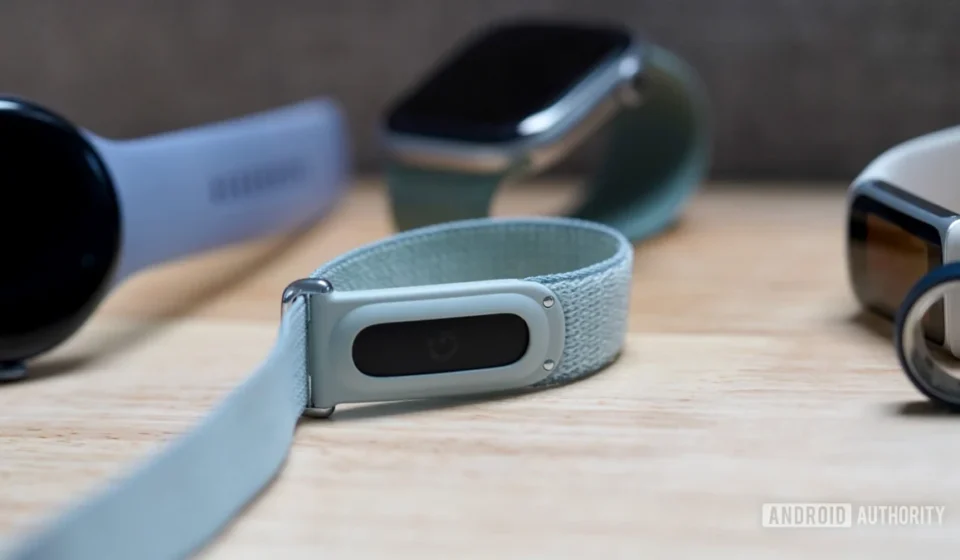
Following WHOOP’s lead, other companies have recognized the potential of this market. Google, through its acquisition of Fitbit, introduced the Fitbit Air earlier this year. Priced at $99, the Fitbit Air offers a similarly lightweight, screenless approach to passive health and fitness tracking, aiming to make advanced monitoring more accessible to a broader consumer base. Its integration with Google’s health ecosystem positions it as a strong contender, particularly for Android users already invested in Google Fit or Fitbit services.
Another notable entrant is the Luna Band, which recently began shipping globally for $149. This device further expands the range of screenless options, often focusing on unique blends of aesthetics and functionality. Even established fitness companies like Garmin, while known for their comprehensive sports watches, have explored more minimalist form factors and advanced health tracking features that align with the screenless philosophy, even if their primary devices retain displays. This collective movement signifies a maturing market segment where specialized health insights are increasingly valued over general-purpose smart device features.
Apple’s Explorations and Internal Momentum
According to a report from Bloomberg‘s Mark Gurman, a respected authority on Apple’s internal workings, the tech giant has been exploring the concept of a screenless health and fitness tracker for several months. The project is currently in its very early stages, with Apple developing prototypes but yet to make a definitive decision on its release. Gurman’s sources indicate that if the device were to materialize, it would likely not arrive before 2028, underscoring the long development cycles and meticulous testing characteristic of Apple’s product pipeline.
The prototypes reportedly consist of a thin fabric band paired with a sensor-equipped computing module, intentionally designed without a screen. This design philosophy represents a significant departure from the Apple Watch series, which has become synonymous with a vibrant, interactive display. Instead, this potential new device would trade the comprehensive app ecosystem, notifications, and interactive features of the Apple Watch for a more streamlined, singular focus on continuous health and fitness tracking. Such a device would likely relay all collected data and insights to the existing Apple Health app on a user’s iPhone, leveraging the robust analytical capabilities and user interface already established within Apple’s ecosystem.
The initiative has reportedly garnered considerable interest from high-level executives within Apple. Executive Chairman Tim Cook and services chief Eddy Cue are said to be particularly keen on the project, indicating a strategic alignment with Apple’s broader emphasis on health and services. The involvement of members from Apple’s Vision hardware team in the early engineering work further suggests the company’s commitment to exploring innovative form factors and advanced sensor technologies for this potential new category. The Vision team, known for their work on spatial computing and augmented reality, could bring unique insights into creating a highly integrated and comfortable wearable experience.
Apple’s Existing Health Ecosystem and Strategic Diversification
Apple has long positioned itself as a leader in health and wellness technology, primarily through the Apple Watch and the Apple Health app. The Apple Watch, first introduced in 2015, has evolved into a sophisticated health monitoring device, offering features such as ECG capabilities, blood oxygen saturation tracking, fall detection, temperature sensing for cycle tracking, and robust fitness tracking. It has undoubtedly raised consumer awareness about personal health data and the potential of wearables.
However, the Apple Watch, despite its widespread success, has certain limitations that a screenless tracker could address. Its battery life, while improving, typically requires daily charging. Its size and form factor, while relatively compact, can still be perceived as bulky by some, particularly during sleep or certain activities. Furthermore, its premium price point, often starting around $250-$400 depending on the model, can be a barrier to entry for a segment of the market.
A screenless Apple tracker would represent a strategic diversification, allowing Apple to tap into a different segment of the health wearable market. It could appeal to:
- Minimalists: Users who prefer discreet devices that blend seamlessly with their attire and lifestyle, without the visual prominence of a smartwatch.
- Dedicated Health Enthusiasts: Individuals primarily interested in in-depth physiological data for optimizing performance, recovery, and overall well-being, without the need for smartwatch functionalities.
- Cost-Conscious Consumers: A screenless device could potentially be offered at a lower price point than the Apple Watch, making Apple’s health ecosystem more accessible.
- Battery Life Seekers: By removing the power-intensive display, Apple could significantly extend battery life, offering weeks rather than days of continuous tracking, a major competitive advantage.
This potential move aligns with Apple’s long-term vision for health, which CEO Tim Cook has often highlighted as one of the company’s most significant contributions. By offering a range of health-focused devices, from the comprehensive Apple Watch to a minimalist tracker, Apple could cater to a wider spectrum of consumer needs and preferences, further solidifying its dominance in the digital health landscape.
Implications for the Wearable Market and Competitors
Should Apple indeed launch a screenless fitness tracker, the implications for the broader wearable market would be substantial. Apple’s entry into any product category often legitimizes it and drives innovation across the industry.
- Increased Competition and Innovation: The likes of WHOOP, Google’s Fitbit, and Luna will face intensified competition. This could spur further innovation in sensor technology, data analysis, subscription models, and design across the board. Competitors might respond by enhancing their own offerings, potentially leading to a richer ecosystem of choices for consumers.
- Market Expansion: Apple’s brand power and marketing prowess could significantly expand the overall market for screenless trackers, drawing in millions of new users who might not have previously considered such a device. This "Apple effect" has been observed in various categories, from smartphones to smartwatches and wireless earbuds.
- Cannibalization Concerns: A potential challenge for Apple would be managing the risk of cannibalizing its own Apple Watch sales. However, by positioning the screenless tracker as a complementary or alternative device for a distinct user segment, Apple could mitigate this risk. For instance, some users might opt for both – an Apple Watch for daily interactions and a screenless tracker for continuous background health monitoring, especially during sleep or specific athletic endeavors.
- Data Integration and Ecosystem Lock-in: Apple’s existing Health app ecosystem is a powerful asset. A new screenless tracker would seamlessly integrate, further enhancing the data insights available to users and strengthening Apple’s walled garden, potentially making it harder for users to switch to competing platforms. The emphasis on privacy, a cornerstone of Apple’s brand, would also likely be a key selling point for a device handling sensitive health data.
- Pricing Strategy: The rumored $99 price point of the Google Fitbit Air offers a benchmark. Apple typically positions its products at a premium, but a screenless tracker might represent an opportunity for a more accessible entry point into its health ecosystem. Balancing perceived value with a competitive price will be crucial.
Technical Considerations and Potential Features
While details on the specific technical capabilities of Apple’s potential screenless tracker remain speculative, the "sensor-equipped computing module" suggests advanced biometric data collection. Given Apple’s existing expertise with the Apple Watch, potential features could include:
- Advanced Heart Rate Monitoring: Continuous heart rate, heart rate variability (HRV), and resting heart rate.
- Sleep Tracking: Detailed insights into sleep stages (REM, core, deep), sleep duration, disturbances, and possibly sleep apnea detection.
- Activity and Recovery Tracking: Steps, calories burned, active minutes, and personalized recovery metrics.
- Skin Temperature Sensing: For general wellness monitoring, illness detection, and enhanced cycle tracking.
- Blood Oxygen (SpO2) Monitoring: Although the utility of spot-check SpO2 on the Apple Watch has been debated, continuous or background SpO2 monitoring could be valuable.
- Electrodermal Activity (EDA) Sensing: To measure stress levels, similar to features found in some Fitbit devices.
- Improved Battery Life: The absence of a screen would allow for significantly longer battery life, potentially lasting several days to weeks on a single charge.
- Comfort and Durability: A thin fabric band would emphasize comfort for 24/7 wear, while Apple’s renowned build quality would ensure durability.
- Seamless Integration with Apple Health: All data would flow directly into the Apple Health app, where users could visualize trends, receive insights, and share data with healthcare providers if desired.
The challenge for Apple would be to differentiate its offering in a market that already has sophisticated players. It might leverage its AI and machine learning capabilities to provide even more personalized and actionable health insights, perhaps integrating with Apple Fitness+ or other subscription services to create a holistic wellness platform.
A Cautious Outlook and Future Prospects
Despite the palpable excitement surrounding this rumored device, Bloomberg‘s report emphasizes that the project is in its nascent stages and may never see the light of day. Apple is known for prototyping numerous products that never reach mass production. The "not before 2028, if at all" timeline underscores the inherent uncertainty and the rigorous internal evaluation process that every potential Apple product undergoes. Factors such as market conditions, technological feasibility, competitive landscape, and strategic priorities could all influence the final decision.
Nevertheless, the mere fact that Apple is exploring this category speaks volumes about the shifting trends in personal health technology. It suggests a recognition that a significant portion of consumers desires powerful health insights delivered through a discreet, comfortable, and long-lasting device, free from the demands of a screen. If Apple successfully navigates the development challenges and brings such a product to market, it could once again redefine expectations for a category, much like it did with the Apple Watch for smartwatches and the AirPods for wireless earbuds.
The coming years will reveal whether this reported project evolves into a tangible product. For now, the prospect of an Apple-branded screenless health tracker adds another fascinating layer to the competitive narrative of the rapidly expanding digital health and wearables industry, promising further innovation and choice for consumers seeking to take greater control of their well-being.