
In the latest iteration of Apple’s mobile operating system, iOS 27, the integrated Wallet application has received a significant enhancement, granting users unprecedented control over their digital wallets. The Wallet app now allows for the creation of custom passes, extending its utility beyond pre-defined categories like event tickets, gift cards, and loyalty programs. This new functionality enables individuals to digitize a broader spectrum of physical cards, including membership cards, event tickets without a digital counterpart, and other forms of identification or access credentials, thereby streamlining personal organization and access management.
The core of this innovative feature lies in Apple’s proprietary "Visual Intelligence" technology. This advanced system is designed to intelligently scan physical cards presented by the user. Upon scanning, the technology analyzes the card’s layout and content, attempting to match it with a pre-existing template within the Wallet app’s framework. This templated approach ensures that essential fields, such as names, dates, locations, or unique identifiers, are correctly parsed and populated. Once a match is identified, users are presented with the opportunity to review and modify these fields, ensuring accuracy before the digital pass is added to their Wallet. This intelligent matching process significantly reduces the manual effort typically associated with digitizing physical items, making the transition smoother and more efficient.
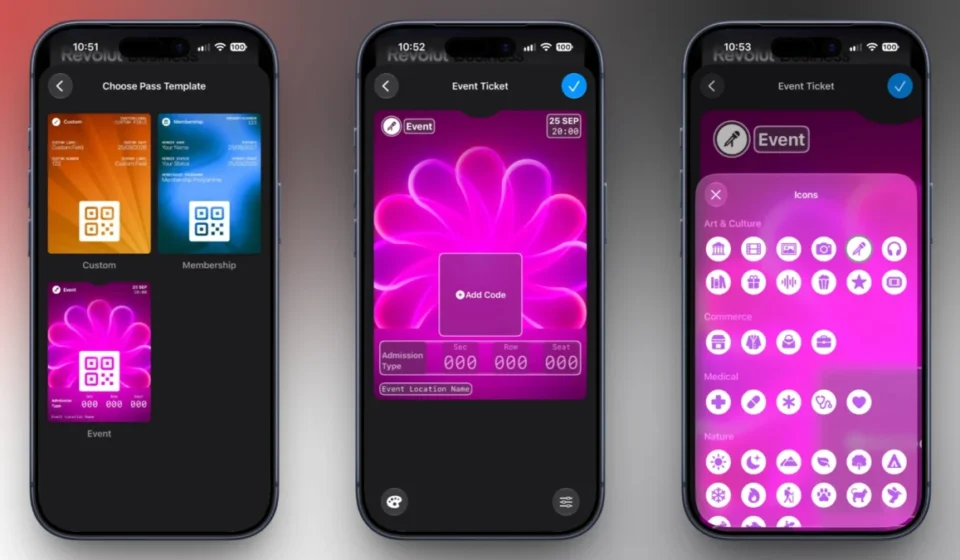
For those instances where "Visual Intelligence" might not yield a perfect match or when users prefer a more hands-on approach, the Wallet app also offers a robust manual creation process. Users can initiate the creation of a custom pass by selecting from a range of predefined templates, including "Membership," "Event," or a general "Custom" option. These templates serve as a foundational structure, providing relevant fields tailored to the card’s purpose. Beyond selecting a template, users can further personalize their digital passes by choosing from a palette of 12 distinct background colors. For specific categories such as theater, music, sports, and movies, seven specialized custom backgrounds are available, adding a layer of visual thematic coherence to the digital collection.
The flexibility of the custom pass creation extends to the management of data fields. Users have the ability to add or remove fields as needed, catering to the unique requirements of different physical cards. The available field options are extensive, encompassing common elements like name, date, and membership numbers, alongside more specific data points such as contact information, coupon codes, Vehicle Identification Numbers (VINs), insurance details, and more. This comprehensive suite of field options ensures that a vast majority of physical cards, from library cards to specialized professional certifications, can be effectively digitized and stored securely within the Wallet app.
Background and Chronology of Digital Card Integration
Apple’s journey into digitizing personal credentials within the Wallet app has been a gradual but consistent expansion. The initial introduction of Apple Pay laid the groundwork for secure digital transactions. Subsequently, the Wallet app evolved to incorporate boarding passes and event tickets, demonstrating Apple’s intent to move beyond just payment methods. A significant milestone was the introduction of digital car keys, allowing users to unlock and start compatible vehicles using their iPhone or Apple Watch. This feature, first introduced in iOS 13.6 and expanded over subsequent iOS versions, has seen increasing adoption by automotive manufacturers.
More recently, the focus has shifted towards official identification. The integration of digital driver’s licenses and state IDs began with a pilot program in select states, starting with Arizona in 2021. This initiative has seen a phased rollout across the United States, with Oklahoma being the 16th state to adopt the feature in September 2026, as reported by MacRumors. The expansion of this digital ID feature to multiple states signifies a growing trust in the security and functionality of Apple Wallet for storing sensitive personal identification. Furthermore, iOS 27 has introduced refinements to the U.S. passport feature within Apple Wallet, addressing some information display and menu elements, and in some instances, requiring users to re-add their digital ID due to related bugs. These incremental updates highlight Apple’s ongoing commitment to enhancing the Wallet app’s capabilities for managing a diverse range of personal credentials.
Technical Underpinnings and User Experience
The "Visual Intelligence" technology employed by Apple for custom pass creation is a sophisticated application of machine learning and optical character recognition (OCR). By analyzing visual cues and patterns on a physical card, the system can identify and categorize information with remarkable accuracy. This allows the Wallet app to preemptively populate fields, saving users considerable time and effort. The process typically involves the user holding their physical card within the camera’s frame, allowing the iPhone to capture the necessary data.
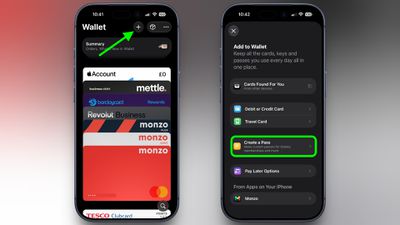
The user interface for creating custom passes is designed for intuitiveness. After initiating the creation process, users are guided through a series of steps. They can choose to let "Visual Intelligence" attempt to scan their card, or they can opt for manual input. The subsequent customization options, including template selection, color choices, and field management, are presented in a clear and accessible manner. Once a pass is created and added to the Wallet, it is stored securely using the same encryption and privacy measures that protect Apple Pay and other sensitive information within the app. Users can access their custom passes with a double-click of the side button (or Home button on older models) and authenticate with Face ID or Touch ID.
Editing an existing custom pass is equally straightforward. Users simply need to locate the desired pass within their Wallet, tap the three-dot icon in the top-right corner of the screen, and select "Edit Pass." This action brings up the familiar creation interface, allowing for modifications to any of the previously entered or scanned information, as well as adjustments to the pass’s appearance or fields.
Supporting Data and Industry Trends
The move towards digital credential management within mobile wallets is a significant trend across the technology and consumer sectors. According to a recent report by Statista, the global digital wallet market is projected to reach over $3 trillion in transaction value by 2027, with a significant portion attributed to non-payment use cases like loyalty cards and identification. This growth is driven by increasing consumer demand for convenience, security, and seamless integration of digital services into daily life.
The expansion of Apple Wallet’s capabilities directly addresses this demand. By allowing users to consolidate a wider array of physical cards into a single, secure digital platform, Apple is positioning its Wallet app as a central hub for personal organization and access. This aligns with broader industry trends in digital transformation, where businesses and service providers are increasingly offering digital versions of their offerings to enhance customer experience and streamline operations.
Analysis of Implications and Future Outlook
The introduction of custom pass creation in Apple Wallet has several significant implications. For consumers, it offers a heightened level of convenience and organization. The ability to digitize a broader range of cards reduces physical clutter and ensures that important credentials are always accessible. This is particularly beneficial for individuals who frequently attend events, belong to multiple loyalty programs, or carry various membership cards.
From a business perspective, this feature encourages further adoption of digital credentials. As more users digitize their cards, businesses that offer corresponding digital alternatives may see increased engagement. For event organizers, retailers, and service providers, this could translate into more efficient check-in processes, streamlined loyalty program management, and potentially reduced costs associated with physical card production.
The underlying "Visual Intelligence" technology also hints at future potential. As this technology matures, it could be leveraged for more advanced functionalities, such as automatic data entry for forms or intelligent categorization of scanned documents. The expansion of digital IDs within the Wallet app also points towards a future where physical identification might become increasingly optional, further simplifying interactions with authorities and service providers.
While the current implementation focuses on personal use, the robustness of the Wallet app’s security protocols suggests that further integration with official services and enterprise solutions is a distinct possibility. The ongoing evolution of Apple Wallet, from a payment facilitator to a comprehensive digital credential manager, underscores Apple’s strategic vision to embed its ecosystem deeply into the fabric of users’ daily lives, offering a secure, convenient, and increasingly indispensable platform for managing a wide array of personal information and access. The ability to create custom passes is a testament to this evolving vision, empowering users with greater control and flexibility in their digital lives.