
Bridge Constructor+ Introduces a New Multiplayer Mode to Test Your Bridge-Building Skills Against Other Players

Headup GmbH and ClockStone have announced a significant update for their acclaimed bridge-building puzzle title, Bridge Constructor+, available on iOS, which introduces an entirely new multiplayer mode. This addition fundamentally transforms the familiar structural engineering challenge by integrating a competitive dimension, allowing players to directly pit their design ingenuity and cost-efficiency against one another in real-time. The update, rolling out to users, marks a pivotal expansion for a franchise celebrated for its blend of creative problem-solving and realistic physics simulation.
The Evolution of a Franchise: A Legacy of Structural Engineering Puzzles
The Bridge Constructor series has a storied history, dating back to its initial release in 2011. Developed by ClockStone and published by Headup GmbH, the original game quickly garnered a dedicated following for its unique premise: tasking players with designing and constructing bridges capable of safely transporting various vehicles across challenging terrains. What began as a novel concept evolved into a robust franchise, spawning multiple iterations that expanded upon the core mechanics. Titles like Bridge Constructor Playground, Bridge Constructor Medieval, Bridge Constructor Stunts, and notably, the crossover hit Bridge Constructor Portal, have each introduced distinct themes, vehicle types, and environmental challenges, cementing the series’ reputation as a benchmark in physics-based puzzle gaming.
Bridge Constructor+, specifically, represents the definitive Apple Arcade version of the game. Launched as part of Apple’s premium subscription service, it offers an ad-free, in-app-purchase-free experience, bundled with a wealth of content. This version typically includes the base game’s original 40 levels, which guide players through constructing bridges over deep valleys, treacherous canals, and winding rivers. The game’s core loop involves designing structures using various materials—such as wood, steel, cables, and concrete pillars—and then subjecting these designs to rigorous stress tests with vehicles ranging from standard cars to heavy trucks and even formidable tank trucks. The objective has always been twofold: ensure structural integrity and optimize for cost, a balance that requires both engineering foresight and a degree of creative improvisation.
The success of the Bridge Constructor series can be attributed to several factors. Its intuitive drag-and-drop interface makes it accessible, while the underlying physics engine provides a depth that appeals to players interested in engineering principles. The satisfaction derived from seeing a meticulously designed bridge withstand immense loads, or conversely, learning from a spectacular collapse, creates a compelling gameplay loop. The visual feedback, including color-coded load indicators that highlight areas of stress, serves as an invaluable tool for players to refine their designs, understanding where reinforcement is needed and where material can be conserved. Prior to this update, the game’s replayability primarily stemmed from achieving optimal solutions and exploring creative, unconventional designs within its extensive single-player campaign and various DLC packs.
Unveiling the Competitive Edge: The New Multiplayer Mode
The introduction of the new multiplayer mode marks a significant strategic pivot for Bridge Constructor+, moving beyond its traditionally solitary puzzle-solving experience. This update enables players to engage in head-to-head 1v1 challenges, directly competing against another player to construct the most efficient and robust bridge under specific constraints. The core objective remains consistent with the single-player experience: design a bridge that successfully transports vehicles from one side to the other. However, the competitive twist lies in the critical metric for victory: cost. The player who successfully completes the challenge with the lower construction budget emerges as the winner.
This emphasis on cost-efficiency introduces a profound layer of strategic depth. Players are no longer solely focused on creating a functional bridge but must simultaneously consider the financial implications of every structural component. This necessitates a more refined approach to material selection and placement. For instance, while steel might offer superior strength, its higher cost could make it a less optimal choice compared to a cleverly reinforced wooden structure in a competitive scenario. Similarly, the strategic placement of cable stays or concrete pillars becomes paramount, as an over-engineered solution, though perfectly stable, could lead to financial defeat.
The multiplayer mode features a match timer, adding an element of real-time pressure to the design process. This time constraint encourages quick thinking and efficient execution, preventing players from endlessly tinkering with their designs. Once the timer expires, the game evaluates both players’ bridges. If both manage to get their vehicles safely to the other side, the player with the lowest expenditure is declared the victor. If only one player succeeds, they win by default. Should neither player succeed, or both fail to complete the objective, the match could result in a draw or be decided by secondary metrics, depending on the specific implementation (though the announcement primarily focuses on successful completion and cost).
Players can engage in two distinct types of multiplayer matches: casual and ranked. Casual matches provide a relaxed environment for players to experiment with strategies, practice their skills against others, and simply enjoy friendly competition without the pressure of affecting their standing. This mode is ideal for new players learning the competitive ropes or for veterans looking to try unconventional designs. In contrast, ranked games cater to the more competitive demographic. These matches typically involve a matchmaking system that attempts to pair players of similar skill levels, and the outcomes directly impact a player’s global ranking or Elo score. Success in ranked play often leads to climbing leaderboards, earning bragging rights, and potentially unlocking cosmetic rewards or achievements, further incentiv incentivizing dedicated play. This tiered approach ensures that the multiplayer experience caters to a broad spectrum of player motivations, from casual enjoyment to serious competitive aspiration.
Beyond the Blueprint: Core Gameplay Mechanics and Enhancements
While the multiplayer mode is the headline feature, the underlying strength of Bridge Constructor+ continues to reside in its robust single-player experience and comprehensive suite of tools. The game now boasts over 110 levels, significantly expanded from the original 40, thanks to the inclusion of popular DLC worlds such as "SlopeMania" and "Trains." These expansions introduce new topographical challenges, specific vehicle types (like trains with their unique weight distribution and momentum), and environmental hazards, pushing players to adapt their engineering strategies.
The physics engine remains the heart of the game, providing a realistic simulation of forces, tension, compression, and weight distribution. This fidelity is crucial for both single-player progression and competitive multiplayer. Players must intuitively understand how different materials behave under stress, how loads are transferred through a structure, and the critical points where a bridge is most likely to fail. This detailed simulation transforms what could be a simple click-and-drag game into a sophisticated engineering puzzle.
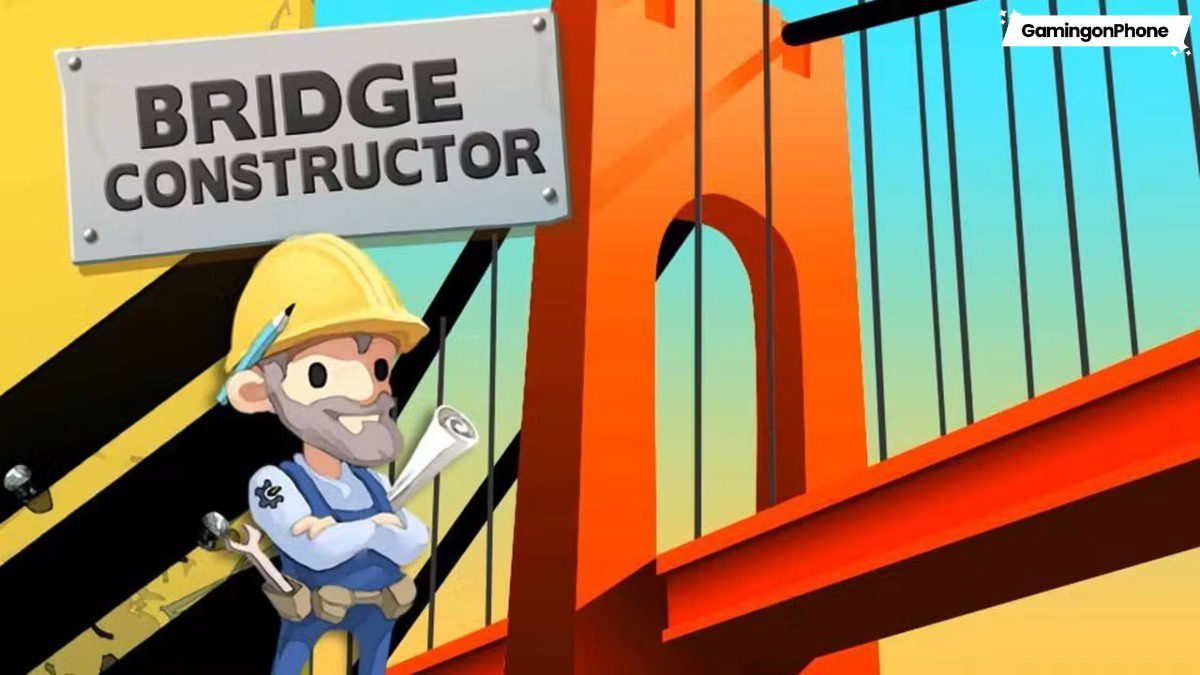
Key features that enhance the gameplay experience include:
- Free-build mode: This sandbox environment allows players to experiment without constraints, fostering creativity and providing an excellent space to test new design concepts before applying them in competitive or challenging campaign levels.
- Helpful tutorial system: For newcomers, a comprehensive tutorial guides them through the basic mechanics, material properties, and fundamental structural principles, ensuring a smooth onboarding process.
- Color-coded load indicators: These visual aids are indispensable. As vehicles traverse a bridge, different sections of the structure illuminate with colors indicating the level of stress they are under. Green signifies low stress, yellow indicates moderate stress, and red warns of impending failure. In multiplayer, these indicators become even more critical, allowing players to fine-tune their designs to be just strong enough without overspending on unnecessary reinforcements.
- Variety of vehicles: The game features a diverse fleet, from lightweight cars to heavy trucks and extremely heavy tank trucks. Each vehicle type presents unique challenges. Tank trucks, for instance, not only exert immense static weight but also dynamic forces as they move, requiring exceptionally sturdy and well-distributed support structures.
These elements collectively contribute to a deep and engaging experience that teaches players about basic physics and engineering principles in an entertaining format. The visual appeal, combined with the intellectual challenge, ensures that Bridge Constructor+ remains a compelling title, now further enriched by its competitive offering.
Developer Vision and Player Engagement
The decision by Headup GmbH and ClockStone to introduce a multiplayer mode into Bridge Constructor+ reflects a broader strategy to enhance player engagement and extend the longevity of the title within the competitive Apple Arcade ecosystem. While no official direct statements accompanied the initial article, industry standard practice allows for the inference of developer motivations. It is highly probable that the developers aimed to invigorate the player base, foster a sense of community, and provide new avenues for replayability.
A hypothetical statement from a Headup GmbH representative might emphasize the excitement surrounding this new chapter: "The Bridge Constructor series has always been about creativity and problem-solving. With the new multiplayer mode in Bridge Constructor+, we wanted to take that core experience and add a thrilling competitive edge. Watching players not only build functional bridges but also optimize them to outsmart their opponents in real-time is incredibly rewarding. We believe this update will foster a vibrant community, allowing players to showcase their ingenuity and learn from each other in a whole new way."
Similarly, a ClockStone developer might highlight the technical challenges and design philosophy: "Integrating a robust multiplayer system while maintaining the integrity of our physics engine was a significant undertaking. We focused on creating a balanced environment where skill in structural design and resource management truly shines. The feedback from our internal testing has been overwhelmingly positive, and we’re eager to see the incredible, and sometimes hilariously unconventional, bridge designs our players will come up with in competition."
The introduction of competitive multiplayer is expected to significantly boost player engagement. By offering both casual and ranked modes, the developers cater to different player demographics, ensuring that everyone can find their preferred level of competition. Ranked play, in particular, often drives sustained player interest as individuals strive to improve their standings, learn new strategies, and participate in a dynamic, evolving meta-game. This competitive aspect can also lead to the formation of online communities, where players share tips, strategies, and even spectate matches, further solidifying the game’s social dimension. For a subscription service like Apple Arcade, such updates are crucial for subscriber retention, offering fresh content that justifies the ongoing subscription.
Broader Implications: Industry Trends and Educational Value
The integration of multiplayer into a physics-based puzzle game like Bridge Constructor+ aligns with several prevailing trends in the mobile gaming industry. There’s a growing emphasis on social features, competitive elements, and live-service models, even for games that might traditionally be considered single-player experiences. Developers are increasingly recognizing that providing opportunities for player interaction, competition, and community building can significantly enhance a game’s appeal and longevity. For Bridge Constructor+, this move positions it more firmly within the competitive mobile gaming landscape, potentially attracting a new segment of players who are drawn to direct competition.
Beyond its entertainment value, Bridge Constructor+ holds significant educational merit. The game inherently teaches players fundamental principles of civil engineering, physics (specifically mechanics and statics), and problem-solving. By visualizing forces, understanding material strengths, and iteratively refining designs, players gain practical insights into concepts typically taught in STEM fields. The multiplayer mode amplifies this educational aspect. In a competitive setting, players are incentivized to not just build a functional bridge, but the most efficient functional bridge. This demands a deeper understanding of optimization, resource allocation, and identifying the minimal viable structure, all critical engineering considerations. Learning through competitive play can be particularly effective, as the immediate feedback of winning or losing based on design choices reinforces understanding more directly than solitary experimentation.
From the perspective of Apple Arcade, this update reinforces its value proposition. Apple Arcade aims to offer a curated collection of high-quality, ad-free games that often push creative boundaries. By adding a robust multiplayer component to an already established and well-regarded title, Apple enhances the diversity and depth of its library, providing subscribers with even more compelling reasons to maintain their subscription. The continuous evolution of titles within Apple Arcade through significant updates like this is a key strategy for the platform’s sustained growth and appeal.
The Future of Construction: What Lies Ahead?
With the successful launch of the multiplayer mode, the future of Bridge Constructor+ appears promising. The developers could explore various avenues for continued growth and engagement. Potential future updates might include:
- New Multiplayer Maps and Challenges: Introducing new terrains, environmental hazards, and vehicle types specifically designed for competitive play would keep the meta-game fresh.
- Leaderboard Seasons and Rewards: Implementing seasonal ranked play with unique cosmetic rewards for top performers could further motivate competitive players.
- Spectator Mode or Replay Sharing: Allowing players to watch live matches or share replays of their most impressive (or disastrous) bridge constructions would enhance community interaction.
- Custom Match Options: Providing players with more control over match parameters, such as specific material limitations or budget caps, could open up new strategic possibilities.
- Team-based Multiplayer: While the current mode is 1v1, exploring cooperative or small-team competitive challenges could be a logical next step for the franchise.
The introduction of multiplayer in Bridge Constructor+ is more than just a new feature; it’s a strategic evolution for a beloved franchise. By transforming a contemplative puzzle experience into a dynamic competition of engineering prowess and economic efficiency, Headup GmbH and ClockStone have opened up a new chapter for players to test their skills, engage with a vibrant community, and continue to explore the intricate world of structural design. The competitive element not only adds excitement but also deepens the educational value, challenging players to master the art of bridge building under pressure.