Apple Watch Series 12 and Ultra 4 Integrate Shazam for Seamless Automatic Music Recognition

The latest iteration of Apple’s wearable technology, the Apple Watch Series 12 and Apple Watch Ultra 4, have introduced a groundbreaking feature that promises to revolutionize how users interact with their surroundings: automatic music recognition powered by Shazam. This sophisticated Audio Intelligence feature, integrated into the new iOS 27 operating system, allows the Apple Watch to identify songs playing in the vicinity without any user intervention, offering an unprecedented level of convenience and immediate access to musical information. The technology leverages the robust capabilities of Shazam, a subsidiary of Apple since 2018, to provide song titles and artists directly to the user’s wrist.
The genesis of this feature can be traced back to Apple’s ongoing commitment to enhancing user experience through intelligent software integration. Following the acquisition of Shazam in 2018 for an estimated $400 million, Apple has progressively integrated its music recognition technology across its ecosystem. Initially, Shazam was a standalone app for iPhones and iPads. Over time, its functionality has been woven into Siri and more recently, into the Apple Watch, culminating in this latest automatic detection capability. This move signifies a strategic effort by Apple to consolidate its audio-related services and offer a more cohesive and intuitive user experience across its hardware and software platforms. The integration is not merely about identifying a song; it’s about anticipating user needs and delivering information proactively.
Seamless Integration and User Experience
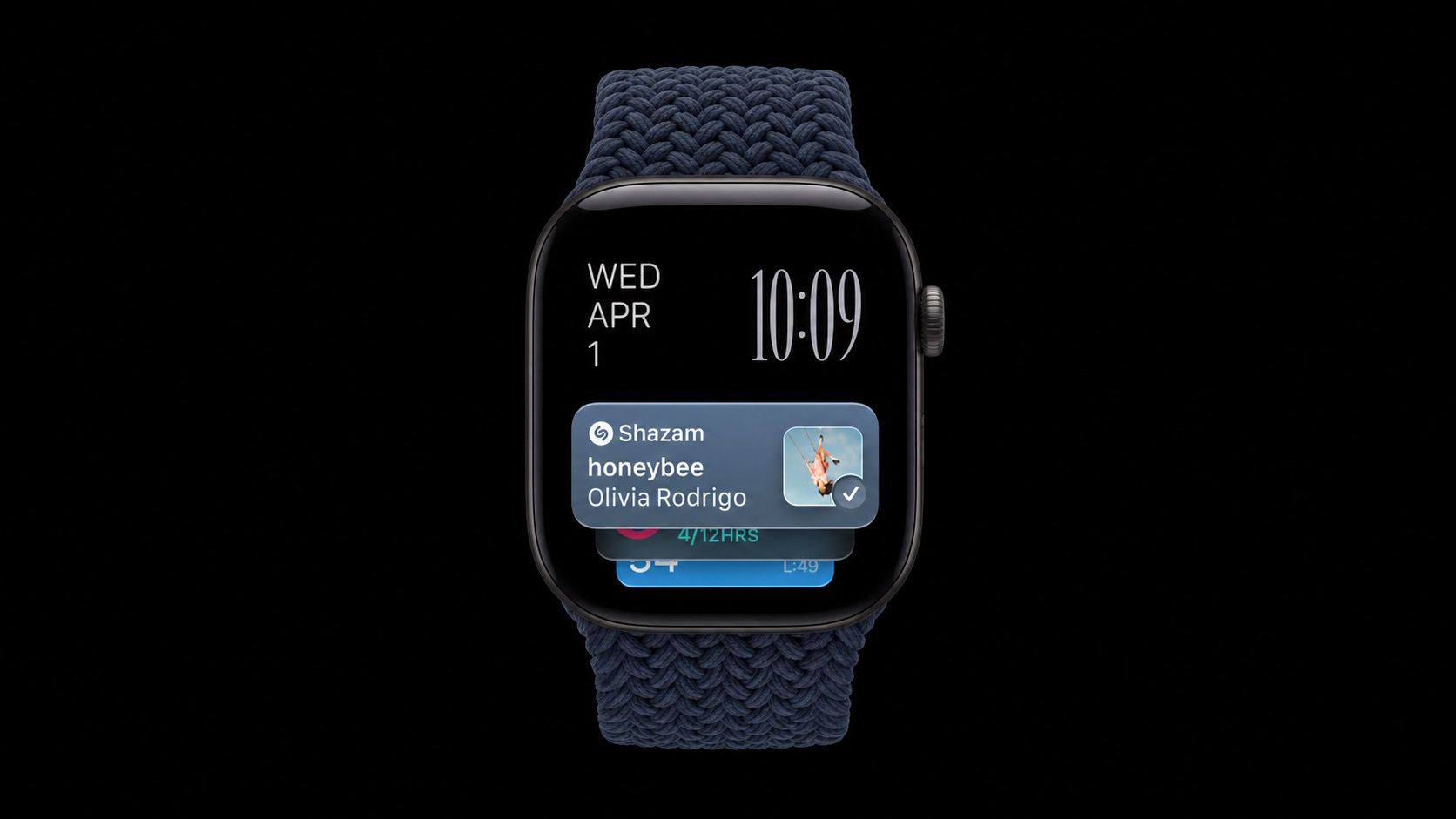
The Music Recognition feature operates with remarkable simplicity. When a song is playing within audible range of the Apple Watch, the device automatically detects it. This music does not need to be playing from the watch itself; ambient music from cafes, shops, passing cars, or even a television can be identified. Once a song is recognized, its title and artist are displayed directly within the Smart Stack widget on the Apple Watch face. Users can access this information by simply swiping up from their watch face or by turning the Digital Crown upwards. This eliminates the need to manually open an app or ask a voice assistant, providing an instant answer to the ubiquitous question, "What song is this?"
The Smart Stack, a feature introduced in watchOS 10, is designed to present relevant information and widgets contextually. The Music Recognition widget seamlessly fits into this dynamic display, ensuring that song identification is readily available when needed. The process is designed to be swift, with the watch typically identifying the music within moments of it playing.
Upon successful identification, users are presented with two immediate actions: saving the song to their Shazam history or adding it to their Apple Music library. This direct integration streamlines the process of discovering and curating new music, further enhancing the value proposition of the Apple Watch as a personal assistant and entertainment companion. The ability to instantly add a discovered track to a personalized music library is a significant convenience for music enthusiasts, fostering a continuous loop of discovery and enjoyment.
Technical Requirements and Device Compatibility
To utilize this advanced Music Recognition feature, specific hardware and software prerequisites must be met. The feature is exclusive to the latest models: Apple Watch Series 12 and Apple Watch Ultra 4. These devices must be paired with an iPhone running iOS 27 or later. Compatible iPhone models include the iPhone 11 and its successors, as well as the iPhone SE (2nd generation) and later. This tiered compatibility highlights Apple’s strategy of bundling cutting-edge features with its newest hardware releases, encouraging upgrades and maintaining a premium user experience.
While the automatic detection is limited to the Series 12 and Ultra 4, older Apple Watch models can still benefit from music recognition. These older devices can manually access the Music Recognition app, which functions similarly to the standalone Shazam app, allowing users to identify songs on demand. However, the effortless, background detection is a key differentiator for the latest models. This distinction underscores the evolving capabilities of Apple’s wearable technology, with each generation building upon the foundation of its predecessors.
Enabling Automatic Music Recognition
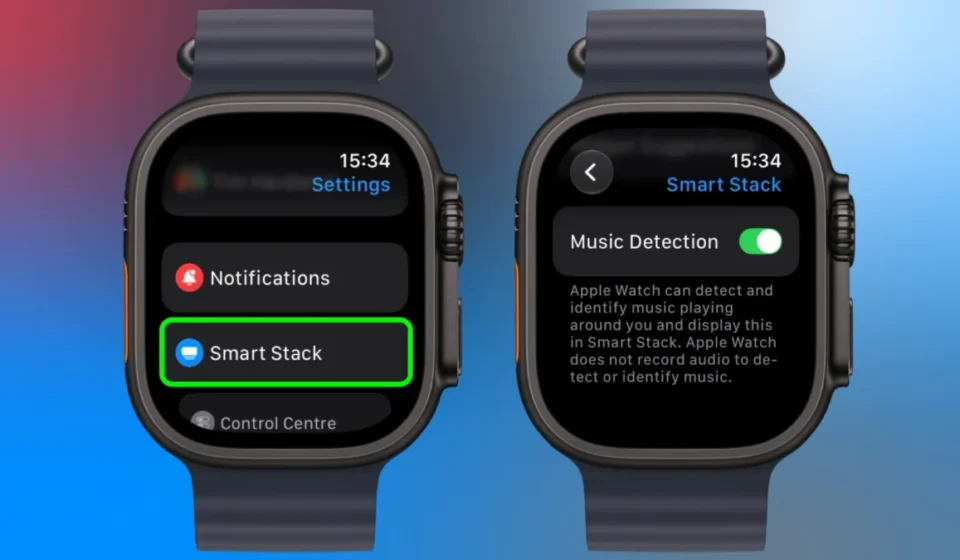
For users with compatible devices, enabling the automatic Music Recognition feature is generally a straightforward process. Typically, when the Music Recognition widget first appears in the Smart Stack, users will be prompted with an option to "Enable Music Detection." Tapping this prompt activates the feature, and it will then operate automatically in the background.
However, if for any reason this automatic prompt is not displayed or the feature does not appear to be functioning, users can manually enable it through the watch’s settings. The exact steps may vary slightly with software updates, but generally involve navigating to the Settings app on the Apple Watch and locating the Music Recognition or Sound Recognition options. From there, users can toggle the automatic detection feature on. This manual override ensures that users have control over the feature’s activation, providing flexibility and catering to individual preferences for background activity on their device. The clarity of these instructions is crucial for widespread adoption and user satisfaction, ensuring that the technology is accessible to all who own compatible devices.
Privacy and Data Security
A significant concern for many users regarding audio processing features is privacy. Apple has addressed this proactively by emphasizing its commitment to user data protection. The company states that no audio is recorded or stored by the Apple Watch during the music identification process. Instead, the audio is processed locally on the device within a protected buffer in the Secure Enclave. This enclave is a dedicated, secure coprocessor designed to protect sensitive data.
From this processed audio, only an "acoustic signature" is generated. This signature is a unique digital fingerprint of the song that cannot be reversed to reconstruct the original audio. This acoustic signature is then sent to Shazam’s servers for identification. The use of an acoustic signature, rather than raw audio, is a key privacy safeguard, ensuring that the user’s listening environment is not being inadvertently monitored or recorded. This approach aligns with Apple’s broader privacy philosophy, which prioritizes on-device processing and minimal data collection. The transparency around this process is vital for building user trust and encouraging the adoption of such powerful, data-driven features.
Broader Implications and Future Potential
The introduction of automatic music recognition on the Apple Watch is more than just a convenient feature; it represents a significant step forward in the evolution of wearable technology and ambient computing. By embedding such sophisticated sensory capabilities into a device worn daily, Apple is paving the way for a future where technology seamlessly anticipates and responds to our needs in the background.
The integration of Shazam’s extensive music database with the Apple Watch’s always-on sensors creates a powerful synergy. This can have several implications:
- Enhanced Music Discovery: Users are likely to discover a wider range of music than ever before, breaking down barriers to entry for exploring new artists and genres. This could lead to increased engagement with music streaming services and a more vibrant music ecosystem.
- Contextual Awareness: The ability to identify music in real-time could be a foundation for more advanced contextual awareness features. Imagine the watch recognizing music to tailor notifications, suggest relevant playlists, or even understand the mood of a user’s environment.
- Accessibility: For individuals who may have difficulty with traditional music identification methods, this automatic feature offers a more accessible solution, democratizing access to musical information.
- Competitive Landscape: This move puts pressure on other wearable manufacturers to enhance their own audio recognition and ambient computing capabilities. The race for more intelligent and integrated wearable experiences is likely to intensify.
- Data Insights for Apple: While Apple emphasizes privacy, the anonymized acoustic signatures could potentially provide valuable, aggregated data on music trends and listening habits, informing future product development and content recommendations.
The timeline of Apple’s advancements in audio intelligence suggests a deliberate and strategic approach. The initial acquisition of Shazam laid the groundwork, followed by incremental integrations. The current release marks a significant leap, moving from manual queries to passive, automatic detection. This evolution indicates a long-term vision for how wearables can become more proactive and integrated into the fabric of daily life.
Looking Ahead
The Apple Watch Series 12 and Ultra 4, with their integrated Music Recognition powered by Shazam, are setting a new standard for smartwatches. This feature, built upon robust technology and a strong commitment to privacy, exemplifies Apple’s dedication to creating intuitive and powerful user experiences. As wearable technology continues to advance, we can anticipate further innovations that leverage ambient intelligence, transforming our devices into indispensable companions that not only respond to our commands but also anticipate our needs. The silent, ever-present identifier of tunes on your wrist is a testament to this future, making the world’s soundtrack instantly accessible and effortlessly integrated into our lives. The success of this feature will likely be measured not only by adoption rates but also by its ability to truly enhance the way users discover, engage with, and appreciate music in their everyday lives.