
Valve, the pioneering technology company behind the ubiquitous Steam gaming platform, has rolled out a significant enhancement to the Steam Store experience for its portable gaming device, the Steam Deck. This new feature, implemented on November 10, 2023, aims to demystify the performance expectations of games on the handheld PC, a move long anticipated by its user base. Previously, Steam Deck owners relied primarily on the "Verified" badge to gauge a game’s compatibility, a system that, while useful, often fell short of providing crucial details about the actual in-game performance and frame rate smoothness. This often led to a "guessing game" where players purchased titles that, despite being technically compatible, suffered from suboptimal frame rates, stuttering, and an overall compromised gameplay experience.
The introduction of average frames per second (FPS) data, directly visible on game store pages, represents a substantial leap forward in empowering consumers to make informed purchasing decisions. This data is not derived from internal Valve benchmarks but rather from the collective, anonymized performance statistics voluntarily shared by thousands of Steam Deck owners. This real-world data provides a more accurate and relatable picture of how a game performs across a diverse range of user configurations and playstyles on the handheld.
A More Granular Look at Performance: Beyond the Verified Badge

The previous Steam Deck compatibility system, while a commendable first step, categorized games into three tiers: Verified, Playable, and Unsupported. While "Verified" indicated a game met Valve’s standards for a seamless experience, it didn’t explicitly detail the performance metrics. A game could be "Verified" and still struggle to maintain a consistent 30 FPS in demanding sections, a detail that the average player would only discover after purchase. Conversely, some "Unsupported" titles might have offered a playable experience for those willing to tinker with settings, a prospect that was often a deterrent.
The newly integrated performance data directly addresses this gap. Located under the "Steam Deck Compatibility > Learn more" section of a game’s store page, this information is available for all compatibility categories. It goes beyond a simple average FPS by including an expandable histogram. This visual representation is critical, as a game’s average FPS can be misleading. For instance, an average of 40 FPS might mask frequent and jarring drops to 20 FPS or lower, leading to a frustrating and choppy experience. The histogram allows players to see the distribution of frame rates, revealing how often a game dips below acceptable thresholds and providing a clearer understanding of its actual performance characteristics on the Steam Deck.
The Genesis of a Data-Driven Approach

Valve’s decision to implement this feature stems from an ongoing commitment to refining the Steam Deck user experience. The company has consistently acknowledged that its initial compatibility assessment, while valuable, needed augmentation. The challenge lies in the sheer diversity of games available on Steam and the varying performance demands they place on hardware. As games have become increasingly graphically intensive and complex, particularly with the advent of technologies like ray tracing and advanced physics simulations, ensuring a smooth experience on portable hardware presents a unique hurdle.
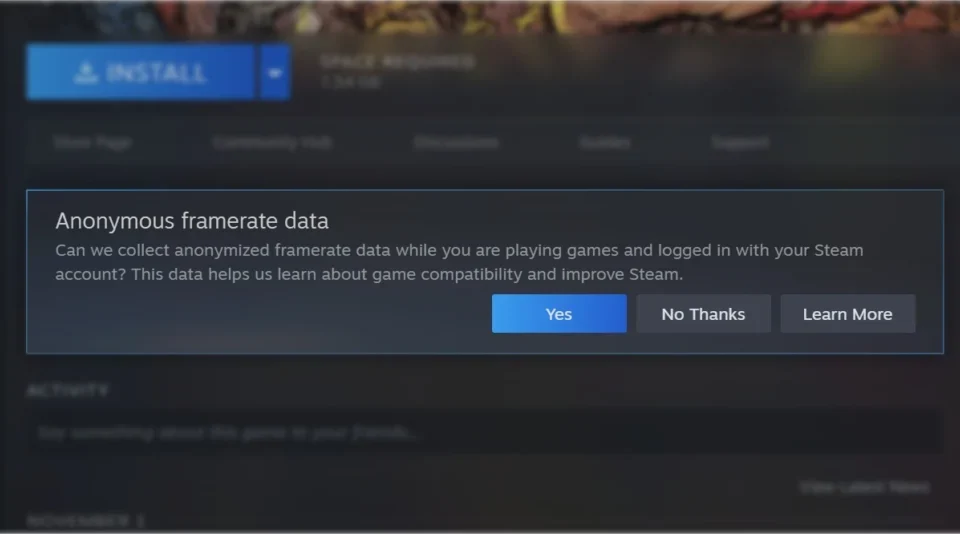
The implementation process began with internal testing and feedback loops, culminating in the public rollout on November 10th. According to Valve’s official announcement on the Steam Community platform, the feature already encompasses performance data for thousands of titles. The company has stated its intention to continuously expand this data pool, with more games expected to receive performance statistics as more players opt into data sharing. This iterative approach suggests a long-term vision for a more transparent and data-rich gaming ecosystem.
Technical Considerations and Data Collection Methodology

Valve has been specific about the parameters under which this performance data is collected. Crucially, the statistics are derived from Steam Decks operating within their default frame rate limits. This means data from the LCD model is typically capped at 60 FPS, while the OLED model adheres to a 90 FPS limit. This standardization is essential for ensuring a degree of comparability across different user devices.
Furthermore, the collected data does not account for individual user-defined graphics settings. This means the reported figures represent a spectrum of configurations rather than a strictly standardized benchmark. While this might seem like a limitation, it also reflects the reality of PC gaming, where players often adjust settings to achieve their preferred balance of visual fidelity and performance. The crucial requirement for a game to have sufficient player data before its statistics are displayed ensures the reliability and representativeness of the information presented. This phased rollout, prioritizing titles with higher player engagement, is a pragmatic approach to data acquisition.
Expanding Horizons: Beyond the Steam Deck

The implications of this feature extend beyond the immediate benefit to Steam Deck owners. Valve has already begun inviting users of the desktop Steam client beta to contribute anonymized performance data. This initiative suggests a broader strategy to leverage real-world performance metrics across a wider range of PC hardware. In the future, this could lead to a more comprehensive understanding of game performance across various configurations, potentially benefiting all PC gamers, not just those on Valve’s handheld.
The accessibility of this information is currently twofold. For Steam Deck users, the performance data is readily available on the Steam Store pages. For those utilizing the Steam Client Beta on their desktops, integration is also being rolled out, allowing them to contribute and potentially view similar data. This dual approach underscores Valve’s commitment to both its dedicated handheld users and the broader PC gaming community.
Analyzing the Impact: Informed Choices and Evolving Expectations

The introduction of average FPS data and performance histograms is a significant boon for consumers. It directly combats the uncertainty that has often plagued digital game purchases, particularly on platforms with diverse hardware capabilities like the Steam Deck. By providing tangible, real-world performance metrics, Valve empowers players to make more informed decisions, potentially reducing instances of buyer’s remorse and fostering greater trust in the Steam platform.
This development also has implications for game developers. The availability of such data could incentivize developers to prioritize Steam Deck optimization, knowing that performance metrics will be transparently displayed. It could also lead to more nuanced discussions about game performance, moving beyond simple compatibility labels to a more data-driven evaluation.
However, it is important to acknowledge that this system is not without its nuances. The reliance on opt-in data collection means that some games may not have sufficient statistics available immediately. The fact that individual graphics settings are not accounted for means that the data represents a broad average, and individual experiences may still vary. Despite these limitations, the overall impact of this feature is overwhelmingly positive. It represents a significant step towards a more transparent and user-centric gaming marketplace.

A Broader Context: The Evolution of Handheld Gaming
The Steam Deck’s success has undeniably reignited interest in powerful, portable PC gaming experiences. Competitors have emerged, and the market for handheld gaming PCs is maturing rapidly. In this evolving landscape, features that enhance the consumer experience and reduce friction in the purchasing process become increasingly important differentiators. Valve’s proactive approach to addressing performance transparency demonstrates a commitment to maintaining the Steam Deck’s position as a leading option in this burgeoning market.
The continuous improvement of the Steam Store, coupled with hardware advancements like the OLED model of the Steam Deck, paints a picture of a robust and forward-thinking ecosystem. The integration of real-world performance data is not just a cosmetic update; it’s a fundamental enhancement that addresses a long-standing pain point for gamers. As the demand for sophisticated gaming experiences on the go continues to grow, tools like this become indispensable for navigating the vast and ever-expanding library of digital titles. The era of blind purchasing on the Steam Deck is indeed drawing to a close, replaced by a more informed and data-driven approach to gaming on the go.