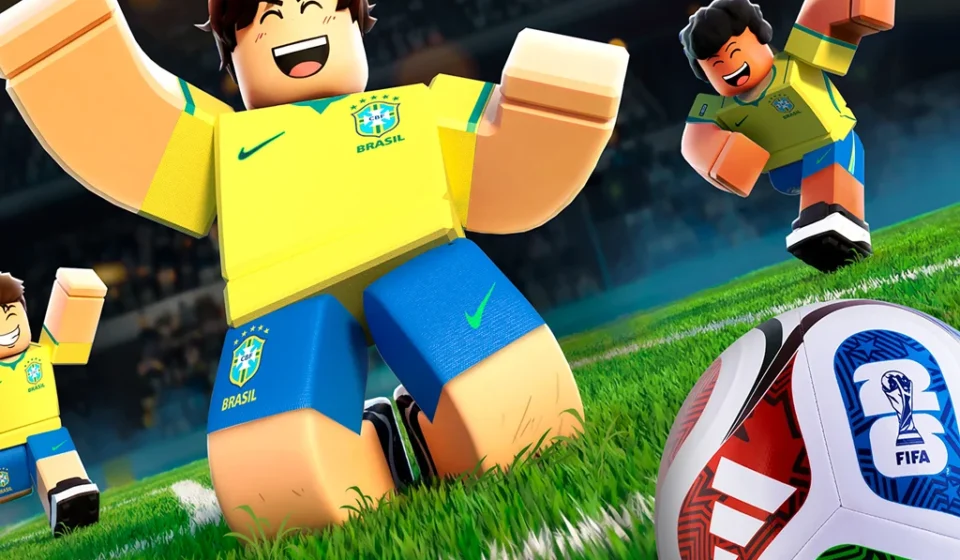
FIFA Partners with Roblox to Transform Digital Soccer Hub into Global 2026 World Cup Event Center

FIFA has officially announced a massive expansion of its digital footprint by designating FIFA Super Soccer on the Roblox platform as the primary virtual event hub for the FIFA World Cup 2026. This strategic move aims to bridge the gap between physical sports and digital interaction, transforming the existing environment into a comprehensive ecosystem that will serve millions of fans worldwide during the tournament. The initiative represents a significant pivot in how international sports governing bodies approach fan engagement, specifically targeting younger demographics who increasingly consume content through interactive and social gaming platforms.
The upgraded digital hub is designed to be a mirror of the physical tournament, which will be hosted across the United States, Mexico, and Canada. For the first time in the history of the competition, the World Cup will feature 48 national teams, and FIFA’s Roblox presence intends to represent every single one of them. The platform will host a virtual replica of a World Cup stadium, complete with immersive game missions, exclusive digital rewards, and real-time connectivity to the actual tournament. This integration includes live scoreboards and global leaderboards, allowing users to track the progress of their favorite nations while participating in digital challenges that reflect the action on the pitch.
A Multi-Game Crossover Strategy
To maximize the reach of the 2026 event, FIFA and Roblox are implementing a "crossover" strategy. While FIFA Super Soccer will act as the central anchor, the World Cup festivities will expand into five additional popular games within the Roblox ecosystem. This six-game event structure is intended to create a "global destination" within the platform. By decentralizing the event across multiple experiences, FIFA ensures that it captures the attention of diverse player bases who may already be engaged in different genres of gameplay on Roblox.
In these interconnected spaces, fans will have the opportunity to compete in specialized mini-games, collect limited-edition virtual items, and celebrate victories in a social environment. This approach recognizes that the modern sports fan—particularly those in the Gen Z and Gen Alpha cohorts—values participation over passive consumption. The ability to "wear" a national team’s jersey on an avatar or participate in a virtual penalty shootout provides a level of agency that traditional television broadcasts cannot offer.
Historical Context and Digital Growth
The decision to double down on Roblox comes at a time when FIFA is aggressively seeking new ways to monetize and distribute its intellectual property following the conclusion of its long-standing partnership with Electronic Arts. Since its launch, FIFA Super Soccer has demonstrated remarkable traction. The experience has already surpassed 1.1 billion visits, maintaining a consistent engagement rate with an average of 1.5 million play sessions daily.
This digital success story did not happen in a vacuum. Over the past two years, FIFA has used Roblox to pilot various activations involving high-profile brands and national federations. Notable participants have included the Brazilian Football Confederation (CBF), the U.S. Soccer Federation, and major European clubs like Borussia Dortmund. Commercial partners such as Adidas have also utilized the space to launch virtual apparel, proving the viability of the "avatar economy" where digital self-expression translates into brand loyalty and, eventually, real-world revenue.
Insights from the Sports as Shared Self-Expression Report
The timing of this announcement coincides with the release of a comprehensive study titled "Sports as Shared Self-Expression," conducted by Roblox in partnership with the market research firm Ipsos. The report provides a data-driven look at how Gen Z (defined in this study as those aged 13 to 28) views the intersection of sports and digital identity.
The findings indicate that for younger generations, sports fandom is no longer a seasonal activity but a core component of their daily digital identity. According to the data, 72% of Gen Z respondents watch professional football at least once a week, and 26% expect to follow the sport even more closely over the next five years. However, the way they follow the sport is changing. The report highlights that digital platforms are now the primary venues for "socializing" the sports experience. Users are not just watching games; they are meeting friends in virtual lobbies to discuss matches, customizing their digital avatars to show team pride, and participating in real-time digital rituals that mirror the atmosphere of a physical stadium.
Brazil: A Case Study in Digital Fandom
The Roblox/Ipsos report places a specific emphasis on the Brazilian market, identifying it as a global leader in sports-related digital engagement. Brazilian users on Roblox exhibit some of the highest scores globally regarding fandom intensity and the willingness to spend on digital assets. The data suggests that Brazilian Gen Z players are more likely than their peers in the UK or Japan to purchase virtual team gear and interact with brand-sponsored content.
This high affinity for digital expression makes Brazil a critical demographic for FIFA’s 2026 strategy. The report notes that Brazilian users often use their avatars as a primary form of self-expression, with a significant percentage of players reporting that they feel more comfortable expressing their team loyalty in a virtual space than in physical social settings. This trend toward "digital-first" fandom provides a roadmap for how FIFA can maintain engagement in soccer-obsessed nations during the four-year intervals between World Cup tournaments.
Technical Integration and Live Connectivity
One of the most ambitious aspects of the FIFA Super Soccer transformation is the integration of live data. By linking the Roblox environment to real-world tournament statistics, FIFA is creating a "persistent" world that reacts to what is happening on the ground in North America. When a goal is scored in a stadium in Los Angeles or Mexico City, the digital hub in Roblox can reflect that event through visual updates, rewards drops, or shifts in the virtual leaderboard.
This level of synchronization requires a robust technical infrastructure. FIFA’s goal is to ensure that the virtual stadium feels like a "live" venue. For fans who cannot travel to the tournament, these digital spaces offer a sense of presence. The inclusion of all 48 teams is also a logistical milestone, as it ensures that fans from smaller or debutant nations have a dedicated space to gather and support their players, fostering a sense of global inclusivity that is central to the FIFA brand.
Broader Implications for the Sports Industry
The partnership between FIFA and Roblox is a bellwether for the broader sports and entertainment industry. As traditional cable viewership declines among younger audiences, sports organizations are forced to find new ways to stay relevant. The metaverse—or "immersive social platforms"—offers a solution by combining gaming, social media, and live broadcasting into a single interface.
Market analysts suggest that this move by FIFA could trigger similar large-scale activations from other major leagues, such as the NBA or the NFL, who are also experimenting with Roblox and Fortnite. The key takeaway is the shift from "watching" to "doing." By allowing fans to play, compete, and collect, FIFA is building a deeper emotional connection with the next generation of ticket buyers and jersey collectors.
Furthermore, the "Avatar Economy" mentioned in the Roblox report represents a growing revenue stream. The sale of digital jerseys, boots, and accessories allows FIFA to monetize its brand without the overhead costs associated with physical manufacturing and shipping. For brands like Adidas and various national federations, this provides a low-risk environment to test new designs and marketing messages before rolling them out to the physical market.
Future Outlook: Heading Toward 2026
As the countdown to the 2026 FIFA World Cup begins, the role of digital platforms will only become more prominent. FIFA has indicated that the current activations on Roblox are just the beginning of a multi-year roadmap. As hardware improves and internet speeds increase, the fidelity of these virtual experiences will continue to evolve, potentially offering virtual reality (VR) integrations or even more complex social features.
The 2026 World Cup is already set to be a tournament of "firsts"—the first with 48 teams and the first hosted by three nations. With the transformation of FIFA Super Soccer, it is now also positioned to be the first World Cup with a truly integrated, persistent digital twin. For FIFA, the goal is clear: to ensure that no matter where a fan is located, they have a front-row seat to the action, whether that seat is in a physical stadium or behind a screen in a virtual world.
The success of this initiative will likely be measured not just by the number of visits, but by the longevity of the communities formed within these digital spaces. If FIFA can successfully convert casual Roblox players into lifelong soccer fans, it will have secured the future of the sport in an increasingly digital age. The data from the "Sports as Shared Self-Expression" report suggests the foundation is already there; now, it is a matter of building a virtual stadium large enough to hold the world’s passion.