FIFA Transforms Roblox into Global 2026 World Cup Hub with Multi-Game Crossover and Digital Fandom Integration

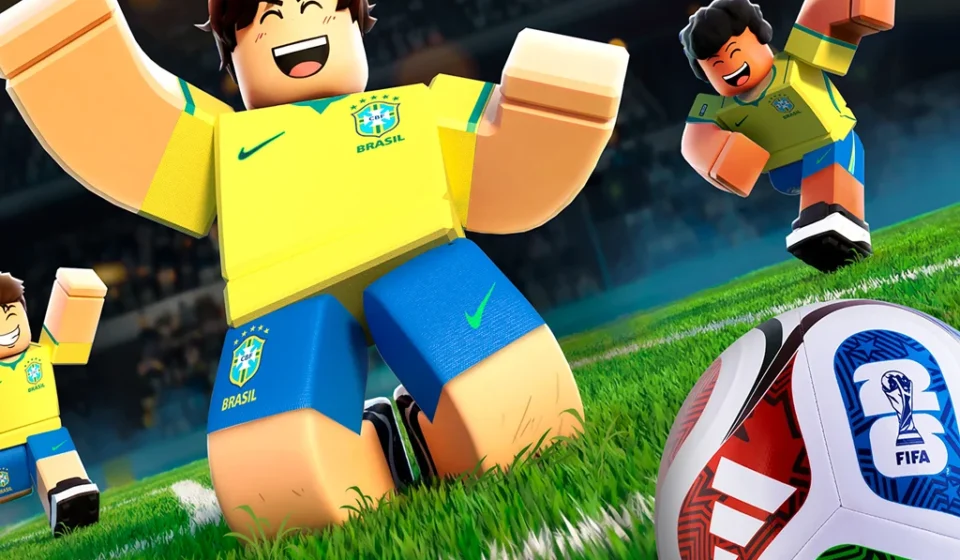
The international football governing body FIFA has officially announced a massive expansion of its digital footprint on Roblox, confirming that the "FIFA Super Soccer" environment will be transformed into the primary event hub for the FIFA World Cup 2026. This strategic move aims to bridge the gap between physical sports and virtual participation, creating a comprehensive digital ecosystem where fans can engage with the tournament in real-time. As the 2026 World Cup approaches—a tournament set to be the largest in history with 48 participating nations—FIFA is leveraging Roblox’s massive user base to foster a new era of interactive fandom.
The digital hub will serve as a multifaceted destination, featuring representations of all 48 national teams, a virtual replica of a World Cup stadium, and specialized gaming missions. Beyond simple gameplay, the platform will integrate live data feeds, including tournament standings and live scoreboards, ensuring that the virtual experience mirrors the high-stakes action occurring on the pitches of the United States, Mexico, and Canada. This initiative marks a significant departure from traditional sports marketing, moving toward a "persistent" digital presence that lives alongside the quadrennial event.
A Strategic Multi-Game Crossover Event
To maximize reach and engagement, FIFA is not limiting its presence to a single game. The organization has confirmed that the FIFA Super Soccer action will expand into five additional popular Roblox experiences, creating a six-game crossover event. This ecosystem is designed to transform the entire Roblox platform into a "global World Cup destination." In these interconnected spaces, users will be able to compete in themed challenges, collect exclusive digital rewards, and celebrate their national teams’ victories.
This crossover strategy reflects a sophisticated understanding of digital consumption patterns among younger demographics. Rather than forcing users into a single silo, FIFA is meeting fans where they already spend their time. By embedding World Cup content into diverse gaming environments, FIFA ensures that the tournament remains a constant topic of conversation and activity throughout the duration of the event. The integration includes exclusive avatar items, which have become a significant form of social currency within the platform, allowing fans to "wear" their team’s colors across the entire Roblox metaverse.
Historical Success and the Evolution of FIFA on Roblox
FIFA’s decision to double down on Roblox is backed by substantial performance data. Since its inception, the official FIFA presence on the platform—previously known as "FIFA World"—has accumulated more than 1.1 billion visits. On a daily basis, the experience maintains an average of 1.5 million game sessions, signaling a high level of retention and interest among young football enthusiasts.
The platform has already served as a successful testing ground for major sports brands and clubs. Organizations such as the Brazilian Football Confederation (CBF), the U.S. Soccer Federation, and major European clubs like Borussia Dortmund have already launched activations within the FIFA Roblox ecosystem. Commercial partners like adidas have also utilized the space to launch digital apparel. This track record provides FIFA with a proven template for the 2026 expansion, demonstrating that digital platforms can successfully host complex, brand-heavy environments that still appeal to the core gaming audience.
The Gen Z Shift: Sports as Shared Self-Expression
The announcement of the World Cup hub coincides with the release of a landmark report titled “Sports as Shared Self-Expression,” conducted by Roblox in partnership with the market research firm Ipsos. The report provides a deep dive into the habits of Generation Z (defined in this study as users aged 13 to 28) and how they are redefining what it means to be a sports fan.
According to the data, for Gen Z, sports are no longer just a passive viewing experience; they are a core component of digital identity and community building. The report, which analyzed 1,100 Gen Z users across the U.S., UK, Brazil, and Japan between March 23 and March 30, 2026, found that digital platforms are the primary venues where these fans find friends and demonstrate support for their favorite teams.
A key finding of the research is that 72% of Gen Z respondents watch football at least once a week. Furthermore, 26% of these fans plan to follow the sport even more closely over the next five years. This projected growth suggests that the peak of football’s global popularity may still be ahead, driven by digital-first engagement strategies.
Brazil as a Leading Digital Sports Market
The Roblox and Ipsos report highlights Brazil as a standout market for digital sports engagement. Known traditionally as the "country of football," Brazil is now asserting itself as a leader in the digital sports landscape. Brazilian users on Roblox demonstrate significantly higher scores in several key metrics, including fandom intensity, identity expression through avatars, and spending on digital sports merchandise.
The data suggests that Brazilian fans are more likely to purchase digital kits and accessories to represent their favorite clubs or the national team (Seleção). This high level of "avatar spending" often translates into real-world brand loyalty and physical merchandise purchases. For FIFA and its commercial partners, the Brazilian market serves as a primary example of how a deeply rooted physical sports culture can be successfully digitized to drive both engagement and revenue.
Timeline and Implementation for the 2026 World Cup
The rollout of the FIFA Super Soccer World Cup hub is expected to follow a strict chronology leading up to the opening match in June 2026.
- Phase One (Pre-Tournament): Launch of the 48-team hub and initial quests. This phase focuses on building "hype" and allowing fans to customize their avatars with national team gear.
- Phase Two (The Group Stage): Integration of live scores and real-time leaderboards. The crossover games will launch their specific World Cup-themed events during this period.
- Phase Three (The Knockout Rounds): High-intensity missions and exclusive rewards tied to the final stages of the tournament. Virtual stadium events will coincide with real-world match times.
- Phase Four (Post-Tournament): A "Legacy" phase where fans can celebrate the winners and access archived content, maintaining the community long after the final whistle.
Broader Implications for the Sports Industry
The scale of FIFA’s commitment to Roblox signals a broader shift in the sports industry’s approach to broadcasting and fan engagement. As traditional cable television viewership continues to fragment, sports organizations are searching for ways to capture the attention of "cord-never" audiences—younger fans who may never purchase a traditional TV package but are highly active in interactive digital spaces.
By creating a "Phygital" (physical plus digital) experience, FIFA is effectively turning the World Cup into a social network. The ability for a fan in Tokyo to interact with a fan in Rio de Janeiro within a virtual FIFA stadium while watching a live match creates a level of global connectivity that traditional media cannot replicate.
Analysts suggest that this move could also influence how future broadcasting rights are negotiated. If a significant portion of fan engagement occurs within a gaming platform, tech companies and gaming giants may become more prominent players in the bidding wars for sports media rights. Furthermore, the data collected from these digital interactions provides FIFA with unprecedented insights into fan behavior, allowing for more targeted marketing and sponsorship opportunities.
Conclusion: The New Frontier of Fandom
The transformation of FIFA Super Soccer into a 2026 World Cup hub is more than just a promotional stunt; it is a fundamental realignment of how international sports events are delivered to a global audience. For Generation Z and the emerging Generation Alpha, the "real" World Cup is no longer confined to a grass pitch or a television screen. It is an immersive, social, and interactive experience that exists across multiple dimensions.
As FIFA continues to integrate real-world action with virtual participation, the 2026 World Cup is poised to become the most digitally integrated sporting event in history. With 1.1 billion visits already recorded, the foundation is set for a record-breaking digital turnout that will likely redefine the commercial and social landscape of global football for decades to come. Through rewards, community building, and the celebration of national identity, FIFA and Roblox are building a stadium that never closes and a game that never truly ends.