MacBook Neo Repairability Praised by iFixit, Signaling Potential Shift in Apple’s Design Philosophy

Cupertino, CA – March 13, 2026 – In a surprising turn of events for a sector often characterized by increasingly sealed and difficult-to-repair devices, the renowned repair advocacy group iFixit has bestowed significant praise upon Apple’s latest entry, the MacBook Neo, for its notable advancements in repairability. The teardown analysis, released today, marks a significant departure from recent MacBook generations, with iFixit expressing a level of satisfaction not seen since 2012. This positive assessment suggests a potential recalibration of Apple’s design strategy, possibly influenced by evolving regulatory landscapes and a growing consumer demand for longevity and user-serviceable electronics.
A Refreshing Internal Architecture
iFixit’s meticulous examination focused on the $699 configuration of the MacBook Neo, which notably includes a Touch ID keyboard. However, the group observed that both models of the device present a "suspiciously easy" entry point. While the lower case is secured with pentalobe screws, a proprietary fastener that necessitates a specialized tool, the subsequent removal of the cover is remarkably straightforward, requiring minimal force and even the ability to be unclipped by hand.
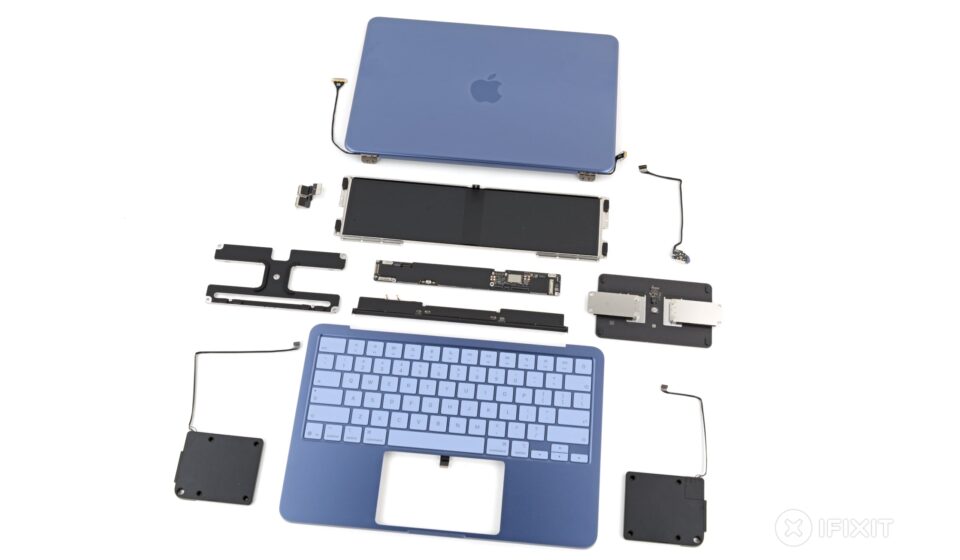
Upon gaining access, iFixit encountered an "shockingly sensible" internal layout. This internal arrangement contrasts sharply with the tightly integrated and often adhesive-reliant designs that have become commonplace in Apple’s product ecosystem. Key components such as the battery, speakers, ports, and trackpad are positioned for accessible removal, avoiding the typical obfuscation by other internal elements.
User-Replaceable Batteries: A Regulatory Catalyst?
A standout feature highlighted by iFixit is the MacBook Neo’s battery design. Unlike many contemporary laptops that employ strong adhesives to secure the battery, rendering its removal a destructive and complex process, the MacBook Neo’s battery is fastened with screws. This simple yet significant change dramatically simplifies battery repair and replacement, a crucial factor for extending a device’s lifespan. iFixit reported that while there are 18 screws to undo, the absence of battery adhesive is being hailed as the most significant "repair win" for the MacBook Neo.
This design shift is widely interpreted as a preemptive move by Apple to comply with anticipated legislation. The European Union is expected to implement a law, likely by early 2027, mandating user-replaceable batteries in a wide range of portable electronic devices. The MacBook Neo’s internal configuration strongly suggests that Apple is already adapting to these regulatory requirements. Industry analysts anticipate that similar battery designs could be adopted in future iterations of the MacBook Air and MacBook Pro lines, signaling a broader commitment to enhanced repairability across Apple’s laptop portfolio.
Component Modularity and Accessibility
Beyond the battery, the internal design of the MacBook Neo offers further improvements in repairability. While accessing components like the logic board requires the disconnection of numerous cables, iFixit described the process as "pretty accessible" and not unnecessarily complicated. This implies a thoughtful engineering approach that prioritizes ease of access for servicing.
However, it’s important to note areas where repairability remains limited. As is standard with modern high-performance laptops, RAM and storage are soldered directly to the A18 Pro chip. This integration, while contributing to performance and compact design, inherently diminishes the potential for future upgrades or repairs of these specific components. Users will not be able to upgrade their RAM or SSD after the initial purchase.

Conversely, the USB-C ports and headphone jack are implemented as discrete modules, rather than being integrated directly onto the logic board. This modularity is a significant boon for repairability, as it means that a damaged port can be replaced independently, circumventing the need for costly logic board repairs or replacements. Similarly, the antenna assembly is designed for straightforward removal, which iFixit believes will "significantly easier" screen replacements. The ease with which the display unit can be detached after removing the antenna and hinge screws has drawn comparisons to the highly modular Framework laptops.
Cost-Effective Design Choices
The MacBook Neo incorporates side-firing speakers, a design choice that simplifies the internal chassis requirements and likely contributes to cost savings in manufacturing. Furthermore, the return of a mechanical trackpad is a notable development. This marks the first time a MacBook has featured a mechanical trackpad since 2015. The adoption of a mechanical setup is attributed to its lower production cost compared to the increasingly sophisticated haptic feedback trackpads found in other MacBook models.
Even the keyboard, typically one of the most intricate components to service, has seen design considerations for repair. iFixit found that the keyboard is held in place by 41 screws. While this number might seem substantial, the ability to remove the keyboard separately from the top case, by undoing these screws, opens up possibilities for more affordable keyboard repairs, rather than requiring a complete top-case replacement.
A Scorecard for Serviceability
iFixit concluded its comprehensive teardown by assigning the MacBook Neo a repairability score of 6 out of 10. This score places it favorably above recent Apple laptop releases. For comparative context, the 14-inch M5 MacBook Pro received a score of 4 out of 10, and the M4 MacBook Air garnered a 5 out of 10.
"While the MacBook Neo isn’t perfect due to the soldered storage and RAM, there’s a lot to like," stated iFixit in their report. They specifically lauded the accessible battery, the easily swappable display, and the modularity of components like the USB-C ports and headphone jack. These elements collectively contribute to a device that is more sustainable and user-friendly in the long run.
Broader Implications and Future Outlook
The positive reception of the MacBook Neo’s repairability by iFixit is likely to resonate with consumers who have expressed frustration over the increasing difficulty and cost of repairing Apple products. The device’s design appears to be a direct response to growing calls for right-to-repair legislation and a broader industry trend towards more sustainable electronics.
The timing of these design changes, coinciding with the impending EU regulations, is particularly significant. It suggests a strategic shift by Apple, acknowledging the importance of repairability not just for consumer satisfaction but also for regulatory compliance and market access. If this design philosophy extends to future MacBook Air and Pro models, it could herald a new era for Apple laptops, balancing cutting-edge technology with a greater emphasis on longevity and user empowerment.
The successful integration of repair-friendly features in the MacBook Neo, while maintaining a sleek and modern aesthetic, demonstrates that innovation in design does not have to come at the expense of serviceability. This development could set a new benchmark for the industry, encouraging other manufacturers to re-evaluate their own design practices and prioritize the long-term usability and repairability of their products. The industry will be watching closely to see if the MacBook Neo’s approach represents a sustainable trend or a singular response to regulatory pressures.