IPhone Loyalty Reaches All-Time High as Android Users Show Increased Propensity to Switch

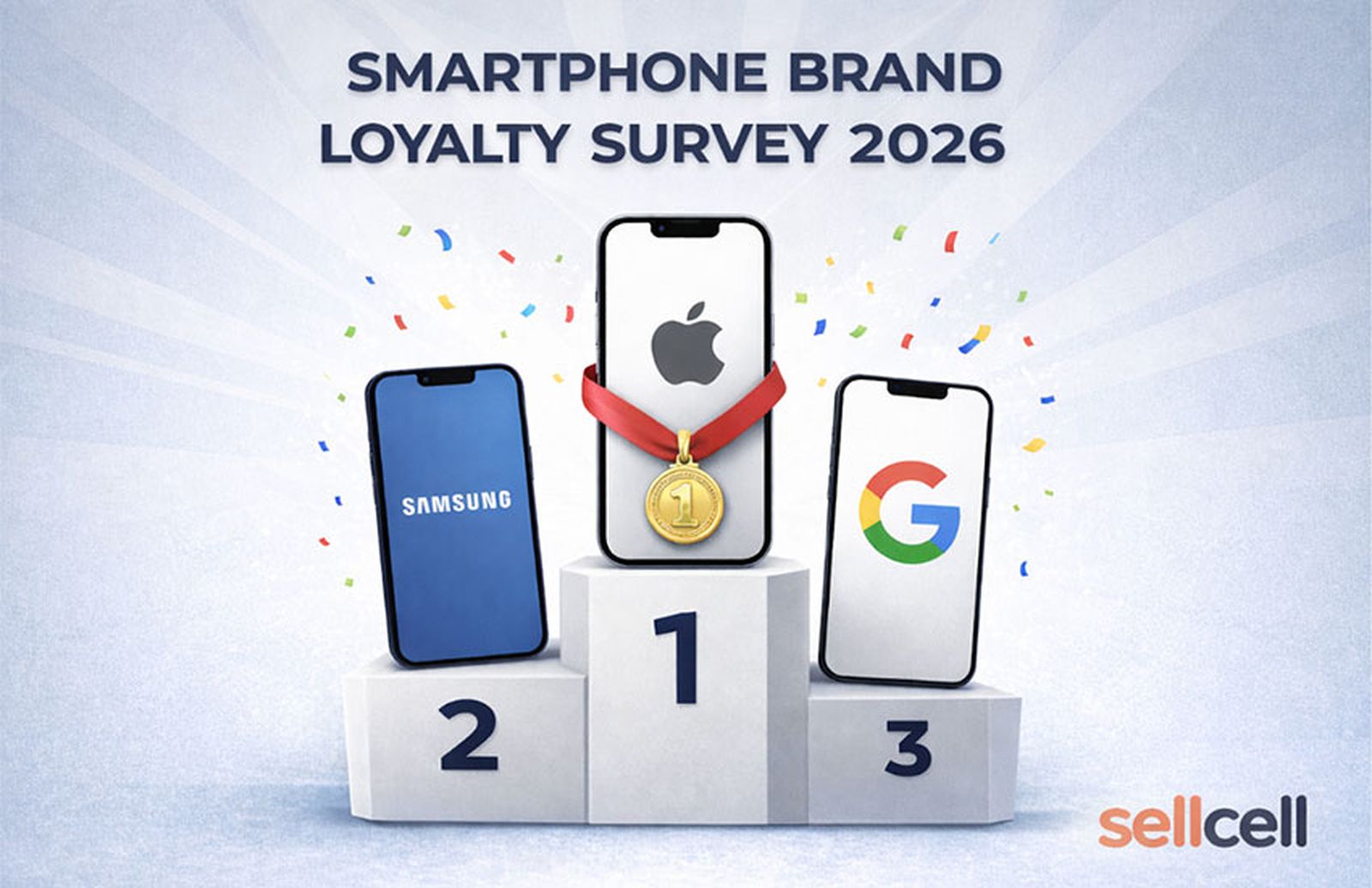
A comprehensive smartphone loyalty survey conducted by phone trade-in marketplace SellCell has revealed a significant surge in customer allegiance to Apple’s iPhone, with a remarkable 96.4% of surveyed iPhone users indicating their intention to purchase another iPhone for their next upgrade. This figure represents a new benchmark in brand loyalty for Apple, surpassing previous surveys and underscoring the sustained appeal of its flagship smartphone.
The survey, which polled 5,000 U.S. respondents with a near-equal representation of iPhone and Android users, indicates a growing chasm in brand fidelity between the two dominant mobile operating systems. In stark contrast to iPhone users, a considerably smaller percentage of Android users – 86.4% – expressed intent to remain within the Android ecosystem for their subsequent device acquisition. This leaves a substantial 13.6% of Android users open to exploring alternative platforms, a figure that is nearly four times higher than the 3.6% of iPhone users considering a switch.
This upward trend in iPhone loyalty is not an isolated incident but rather a continuation of a pattern observed in previous SellCell surveys. In 2021, 91.9% of iPhone users expressed similar intentions, and in 2019, this figure stood at 90.5%. The latest data suggests that Apple has not only maintained its strong customer base but has actively enhanced its retention capabilities over the past five years.
Shifting Sands in the Smartphone Market
The disparity in loyalty between the two platforms has significant implications for the competitive landscape of the smartphone industry. While Apple appears to be solidifying its position, Android manufacturers face the ongoing challenge of not only attracting new customers but also retaining their existing user base. The data from SellCell provides a granular view into these dynamics, highlighting specific migration patterns and the underlying motivations driving these decisions.
For the 3.6% of iPhone users who are considering defecting to another brand, the primary destinations identified were Samsung and Google. A significant majority, 69.7%, indicated a preference for Samsung devices, a testament to the South Korean manufacturer’s strong presence and product diversification within the Android market. Following closely, 20.2% of these potential switchers expressed interest in Google’s Pixel smartphones, suggesting a growing appreciation for Google’s software-centric approach and its direct integration with the Android operating system.
Conversely, the flow of users from the Android camp reveals a notable interest in iPhones. A considerable 26.8% of Android users contemplating a change explicitly stated their inclination to switch to an iPhone. This figure, when contrasted with the relatively low percentage of iPhone users considering Android, paints a clear picture of directional preference in potential cross-platform migration.
Understanding the Drivers of Loyalty and Defection
The survey delved into the reasons behind these consumer choices, offering insights into the core strengths and perceived weaknesses of each ecosystem. For iPhone users, the overwhelming primary driver for continued loyalty is a deep-seated preference for Apple as a brand. A substantial 60.8% cited this as their main reason for sticking with the iPhone. This suggests that Apple’s brand image, encompassing aspects like design, user experience, and perceived quality, remains a powerful retention tool.
Beyond brand preference, investment in the Apple ecosystem emerged as another significant factor. 17.4% of iPhone loyalists highlighted their existing engagement with Apple’s suite of products and services – such as iCloud, Apple Music, and integration with other Apple devices like Macs and iPads – as a key reason for their continued commitment. This demonstrates the sticky nature of a well-integrated ecosystem, where switching platforms incurs not just the cost of a new device but also the disruption of established digital workflows and content libraries.
For the minority of iPhone users contemplating a switch, cost and perceived value were prominent concerns. Approximately half of these users pointed to the iPhone’s high price point or the availability of better value propositions from other brands as their primary motivations for considering a change. However, a significant segment, comprising 22.5% of those considering a switch, cited technological advancements in competing devices as a compelling reason to explore alternatives, indicating that while brand loyalty is strong, innovation in the broader smartphone market continues to capture attention.
The Long Game: Sustained Engagement with iPhones
Further reinforcing the narrative of enduring iPhone loyalty is the data on user tenure. The survey found that 83.8% of iPhone users had owned an iPhone for more than five years. This statistic is particularly striking when compared to Android users, where only 33.8% reported a similar duration of brand allegiance. This suggests that once users adopt the iPhone, they are significantly more likely to remain within the Apple fold for extended periods, a crucial indicator of long-term customer value.
The implications of this sustained engagement are far-reaching for Apple. Longer ownership cycles translate into more predictable revenue streams from device sales, as well as increased opportunities for recurring revenue from services such as the App Store, AppleCare, and subscriptions. Furthermore, a deeply entrenched user base is less susceptible to the allure of competitor marketing and new product launches, providing Apple with a stable foundation upon which to innovate and expand its offerings.
Methodological Considerations and Future Outlook
SellCell’s survey methodology, involving 5,000 U.S. respondents with balanced representation from both iPhone and Android user groups, provides a robust snapshot of current market sentiment. The consistency in question structure across separate surveys aimed at each user group ensures a degree of comparability and reliability in the findings. While the survey focuses on U.S. consumers, the trends observed often have broader implications for global smartphone markets.
The data presented by SellCell suggests that Apple’s strategy of cultivating a premium brand, fostering a tightly integrated ecosystem, and delivering consistent user experiences has been highly effective in building and maintaining a loyal customer base. For Android manufacturers, particularly those heavily reliant on attracting switchers, the challenge lies in differentiating their offerings beyond price and technical specifications, and in building brand affinity that can rival Apple’s established appeal.
The future of smartphone loyalty will likely be shaped by ongoing advancements in mobile technology, the evolution of artificial intelligence integration, and the continued development of both hardware and software ecosystems. As consumers become increasingly sophisticated in their purchasing decisions, factors such as privacy, sustainability, and the seamless integration of devices into their daily lives will play a more prominent role. Apple’s current dominance in loyalty suggests it is well-positioned to capitalize on these emerging trends, while Android manufacturers will need to innovate aggressively to not only match but also surpass the established loyalty benchmarks. The ongoing battle for consumer allegiance in the smartphone market remains dynamic, with this latest survey offering a clear indication of Apple’s current commanding lead.