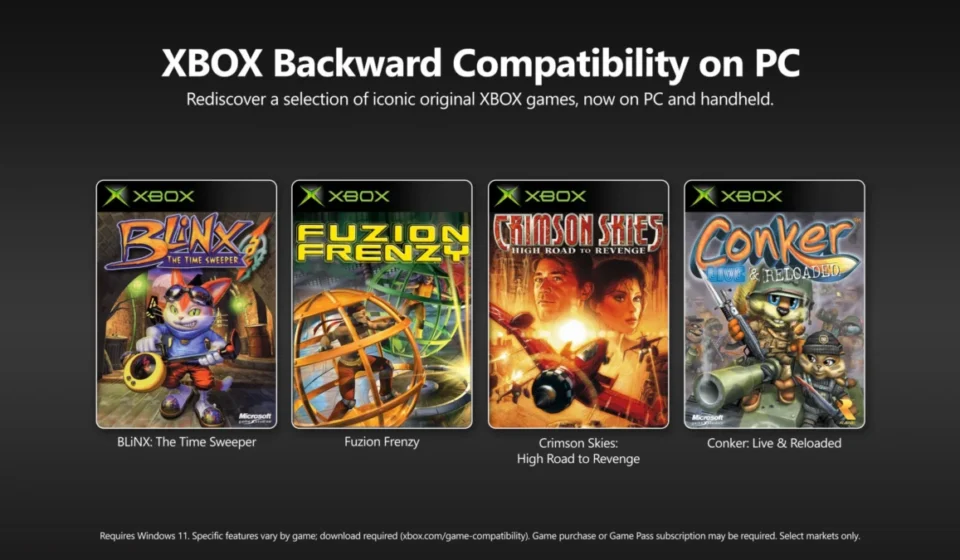
Microsoft is bringing original Xbox games to PC with backward compatibility

The introduction of original Xbox backward compatibility to PC is not merely a porting effort; it represents a sophisticated re-engineering of these classic games to take advantage of modern hardware and software capabilities. These titles have been enhanced with features such as up to four times resolution upscaling, VSync support for smoother visuals, flexible fullscreen and windowed display modes, anisotropic filtering for improved texture clarity, and enhanced anti-aliasing to reduce jagged edges. Furthermore, players can customize language and audio settings, offering a more personalized and immersive experience than was possible on the original hardware.
This strategic move by Microsoft is rooted in a broader vision for the Xbox ecosystem, one that emphasizes continuity, accessibility, and the unification of gaming experiences across platforms. The company has consistently invested in backward compatibility, initially focusing on Xbox 360 and Xbox One titles for its console platforms. Extending this functionality to PC signifies a deep understanding of the evolving gaming landscape, where players increasingly demand flexibility in how and where they play their favorite games. The inclusion of these titles within all tiers of Xbox Game Pass further underscores this commitment, providing significant value to subscribers and a low barrier to entry for experiencing these foundational games.
A Legacy Revived: The Inaugural Class of PC Backward Compatibility
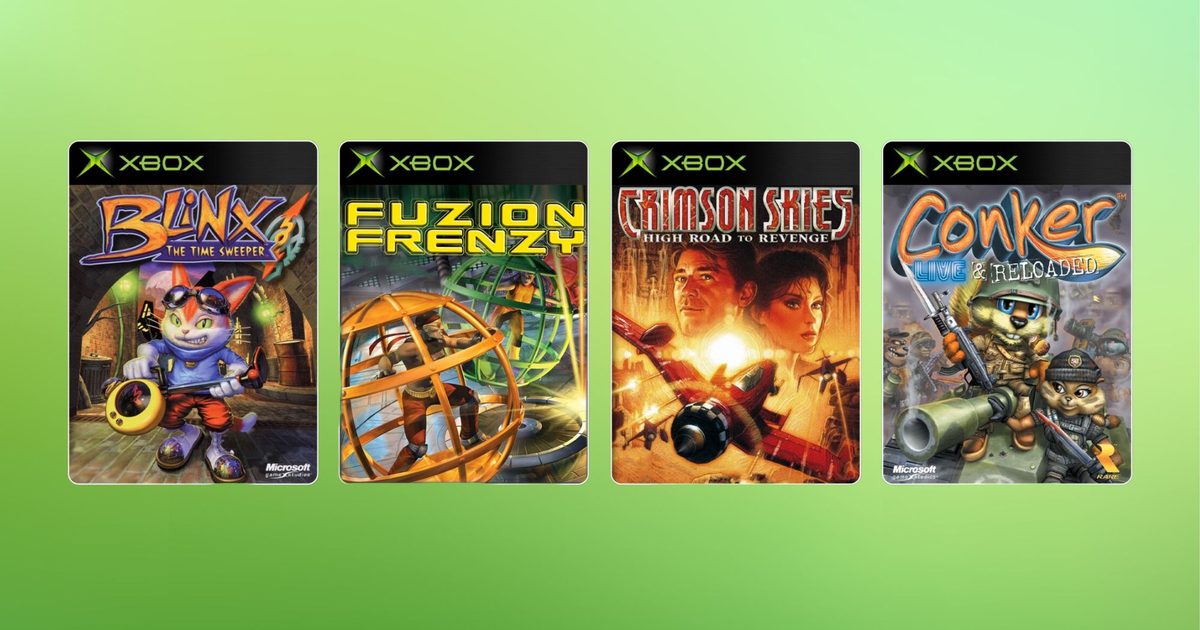
The initial lineup of four games was carefully selected to represent a diverse range of genres and experiences from the original Xbox’s library.
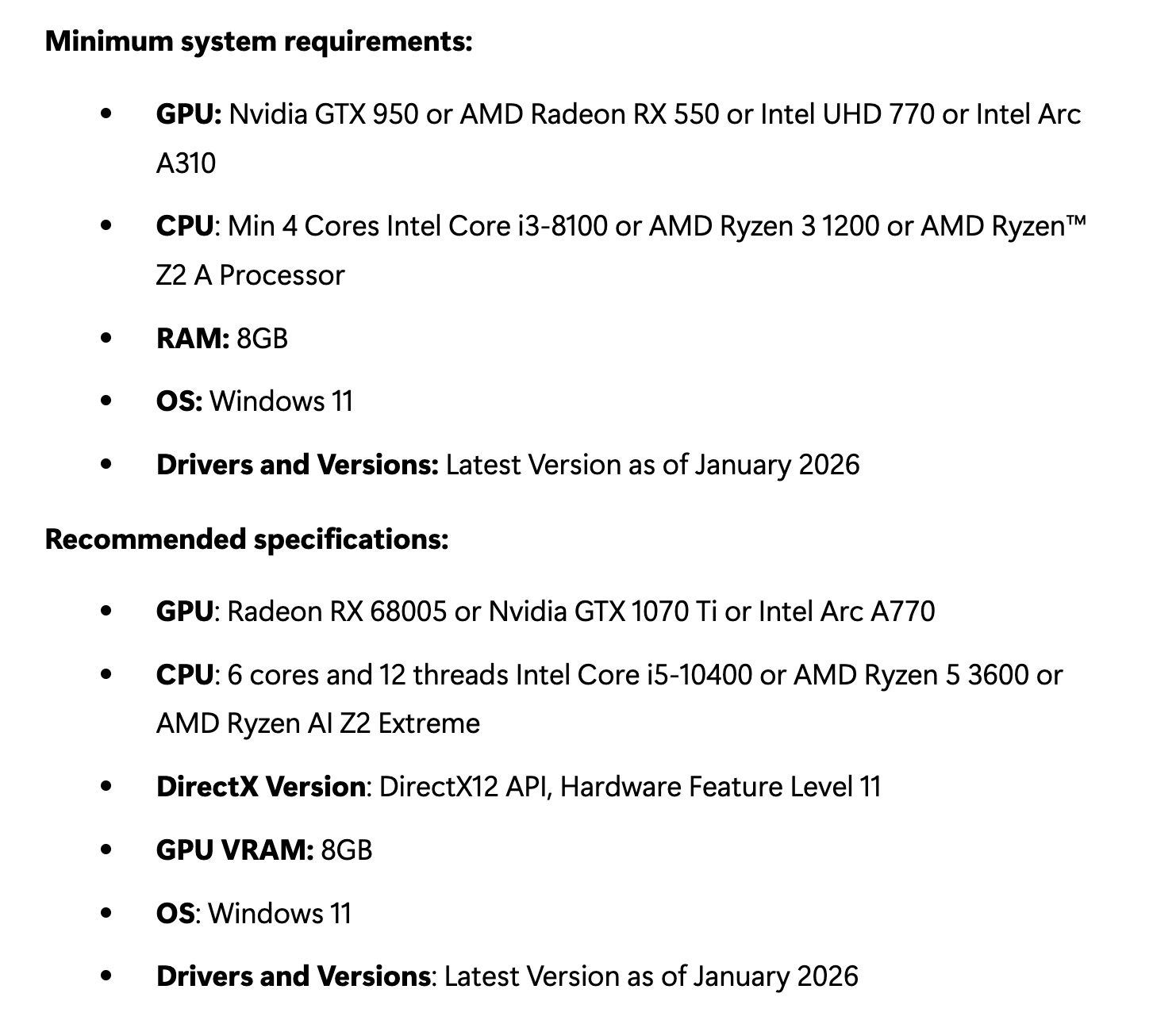
- Blinx: The Time Sweeper: This unique 3D platformer put players in the paws of Blinx, a cat tasked with manipulating time itself to rescue his owner and prevent cat-astrophic events. Its innovative time-bending mechanics offered a fresh take on the genre.
- Conker: Live & Reloaded: A beloved, albeit mature-rated, title known for its irreverent humor, colorful characters, and surprisingly deep gameplay. This action-platformer originally garnered a cult following for its bold and often crude comedic style.
- Crimson Skies: High Road to Revenge: This aerial combat game plunged players into an alternate history 1930s where magnificent airships rule the skies. Its thrilling dogfights and engaging story made it a standout title.
- Fuzion Frenzy: A fast-paced party game designed for multiplayer mayhem, Fuzion Frenzy offered a collection of energetic mini-games that were perfect for competitive couch co-op sessions.
Each of these titles is available for individual purchase on the Microsoft Store. Crucially, any digital licenses previously acquired for these games on Xbox consoles will seamlessly transfer to PC or compatible handhelds, ensuring that players who have supported these games in the past can continue to enjoy them without repurchasing. This continuity is further enhanced by Xbox Play Anywhere and Xbox Cloud Gaming, technologies that synchronize game saves and access across console, PC, cloud, and handheld devices, offering a truly unified gaming experience.
Technical Underpinnings and System Requirements
Microsoft has been transparent about the technical enhancements and the system requirements necessary to run these revitalized classics. The company has released detailed specifications, outlining both the minimum and recommended hardware configurations for PC players. These requirements are generally accessible, suggesting that a broad spectrum of modern gaming PCs should be capable of running these titles smoothly, even with the added visual enhancements.
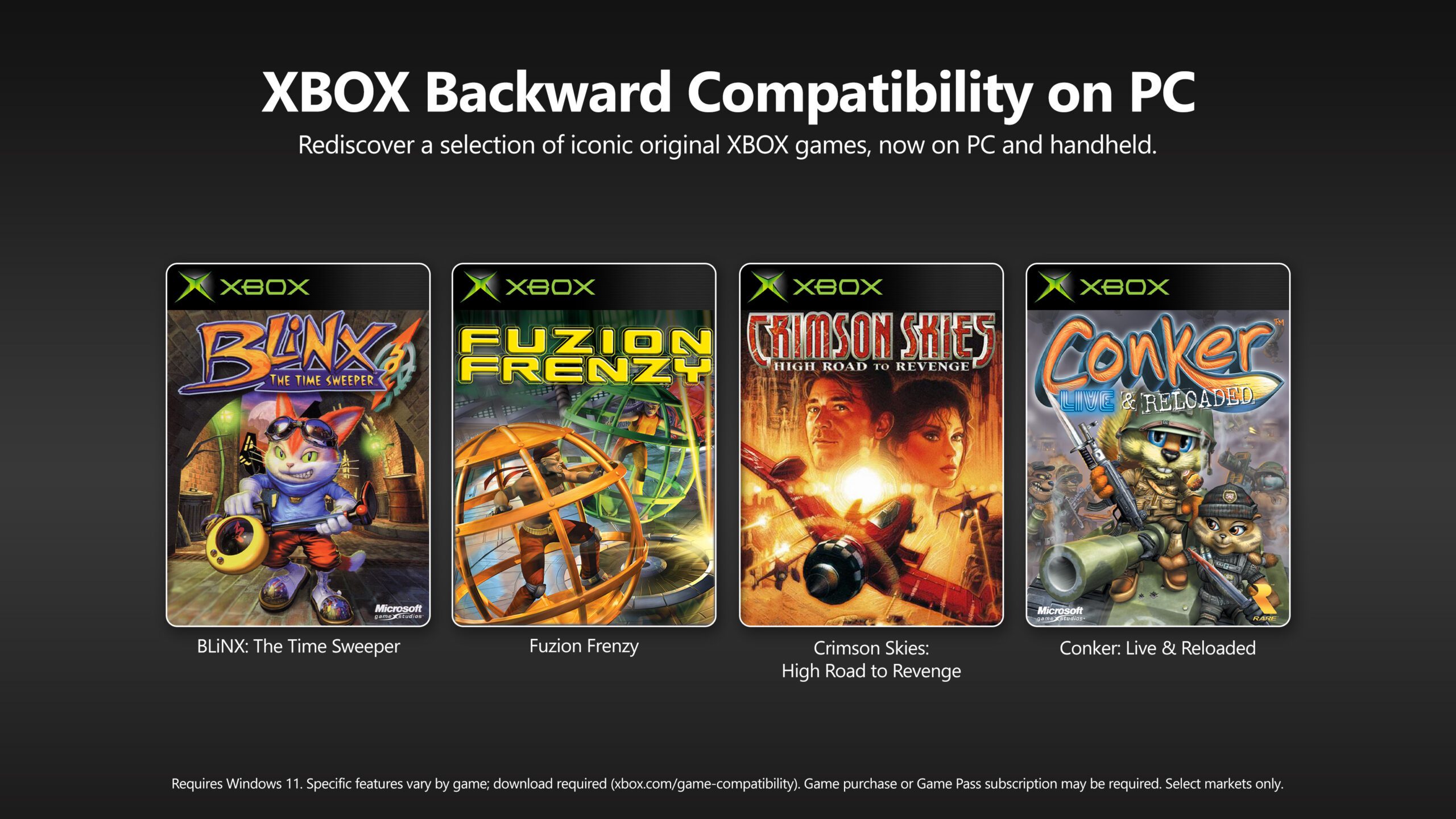
For example, the minimum requirements for playing these games on PC are designed to be quite attainable. This typically includes a processor like an Intel Core i5-4570 or AMD FX-6300, paired with at least 8GB of RAM and a graphics card such as an NVIDIA GeForce GTX 760 or AMD Radeon R9 270. The recommended specifications suggest more robust hardware, such as an Intel Core i5-8400 or AMD Ryzen 5 2600 processor, 16GB of RAM, and an NVIDIA GeForce GTX 1060 or AMD Radeon RX 580 graphics card, to fully leverage the upscaling and other graphical improvements. These specifications are crucial for ensuring that players can experience the games at their intended fidelity and performance levels.
The Evolution of Backward Compatibility: Beyond Emulation
The significance of this initiative lies in its departure from simple emulation. The enhancements applied to these original Xbox titles go beyond what was technically feasible on the original hardware. The upscaling technology, for instance, allows games originally rendered at lower resolutions to be displayed with significantly more clarity and detail on high-resolution displays. This is particularly important for games like Crimson Skies, where detailed environments and aircraft models can now be appreciated with a newfound sharpness.

The inclusion of VSync support, for example, addresses a common issue in older PC ports where screen tearing could detract from the visual experience. By synchronizing the frame rate of the game with the refresh rate of the monitor, VSync ensures a smoother and more fluid presentation. Similarly, the availability of both fullscreen and windowed modes provides players with greater control over their gaming environment, catering to different playstyles and multitasking needs.
The Missing Piece: Achievements on the Horizon
While the launch is a resounding success, one highly anticipated feature is not yet present: Xbox Achievements. For years, players have advocated for the integration of the Xbox achievement system into backward-compatible titles, recognizing it as a core element of the modern gaming experience. Microsoft has acknowledged this demand and has stated that Xbox Achievements will be added to these four initial titles, as well as future backward-compatible releases, via an update later this year. This suggests that the company is committed to a comprehensive retro-gaming experience that aligns with current industry standards.
Strategic Context: A Shifting Xbox Landscape
The introduction of original Xbox backward compatibility on PC arrives at a pivotal moment for Microsoft’s gaming division. The company has recently undergone significant organizational changes, including layoffs and the closure of several studios. This initiative, therefore, can be viewed as a strategic effort to reaffirm Microsoft’s long-term commitment to its gaming portfolio and to provide positive news and value to its player base.
Furthermore, this move is intrinsically linked to Microsoft’s broader strategic roadmap for Xbox. Rumors and industry reports have pointed towards the development of a new generation of Xbox consoles, potentially codenamed "Project Helix," which is speculated to run PC games and offer a more integrated ecosystem. The disc-to-digital program, which aims to allow players to convert their physical game collections into digital licenses, is another facet of this strategy, designed to streamline access and preserve the value of players’ existing libraries. By establishing a robust backward compatibility framework on PC, Microsoft is laying the groundwork for a future where the entire history of Xbox gaming is readily accessible and playable across a diverse range of devices.
The Future of Gaming Heritage
The launch of Xbox Backward Compatibility on PC with these four iconic titles is more than just a technical feat; it’s a testament to Microsoft’s dedication to preserving gaming history and making it accessible for contemporary audiences. The enhancements applied to these classics ensure that they are not merely relics of the past but vibrant experiences that can be enjoyed on modern hardware.
As Microsoft continues to expand its backward compatibility efforts, the potential for the entire Xbox library to become playable on PC and other devices is an exciting prospect. This initiative not only caters to nostalgic players eager to revisit their favorite games but also introduces these foundational titles to a new generation of gamers who may not have had the opportunity to experience them otherwise. In an era where digital preservation and accessibility are paramount, Microsoft’s commitment to bringing its gaming heritage to PC is a significant step forward, promising a future where no classic game is left behind. The success of this program hinges on continued support and the potential for even more beloved titles from the original Xbox, Xbox 360, and Xbox One eras to make their way to PC, solidifying Xbox’s position as a platform that values its past while boldly embracing the future of gaming.