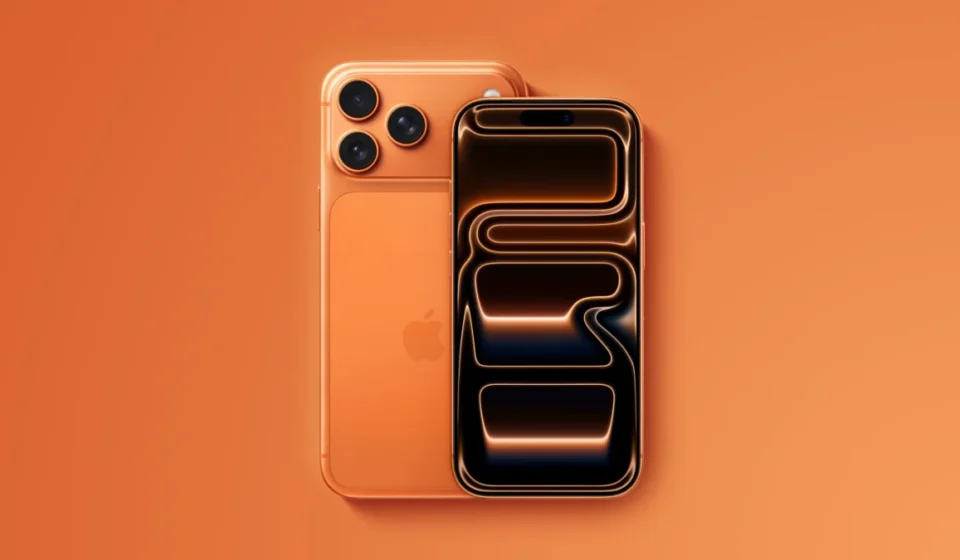

Apple is poised to launch a significant new leasing program for its popular devices, dubbed "Apple Upgrade," on Tuesday, July 28, in the United States. This initiative marks a strategic shift in how consumers can acquire iPhones, iPads, Macs, and Apple Watches, moving towards a leasing model and signaling the discontinuation of the long-standing iPhone Upgrade Program for new sign-ups. The transition, first detailed by Bloomberg’s Mark Gurman in his latest newsletter, indicates Apple’s evolving approach to device accessibility and ownership.
The Dawn of the Apple Upgrade Program
The forthcoming "Apple Upgrade" program, set to debut on July 28, is designed to offer consumers a more flexible and potentially more affordable way to access Apple’s ecosystem of products. This new program will partner with Klarna, a prominent buy-now, pay-later company, to facilitate the financing and management of leases for a wide array of Apple devices. This partnership suggests a streamlined and integrated financial experience for customers.
Under the terms of the Apple Upgrade program, eligible devices will be available through lease agreements with distinct terms based on the product category. iPhones and Apple Watches will be offered with 24-month lease agreements, while iPads and Macs will come with longer 36-month terms. This tiered approach acknowledges the differing product lifecycles and typical upgrade cycles for these device categories.
Customers participating in the Apple Upgrade program will be presented with a spectrum of options upon the conclusion of their lease term. These choices are anticipated to include the ability to return the device, upgrade to a newer model, or, for those who wish to retain their device, an option to purchase it outright, likely at its residual value or through a subsequent financing arrangement. This flexibility aims to cater to diverse consumer preferences and financial situations.
Phasing Out the iPhone Upgrade Program
Coinciding with the launch of the Apple Upgrade program, Apple will cease accepting new enrollments into its existing iPhone Upgrade Program on the same day, July 28. This move effectively retires a program that has been a staple for many iPhone users seeking a consistent upgrade path. However, customers who are already active participants in the iPhone Upgrade Program will be permitted to continue their existing agreements "for the time being." This transitional allowance ensures that current users are not immediately impacted, providing a grace period as the company fully transitions to its new leasing structure.
The iPhone Upgrade Program, which began in 2015, allowed customers to finance their iPhones over 24 months and then upgrade to a new model after 12 payments, effectively trading in their current device. Its discontinuation suggests that Apple believes its new leasing model, in partnership with Klarna, will offer a more compelling value proposition and broader appeal across its product lines.
Device Eligibility and Exclusions
While the Apple Upgrade program aims for broad accessibility, certain lower-priced devices will not be eligible for inclusion. Reports indicate that the Apple Watch SE, the entry-level iPad, the iPhone 16, and the MacBook Neo will be excluded from the program. This strategic exclusion likely focuses the program on Apple’s premium and mid-tier offerings, where the financial benefits of a leasing model are most pronounced and where Apple likely sees the greatest potential for driving upgrades and recurring revenue.
This selective eligibility suggests Apple’s intent to steer consumers towards its more advanced and higher-margin products through the new leasing framework. For consumers interested in the more budget-friendly options, traditional purchase or financing methods will likely remain the primary avenues.
Financial Implications and AppleCare+
A notable departure from the iPhone Upgrade Program is the apparent absence of bundled AppleCare+ coverage within the monthly payments of the Apple Upgrade program. Previously, the iPhone Upgrade Program included AppleCare+ as part of its monthly cost, offering a comprehensive protection plan alongside the device financing. Under the new Apple Upgrade program, AppleCare+ will likely be offered as an optional add-on, requiring a separate purchase or a distinct monthly fee.
This change could result in lower advertised monthly payments for the Apple Upgrade program, aligning with Apple’s reported intention to position it as a more budget-friendly option compared to current financing schemes. By unbundling AppleCare+, Apple can present a more attractive entry-level monthly cost, while still offering robust protection plans to those who opt for them. This strategy could appeal to a wider segment of the market seeking lower upfront and ongoing device costs.

Analysis of Strategic Implications
The introduction of the Apple Upgrade program represents a significant strategic evolution for Apple. The move towards a leasing model, in partnership with a financial technology firm like Klarna, indicates a broader ambition to integrate financial services more deeply into the customer experience. This approach not only aims to make Apple products more accessible by lowering the perceived cost of ownership but also has the potential to foster greater customer loyalty and increase the overall lifetime value of a customer.
By encouraging more frequent upgrades through a leasing structure, Apple can ensure a steadier stream of revenue and maintain a more current installed base of devices. This is particularly important in a rapidly evolving technological landscape, where devices become obsolete more quickly. A leasing model can also help mitigate the impact of significant upfront costs associated with high-end devices like the latest iPhones, iPads, and Macs, potentially driving sales among consumers who might otherwise delay purchases or opt for less premium alternatives.
Furthermore, the partnership with Klarna suggests a move towards a more sophisticated financial ecosystem. Klarna’s expertise in buy-now, pay-later solutions and its existing customer base could provide Apple with a valuable platform to expand its reach and cater to a younger demographic or those who prefer flexible payment options. This collaboration could also pave the way for future financial product integrations within the Apple ecosystem.
The decision to replace the iPhone Upgrade Program with the more comprehensive Apple Upgrade program signals a desire to standardize and streamline device acquisition across multiple product lines. This unification of leasing offers across iPhones, iPads, and Macs simplifies the customer journey and presents a more cohesive Apple ownership experience.
Background and Market Context
The consumer electronics market has seen a growing trend towards subscription and leasing models. Companies across various sectors, from automotive to technology, have recognized the appeal of access over ownership, particularly for products with rapid technological advancement. Apple’s move aligns with this broader market shift, seeking to capitalize on consumer preferences for flexibility and predictable monthly expenses.
The iPhone Upgrade Program itself was a precursor to this broader strategy, demonstrating Apple’s early interest in facilitating upgrades and managing device lifecycles. However, its singular focus on iPhones may have limited its overall impact. The expansion to include iPads and Macs broadens the program’s scope significantly, allowing Apple to apply its leasing strategy across its core hardware offerings.
The timing of this launch also comes amidst ongoing innovation in Apple’s product lines. With anticipated updates to iPhones, iPads, and Macs in the coming years, the Apple Upgrade program provides a mechanism for consumers to consistently access the latest technology without the burden of significant upfront investment. This could be particularly impactful for professional users or early adopters who regularly seek the newest features and performance improvements.
Potential Consumer Impact and Future Outlook
For consumers, the Apple Upgrade program promises a more accessible entry point into the Apple ecosystem. The lower monthly payments, compared to traditional financing or outright purchase, could make devices like the latest MacBook Pro or an iPad Pro attainable for a wider audience. The flexibility to upgrade after a set term also caters to those who value having the newest technology without the hassle of selling their old devices.
However, consumers will need to carefully evaluate the long-term costs associated with leasing versus purchasing. While monthly payments may be lower, over the full lease term, the total cost of a leased device might exceed its purchase price, especially if the option to buy out the device at the end of the term is not financially advantageous. The unbundling of AppleCare+ also means that the overall cost of comprehensive device protection will need to be factored in separately.
The success of the Apple Upgrade program will likely hinge on its execution, the clarity of its terms and conditions, and the perceived value it offers to consumers. If Apple can successfully position it as a smart and flexible way to access its products, it could significantly influence how consumers acquire and use their Apple devices in the future, solidifying its dominance in the premium consumer electronics market. The transition from the iPhone Upgrade Program to the broader Apple Upgrade program is a clear indicator of Apple’s strategic vision to integrate leasing and financial services more comprehensively into its product strategy.