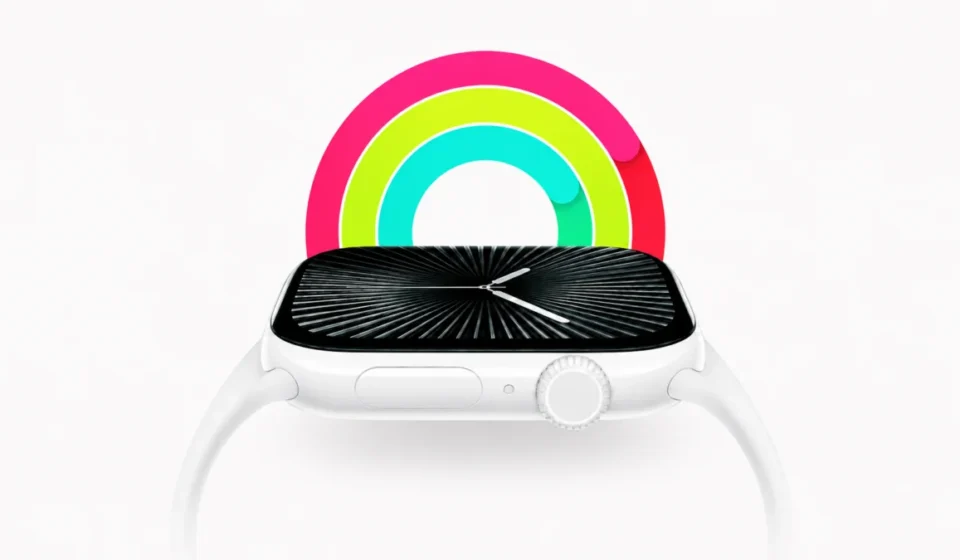

According to a recent report by Bloomberg’s Mark Gurman, the upcoming Apple Watch Series 12, expected to be unveiled in the fall of 2026, will see significant enhancements to its fitness tracking capabilities. While Gurman characterized the overall changes to the new Apple Watch lineup as "minor," he specifically highlighted the iterative but impactful improvements slated for the health and fitness functionalities. This focus on refining existing features rather than introducing radical design overhauls aligns with Apple’s recent strategy of enhancing the core user experience of its popular wearable device.
Gurman’s insights echo his previous observations made in late July, where he also pointed towards advancements in performance and more sophisticated health and fitness tracking as the primary upgrades for the Series 12 and its companion Apple Watch Ultra 4 model. The absence of any major design overhaul, such as the rumored integration of Touch ID, suggests that Apple is prioritizing the refinement and expansion of its health ecosystem, a strategy that has proven successful in differentiating the Apple Watch in a competitive market.
A Deep Dive into the Anticipated Fitness Enhancements
The current generation of Apple Watch, the Series 11 and Ultra 3, already boasts a comprehensive suite of health and fitness features, including advanced heart rate monitoring, ECG capabilities, blood oxygen sensing, fall detection, and a robust activity tracking system centered around the iconic Activity Rings. The forthcoming Series 12 is expected to build upon this foundation, offering more granular data, improved accuracy, and potentially new metrics that cater to a wider range of fitness enthusiasts, from casual users to elite athletes.
While specific details about the new fitness features remain scarce, industry analysts suggest several potential avenues for improvement. These could include more sophisticated sleep tracking analysis, advanced recovery metrics, personalized workout recommendations powered by enhanced AI algorithms, and even expanded capabilities for monitoring specific sports or activities. The integration of more advanced sensors, or the refinement of existing ones, could lead to a more comprehensive understanding of an individual’s physiological response to exercise and daily activity.
For instance, the accuracy of calorie expenditure tracking, a cornerstone of fitness monitoring, could be further refined by incorporating more personalized data points such as body composition, metabolic rate variations, and environmental factors. Similarly, the existing heart rate monitoring could evolve to provide deeper insights into cardiovascular health during and after workouts, potentially flagging anomalies or offering guidance on optimal training zones with greater precision.
The Activity Rings, a motivational tool that has become synonymous with the Apple Watch experience, could also see enhancements. This might involve introducing new challenges, more personalized goal setting, or even a deeper integration with third-party fitness applications and platforms, fostering a more connected and engaging fitness journey for users.
The Evolution of Apple Watch Fitness: A Historical Perspective
Apple’s commitment to fitness tracking began with the very first Apple Watch in 2015, which focused on encouraging users to be more active through basic step counting and activity monitoring. Over the years, the device has evolved dramatically, incorporating a steady stream of health and wellness innovations.
The introduction of the ECG app with the Series 4 in 2018 marked a significant leap, empowering users to monitor their heart rhythm and detect potential signs of atrial fibrillation. This was followed by the blood oxygen sensor in the Series 6 (2020), offering another crucial metric for understanding respiratory and overall cardiovascular health. The subsequent introduction of the rugged Apple Watch Ultra in 2022 further broadened the appeal of the wearable to adventurers and endurance athletes, with features like a dive computer and advanced GPS capabilities.
Each iteration has seen incremental improvements in sensor accuracy, battery life, and the sophistication of the accompanying software. The upcoming Series 12 represents the next chapter in this ongoing narrative of health and fitness innovation.
Timeline and Context: The 2026 Apple Watch Release Cycle
Apple typically unveils new Apple Watch models in the fall, often alongside new iPhone and AirPods releases. The Apple Watch Series 12 is anticipated to follow this pattern, with an announcement likely in September 2026. This timeframe allows Apple to leverage advancements in semiconductor technology and sensor development that typically mature throughout the year.
The current Apple Watch Series 11 and Ultra 3 were released in the fall of 2025, continuing the trend of annual updates. Gurman’s report suggests that the 2026 models will not deviate significantly from this established cycle, focusing on iterative upgrades rather than a complete redesign. This approach allows Apple to maintain a consistent product roadmap while also addressing evolving consumer needs and technological capabilities.
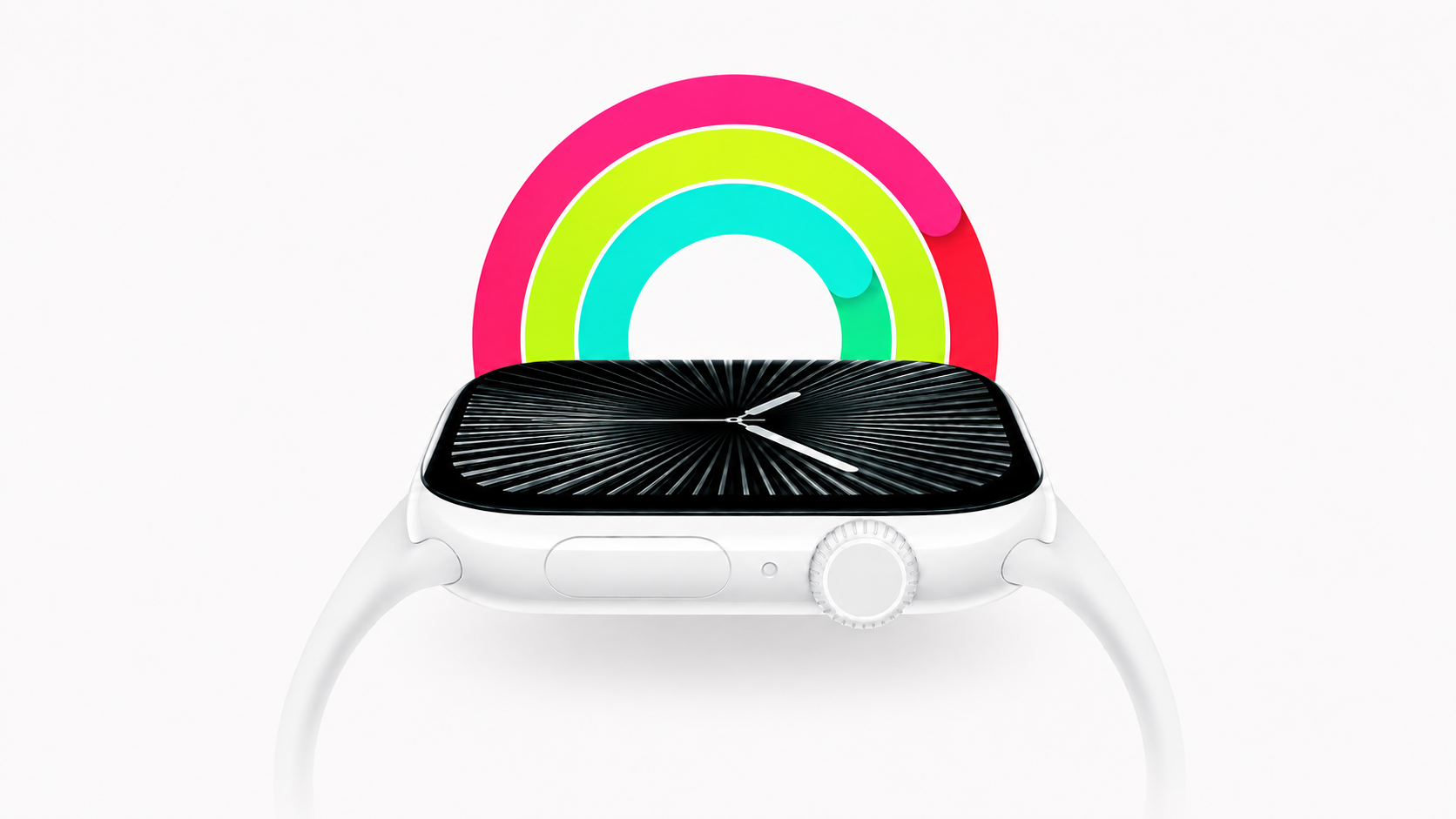
The mention of a potential "rethink" of the Apple Watch lineup, as reported by Gurman in early August 2026, adds an interesting layer of context. This contemplation of radical new designs, including a potential round model or a screenless fitness tracker, indicates that while the Series 12 may represent a more conservative evolutionary step, Apple is actively exploring more disruptive future directions for its wearable technology. This forward-looking strategy ensures that the Apple Watch remains at the forefront of innovation in the long term.
Supporting Data and Market Trends
The global wearable device market has witnessed substantial growth, with smartwatches forming a significant segment. According to IDC’s Worldwide Quarterly Wearable Device Tracker, shipments of wearables continue to rise year over year, driven by increasing consumer interest in health and fitness monitoring. In 2025, the market is projected to see continued expansion, with Apple consistently holding a dominant market share.
This robust market performance underscores the importance of Apple’s continuous innovation in the smartwatch space. The emphasis on fitness tracking aligns perfectly with prevailing consumer trends, as more individuals prioritize proactive health management and seek tools to support their active lifestyles. The Apple Watch, with its established ecosystem and user-friendly interface, is well-positioned to capitalize on this demand.
Furthermore, the increasing integration of artificial intelligence and machine learning in wearable technology is a significant trend. Apple is known for its deep investment in AI, and it’s highly probable that the Series 12 will leverage these advancements to provide more personalized insights and predictive health analytics. This could range from early detection of potential health issues to more nuanced guidance on training optimization and injury prevention.
Broader Impact and Implications
The enhancements to the Apple Watch Series 12’s fitness tracking capabilities have several implications. For existing Apple Watch users, it signifies an incentive to upgrade, offering a more compelling reason to move to the latest model to access the most advanced health and fitness features. This can lead to increased customer loyalty and continued engagement with the Apple ecosystem.
For the broader health and fitness industry, these advancements could set new benchmarks for what consumers expect from wearable technology. As Apple refines its offerings, other manufacturers will likely be compelled to innovate and match or exceed these capabilities, driving further competition and technological progress across the sector.
The focus on fitness also reinforces the Apple Watch’s position not just as a communication device or a fashion accessory, but as a vital tool for personal well-being. By making health and fitness tracking more accessible, accurate, and insightful, Apple is contributing to a larger societal shift towards preventative healthcare and a more health-conscious lifestyle.
Potential Official Responses and Reactions
While Apple itself has not officially commented on the specific features of the Apple Watch Series 12, the company’s long-standing commitment to health and privacy provides a strong indication of its strategic direction. Apple’s CEO, Tim Cook, has repeatedly emphasized the company’s mission to empower individuals to live healthier lives, and the Apple Watch is a central pillar of this vision.
"We believe that technology should empower people to lead healthier lives," Cook has stated in various public forums. "The Apple Watch has become an indispensable tool for millions of people around the world, helping them stay active, informed, and connected to their health."
Health organizations and medical professionals have also acknowledged the positive impact of advanced wearables like the Apple Watch. While emphasizing that these devices are not medical instruments, they often recognize their value in promoting healthy habits and providing users with valuable data that can be shared with their healthcare providers. The ongoing improvements in fitness tracking are likely to be welcomed by this community as they can contribute to better patient engagement and adherence to health recommendations.
The Future of Wearable Fitness
The Apple Watch Series 12, with its anticipated fitness upgrades, represents a continuation of Apple’s deliberate and user-centric approach to wearable technology. While the immediate changes may appear incremental, they are built upon a robust foundation of research, development, and a deep understanding of consumer needs. The ongoing exploration of more radical design concepts suggests that Apple is not content to rest on its laurels and is actively shaping the future of how we interact with technology for our health and well-being. The coming year promises to deliver a refined and enhanced fitness experience for Apple Watch users, further solidifying its position as a leader in the wearable health technology market.